How to Enhance Your Natural Wavy Hair Routine

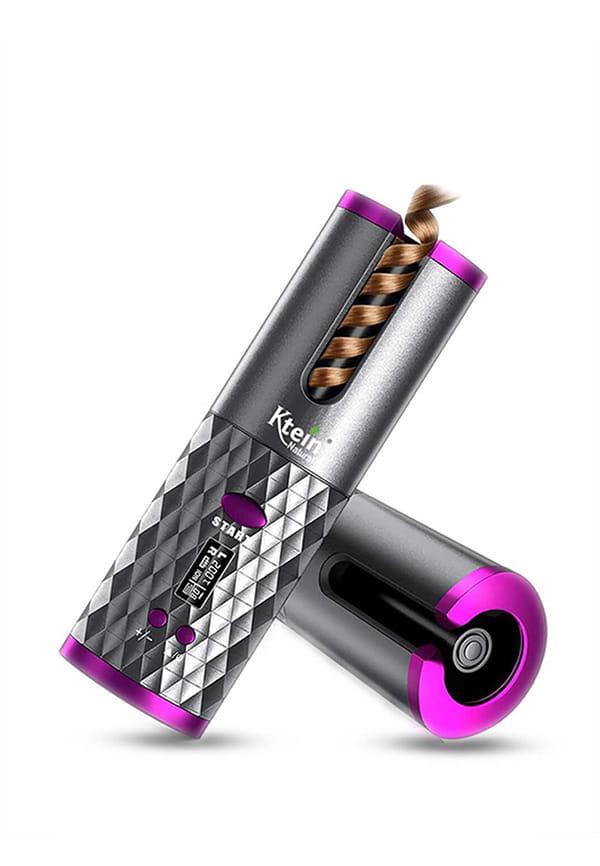 1 Unit
Elegance Curl Pro: Professional Hair Styler Kit for Effortless Waves and Curls
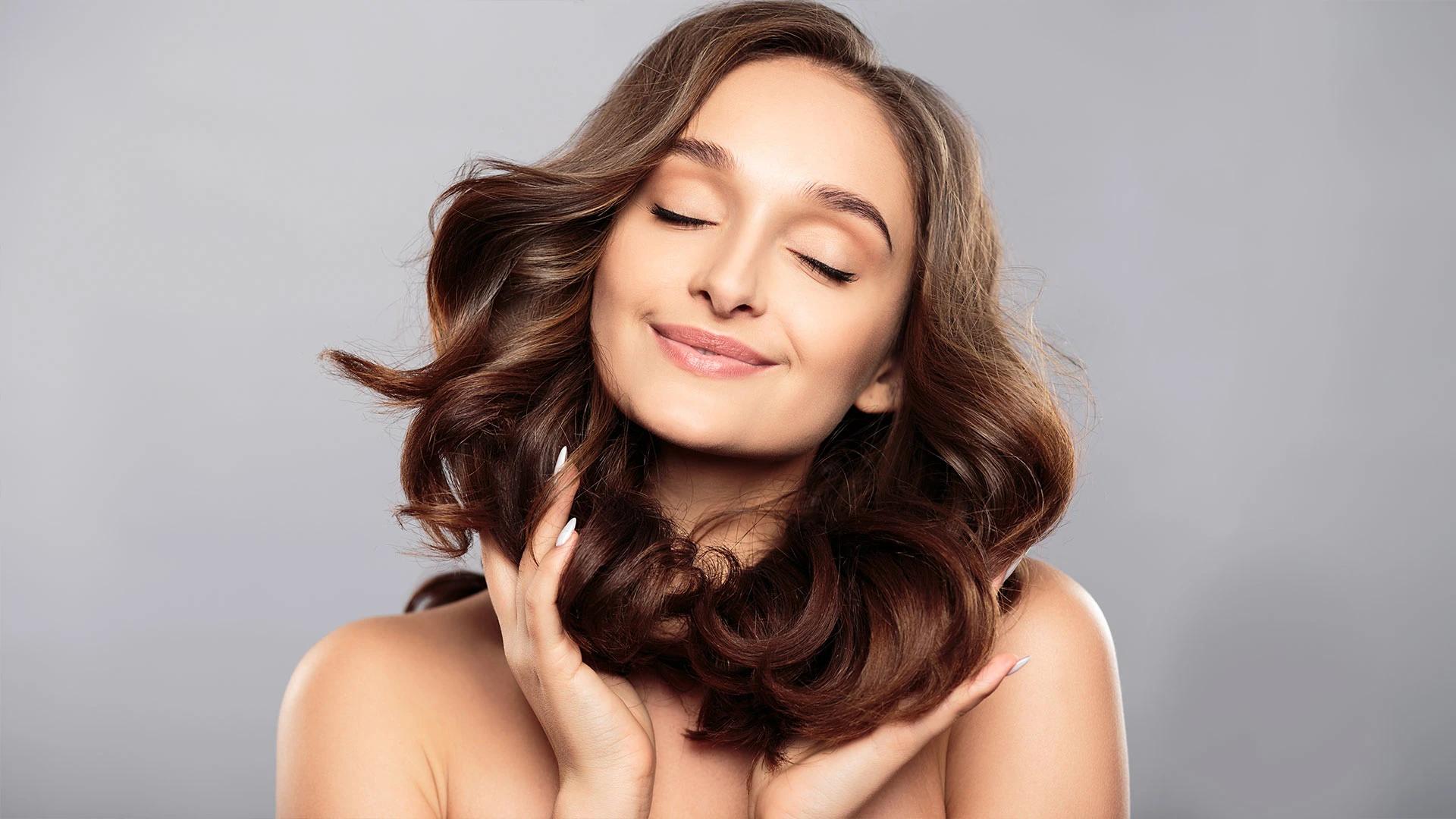
Let's be real—wavy hair can feel like a mystery wrapped in an enigma. One day your waves look absolutely gorgeous, and the next they're doing their own chaotic thing. If you've been struggling to figure out the best tips for wavy hair that actually work, you're in the right place. Your natural texture deserves to shine, and with the right wavy hair routine, you can transform those unpredictable waves into your signature look. Whether you're dealing with frizz, flatness, or just can't seem to get consistent results, we've got the insider knowledge to help you embrace and enhance what you've naturally got.
Before diving into products and techniques, it's crucial to understand what type of waves you're working with. Natural wavy hair isn't a one-size-fits-all situation, and knowing your specific wave pattern will completely change your approach to styling and care. Wavy hair typically falls into three main categories: 2A, 2B, and 2C. Type 2A waves are loose and subtle, often appearing more like a gentle bend than defined waves. These tend to be fine and can easily fall flat with heavy products. Type 2B waves are more defined with a slight spiral pattern, usually starting from the mid-length down. Type 2C waves are the most defined, with stronger spirals that can border on curly territory. Beyond wave pattern, your hair's porosity level plays a massive role in how it responds to products and styling. Low porosity hair repels moisture initially but holds onto it once absorbed, whilst high porosity hair drinks up products quickly but loses moisture just as fast. Understanding these characteristics helps you choose the right products and techniques for your specific needs. Common challenges with wavy hair include inconsistent curl patterns, where some sections wave beautifully whilst others remain stubbornly straight. Frizz is another major concern, especially in humid conditions. Many people with waves also struggle with flatness at the roots, as the weight of longer hair can pull down the natural texture.
A solid wavy hair routine starts with understanding that waves need gentle handling and consistent moisture. Unlike straight hair that can handle rougher treatment, or tight curls that need heavy creams, wavy hair sits in a sweet spot requiring lightweight yet nourishing care.
Never brush wavy hair when it's dry—this is a cardinal rule for maintaining your natural pattern. Instead, detangle only when your hair is soaking wet and loaded with conditioner. Use a wide-tooth comb or your fingers to gently work through knots, starting from the ends and working your way up. Pre-poo treatments can work wonders for wavy hair that tends to be dry or damaged. Apply a lightweight oil like argan or jojoba to the mid-lengths and ends before shampooing. This creates a protective barrier and adds extra moisture without weighing down your waves.
Sulphate-free shampoos are your best friend when it comes to wavy hair care. These gentler formulas clean without stripping natural oils that your waves desperately need. Focus the shampoo on your scalp rather than the lengths, letting the suds cleanse the rest as you rinse. The squish-to-condish method is a game-changer for wavy hair. Apply conditioner generously from mid-length to ends, then cup sections of hair in your palms and gently squeeze upwards. This technique helps your hair absorb moisture whilst encouraging wave formation. Most wavy hair types benefit from washing 2-3 times per week. Over-washing can lead to dryness and frizz, whilst under-washing might cause buildup that weighs down your waves.
Ditch the terry cloth towel immediately—it's the enemy of smooth waves. Instead, use a microfibre towel or cotton t-shirt to gently squeeze out excess water. The smoother surface reduces friction and prevents frizz. Plopping is a technique where you wrap your wet hair in a t-shirt or microfibre towel, creating a turban-like shape. This method helps waves form whilst removing excess water without disturbing the curl pattern. Leave your hair plopped for 10-20 minutes before applying styling products.
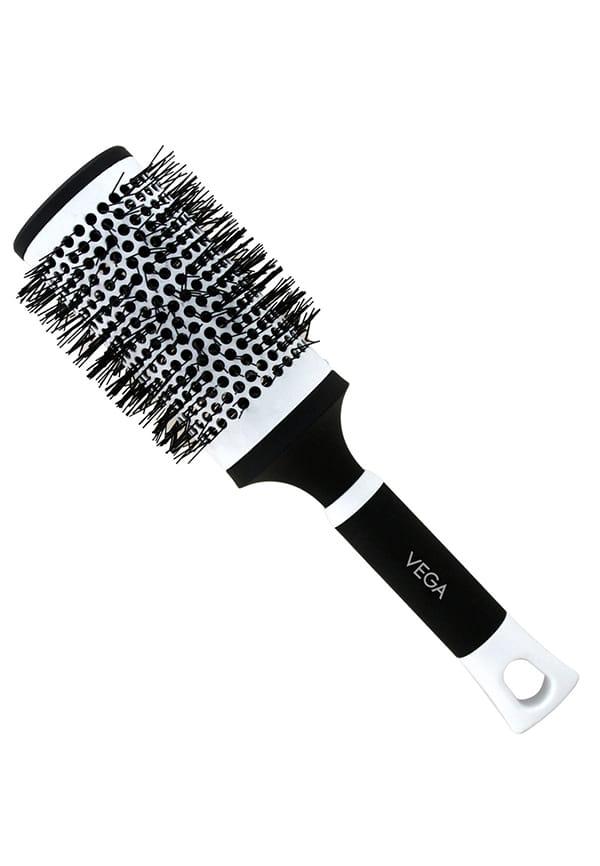 1 Unit
Hot Curl Brushfor Hair Styling, Drying, Healthy Hair and Add Volume, Large (H1-PRL)
Choosing the best products for wavy hair can feel overwhelming with endless options on the market. The key is finding lightweight formulations that provide moisture and hold without weighing down your natural texture.
Leave-in conditioners are essential for maintaining moisture between washes. Look for lightweight formulas that won't leave residue. Curl creams help define waves whilst providing moisture, but choose ones specifically designed for wavy rather than curly hair—they're typically lighter in consistency. Gels and mousses provide hold and definition. Gels work well for stronger hold and definition, whilst mousses add volume and lighter hold. The key is finding the right amount—too little and your waves won't hold, too much and they'll look crunchy or weighed down. Refreshing sprays are lifesavers for day-two hair. Mix water with a small amount of leave-in conditioner in a spray bottle to revive waves without fully rewashing.
Hydrating ingredients like hyaluronic acid, glycerin, and aloe vera help maintain moisture without heaviness. Proteins such as keratin or silk amino acids can strengthen waves, but use them sparingly as too much protein can make hair stiff. Avoid heavy oils, thick butters, and silicones that can weigh down waves. Sulphates and drying alcohols can strip natural oils and cause frizz. Heavy conditioning agents might provide too much moisture for fine wavy hair.
The praying hands method involves smoothing products down the hair shaft with palms pressed together, which helps distribute product evenly without disrupting the wave pattern. Follow this with gentle scrunching to encourage curl formation. When layering products, apply them in order of thickness—thinnest to thickest. Start with leave-in conditioner, then curl cream, and finish with gel or mousse. Each layer should be applied to soaking wet hair for best results.
Mastering wavy hair styling techniques takes practice, but once you find what works for your hair type, you'll wonder how you ever managed without these methods.
Air drying is the gentlest option and works well for looser wave patterns. To enhance waves whilst air drying, scrunch your hair periodically as it dries, and avoid touching it too much to prevent frizz. Diffusing can speed up drying time and add volume. The pixie diffusing technique involves using the diffuser on low heat and speed, gently cupping sections of hair and lifting towards the scalp. Hover diffusing means keeping the diffuser slightly away from your hair to prevent frizz whilst still speeding up the drying process.
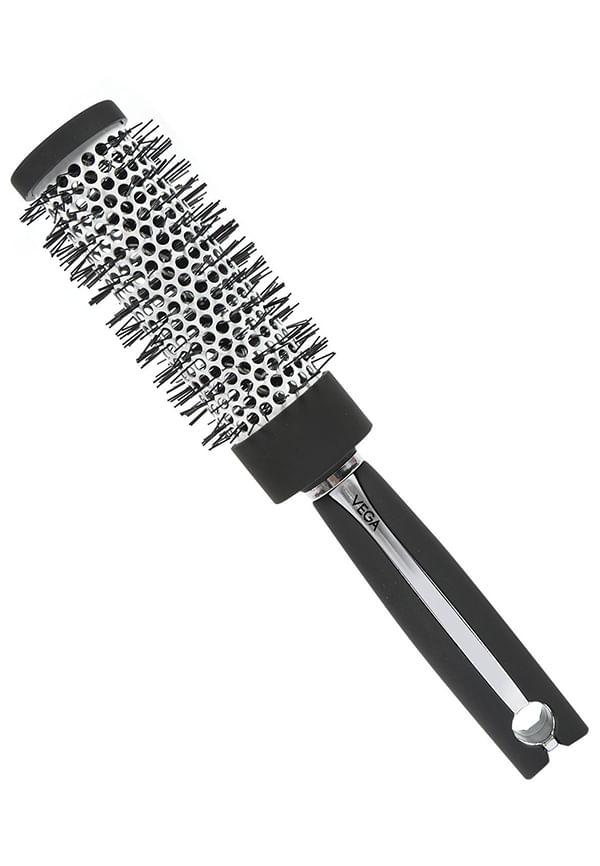 1 unit
Hot Curl Hair Brushfor Add Shine & Volume, Blow Drying, Perfect for Hair Styling Curling, Straightening, Big (E16-PRB)
Wet scrunching with products helps encourage wave formation. Cup sections of hair in your palms and gently squeeze upwards, working from ends to roots. This technique helps distribute products whilst enhancing your natural pattern. Once your hair is completely dry, you might notice a crunchy gel cast. Gently scrunch your hair with dry hands or a bit of oil to break this cast and reveal soft, defined waves. The accordion method involves stretching a section of hair gently, then releasing it to spring back. This technique can help enhance wave formation and create more uniform patterns.
Satin or silk pillowcases reduce friction whilst you sleep, helping maintain your wave pattern overnight. If you don't have these, try wrapping your hair in a silk scarf or using a satin bonnet. Medusa clipping involves loosely clipping sections of hair on top of your head before bed. This prevents the weight of your hair from flattening your waves whilst you sleep. Loose braids can also help maintain texture without creating unwanted kinks. For morning refreshing, lightly mist your hair with a water and leave-in conditioner mixture, then scrunch gently to reactivate your waves.
Even with the best routine, wavy hair can present challenges. Learning to manage wavy hair means understanding these common issues and having solutions ready.
Frizz often occurs when hair lacks moisture or has been damaged by heat or chemical processing. Environmental factors like humidity can also trigger frizz in wavy hair. Combat this by ensuring your hair is well-moisturised and protected. Anti-humidity products can create a barrier against moisture in the air. Natural ingredients like flax seed gel or aloe vera can provide hold whilst fighting frizz without harsh chemicals. Gentle handling is crucial—avoid touching your hair throughout the day, and when you must touch it, do so with slightly damp hands to prevent disrupting the curl pattern.
Root lifting techniques can help combat flatness. Try clipping sections of hair at the roots whilst drying, or use a root lift spray before styling. When applying products, avoid the roots to prevent weighing down this area. Strategic product placement means using lighter products near the roots and heavier ones on the mid-lengths and ends. This prevents the roots from being weighed down whilst still providing moisture where it's needed most.
Inconsistent wave patterns often result from uneven product distribution or varying hair health throughout your head. Pay attention to how different sections respond to products and adjust accordingly. Maintaining the right protein-moisture balance is crucial for healthy waves. Too much moisture can make hair limp, whilst too much protein can make it stiff. Alternate between moisturising and protein treatments based on your hair's needs. Seasonal changes might require routine adjustments. Your hair might need more moisture in winter or different products in humid summer months. Finding the right products for your unique wave pattern doesn't have to break the bank or involve endless trial and error. Smytten, India's largest product discovery platform, offers curated trial packs from over 1,500 trusted haircare brands. You can explore mini-sized versions of products specifically designed for wavy hair, allowing you to test what works for your texture before committing to full-size purchases. With options to get up to 8 minis for just ₹249 and 100% cashback on trial purchases, discovering your perfect wavy hair routine becomes both affordable and exciting.
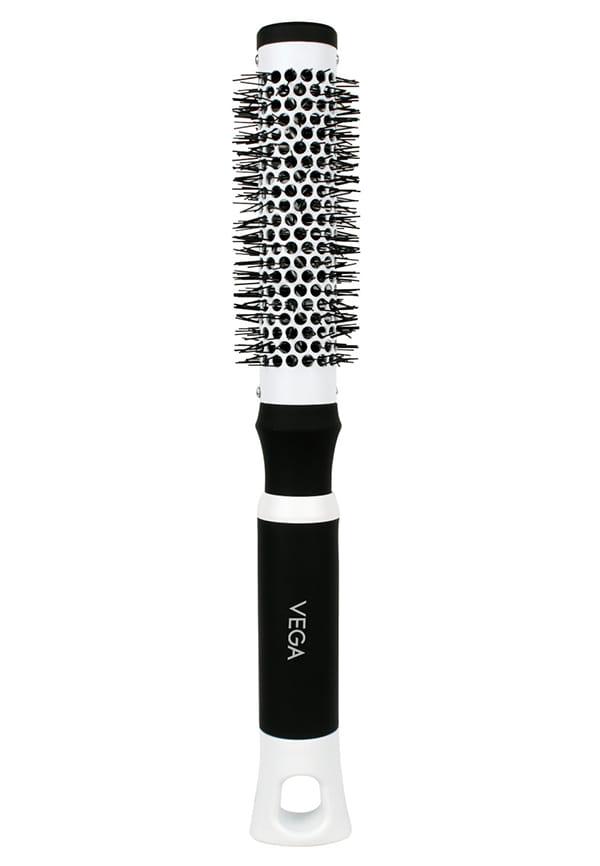 1 Unit
Hot Curl Hair Brushfor Hair Styling, Drying, Healthy Hair and Add Volume, Small (H1-PR S)
Most people with wavy hair benefit from washing 2-3 times per week. This frequency helps maintain natural oils whilst preventing buildup that can weigh down waves. Adjust based on your scalp's oil production and activity level.
No, brushing dry wavy hair disrupts the curl pattern and creates frizz. Only detangle when your hair is wet and loaded with conditioner, using a wide-tooth comb or your fingers.
Inconsistent results often come from varying product application, environmental factors, or how you slept. Establishing a consistent routine and protecting your hair overnight can help achieve more predictable results.
Use a spray bottle with water and a small amount of leave-in conditioner. Lightly mist your hair and scrunch gently to reactivate waves. Avoid over-wetting, which can cause frizz.
Use lightweight products, avoid touching your hair, and consider using clips at the roots whilst drying for extra volume. Root lift sprays can also help maintain volume throughout the day.
Minimise heat styling to prevent damage. If you must use heat, always apply a heat protectant and use the lowest effective temperature. Air drying or diffusing on low heat are gentler alternatives.
Mastering your wavy hair routine is a journey of understanding your unique texture and finding the right combination of products and techniques. Remember that what works for someone else might not work for you—wavy hair is incredibly individual. The key is patience, consistency, and being willing to experiment until you find your perfect routine. Your natural waves are worth celebrating and enhancing, not fighting against. With the right tips for wavy hair and a solid understanding of your hair's needs, you can achieve the defined, frizz-free waves you've always wanted. Whether you're just starting your wavy hair journey or looking to refine your existing routine, remember that great waves are built on a foundation of proper care, gentle handling, and the right products for your specific needs. The beauty of having wavy hair lies in its versatility and natural movement. Once you've mastered the basics, you'll find that your waves become your signature feature—one that's uniquely yours and absolutely worth the effort to perfect.
