How to Effectively Treat and Prevent Split Ends

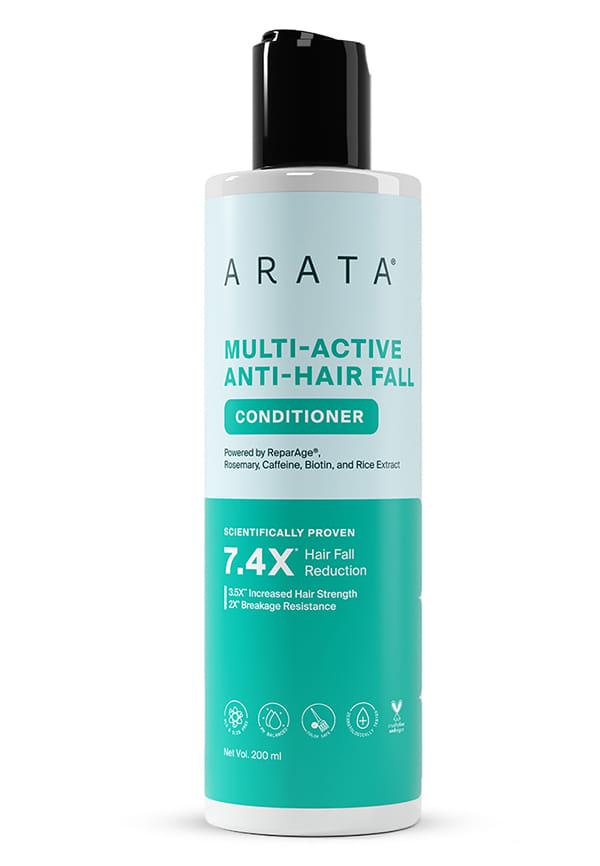 200 ml
Anti-Hair Fall Conditioner for Breakage and Split-Ends Reduction
Split ends are basically your hair's way of saying "help me" – and honestly, we've all been there. Whether it's from too much heat styling, chemical treatments, or just life happening, those frayed ends can make even the best hair day feel meh. But here's the thing: you don't have to live with damaged hair forever. There are actually proven solutions for split ends that work, from professional treatments to simple at-home fixes. Let's dive into everything you need to know about treating and preventing split ends, so you can get back to having hair that feels as good as it looks.
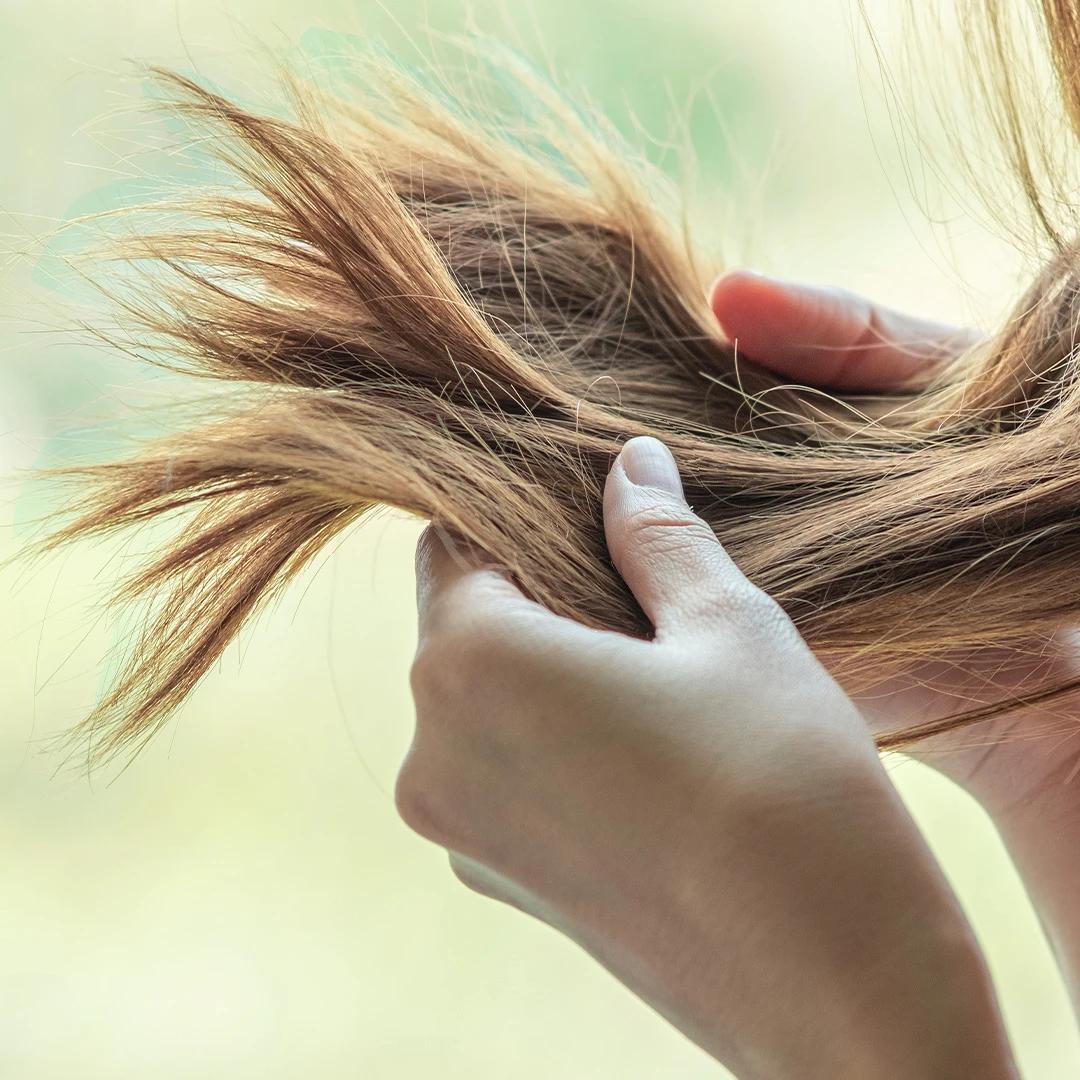
Think of your hair like a rope – when the protective outer layer (called the cuticle) gets damaged, the inner fibres start to separate and fray. That's essentially what split ends are: damaged hair that's literally splitting apart at the tips. The science bit? Your hair shaft has three layers, and when the outermost protective layer gets compromised, it can't protect the inner layers anymore.
So what causes this damaged hair repair situation in the first place? Heat styling is a major culprit – those straighteners and curling irons can reach temperatures that literally cook your hair. Chemical processing like bleaching, colouring, or perming also weakens the hair structure. Even environmental factors like sun exposure, pollution, and harsh weather can contribute to hair breakage solutions becoming necessary.
Not all split ends are created equal. The basic split is exactly what it sounds like – your hair splits into two parts. Tree splits look like tiny branches, whilst fork splits create multiple divisions. Taper splits are when your hair gradually thins out to nothing at the ends.
To assess your damage, grab a small section of hair and twist it gently. Any short, broken pieces sticking out? Those are your problem areas. If you're seeing splits more than an inch up from your ends, it might be time to consider professional help rather than just DIY solutions.
When it comes to serious solutions for split ends, sometimes you need to bring in the professionals. Salon treatments can work wonders, especially if your damage is extensive. Protein treatments help rebuild the hair's structure by filling in gaps in the cuticle, whilst bond-building services actually repair broken chemical bonds within your hair shaft.
Keratin treatments are another game-changer for split ends treatment. They smooth the cuticle and add a protective layer that can prevent future damage. The key is finding a stylist who understands your hair type and damage level – not all treatments work for everyone.
Let's be real about trimming frequency too. That "trim every six weeks" rule isn't just salon marketing – it's actually based on how fast hair grows and how quickly damage can travel up the shaft. Regular trims prevent splits from working their way up and causing more extensive damage.
Professional treatments aren't magic – they take time to show results. Most protein and bond-building treatments need 2-3 sessions to really make a difference. You'll likely see immediate improvement in texture and manageability, but the real strength-building happens over several weeks.
Maintenance is crucial too. Professional treatments work best when paired with the right at-home routine. Your stylist should recommend specific products that complement your treatment and help maintain the results.
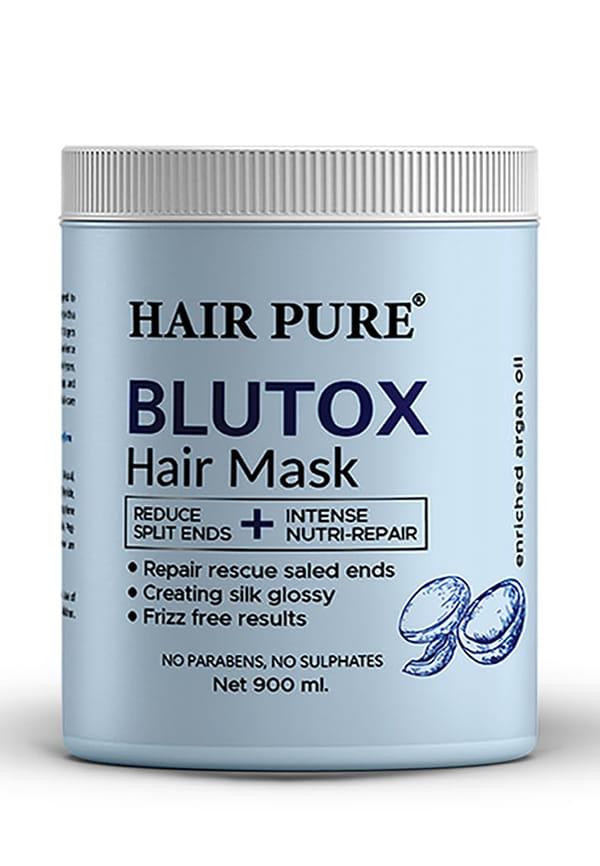 900 ml
Blutox Hair Mask for Reduces Split Ends & Intense Nutri-Repair Treatment
If you're wondering how to fix split ends without breaking the bank, there are definitely effective at-home options. Deep conditioning masks are your best friend here, especially ones with keratin, proteins, or natural oils. These ingredients help temporarily seal the cuticle and smooth down those frayed ends.
DIY natural remedies can be surprisingly effective for hair repair tips. An egg yolk and olive oil mask provides protein and moisture – mix one egg yolk with two tablespoons of olive oil, apply to damp hair, and leave for 20 minutes before washing out. The protein helps fill in damaged areas whilst the oil adds moisture and shine.
For something a bit more exotic, try a papaya and yogurt mask. Papaya contains enzymes that can help smooth the hair cuticle, whilst yogurt provides protein and lactic acid for gentle exfoliation. Mash half a ripe papaya with two tablespoons of plain yogurt, apply to hair, and rinse after 30 minutes.
A traditional Indian remedy combines hibiscus, fenugreek, curry leaves, and amla for a strengthening treatment. Blend these ingredients into a paste, apply to hair, and leave for an hour before washing. This combination is packed with vitamins and proteins that can help repair damaged hair structure.
Essential oils can be brilliant for ongoing damaged hair repair. Argan oil is particularly good for split ends because it's lightweight and absorbs easily without weighing hair down. Coconut oil penetrates the hair shaft better than most oils, making it excellent for deep conditioning treatments.
Split-end binding serums work differently – they contain polymers that temporarily glue split ends together, giving the appearance of healthier hair. Whilst they don't actually repair the damage, they're great for special occasions when you need your hair to look its best.
Prevention really is better than cure when it comes to split end prevention. Heat protection is non-negotiable if you use styling tools regularly. Look for products with silicones or heat-protective polymers, and always apply them to damp hair before styling. Keep your tools at the lowest effective temperature – you don't need maximum heat for most styling techniques.
Gentle handling makes a massive difference in your hair care routine. Wet hair is incredibly fragile, so always use a wide-tooth comb and start detangling from the ends, working your way up. Never brush wet hair aggressively – it's a fast track to breakage city.
Protective styling isn't just for special hair types – everyone can benefit from styles that keep ends tucked away and protected. Braids, buns, and twists reduce friction and environmental exposure. Even something as simple as switching to a silk pillowcase can reduce friction whilst you sleep.
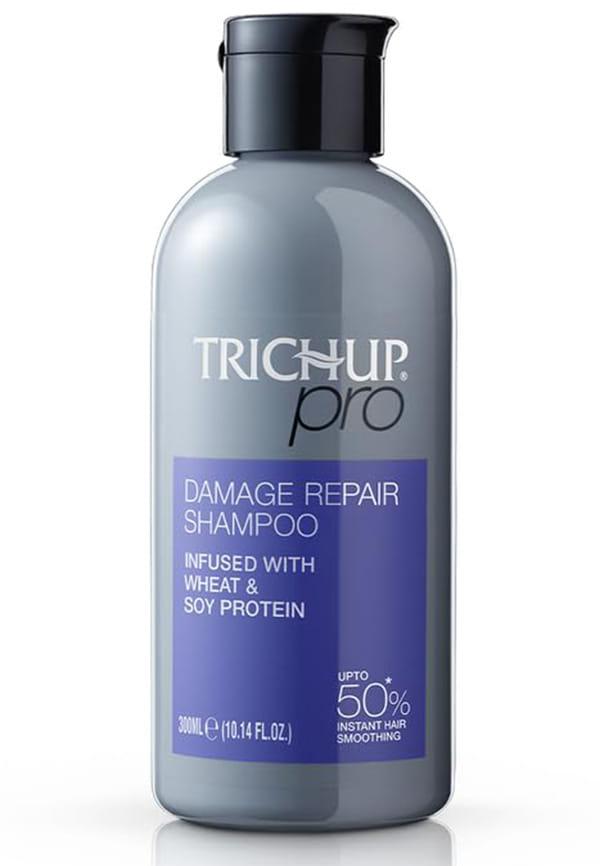 300 ml
Trichup Pro Damage Repair Shampoo for Dry Frizzy Hair Instant Dual Action
Your daily routine plays a huge role in healthy hair tips. In the morning, apply a leave-in conditioner or hair oil to the ends before styling. This creates a protective barrier against heat and environmental damage.
Evening routines matter too. Gently brush your hair with a natural bristle brush to distribute oils from your scalp down to the ends. If your hair is particularly dry, apply a tiny amount of oil to the ends before bed.
Creating a solid hair care routine for split-prone hair means being strategic about every step. Weekly deep conditioning should be non-negotiable – choose masks with proteins for strength or oils for moisture, depending on what your hair needs most. If your hair feels stretchy when wet, it needs protein. If it feels dry and brittle, focus on moisture.
Product selection is crucial for dry hair remedies. Look for shampoos that cleanse without stripping, and always follow with conditioner. If your hair is particularly damaged, consider co-washing (using conditioner instead of shampoo) once or twice a week to maintain moisture levels.
Washing frequency depends on your hair type and lifestyle, but damaged hair generally benefits from less frequent washing. Over-washing strips natural oils that help protect the hair shaft. When you do wash, focus shampoo on the scalp and let it rinse through the lengths – the ends don't need aggressive cleansing.
This is where platforms like Smytten become incredibly valuable. With access to trial packs from over 1,500 trusted brands, you can experiment with different best products for split ends without committing to full-size purchases. Whether it's trying a new protein mask or testing a leave-in treatment, you can discover what works for your specific hair needs through curated trial packs.
When shopping for hair breakage solutions, ingredients matter. Look for keratin, hydrolysed proteins, ceramides, and natural oils like argan or jojoba. These ingredients help rebuild and protect the hair structure.
Avoid products with high alcohol content, especially denatured alcohol, which can be incredibly drying. Sulphates can also be too harsh for damaged hair, though some people tolerate them fine. The key is knowing your hair's specific needs and sensitivities.
Long-term hair health goes beyond just products and treatments. Nutrition plays a massive role in hair strength – proteins, vitamins, and minerals all contribute to healthy hair growth. If you're consistently dealing with breakage despite good hair care, it might be worth looking at your diet or speaking to a healthcare provider about potential deficiencies.
Seasonal adjustments are important too. Winter air is drier, so you might need richer treatments during colder months. Summer brings sun exposure and chlorine from swimming, requiring different protective strategies. Adapting your routine to environmental changes helps maintain consistent hair health year-round.
Professional maintenance doesn't just mean regular trims. Consider scheduling deep conditioning treatments or protein treatments with your stylist every few months, especially if you regularly colour or chemically process your hair. Think of it as preventive maintenance rather than damage control.
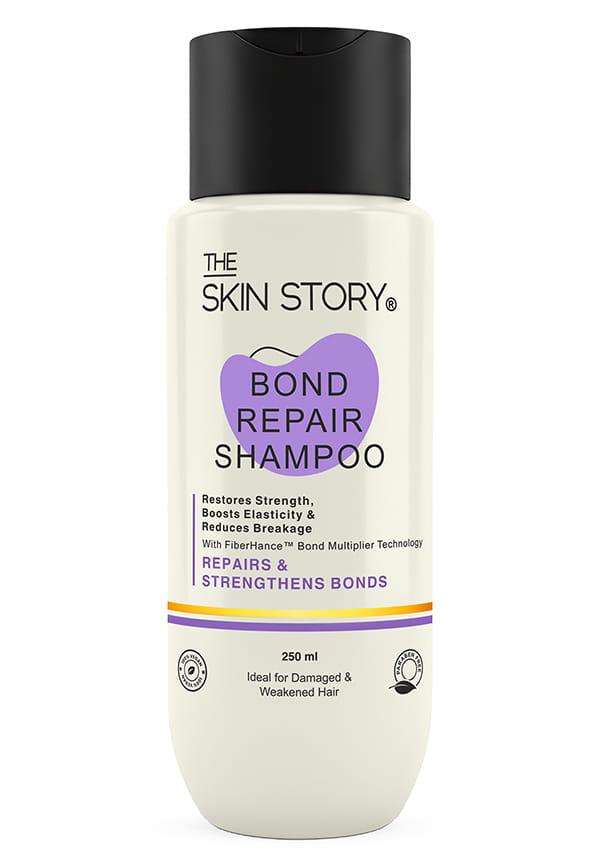 250 ml
Professional Bond Repair Shampoo For Damaged Hair
The honest answer is no – once hair is split, the only permanent solution is cutting it off. However, treatments can temporarily seal splits and prevent them from getting worse. Products with polymers or proteins can make splits less visible and prevent further damage, but they won't actually repair the structural damage.
Prevention is your best bet for split end prevention. Use heat protection religiously, get regular trims, sleep on silk pillowcases, and handle wet hair gently. A consistent routine with the right products for your hair type makes the biggest difference long-term.
For quick fixes, try a protein mask or split-end serum. These won't permanently repair damage but can improve appearance within hours. For longer-term improvement, consistent deep conditioning and gentle handling are key. Most hair repair tips show results within 2-4 weeks of consistent use.
Most hair professionals recommend trims every 6-8 weeks, but it depends on your hair's condition and how quickly it grows. If you're seeing splits within a few weeks of trimming, you might need more frequent cuts or better prevention strategies.
Not necessarily. Some budget-friendly products work just as well as expensive ones – it's more about finding the right ingredients for your hair type. This is where trial packs become invaluable, letting you test products without the financial commitment of full-size purchases.
Dealing with split ends doesn't have to be a constant battle. With the right combination of treatments, prevention strategies, and consistent care, you can significantly improve your hair's health and appearance. Remember, the most effective approach combines professional treatments with a solid at-home routine tailored to your specific needs.
The key is finding products and techniques that work for your unique hair type and lifestyle. Smytten's platform makes this discovery process much easier and more affordable. With trial packs from trusted brands, you can experiment with different solutions for split ends until you find your perfect routine. After all, why settle for damaged hair when you can try different treatments and find what actually works for you?
