How to Do a DIY Hair Porosity Test at Home


 1 Unit
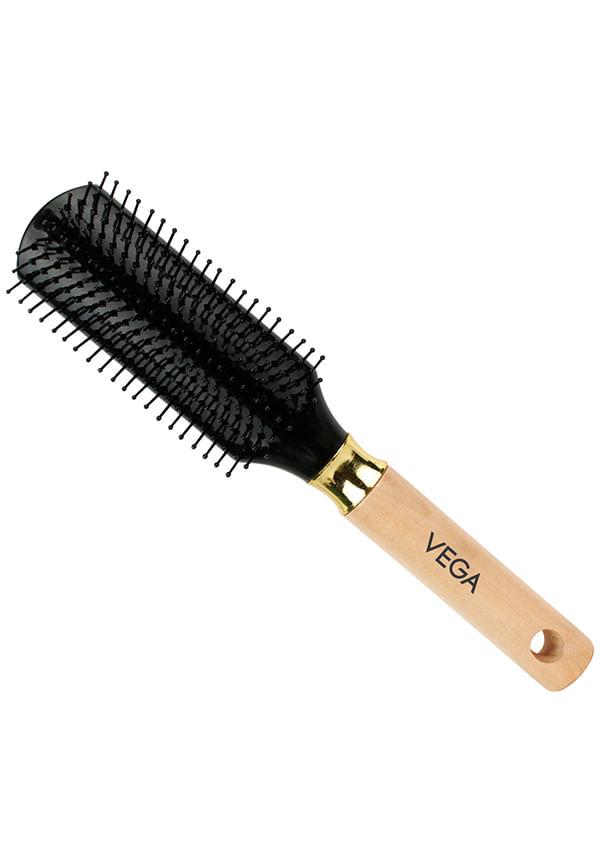
Flat Hair Brushfor Women and Men, Regular Hair Brush (E1-FB)
Ever wondered why some products work magic on your friend's hair but leave yours looking meh? The secret might be hiding in your hair's porosity level. Understanding your hair porosity is like having a cheat code for your haircare routine—it tells you exactly how your strands absorb and hold onto moisture. The good news? You don't need fancy salon equipment to figure this out. A simple DIY hair porosity test using stuff you already have at home can unlock the mystery of your hair type. Let's dive into everything you need to know about testing your hair's porosity and what those results actually mean for your daily routine.
Think of hair porosity as your hair's ability to let moisture in and out. It's all about the cuticle—that outer layer of your hair shaft that looks like tiny overlapping scales under a microscope. When these scales lie flat and tight, you've got low porosity hair that's pretty selective about what it lets in. When they're raised or damaged, you're dealing with high porosity hair that's basically a moisture sponge.
There are three main hair porosity types that most people fall into. Low porosity hair has tightly closed cuticles that resist moisture—think of it as your hair being a bit standoffish with new products. Medium porosity hair strikes the perfect balance, with cuticles that open and close just enough to maintain healthy moisture levels. High porosity hair has cuticles that are either naturally more open or have been damaged by heat, chemicals, or environmental factors, making them super thirsty for moisture but terrible at holding onto it.
Your genetics play a huge role in determining your natural porosity level, but that's not the whole story. Chemical treatments like colouring, perming, or relaxing can increase porosity by lifting those cuticle scales. Heat styling without protection, sun exposure, and even rough handling can gradually make your hair more porous over time.
Let's clear up some confusion: thick hair isn't automatically low porosity, and fine hair isn't always high porosity. Porosity is about cuticle structure, not hair thickness. Also, having frizzy hair doesn't automatically mean you have high porosity—humidity reactions can happen with any porosity type.
Ready to test hair porosity with the most popular method? The water float test is ridiculously simple and surprisingly accurate. This porosity test has been around forever because it actually works—no fancy equipment needed, just a glass of water and a few clean hair strands.
Here's exactly how to test hair porosity using this method. Start by collecting a few strands of clean, product-free hair—ideally from your brush or after washing when there's no styling product residue. Fill a clear glass with room temperature water and gently place the hair strands on the surface. Now comes the waiting game.
After about 2-4 minutes, check where your hair has ended up. If it's still floating on top like it's refusing to get wet, you've got low porosity hair. Hair that slowly sinks to the middle suggests medium porosity—the Goldilocks zone of hair types. Strands that sink straight to the bottom are telling you you've got high porosity hair that's basically a moisture magnet.
 50 gm
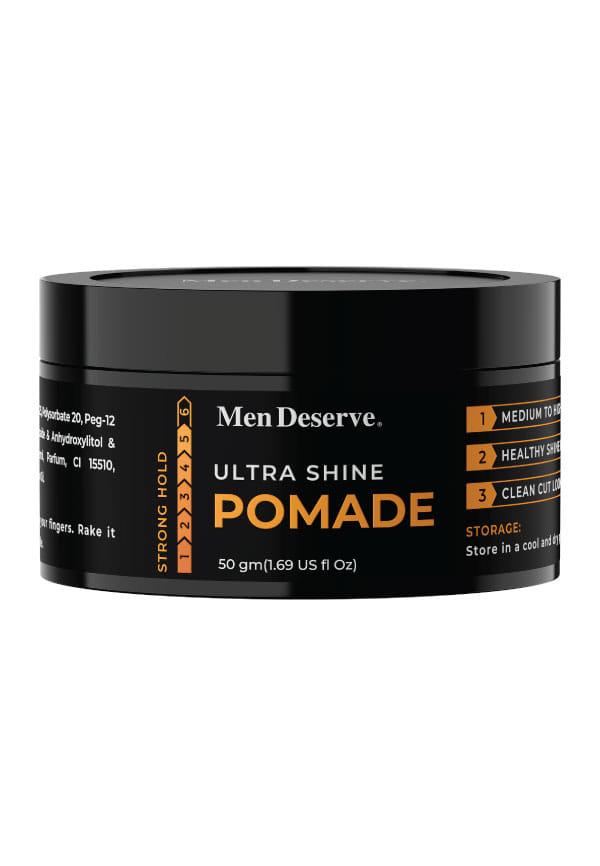
50 gmHair Styling Ultra Shine Pomade for Strong Hold and Wet Look Hairstyle
Sometimes this test can be a bit finicky. If your hair seems to be doing weird things, make sure it's completely clean—any leftover conditioner or styling products can mess with the results. Also, damaged ends might behave differently from your roots, so try testing hair from different sections of your head.
While the water test is brilliant, it's not the only way to figure out your hair's porosity. These alternative methods can give you a more complete picture of what's going on with your strands.
This one's all about texture. Take a single strand of clean hair and run your fingers from the tip towards the root. If it feels smooth, you're likely dealing with low porosity. A slightly bumpy texture suggests medium porosity, while a really rough, bumpy feel indicates high porosity hair.
Grab a spray bottle filled with water and mist a small section of clean, dry hair. Watch how your hair reacts. Low porosity hair will have water beads sitting on top for ages, medium porosity hair will absorb the water gradually, and high porosity hair will soak it up almost instantly.
Pay attention to how your hair behaves with leave-in treatments. If products tend to sit on your hair without absorbing, creating buildup, you probably have low porosity hair. If your hair drinks up products but still feels dry shortly after, you're likely dealing with high porosity.
Now that you've done your DIY hair porosity test, let's decode what those results actually mean for your daily haircare routine. Each porosity type comes with its own set of characteristics and challenges.
 1 Unit
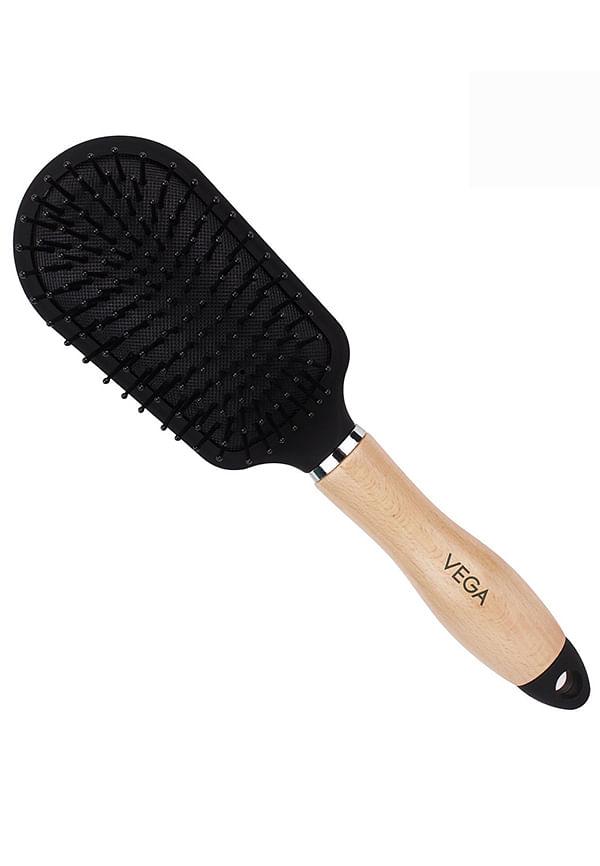
Cushioned Hair Brushfor Men & Women, All Hair Types (H3-CB)
Low porosity hair is basically the introvert of hair types—it takes forever to get wet in the shower and even longer to dry completely. You might notice that products tend to sit on your hair rather than absorbing, leading to that dreaded buildup feeling. Heat styling can actually be your friend here, as it helps open those stubborn cuticles to let moisture in.
Consider yourself lucky if you've got medium porosity hair—it's the easiest to manage. Your hair accepts moisture readily but doesn't lose it too quickly. You can probably use a wider range of products without major issues, and your hair likely holds styles well without being too fussy.
High porosity hair is the overachiever that tries too hard—it absorbs moisture super quickly but loses it just as fast. You might notice your hair dries rapidly after washing but feels parched again within hours. Frizz and tangles are common struggles, and your hair might feel rough or straw-like when damaged.
Here's where the magic happens—tailoring your hair care routine to work with your porosity type instead of against it. Think of it as speaking your hair's love language.
Your low porosity hair needs a bit of convincing to accept moisture. Lightweight, water-based products work better than heavy creams that'll just sit on top. Try using heat when applying deep treatments—a warm towel or even sitting under a hooded dryer can help open those cuticles. Regular clarifying treatments are crucial to prevent product buildup that can make your hair feel weighed down.
Your mission with high porosity hair is moisture retention. Heavy creams, butters, and oils are your best friends—they help seal those open cuticles and lock in hydration. Protein treatments can help fill in gaps in damaged cuticles, but don't overdo it or your hair might become brittle. Consider protective styling to minimise further damage.
You've hit the hair lottery with medium porosity, but don't get complacent. A balanced approach works best—alternate between moisturising and protein treatments based on what your hair needs. Seasonal changes might require slight adjustments to your routine.
 50 gm
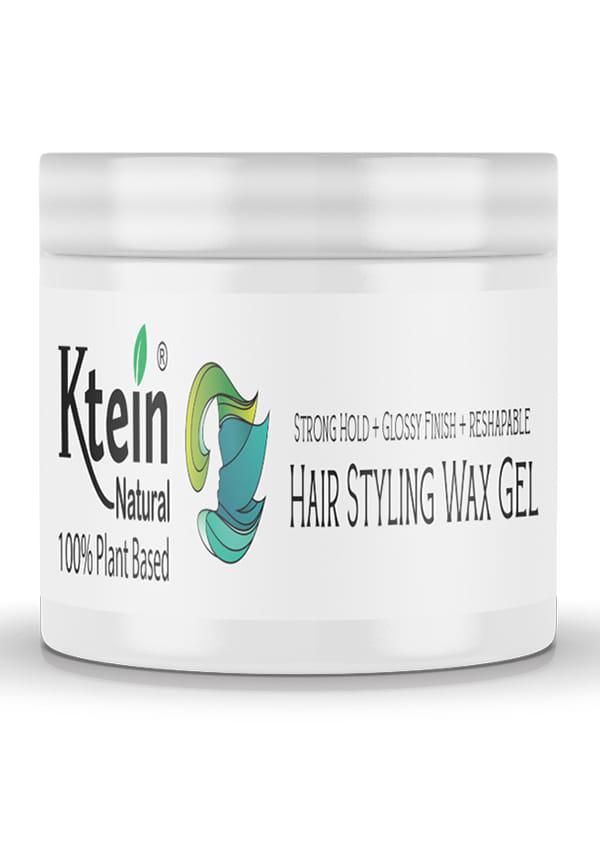
50 gmHair Styling Wax Gel 100% Plant Based Strong Hold Glossy Finish Reshapable for Men & Women
This is where platforms like Smytten become incredibly valuable for your hair health journey. Instead of committing to full-size products that might not work for your specific porosity type, you can try mini versions from trusted brands. With over 1,500 brands available and the ability to get up to 8 minis for just ₹249, you can experiment with different formulations until you find your perfect match.
Your natural porosity doesn't change much, but damage from heat styling, chemical treatments, or environmental factors can alter it over time. Test every 6-12 months or after major chemical processes like colouring or relaxing.
While your natural porosity is largely genetic, external factors can increase porosity. Heat damage, chemical processing, and even sun exposure can make hair more porous over time. However, you can't really decrease porosity once it's been damaged.
This is actually pretty common! Different sections of your hair might have different porosity levels, especially if you have damage or chemical processing. Focus on the results from your healthiest hair sections for your baseline routine.
Not necessarily. While high porosity hair is more prone to frizz due to moisture imbalances, low porosity hair can also frizz when products build up on the surface or when humidity affects the hair shaft.
Absolutely. Low porosity hair benefits from lightweight, penetrating products, while high porosity hair needs heavier, sealing formulations. Medium porosity hair can handle a wider range of products.
Understanding your hair's porosity through a simple DIY hair porosity test is honestly a game-changer for your haircare routine. Whether you discover you have moisture-resistant low porosity hair or thirsty high porosity strands, knowing your type helps you choose products and techniques that actually work with your hair's natural tendencies.
The beauty of these tests is that they're completely free and can be done with items you already have at home. Start with the water float test for a quick assessment, then try the other methods to get a complete picture of your hair's behaviour. Remember, your porosity type isn't good or bad—it's just information that helps you make better choices.
With Smytten's trial platform, you can put your newfound porosity knowledge to work without the financial risk. Try different formulations designed for your specific hair type, discover what works best, and build a routine that keeps your hair healthy and happy. After all, why settle for products that might work when you can try them all and find the ones that definitely do?
