How to Cover Grey Hair at Home: Easy DIY Hair Color Guide

You know that moment when you catch your reflection and spot those silver strands peeking through? Whether it's your first few greys or they're becoming more noticeable, the urge to cover them at home is totally understandable. Let's be real—salon visits can be pricey and time-consuming, but achieving decent grey hair coverage from your bathroom is absolutely doable. The trick is knowing which method works for your hair type, having the right supplies, and following a proper technique that won't leave you with patchy results or damaged strands.
Grey hair coverage isn't a one-size-fits-all situation. Your hair's texture, the amount of grey you're dealing with, and how often you want to touch up all play into which approach will work best for you.
Permanent hair color gives you the most thorough coverage and lasts until your hair grows out. It's your go-to for stubborn greys that seem to resist everything else. Semi-permanent options are gentler and fade gradually over 4-6 weeks, making them perfect if you're nervous about commitment or want to test a shade. Color depositing shampoos and masks offer the subtlest approach—they gradually build up pigment with each wash, which is brilliant for blending early greys. Natural remedies like henna provide chemical-free coverage, though they come with their own set of rules and limitations.
If you're dealing with light grey scattered throughout, semi-permanent dyes or even tinted shampoos might be enough to blend them seamlessly. Medium to heavy grey coverage usually calls for permanent color with a higher developer volume to ensure the pigment penetrates properly. Stubborn, resistant grey hair—the kind that seems to bounce off regular dye—often needs pre-treatment or a stronger formula. Consider how often you're willing to maintain your color too; permanent dye means root touch-ups every 4-6 weeks, while natural methods might need weekly attention.
Having the right tools makes the difference between professional-looking results and a patchy mess. Don't try to wing it with random kitchen utensils—your hair deserves better than that.
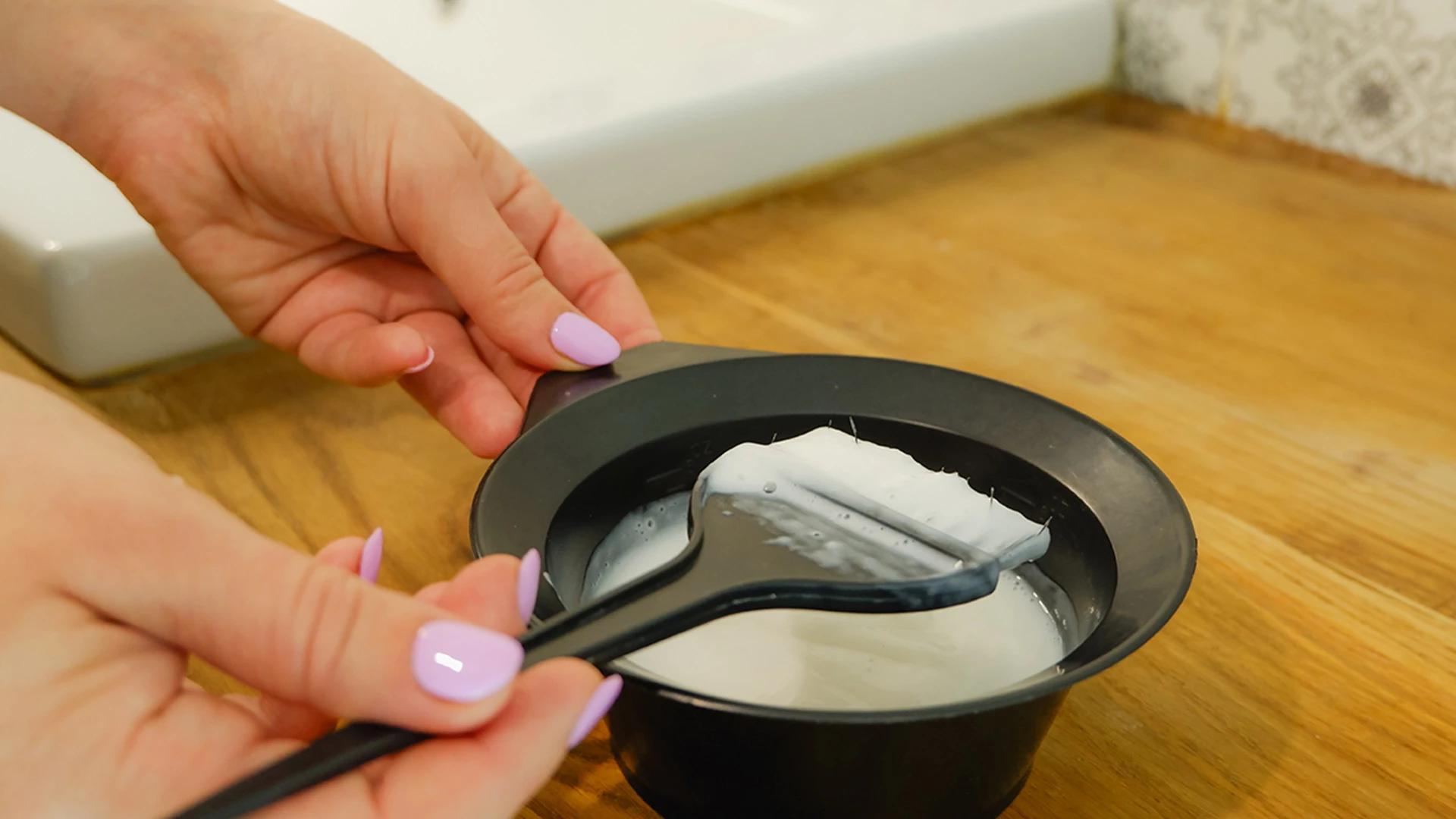
Invest in proper hair color brushes with different widths for sectioning and application. You'll need non-metallic mixing bowls (plastic or glass work perfectly), measuring cups for accurate ratios, and sectioning clips to keep your hair organised. Protective gear is non-negotiable: gloves, an old shirt or cape, and petroleum jelly to protect your hairline and ears. A timer is crucial because guessing processing time is how you end up with fried hair or patchy coverage.
Permanent hair color penetrates the hair shaft and provides lasting coverage, making it ideal for significant grey coverage. Semi-permanent formulas coat the hair without lifting the cuticle, so they're gentler but less effective on resistant greys. Look for PPD-free options if you have sensitive skin, and consider vegan formulas that skip harsh chemicals. Color matching is crucial—choose a shade one level lighter than your desired result, as grey hair tends to grab color more intensely. For developer strength, 20 volume works for most situations, while 27 volume is better for stubborn greys that refuse to cooperate.
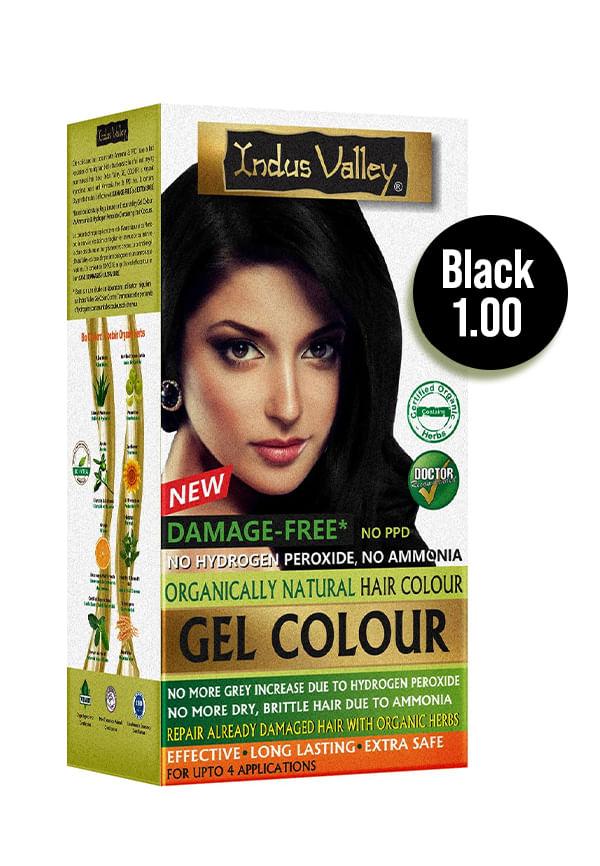
Indus Valley Organically Natural Gel Hair Colour
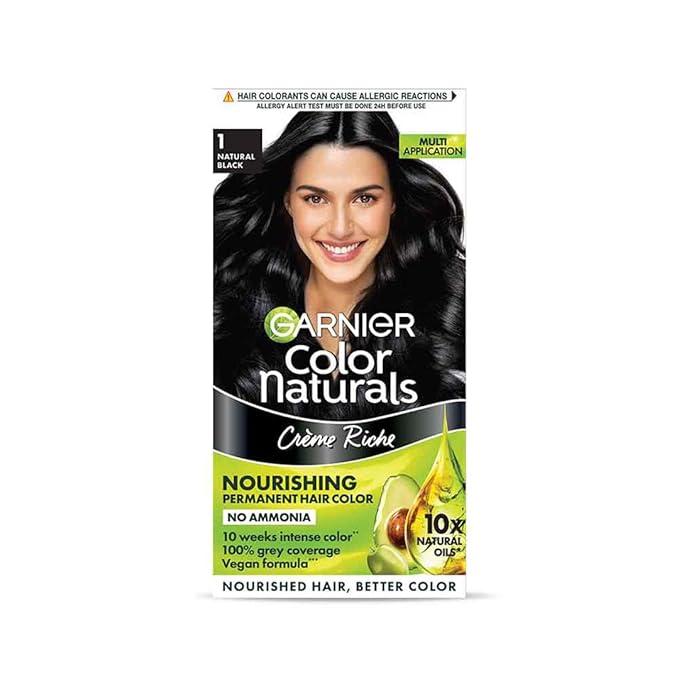
If you’re looking for a simple at-home option for dark, natural-looking grey coverage, Garnier Color Naturals Crème Hair Color in Shade 1 Natural Black is worth considering. It’s made for those who want a rich black finish without making the whole colouring process feel too intimidating.
What makes it a handy pick is its no-ammonia formula and blend of natural oils that help keep the hair feeling softer after colouring. The crème texture also makes application easier, especially when you’re focusing on roots, temples, or visible grey patches. It works well for anyone who wants 100% grey coverage with a shade that blends naturally into black hair.
Just make sure you follow the instructions properly and do a patch test before applying, especially if you’re colouring at home for the first time. For best results, section your hair neatly, apply the colour where greys are most visible first, and rinse only after the recommended processing time.
Proper technique separates amateur hour from salon-worthy results. Take your time with each step—rushing through the process usually leads to uneven coverage and regret.
Always do a patch test 48 hours before coloring, even if you've used the product before. Apply a small amount behind your ear and watch for any irritation. Assess your hair's condition—if it's damaged or overly dry, consider a protein treatment a week before coloring. Section your hair into four quadrants using clips, and protect your workspace with old towels or plastic sheeting. Apply petroleum jelly around your hairline, ears, and neck to prevent staining.
Start at the back of your head where greys are usually most stubborn. Apply color to roots first, working in small sections about half an inch wide. Use the brush to saturate each section thoroughly, then comb through to ensure even distribution. Pay extra attention to areas where greys cluster—usually around the temples and crown. Work systematically from back to front, keeping track of your timing. The cross-checking technique involves lifting random sections to ensure you haven't missed any spots.
For resistant greys, gentle heat from a blow dryer can help the color penetrate better. Follow the manufacturer's timing guidelines, but check progress every 10 minutes. When it's time to rinse, use lukewarm water and rinse until the water runs clear. Follow up with the included conditioner or a deep conditioning treatment to restore moisture and seal the color.
If you prefer chemical-free alternatives, natural methods can provide subtle grey coverage, though they require more patience and frequent applications.
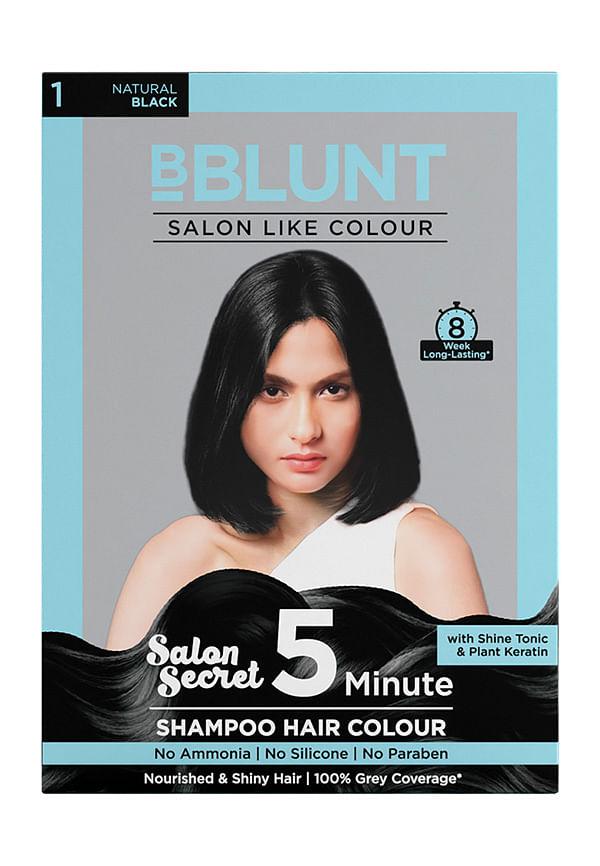
Natural Black 5 Minute Shampoo Hair Colour for 100% Grey Coverage
Pure henna creates reddish tones, but mixing it with indigo can achieve darker shades. Prepare henna by mixing the powder with strong black tea or coffee instead of water for deeper color. The paste should be thick like yogurt and needs to sit for several hours to release the dye. Apply generously to clean, damp hair, working in sections. Wrap your head in plastic and leave for 2-4 hours depending on desired intensity. Natural dyes build up over time, so expect gradual results rather than dramatic change.
Coffee rinses can temporarily darken light greys—brew strong coffee, let it cool, and pour over clean hair as a final rinse. Sage tea works similarly for darker hair tones. These methods provide subtle darkening that washes out gradually. Color-depositing masks made with natural ingredients like walnut hulls or black tea offer gentle grey blending without harsh chemicals.
Small techniques make a huge difference in your final results. These insider tricks help you avoid common pitfalls and achieve more even coverage.
Section your hair horizontally rather than vertically for more thorough coverage. Start with the most resistant areas first—they need the longest processing time. For root touch-ups, apply color only to new growth, overlapping slightly with previously colored hair. Use a zig-zag parting pattern to blend the color naturally with your existing shade. Keep detailed notes about timing and products so you can replicate successful results.
Don't leave color on longer than recommended thinking it'll work better—over-processing leads to damage and uneven color. Avoid choosing a shade too dark; it's easier to go darker later than to lighten an overly dark result. Never apply color to dirty or product-laden hair, as it can block penetration. Skipping the strand test is another rookie mistake that can lead to unexpected results.
Consistent maintenance keeps your color looking fresh and prevents obvious regrowth lines that scream "DIY job."
Most people need root touch-ups every 4-6 weeks, depending on hair growth rate and grey density. Focus only on new growth rather than recoloring your entire head. Root touch-up products are specifically formulated for this purpose and often come in convenient applicator formats. Schedule touch-ups based on your hair growth pattern rather than waiting until greys become obvious.
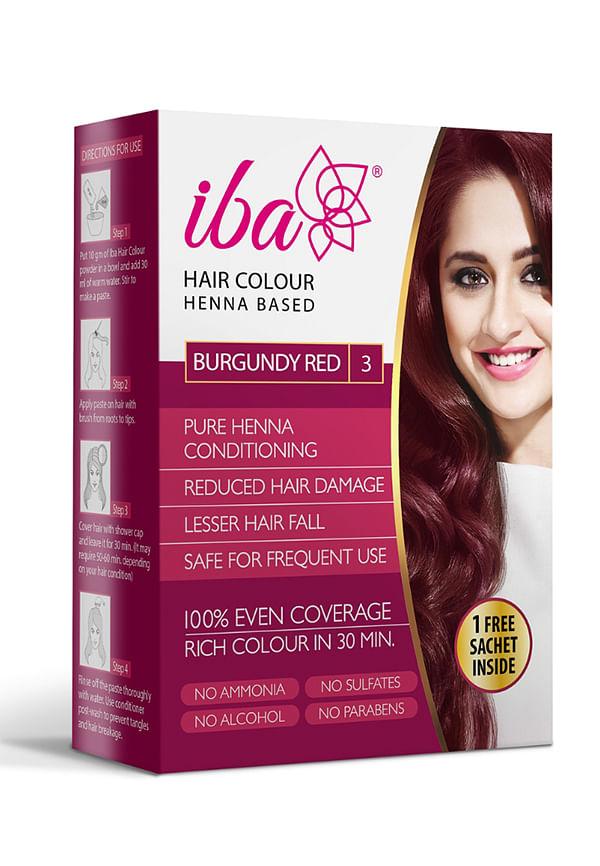
Hair Colour | 100% Pure Henna Based Powder Sachet
Sulfate-free shampoos help preserve color longer by avoiding harsh cleansing agents. Deep conditioning treatments once a week maintain hair health and color vibrancy. UV protection is crucial since colored hair fades faster in sunlight—look for leave-in products with SPF. Use cool water for washing and limit heat styling to prevent color fade and damage.
Start with semi-permanent color or root touch-up products designed for beginners. These are more forgiving than permanent dyes and allow you to practice technique without major commitment. Choose a shade close to your natural color for the most natural-looking results.
Permanent color lasts until your hair grows out, typically requiring touch-ups every 4-6 weeks. Semi-permanent options fade gradually over 4-8 washes. Natural methods like henna can last several months but fade more gradually than chemical dyes.
Absolutely. Semi-permanent dyes, color-depositing shampoos, natural henna, and even temporary root sprays can provide grey coverage without permanent commitment. These options are gentler on your hair but may require more frequent application.
Grey hair often has a resistant cuticle that doesn't absorb color easily. You might need a higher volume developer, longer processing time, or pre-treatment to open the cuticle. Some greys are naturally more stubborn and may require professional-strength products.
For permanent color, stick to root touch-ups every 4-6 weeks and full-head applications every 3-4 months maximum. Semi-permanent colors can be used more frequently since they're gentler. Always give your hair time to recover between coloring sessions.
Always consult your doctor first if you have scalp conditions or severe allergies. Look for PPD-free, ammonia-free formulas designed for sensitive skin. Natural options like henna might be gentler, but even these can cause reactions in some people.
Covering grey hair at home is totally achievable with the right approach and realistic expectations. Whether you choose permanent color for maximum coverage, semi-permanent for gentle blending, or natural methods for chemical-free results, success comes down to proper preparation, technique, and maintenance. Remember that grey hair coverage is a skill that improves with practice, so don't expect perfection on your first attempt.
The key is finding products that work with your hair type and lifestyle. Smytten's curated selection includes top haircare brands that offer various grey coverage solutions, from gentle color-depositing treatments to professional-grade home dyes. With cashback on purchases and India-wide delivery, you can explore different approaches to find your perfect grey coverage method. Not sure which format works for your hair? Smytten also offers trial-size versions of many of these products—a good way to test before committing to a full bottle.
