How to Control Oily Scalp with Natural Home Remedies
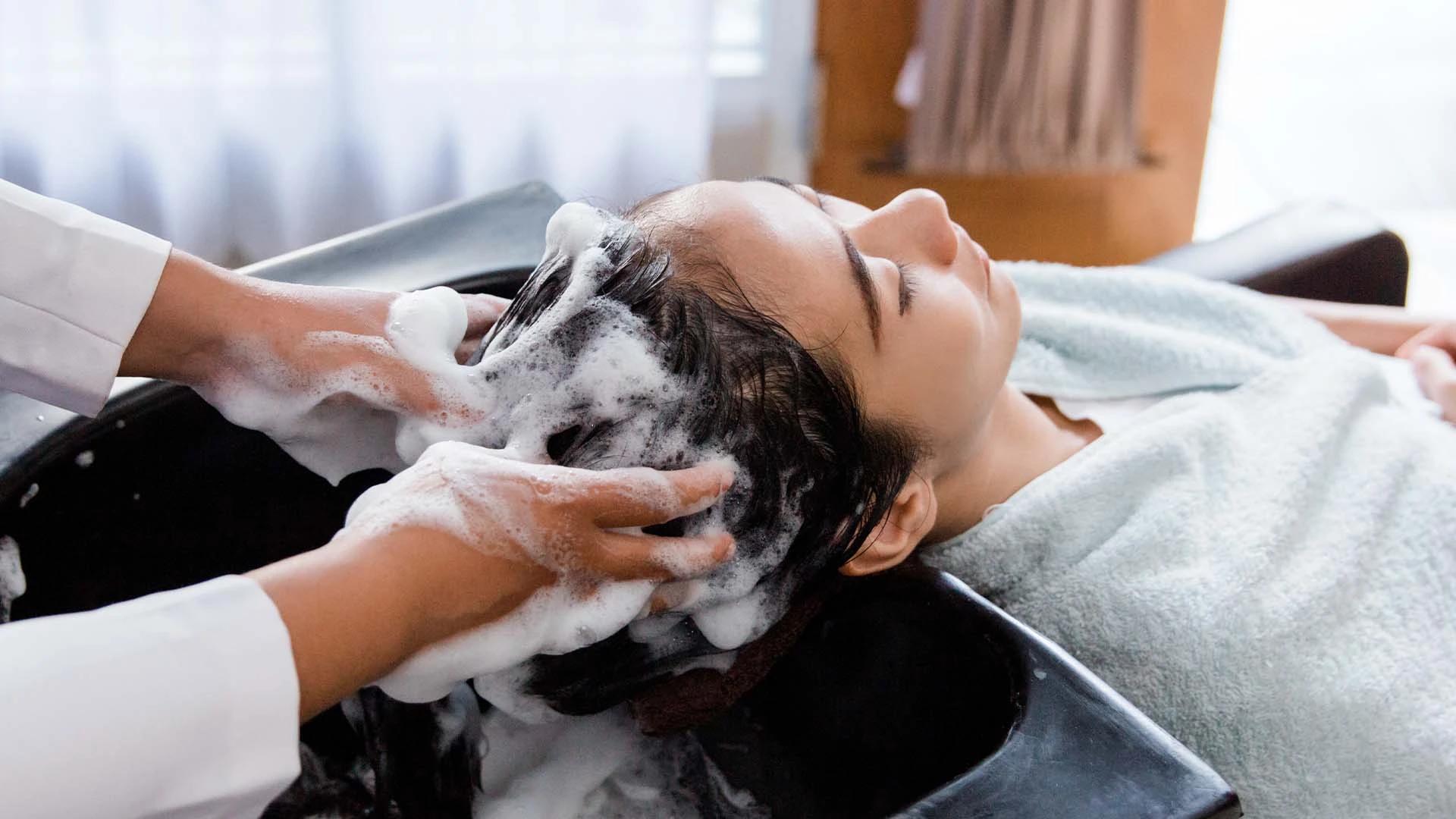

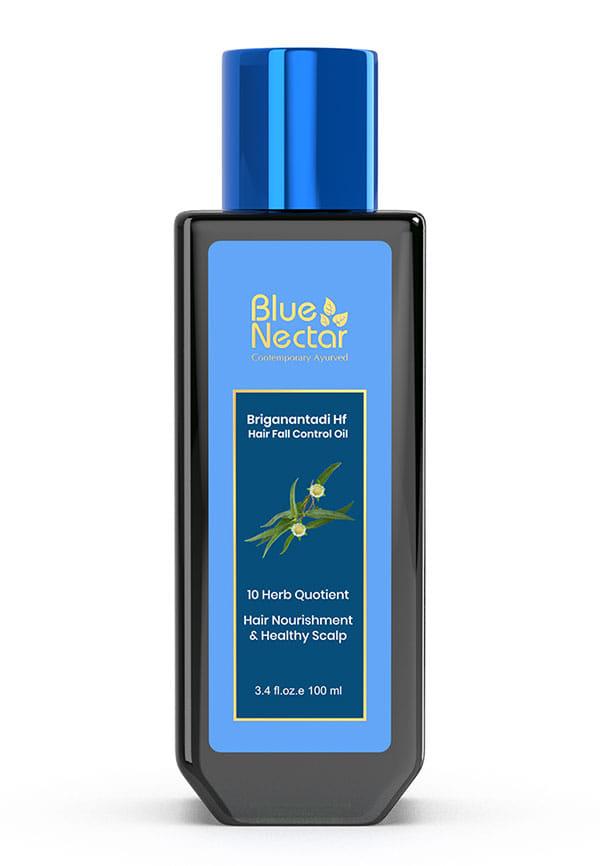
Briganantadi Hair Fall control and Healthy Scalp Hair Oil 10 Herbs
You know that feeling when you wash your hair in the morning, and by lunchtime it already looks like you dunked your head in a vat of oil? Yeah, we've all been there. That greasy, flat-to-your-scalp situation that makes you want to hide under a hat for the rest of the day. The thing is, an oily scalp doesn't have to rule your life. There are loads of natural remedies sitting right in your kitchen that can help you get back to fresh, balanced hair days. Let's dive into some proper oily scalp home remedies that actually work – no fancy salon treatments required.
Before we jump into solutions, let's talk about what's actually happening up there. Your scalp has these tiny oil factories called sebaceous glands that produce sebum – which is basically your hair's natural conditioner. When these glands go into overdrive, you end up with that slick, heavy feeling that no amount of dry shampoo seems to fix.
Several things can trigger excessive oil production. Hormones are often the main culprit – think puberty, periods, pregnancy, or even stress. Your genetics also play a role, so if your mum or dad dealt with oily hair, chances are you might too. Sometimes it's environmental factors like humidity, or even overwashing your hair, which strips away natural oils and causes your scalp to produce even more to compensate.
The brilliant thing about natural remedies for oily scalp is that they work with your scalp's natural balance rather than against it. Unlike harsh chemical treatments that can leave your scalp feeling stripped and confused, gentle home remedies help regulate oil production without causing that rebound effect where your hair gets even greasier the next day.
Right, let's get into the good stuff. These oily scalp treatment options use ingredients you probably already have at home, and they're gentle enough to use regularly without damaging your hair or scalp.
This one's a proper game-changer. Apple cider vinegar helps restore your scalp's natural pH balance, which can get thrown off by product buildup and environmental factors. Mix one to two tablespoons of raw, unfiltered apple cider vinegar with a cup of cool water. After shampooing, pour this mixture over your scalp, massage gently, and rinse thoroughly. The acetic acid in ACV helps break down oil and product buildup whilst being gentle enough for regular use.
Tea tree oil is like that friend who tells it like it is – it gets straight to work on excess oil and bacteria. Add three to four drops to your regular shampoo, or mix it with a carrier oil like jojoba for a pre-wash treatment. Its antibacterial properties help keep your scalp clean whilst regulating oil production. Just remember to always dilute it properly – pure tea tree oil can be quite strong on its own.
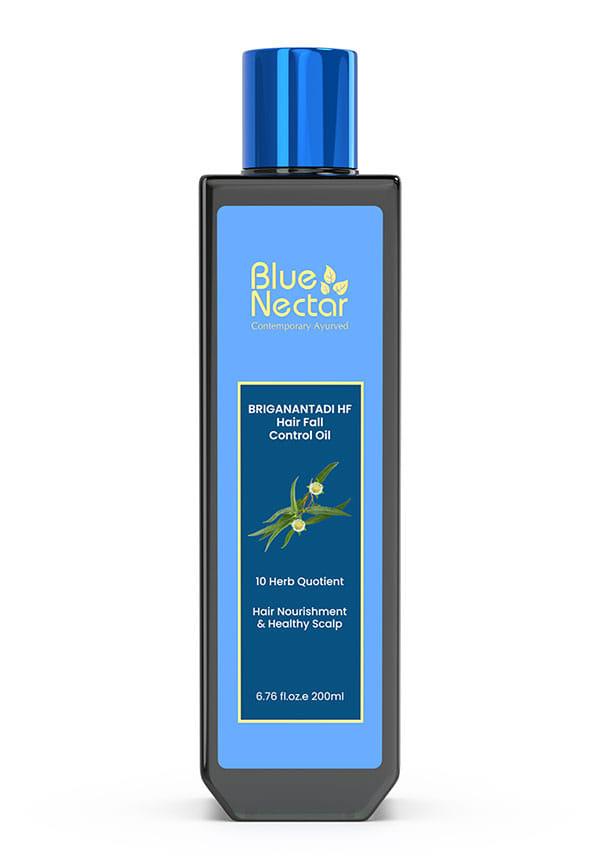
Briganantadi Hair Fall control and Healthy Scalp Hair Oil 10 Herbs
Aloe vera is brilliant for soothing an irritated scalp whilst gently controlling oil production. Apply fresh aloe vera gel directly to your scalp, leave it for 15-20 minutes, then rinse with cool water before shampooing. It's particularly good if you have a sensitive scalp that reacts badly to stronger treatments. The natural enzymes in aloe help break down excess oils without being harsh.
Brew a strong cup of green tea, let it cool completely, then use it as a final rinse after washing your hair. The antioxidants in green tea help regulate sebum production whilst protecting your scalp from environmental damage. Plus, it leaves your hair with a lovely, subtle shine without any greasy residue.
Lemon juice works as a natural astringent, helping to cut through oil and remove buildup. Mix the juice of half a lemon with a cup of water and use as a rinse before shampooing. The citric acid helps balance your scalp's pH whilst the natural oils in lemon peel provide gentle conditioning. Just be careful not to use this too often, as lemon can be drying if overused.
Bentonite or kaolin clay masks are fantastic for drawing out excess oil from your scalp. Mix two tablespoons of clay with enough water to form a paste, apply to your scalp, and leave for 10-15 minutes before rinsing thoroughly. Use this treatment once a week maximum – clay is powerful stuff and you don't want to overdo it.
Having a solid routine is just as important as knowing which treatments to use. The key is finding that sweet spot where you're controlling oil without triggering your scalp to produce even more.
This might sound counterintuitive, but washing your hair every single day can actually make oily scalp worse. When you strip away all the natural oils, your scalp panics and starts producing even more. Try washing every other day, or even every two days if you can manage it. Use dry shampoo on the in-between days to absorb excess oil at the roots.
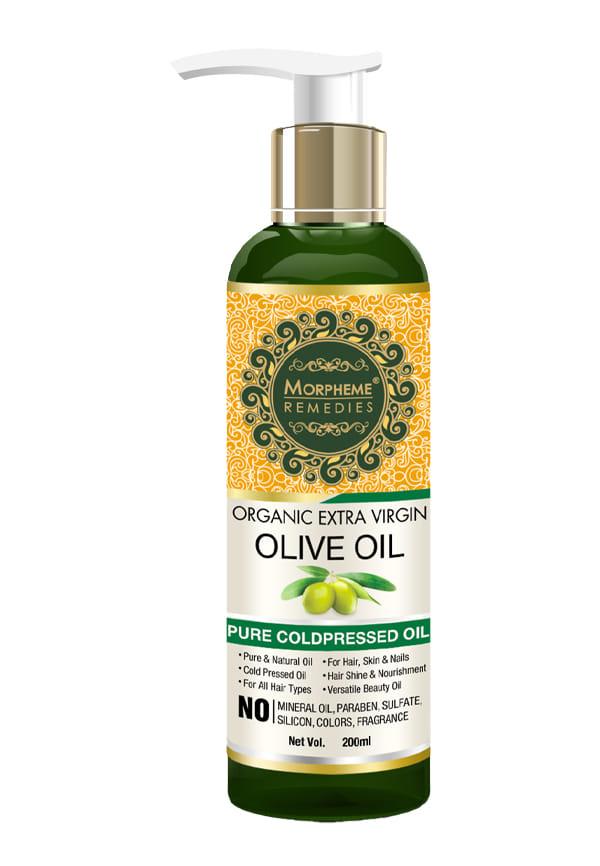
Remedies Organic Extra Virgin Olive Oil Pure Coldpressed Oil For Hair & Skin
Look for shampoos that are specifically formulated for oily hair, but avoid anything too harsh. Sulfate-free formulas are gentler on your scalp whilst still providing effective cleansing. Ingredients like salicylic acid, zinc, or charcoal can help control oil without overdrying. When conditioning, focus only on the mid-lengths and ends of your hair – keeping conditioner away from your roots prevents additional oil buildup.
How you handle your hair day-to-day can make a massive difference in oil control. Avoid touching your hair throughout the day – your hands transfer oils and dirt that can make greasiness worse. When brushing, use a boar bristle brush which helps distribute oils evenly rather than concentrating them at the roots. Try to limit heat styling, as this can stimulate oil production and damage your hair's natural protective barrier.
Sometimes the best oily scalp solutions come from looking at the bigger picture. What you eat, how you sleep, and even how you manage stress can all impact oil production.
Diet plays a bigger role than you might think. Foods high in refined sugars and dairy can trigger increased oil production in some people. Try incorporating more omega-3 rich foods like salmon, walnuts, and flaxseeds, which help regulate oil production from the inside out. Staying properly hydrated also helps maintain your scalp's natural balance.
Your pillowcase might be sabotaging your efforts too. Swap cotton pillowcases for silk or satin ones, which are less absorbent and won't strip your hair of its natural oils overnight. This prevents that rebound oil production that can happen whilst you sleep.
We've all had those moments when our hair decides to have an oil crisis at the worst possible time. Here are some rapid solutions to reduce scalp oil when you're in a pinch.
Dry shampoo is your best friend, but technique matters. Spray it onto your roots from about six inches away, let it sit for a few minutes to absorb the oil, then massage it in with your fingertips and brush out any residue. For an emergency DIY version, a light dusting of cornstarch or baby powder can work wonders – just make sure to work it in thoroughly so you don't end up with white patches.
If you're completely out of dry shampoo, try blotting your roots with a clean tissue or even a coffee filter. These materials are designed to absorb oils and can provide temporary relief until you can wash your hair properly.
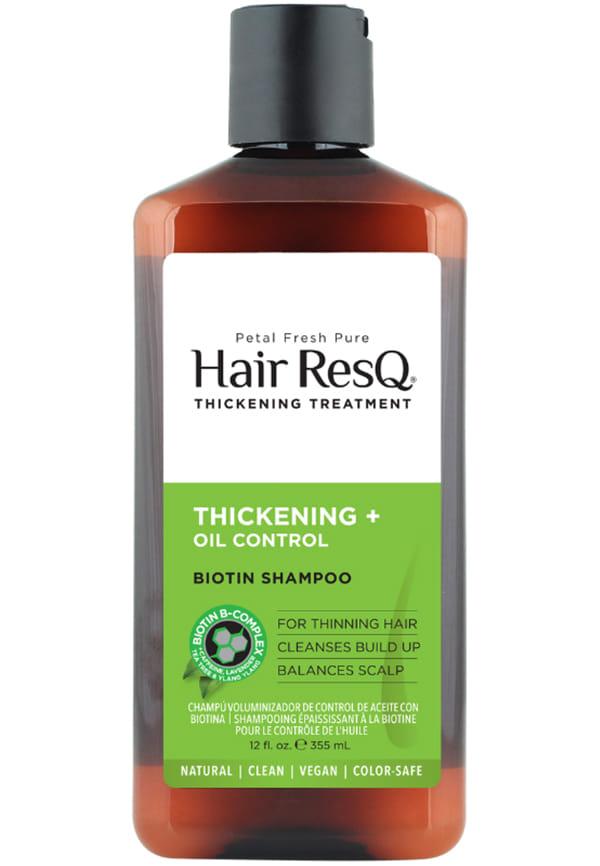
Hair ResQ Thickening Shampoo Oil Control
While home remedies for greasy hair work brilliantly for most people, sometimes you need to call in the professionals. If your oily scalp is accompanied by intense itching, flaking, or hair loss, it might be worth chatting with a dermatologist. Conditions like seborrheic dermatitis can mimic simple oily scalp but require different treatment approaches.
Also, if you've been consistently using natural treatments for several months without seeing improvement, a professional can help identify any underlying issues that might be contributing to excess oil production.
Most natural treatments can be used 2-3 times per week, but it depends on the remedy. Gentle options like aloe vera or green tea rinses can be used more frequently, whilst stronger treatments like clay masks should be limited to once weekly. Start slowly and see how your scalp responds.
Absolutely, but don't go overboard. Try one new remedy at a time so you can see what works for your hair. Once you know which treatments your scalp likes, you can rotate them or even combine gentle ones like aloe vera with tea tree oil.
Most people notice some improvement within 2-4 weeks of consistent use. Your hair goes through natural cycles, so give any new routine at least a month before deciding if it's working. Some people see changes sooner, whilst others need a bit more patience.
Most natural remedies are gentle enough for colour-treated hair, but be extra cautious with acidic treatments like lemon juice or apple cider vinegar, which can potentially fade colour faster. Always do a patch test first and consider using these treatments less frequently if you have recently coloured hair.
Managing an oily scalp doesn't have to be complicated or expensive. These natural remedies work because they address the root causes of excess oil production rather than just masking the symptoms. The key is consistency and patience – your scalp needs time to adjust to new routines and find its natural balance.
Remember, what works for your friend might not work for you, and that's completely normal. Everyone's scalp is different, so don't be afraid to experiment with different combinations until you find your perfect routine. With the right approach, those greasy hair days can become a thing of the past.
If you're looking to explore professional-grade products alongside your natural routine, Smytten offers curated selections from trusted haircare brands. Not sure which format works for your hair? Smytten also offers trial-size versions of many scalp-balancing products – a good way to check before committing to a full bottle.
