How to Control Oily Scalp: Effective Treatments & Remedies


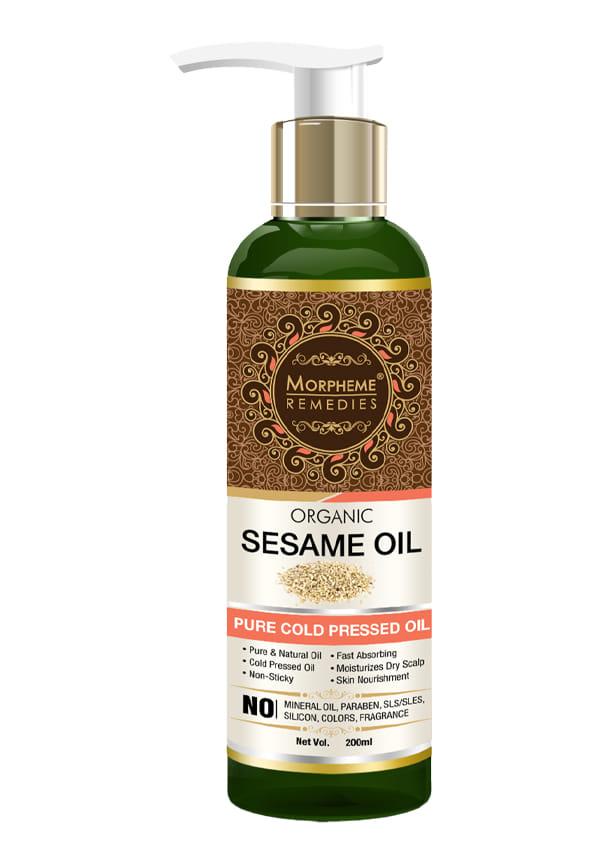
Remedies Organic Sesame Oil (Pure Coldpressed Oil) For Hair, Body, Skin Care, Massage
You know that feeling when you wash your hair in the morning, and by lunchtime it already looks like you haven't shampooed in days? That greasy, flat-to-your-head situation that makes you want to throw on a hat and call it a day. If this sounds like your daily struggle, you're definitely not alone. An oily scalp can feel like a never-ending battle, but here's the thing—it's totally manageable once you understand what's actually happening up there and how to control oily scalp effectively.
Let's get real about oily scalp causes first. Your scalp has these tiny oil factories called sebaceous glands, and sometimes they get a bit too enthusiastic about their job. When these glands produce excess sebum (that's the fancy name for scalp oil), you end up with that greasy situation we all know and hate.
Genetics play a huge role here—if your parents dealt with oily hair, chances are you've inherited those overactive oil glands. But it's not just about what you got from mum and dad. Hormonal changes, especially during puberty, pregnancy, or even your monthly cycle, can send your sebaceous glands into overdrive. Stress is another major culprit that messes with your hormone levels and triggers more oil production.
Your diet matters more than you might think too. Foods high in sugar and processed ingredients can spike your insulin levels, which then tells your oil glands to work harder. Even the weather plays a part—humidity can make your scalp produce more oil as a response to environmental changes.
Here's something that might surprise you: over-washing your hair can actually make the problem worse. When you strip away all the natural oils too frequently, your scalp panics and produces even more oil to compensate. It's like your scalp is saying, "Help! I need more oil!" and goes into emergency production mode.
Finding the best shampoo for oily scalp isn't about grabbing the strongest clarifying formula you can find. It's about choosing ingredients that provide effective scalp oil control without completely stripping your scalp bare.
Salicylic acid is your best friend for oily scalp treatment. This beta-hydroxy acid penetrates deep into your pores and helps dissolve the excess oil and buildup that's weighing your hair down. It's gentle enough for regular use but powerful enough to make a real difference.
Tea tree oil is another game-changer. It has natural antimicrobial properties that help keep your scalp clean and balanced. Plus, it gives you that tingly, fresh feeling that lets you know it's working. Just make sure you're not sensitive to it before diving in.
Zinc PCA is a lesser-known but incredibly effective ingredient for scalp sebum control. It helps regulate oil production at the source, rather than just washing away what's already there. Look for shampoos that list this ingredient—it's worth seeking out.
Charcoal-based shampoos work like magnets for excess oil and impurities. They're particularly good if you live in a polluted city or use a lot of styling products. The charcoal literally absorbs the gunk that regular shampoos might leave behind.
When it comes to sulfates, it's a bit of a balancing act. While sulfate-free formulas are gentler, sometimes oily scalps need that extra cleansing power. The key is finding a shampoo that cleanses effectively without being too harsh. You might need a clarifying shampoo once or twice a week, with a gentler formula for other wash days.
Getting your washing routine right is crucial for learning how to reduce oily scalp effectively. The biggest mistake most people make is washing their hair every single day. While it might seem logical to wash away the oil as soon as it appears, this actually trains your scalp to produce more oil.
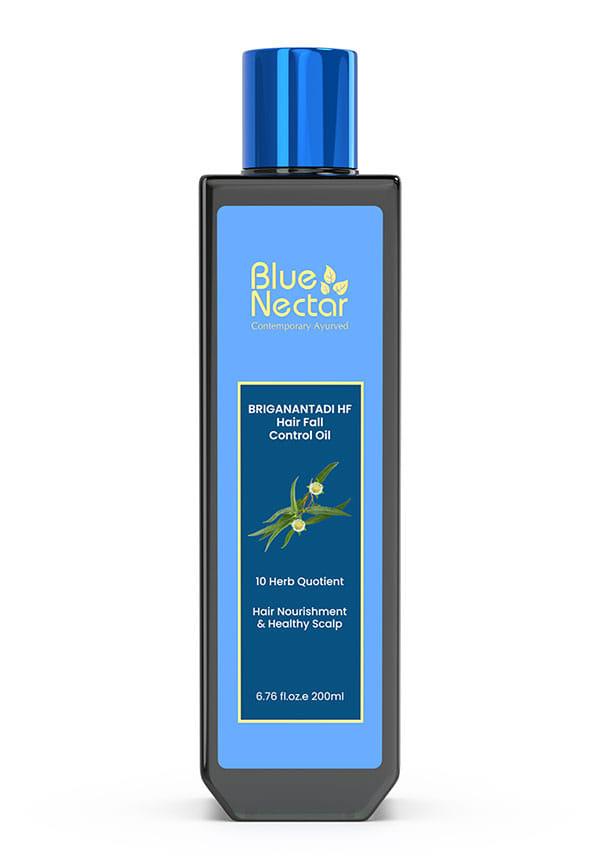
Briganantadi Hair Fall control and Healthy Scalp Hair Oil 10 Herbs
The sweet spot for most people with oily scalps is every other day. This gives your scalp time to regulate its oil production naturally while still keeping things clean and fresh. If you're used to daily washing, it might take a few weeks for your scalp to adjust to the new routine, so be patient.
When you do wash, focus all your attention on your scalp, not the length of your hair. Use your fingertips (never your nails) to massage the shampoo into your scalp for at least 60 seconds. This helps break down oil buildup and stimulates blood circulation, which can actually help balance oil production over time.
Water temperature matters more than you think. Hot water feels amazing, but it strips your scalp of natural oils and triggers increased oil production. Stick to lukewarm water for washing and finish with a cool rinse to seal the hair cuticles and add shine.
Here's a crucial tip for conditioning: never, ever apply conditioner to your roots or scalp. Keep it on the mid-lengths and ends only. Your scalp produces enough natural oils—it doesn't need extra moisture from conditioner. This simple change can make a huge difference in how quickly your hair gets greasy.
Sometimes the best oily scalp remedies are sitting right in your kitchen. These natural treatments can be incredibly effective when used consistently and correctly.
Apple cider vinegar rinses are absolute magic for oily scalps. The acetic acid helps balance your scalp's pH levels and dissolves product buildup that regular shampoo might miss. Mix one part apple cider vinegar with three parts water, pour it over your scalp after shampooing, let it sit for a few minutes, then rinse thoroughly. Do this once a week for best results.
Aloe vera isn't just for sunburns—it's brilliant for oily scalp treatment too. Fresh aloe vera gel has natural astringent properties that help control oil production while soothing any irritation. Apply pure aloe vera gel to your scalp, leave it for 20 minutes, then wash it out with your regular shampoo.
Clay masks aren't just for your face. Bentonite or kaolin clay can work wonders for absorbing excess oil from your scalp. Mix the clay powder with water to form a paste, apply it to your scalp (avoiding the hair lengths), leave for 15-20 minutes, then rinse thoroughly. This is particularly effective as a weekly treatment.
Green tea rinses provide antioxidant benefits while helping control oil production. Brew a strong cup of green tea, let it cool completely, then use it as a final rinse after shampooing. The tannins in green tea help tighten pores and reduce oil production naturally.
Fresh lemon juice acts as a natural astringent and helps cut through grease. Mix the juice of one lemon with a cup of water and use it as a pre-shampoo treatment. Massage it into your scalp, leave for 10 minutes, then shampoo as usual. Be careful if you have sensitive skin, as lemon can be quite strong.
Managing greasy hair solutions goes beyond just washing—it's about how you style and what products you use between wash days.
Dry shampoo is your secret weapon, but timing is everything. Don't wait until your hair is already greasy to use it. Apply dry shampoo to clean, dry hair before bed, and it'll absorb oils overnight, giving you fresher-looking hair in the morning. Focus on the roots and crown area where oil tends to accumulate first.
Briganantadi Hair Fall control and Healthy Scalp Hair Oil 10 Herbs
Heat styling can actually trigger more oil production, so try to limit how often you use hot tools. When you do use them, always apply a heat protectant that's specifically designed for oily hair—look for lightweight, oil-free formulas that won't add extra grease.
Your hairbrush can be spreading oil from your scalp down to your hair lengths, making everything look greasier faster. Clean your brushes regularly with shampoo and warm water, and consider using a boar bristle brush, which distributes oils more evenly and can actually help train your scalp to produce less oil over time.
When choosing styling products, always go for oil-free, lightweight formulas. Heavy creams and serums will just make your oily scalp situation worse. Look for products specifically labeled for fine or oily hair—they're formulated to provide hold and style without adding weight or grease.
Sometimes basic haircare for oily scalp isn't enough, and you need to bring in the bigger guns. Scalp exfoliation can be a game-changer for stubborn oily scalp issues.
Chemical exfoliants like AHA (alpha-hydroxy acids) and BHA (beta-hydroxy acids) work by dissolving dead skin cells and excess oil that can clog hair follicles. These are gentler than physical scrubs and can be used more frequently. Look for scalp treatments containing glycolic acid or salicylic acid.
Physical scalp scrubs can be effective too, but use them sparingly—once a week maximum. Over-exfoliating can irritate your scalp and actually increase oil production. Choose scrubs with fine, gentle particles rather than harsh, scratchy ones.
If you've tried everything and your oily scalp is still causing problems, it might be time to see a dermatologist. Sometimes what looks like simple oily scalp can actually be seborrheic dermatitis or another scalp condition that needs professional treatment.
Professional scalp treatments at salons can provide deep cleansing and oil regulation that you can't achieve at home. These treatments often combine multiple techniques like steam, specialized products, and professional-grade exfoliation.
Real talk: what you do outside of your haircare routine affects your scalp just as much as the products you use. Making some simple lifestyle adjustments can help you control oily scalp from the inside out.
Your diet plays a bigger role than you might think. Foods high in sugar, dairy, and processed ingredients can spike your insulin levels and trigger increased oil production. Try reducing these foods and see if you notice a difference in your scalp oiliness after a few weeks.
Stress management isn't just good for your mental health—it's crucial for scalp oil control too. When you're stressed, your body produces more cortisol, which can increase oil production. Whether it's yoga, meditation, or just taking regular walks, find stress-relief methods that work for you.
Sleep quality affects your hormone levels, which directly impact oil production. Aim for 7-8 hours of quality sleep each night, and consider changing your pillowcase more frequently—oil and bacteria can build up on fabric and transfer back to your scalp.
Staying properly hydrated helps your body regulate oil production naturally. When you're dehydrated, your body can overcompensate by producing more oil. Aim for at least 8 glasses of water daily.
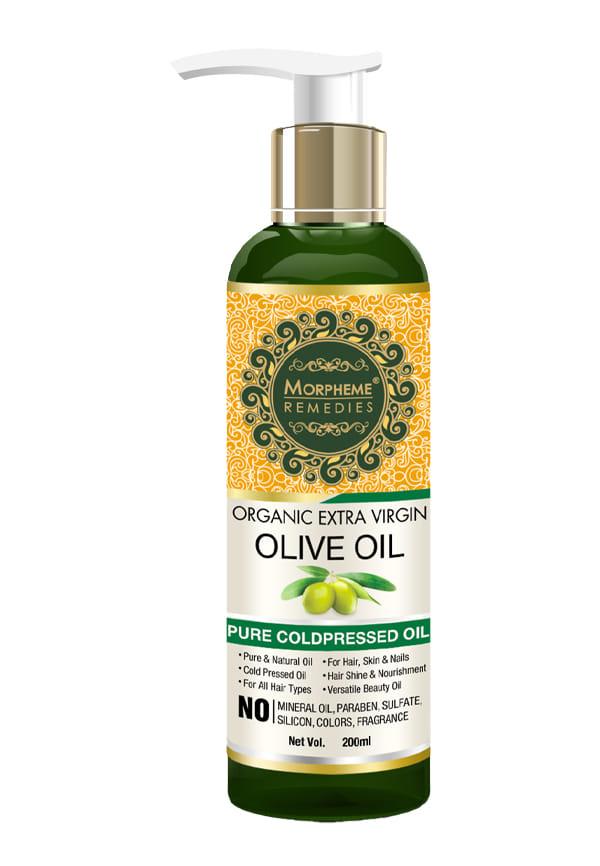
Remedies Organic Extra Virgin Olive Oil Pure Coldpressed Oil For Hair & Skin
If you exercise regularly (which is great for overall health), make sure you're washing your hair soon after sweating. Letting sweat sit on your scalp can clog pores and increase oiliness. If you can't wash immediately, at least rinse with water and use dry shampoo.
While you can't permanently cure an oily scalp due to genetic factors, you can effectively manage it long-term. Use sulfate-free shampoos with oil-controlling ingredients like salicylic acid, wash every other day rather than daily, apply conditioner only to hair ends, and incorporate natural treatments like apple cider vinegar rinses. Consistency with the right routine typically shows results within 4-6 weeks.
Oily scalp is primarily caused by overactive sebaceous glands producing excess sebum. This can be triggered by genetics, hormonal fluctuations during puberty or menstruation, chronic stress, diets high in processed foods and sugar, and ironically, over-washing which causes your scalp to produce more oil as a protective response.
Prevent excessive scalp oiliness by avoiding heavy hair products near your roots, washing every other day with a clarifying shampoo, never applying conditioner to your scalp, using dry shampoo proactively rather than reactively, managing stress through regular exercise or meditation, and maintaining a balanced diet low in sugar and processed foods.
Make your scalp less oily naturally by using weekly apple cider vinegar rinses to balance pH, applying aloe vera masks for oil absorption, trying clay treatments with bentonite or kaolin clay, avoiding over-brushing which spreads oil, limiting heat styling that triggers oil production, and incorporating stress-reduction techniques into your daily routine.
Managing an oily scalp isn't about finding one miracle product—it's about creating a consistent routine that works with your scalp's natural processes rather than against them. The key is understanding that less can often be more when it comes to oily scalp care.
Remember, it typically takes 4-6 weeks to see real changes in your scalp's oil production, so don't give up if you don't see immediate results. Your scalp needs time to adjust to new routines and rebalance itself.
The most effective approach combines the right cleansing routine, targeted ingredients, natural treatments, and lifestyle adjustments. Whether you're dealing with occasional greasiness or persistent oily scalp issues, there's definitely a solution that will work for your specific situation.
If you're looking to experiment with different oily scalp treatments without committing to full-size products, Smytten offers trial-size versions of many effective shampoos and scalp treatments from trusted brands. It's a smart way to test what works for your specific scalp needs before investing in larger bottles—because finding your perfect oily scalp solution might just take a bit of trial and discovery.
