How to Control Oily Scalp: Effective Remedies for Greasy Hair


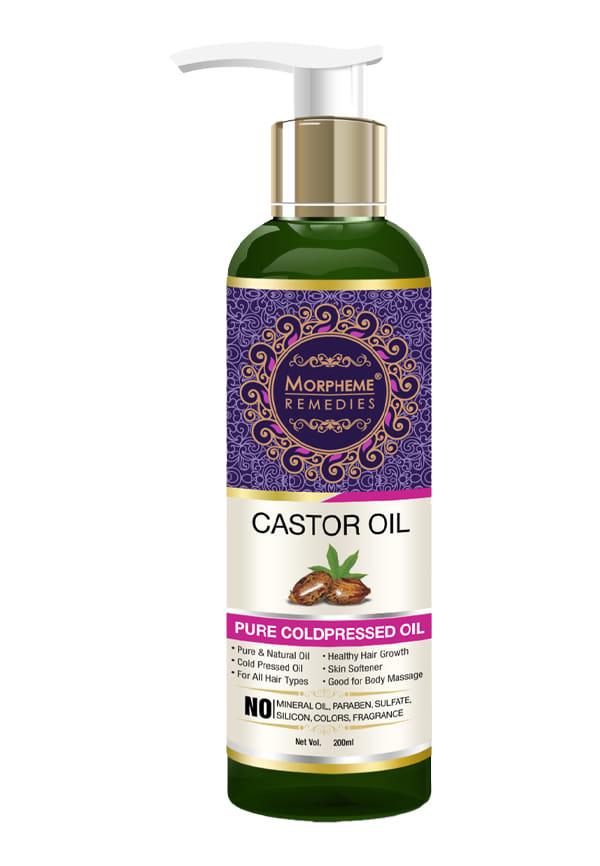
Remedies Pure Cold Pressed Castor Oil
You know that feeling when you wash your hair in the morning, and by afternoon it looks like you dunked your head in a vat of cooking oil? Yeah, we've all been there. That greasy, limp look that makes you want to throw your hair up in a bun and call it a day. If your scalp seems to produce enough oil to fuel a small car, you're definitely not alone in this struggle.
The thing is, dealing with an oily scalp isn't just about vanity—it can actually affect your confidence and how you feel about yourself. Plus, all that excess oil can lead to other issues like dandruff, itching, and even hair thinning if left unchecked. But here's the good news: there are loads of effective remedies for oily scalp that can help you get back to having fresh, clean-looking hair that doesn't require daily washing.
Let's get real about what's happening on your scalp. Your sebaceous glands are basically tiny oil factories that produce sebum—a natural oil that's supposed to keep your scalp and hair moisturised. But sometimes these little factories go into overdrive, pumping out way more oil than you actually need.
The causes of oily scalp are pretty varied, and understanding them can help you figure out the best oily scalp treatment for your situation. Hormones play a massive role here—think puberty, pregnancy, or even just your monthly cycle. Genetics also have a say in this; if your parents dealt with greasy hair, chances are you might too.
Your hormones are basically the puppet masters controlling your oil glands. When androgens (like testosterone) spike, they tell your sebaceous glands to ramp up production. This is why teenagers often struggle with oily hair, and why some people notice their hair getting greasier during certain times of the month.
Your environment and daily habits can seriously mess with your scalp's oil balance. Hot, humid weather makes everything worse, while over-washing can actually trigger your scalp to produce even more oil as a defence mechanism. Stress, poor diet, and even touching your hair too much can all contribute to the problem.
Sometimes an itchy oily scalp isn't just about excess sebum—it could signal seborrheic dermatitis or other scalp conditions. If you're dealing with persistent itching, flaking, or irritation alongside the oiliness, it might be time to chat with a dermatologist.
Right, let's talk about the heavy-hitting solutions that can make a real difference. Professional treatments aren't just fancy salon upsells—they're scientifically formulated to tackle scalp oil control in ways that regular shampoos simply can't match.
The key to how to reduce oily scalp effectively often lies in understanding that not all cleansing is created equal. Your regular shampoo might be doing the bare minimum, while targeted treatments can actually reset your scalp's oil production patterns.
Double cleansing isn't just for your face—it's a total game-changer for oily scalps too. Start with a clarifying pre-shampoo treatment or oil cleanser to break down the excess sebum, then follow with your regular shampoo. This method ensures you're actually getting all the buildup off your scalp.
When shopping for an oily scalp shampoo, look for ingredients like salicylic acid, zinc pyrithione, or tea tree oil. These powerhouse ingredients help regulate oil production while keeping your scalp healthy. Avoid anything too moisturising or heavy—save those for your hair ends only.
Weekly clarifying treatments can be absolute lifesavers for oily scalps. These deep-cleaning formulas strip away product buildup and excess oil that regular shampoos miss. Just don't overdo it—once a week is plenty, or you'll end up with the opposite problem.
Sometimes the best solutions are hiding in your kitchen cupboard. Natural remedies for oily hair have been around for ages, and there's actually solid science backing many of them. These home remedies for greasy hair are gentle, affordable, and often surprisingly effective.

Aromablush Intense Repair Hair Oil
The beauty of natural treatments is that they work with your scalp's natural processes rather than against them. Plus, you know exactly what you're putting on your head—no mystery chemicals or harsh detergents.
Apple cider vinegar is like a reset button for your scalp. Mix one part ACV with three parts water and use it as a final rinse after shampooing. It helps balance your scalp's pH levels and can actually help regulate oil production over time.
A few drops of tea tree oil mixed into your shampoo can work wonders for oily, problematic scalps. It's naturally antimicrobial and helps control the bacteria that can make oily scalp issues worse. Just remember—a little goes a long way with this potent oil.
Pure aloe vera gel makes an excellent scalp mask for oily hair. It's soothing, naturally astringent, and helps remove excess oil without being too harsh. Apply it to your scalp for 15-20 minutes before shampooing for best results.
Brew some strong green tea, let it cool, and use it as a final rinse. The antioxidants and tannins in green tea can help reduce sebum production and leave your scalp feeling refreshed and balanced.
Creating a solid daily routine is where the real magic happens. It's not just about what products you use—it's about how and when you use them. A good routine for scalp oil control should be sustainable, effective, and tailored to your specific needs.
The biggest mistake people make is thinking they need to wash their hair every single day to control oil. Actually, this can backfire spectacularly, causing your scalp to produce even more oil to compensate for what you're stripping away.
Most people with oily scalps do best washing every other day or every two days. This gives your scalp time to regulate its oil production without going into panic mode. Pay attention to how your hair feels and looks—that's your best guide.
Focus your shampooing efforts on your scalp, not your hair lengths. Use your fingertips (not nails) to gently massage the shampoo into your scalp for at least 30 seconds. This helps break up oil and product buildup while stimulating healthy circulation.
Here's where many people go wrong—applying conditioner to their scalp. Keep conditioner on the mid-lengths and ends of your hair only. Your scalp produces its own natural oils, so adding more moisture there is just asking for trouble.
A weekly scalp detox for oily hair can help reset your scalp's oil production. This could be a clay mask, a clarifying treatment, or even a simple baking soda paste. The key is consistency—make it part of your weekly routine.
Your hair doesn't exist in a vacuum—it's affected by everything from what you eat to how much sleep you get. Making some strategic lifestyle changes can significantly improve your scalp's oil production and overall hair health.
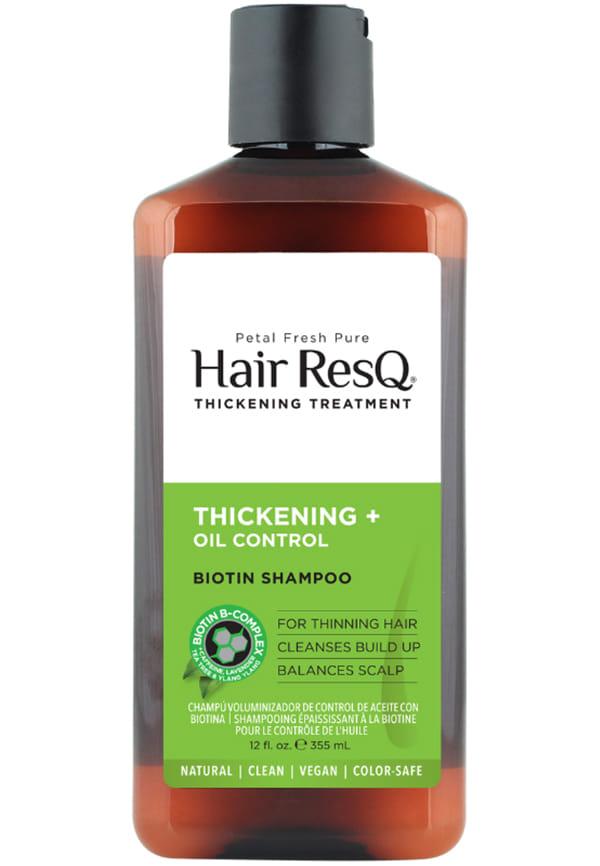
Hair ResQ Thickening Shampoo Oil Control
The connection between your overall health and your scalp health is stronger than you might think. Stress, diet, sleep, and even your workout routine all play a role in how much oil your scalp produces.
What you eat can definitely affect your scalp. Foods high in refined sugars and unhealthy fats can trigger increased oil production. Focus on a balanced diet rich in omega-3 fatty acids, zinc, and vitamins A and E to support healthy scalp function.
Excessive heat styling can actually stimulate oil production as your scalp tries to protect itself from damage. When you do use heat tools, always use a heat protectant and keep temperatures moderate. Also, clean your brushes and tools regularly—they can harbour bacteria and oil that transfer back to your clean hair.
Your pillowcase can be a breeding ground for bacteria and oil that gets transferred back to your hair every night. Change your pillowcases at least twice a week, or invest in silk or satin pillowcases that are gentler on your hair and less likely to absorb oils.
Sometimes basic remedies aren't enough, and that's totally okay. If you've tried everything and your oily scalp is still giving you grief, there are more advanced treatments that can help. These solutions are particularly useful for people dealing with severe oiliness or additional scalp issues.
Advanced treatments often work by targeting the root causes of oil overproduction rather than just managing the symptoms. They might take longer to show results, but they can provide more lasting solutions.
Glycolic acid and salicylic acid treatments can help exfoliate your scalp, removing dead skin cells and unclogging hair follicles. These treatments can be particularly helpful if you're dealing with both oily scalp and dandruff issues.
An itchy oily scalp often indicates inflammation or bacterial overgrowth. Look for treatments containing zinc pyrithione, ketoconazole, or selenium sulfide. These ingredients help control the microorganisms that can make scalp problems worse.
If your oily scalp is accompanied by significant hair loss, persistent itching, or patches of irritated skin, it's time to see a dermatologist. Sometimes what looks like simple oily scalp is actually a more complex condition that needs professional treatment.
With so many products claiming to solve oily scalp issues, it can be overwhelming to know where to start. The key is building a routine that's both effective and sustainable for your lifestyle and budget.
Remember, the most expensive product isn't necessarily the best one for you. Sometimes simple, well-formulated products work better than complex multi-step systems. It's all about finding what works for your specific scalp and sticking with it long enough to see results.
Look for lightweight, oil-free formulas with ingredients like salicylic acid, tea tree oil, or zinc. Avoid heavy oils, silicones, and overly moisturising ingredients that can weigh your hair down and make oiliness worse.
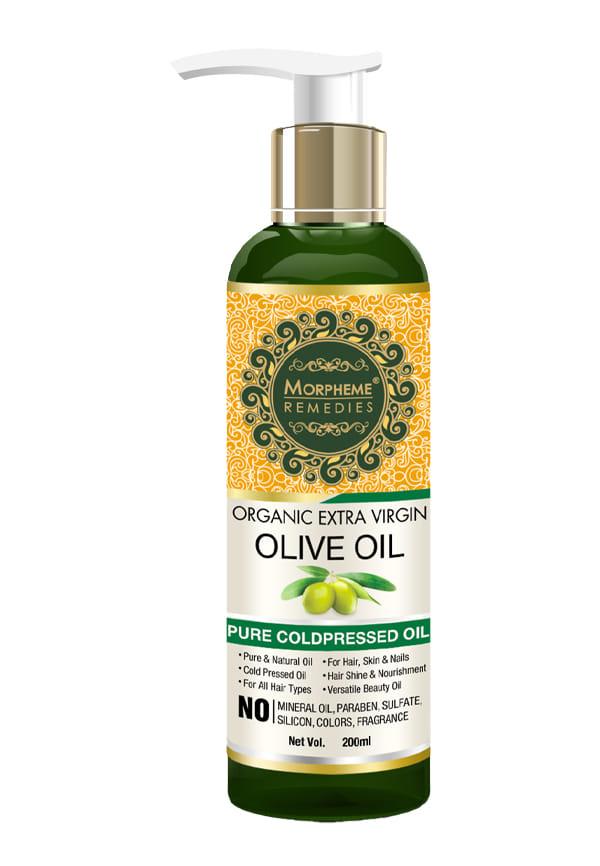
Remedies Organic Extra Virgin Olive Oil Pure Coldpressed Oil For Hair & Skin
You don't need to break the bank to control oily scalp. Start with a good clarifying shampoo and a lightweight conditioner, then add treatments as needed. Many effective ingredients like tea tree oil and apple cider vinegar are incredibly affordable.
The key is finding the right balance in your washing routine and using products specifically designed for oily scalps. Avoid over-washing, which can trigger more oil production, and focus on gentle, consistent care with clarifying shampoos and lightweight conditioning products.
While nutrient deficiencies don't directly cause oily scalp, low levels of zinc, vitamin B6, or essential fatty acids can affect your scalp's health and oil regulation. A balanced diet with adequate nutrients supports overall scalp function.
Dry shampoo is your best friend for quick oil absorption. Apply it to your roots, let it sit for 2-3 minutes, then brush it out thoroughly. You can also use a small amount of cornstarch or baby powder in a pinch.
Oily scalp is primarily caused by overactive sebaceous glands, which can be triggered by hormones, genetics, stress, diet, or environmental factors. Sometimes it's a combination of several factors working together.
Excessive oil can clog hair follicles and create an environment for bacterial growth, which may contribute to hair thinning or loss. However, oily scalp alone rarely causes significant hair loss—it's usually a combination of factors.
Most people with oily scalps do best washing every other day or every two days. Daily washing can actually make the problem worse by stripping natural oils and causing your scalp to overcompensate.
Absolutely! This is actually very common, especially if you have longer hair. The oil from your scalp doesn't always travel down the entire length of your hair shaft, leaving the ends dry while the roots stay oily.
Foods high in refined sugars, processed carbs, and unhealthy fats can potentially increase oil production. Dairy products may also trigger increased sebum production in some people, though this varies from person to person.
Managing an oily scalp doesn't have to be a constant battle. With the right combination of products, techniques, and lifestyle adjustments, you can definitely get your scalp's oil production under control. The key is being patient and consistent with whatever approach you choose—results don't happen overnight, but they do happen.
Remember, everyone's scalp is different, so what works for your friend might not work for you. Don't be afraid to experiment with different remedies for oily scalp until you find your perfect routine. Whether you go the natural route with home remedies or invest in professional treatments, the most important thing is finding something sustainable that fits your lifestyle.
If you're looking to try different products without committing to full-size bottles, Smytten's curated selection includes haircare options from trusted brands that you can explore through trial-size versions. This way, you can test what works for your specific scalp needs before investing in larger products—because finding the right oily scalp treatment shouldn't involve guesswork or expensive mistakes.
