How to Control Oily Hair: A Complete Solutions Guide


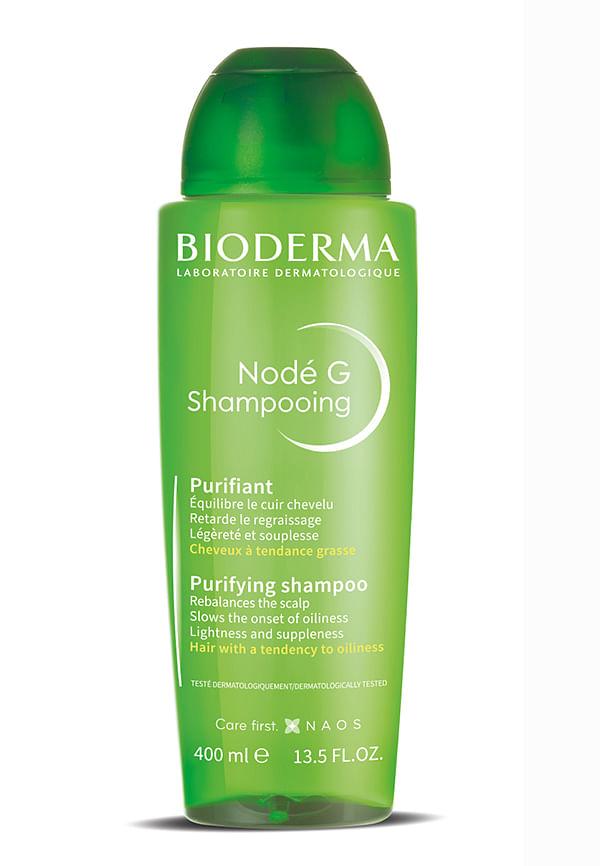 400 ml
Node G Purifying Shampoo For Hair With Tendency To Oiliness
Let's be real—dealing with oily hair can feel like a never-ending battle. One day your hair looks fresh and bouncy, the next it's flat and greasy by lunchtime. If you've been searching for an effective oily hair solutions guide that actually works, you're in the right place. From understanding what causes that excess oil to discovering the best treatments and natural remedies, we're covering everything you need to know about controlling oily hair and achieving the fresh, healthy look you're after.
Before diving into solutions, it's worth understanding why your hair gets oily in the first place. Your scalp produces sebum through tiny glands, and when these go into overdrive, you end up with that greasy look nobody wants.
Your sebaceous glands are basically your scalp's oil factories, and they're influenced by several factors. Hormonal fluctuations during puberty, menstruation, or stress can trigger increased oil production. Genetics also play a huge role—if your parents dealt with oily hair, chances are you might too.
Environmental factors like humidity, pollution, and even overwashing can throw your scalp's natural balance off track. When you strip away too much oil, your scalp compensates by producing even more sebum, creating a frustrating cycle.
One of the biggest myths is that washing your hair daily makes it more oily. The truth is, washing frequency should match your scalp's needs—some people genuinely need daily cleansing, whilst others can go longer between washes.
Another misconception involves supplements and diet. Whilst certain foods might influence oil production, there's no direct evidence that collagen supplements cause greasy hair. However, Malassezia (a type of yeast) can indeed contribute to oily scalp conditions by feeding on excess sebum.
If your hair looks greasy within 12-24 hours of washing, feels heavy despite being clean, or your scalp appears shiny and feels sticky, it's time to reassess your routine. These visual indicators suggest your current approach isn't managing oil production effectively.
Finding the right cleanser is crucial for managing oily hair. Not all shampoos are created equal, and choosing the wrong one can actually make your oil problem worse.
Look for shampoos containing salicylic acid, which penetrates deep into pores to remove buildup and excess oil. Tea tree oil offers natural antibacterial properties whilst regulating sebum production. Clay-based formulations, particularly those with bentonite or kaolin clay, work like magnets to absorb excess oil without over-drying.
Zinc pyrithione is another powerhouse ingredient that controls oil whilst addressing any scalp irritation. These ingredients work together to create an effective oily scalp treatment that targets the root cause rather than just masking symptoms.
A clarifying shampoo should be your weekly reset button—use it once or twice a week to remove stubborn buildup from styling products and excess sebum. These are typically stronger formulations that shouldn't be used daily as they can strip your scalp too much.
For daily use, choose gentler formulas specifically designed for oily hair. Sulfate-free options work well for sensitive scalps whilst still providing adequate cleansing power.
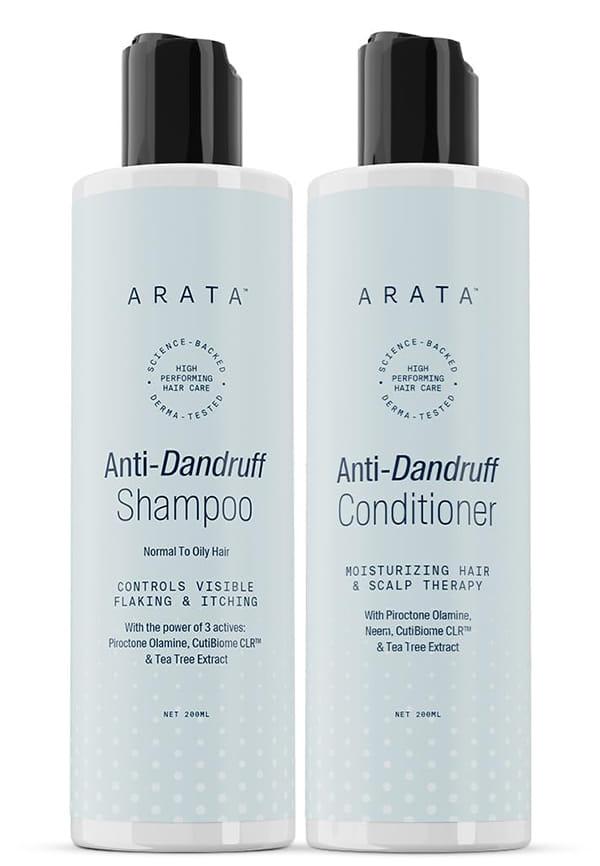 400ml
400mlAnti Dandruff Detox Duo For Normal To Oily Hair | Anti Dandruff Shampoo And Conditioner
Use lukewarm water rather than hot, as excessive heat can stimulate more oil production. Apply shampoo directly to your scalp, not your hair lengths, and massage gently with your fingertips for 30-60 seconds. This scalp massage improves circulation and helps the cleanser work more effectively.
Beyond choosing the right products, your daily hair care habits play a massive role in controlling oil production. Small changes in your routine can make a significant difference in how your hair looks and feels.
Finding your sweet spot takes some experimentation. Start by washing every other day and observe how your hair responds. If it becomes too greasy, increase to daily washing. If it feels dry or your scalp becomes irritated, reduce frequency.
Your lifestyle matters too—if you exercise regularly or live in a humid climate, you might need more frequent washing. The key is listening to your scalp and adjusting accordingly.
Apply conditioner only from mid-length to ends, avoiding your scalp entirely. Choose lightweight, oil-free formulas that won't weigh your hair down. Leave-in treatments designed for oily hair can provide moisture without adding unwanted grease.
Consider using a clarifying conditioner once a week to remove any product buildup whilst still providing necessary moisture to your hair lengths.
Excessive heat can actually trigger more oil production as your scalp tries to compensate for moisture loss. When you do use heat tools, apply a lightweight heat protectant and use the lowest effective temperature.
Choose styling products labelled as 'oil-free' or 'lightweight,' and apply them sparingly. Clean your brushes regularly to prevent transferring old oil and product buildup back to your freshly washed hair.
Sometimes the best solutions come from your kitchen cupboard. Natural remedies can be incredibly effective for managing oily hair, and they're often gentler on your scalp than harsh chemical treatments.
Apple cider vinegar mixed with equal parts water creates an excellent rinse that helps balance your scalp's pH. Apply after shampooing, leave for 2-3 minutes, then rinse thoroughly. The acetic acid helps remove buildup whilst regulating oil production.
Lemon juice works as a natural degreasing agent. Mix fresh lemon juice with water and apply to your scalp for 5-10 minutes before shampooing. Clay masks made with bentonite or French green clay can be applied weekly for deep cleansing.
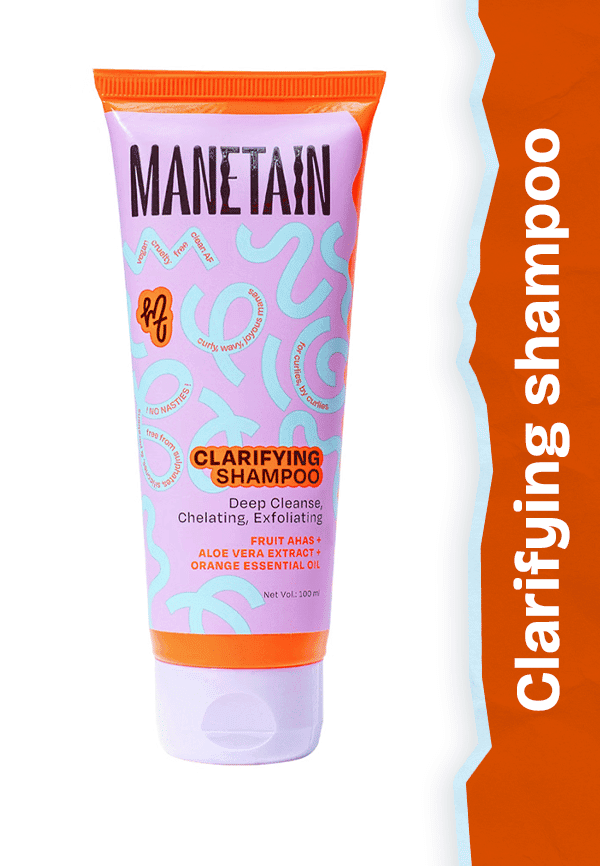 100Ml
100MlClarifying Shampoo With Aloe Vera Extract
Tea tree oil is brilliant for oily scalp treatment, but always dilute it properly—add 2-3 drops to your shampoo or mix with a carrier oil. Rosemary oil improves circulation whilst helping regulate oil production.
Peppermint oil provides a refreshing sensation and can help control excess sebum. Remember, essential oils are potent, so less is definitely more when it comes to application.
Whilst diet doesn't directly cause oily hair, certain foods might influence oil production. Reducing dairy and high-glycemic foods could help some people manage excess sebum. Staying hydrated and managing stress through regular exercise or meditation can also support healthier oil production.
We've all been there—you're running late and your hair looks like you haven't washed it in days. These quick fixes can save the day when you need to look presentable fast.
Apply dry shampoo to completely dry hair, focusing on the roots where oil accumulates most. Spray from 6 inches away, let it sit for 2-3 minutes to absorb oil, then massage it in with your fingertips before brushing out any residue.
If you're out of dry shampoo, baby powder or cornstarch can work in a pinch. Apply sparingly and work through thoroughly to avoid any white residue.
Create volume at the crown by teasing gently or using a volumising spray. Change your parting to a different side—this instantly makes hair look fresher. Textured styles like loose waves or braids can camouflage oily roots better than sleek styles.
Strategic use of hair accessories like headbands, scarves, or clips can draw attention away from greasy areas whilst looking intentionally stylish.
Keep oil-absorbing sheets in your bag—they work on your scalp just like they do on your face. Gently press them against oily areas to remove excess sebum. Cleansing wipes designed for hair can provide a quick refresh between washes.
Sometimes home remedies and over-the-counter products aren't enough. Knowing when to seek professional help and understanding advanced treatment options can make all the difference for persistent oily hair issues.
If your oily hair is accompanied by persistent itching, flaking, or hair loss, it's time to consult a dermatologist. Professional treatments like scalp peels or medicated shampoos might be necessary for severe cases.
In-salon deep cleansing treatments can reset your scalp's condition and provide guidance on maintaining results at home. Some salons offer specialised oily scalp treatments that combine professional-grade products with massage techniques.
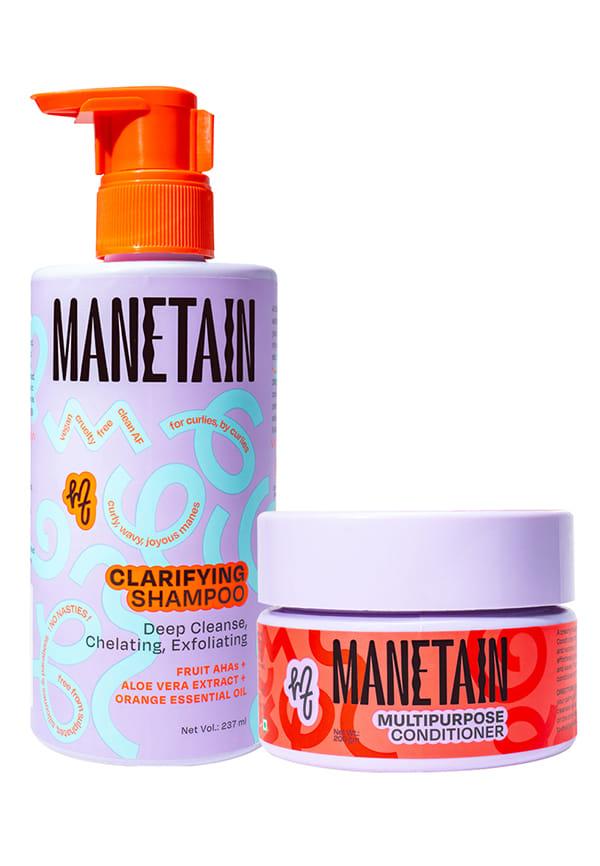 437Ml
437MlClarifying Shampoo & Multipurpose Conditioner
Summer humidity often requires more frequent washing and stronger clarifying treatments. Use lightweight styling products and consider protective styles that keep hair off your neck and face.
Winter indoor heating can actually trigger more oil production as your scalp compensates for dry air. You might need to adjust your washing frequency and use slightly more moisturising products during colder months.
Keep a hair diary to track what works and what doesn't. Note how your hair responds to different products, weather conditions, and lifestyle changes. This helps you build a sustainable routine that evolves with your needs.
Remember that finding the right combination of products often takes time. Platforms like Smytten make this journey easier by offering trial-sized versions of haircare products from trusted brands. You can explore different formulations without committing to full-size purchases, making it affordable to discover what works best for your specific hair type.
Most people with oily hair benefit from washing every 24-48 hours. Very oily scalps might need daily washing, whilst overwashing can trigger increased oil production. Start with alternate days and adjust based on how your hair responds.
Lemon juice mixed with equal parts water effectively removes oil buildup when applied to the scalp for 5-10 minutes. Clay masks and apple cider vinegar rinses also provide natural degreasing properties without harsh chemicals.
Not necessarily. Whilst overwashing can strip natural oils and trigger increased production, some people genuinely need daily cleansing. The key is using gentle, appropriate products rather than avoiding frequent washing altogether.
Regular shampoos may not effectively control excess oil. Specialised formulas with salicylic acid, tea tree oil, or clarifying ingredients work better for oily hair types by targeting sebum production and buildup.
Hormonal changes, stress, diet modifications, new medications, or changes in weather can all trigger increased oil production. Product buildup and overwashing can also disrupt your scalp's natural balance.
Managing oily hair doesn't have to be a constant struggle. With the right combination of products, techniques, and lifestyle adjustments, you can achieve fresh, healthy-looking hair that stays clean longer. Remember that everyone's scalp is different, so what works for your friend might not work for you.
The key is patience and experimentation. Start with gentle, proven methods and gradually adjust your routine based on how your hair responds. Whether you're trying natural remedies or exploring new products, Smytten's trial platform makes it easy to discover effective solutions without the financial risk. With access to mini-sized products from over 1,500 trusted brands, you can try different approaches until you find your perfect oily hair solutions guide. After all, why settle for maybe when you can Try It All and find what actually works for your unique hair needs?
