How to Control Frizzy Hair: Expert Styling Tips

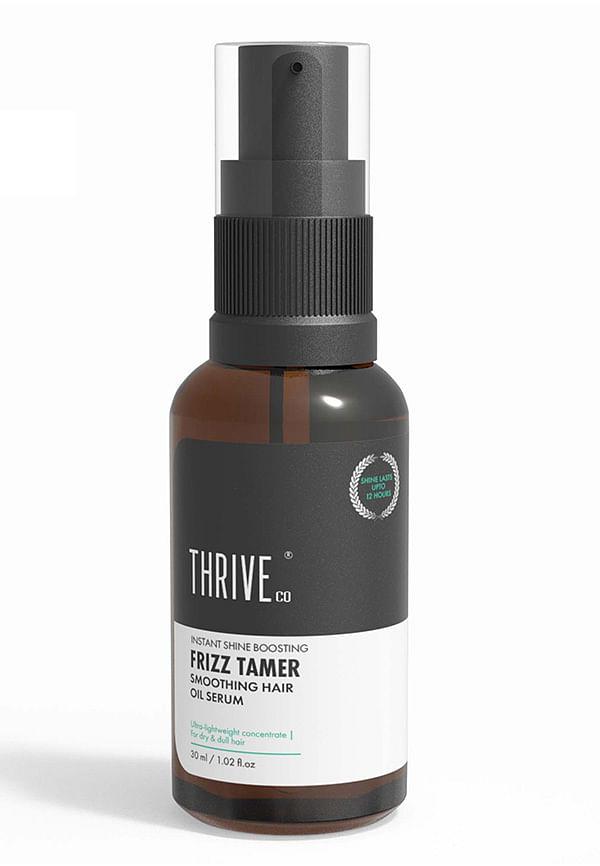 30 ml
30 mlFrizz Tamer Smoothening Hair Oil
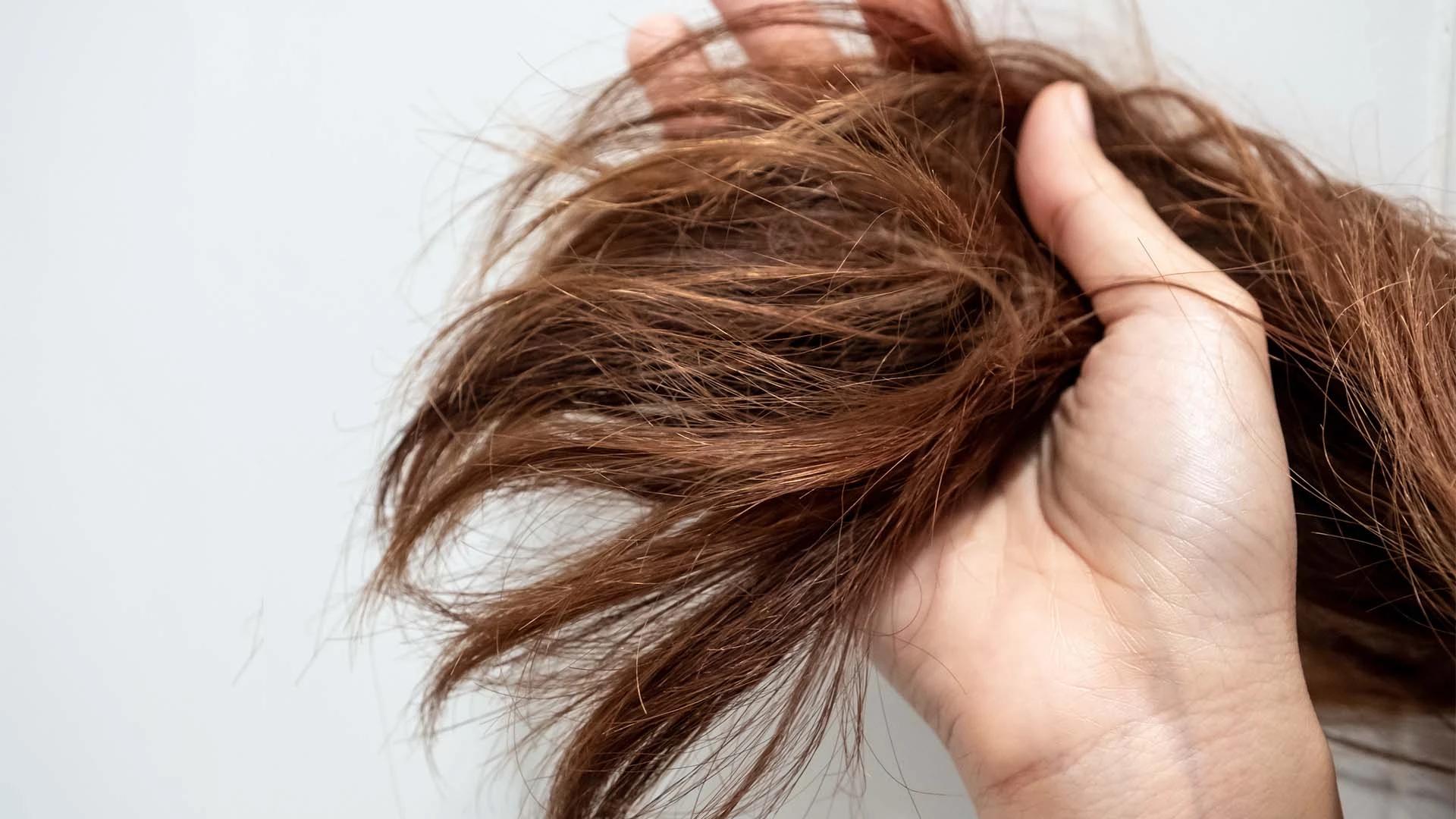
Let's be real—if you've ever stepped outside on a humid day only to watch your perfectly styled hair transform into a frizzy mess within minutes, you're definitely not alone. About 75% of people deal with frizzy hair at some point, whether it's due to humidity, heat damage, or just genetics being a bit cheeky. The good news? There are actually science-backed frizzy hair solutions that work, and we're about to dive into all the expert techniques that'll help you get smooth, manageable hair without the drama.
Before we jump into the solutions, let's chat about why your hair decides to go rogue in the first place. Understanding the root cause is half the battle when it comes to effective hair frizz control.
Your hair cuticle is basically like tiny shingles on a roof—when they're smooth and flat, your hair looks sleek. When they're raised or damaged, moisture gets in and out randomly, creating that dreaded frizz. Damaged cuticles can't regulate moisture properly, which means your hair becomes a humidity magnet.
Humidity is probably the biggest culprit when it comes to frizzy hair. When there's moisture in the air, your hair tries to balance itself by absorbing that moisture, causing the hair shaft to swell and create frizz. Weather changes, seasonal shifts, and even air conditioning can all mess with your hair's moisture levels.
Heat styling tools, chemical treatments, and even aggressive towel drying can damage your hair cuticles over time. Each time you use heat without protection or roughly handle wet hair, you're creating microscopic damage that adds up to major frizz issues.
Now that we know what we're dealing with, let's talk about building a solid foundation for frizzy hair remedies that actually work. Think of this as your hair's daily skincare routine—consistency is everything.
Choosing the best shampoo for frizzy hair means looking for sulfate-free formulas that won't strip your hair of its natural oils. Washing 2-3 times a week is usually the sweet spot—over-washing can actually make frizz worse by removing protective oils. When you do wash, use lukewarm water instead of hot, as heat opens up the cuticles and makes your hair more prone to frizz.
Weekly deep conditioning treatments are your best friend for managing frizzy hair. Look for masks that focus on moisture rather than protein if your hair is dry and frizzy. The key is finding the right balance—too much protein can make hair brittle, while too much moisture can make it limp.
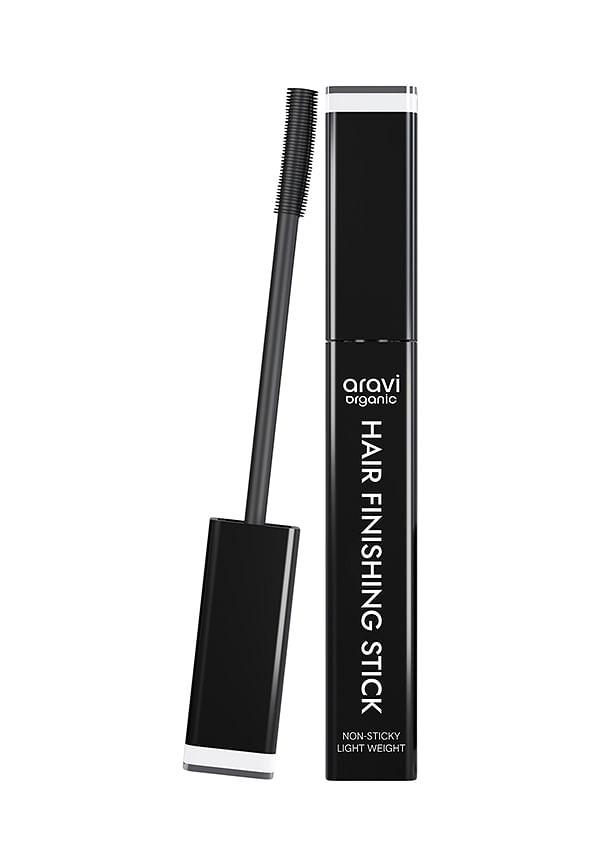 15 ml
15 mlHair Finishing Stick - Flyaway Natural Styling Frizz Control
Ditch the regular towel and switch to a microfibre one or even a cotton t-shirt. These materials are gentler on your hair cuticles and reduce friction. When possible, let your hair air dry about 70% before using any heat tools, and always use a heat protectant.
Sometimes you need to tame frizzy hair fast, and we've got you covered with some emergency fixes that actually work.
A good hair serum for frizz can be a lifesaver when you're in a rush. Apply a small amount to damp hair, focusing on the mid-lengths and ends. For dry hair, use an even smaller amount and work it through with your fingers. You can also try the "praying hands" method—smooth the product between your palms and gently press it onto your hair rather than rubbing it in.
Start with slightly damp hair if possible—mist it lightly if it's completely dry. Apply your products in the right order: leave-in conditioner first, then serum or oil, and finish with any styling products. This layering technique helps lock in moisture and create a barrier against humidity.
If you prefer keeping things natural, there are plenty of effective ways to manage frizzy hair without reaching for commercial products.
Coconut oil mixed with mashed avocado makes an incredible moisturising mask—leave it on for 20-30 minutes before washing out. Apple cider vinegar rinses can help smooth the hair cuticle and reduce frizz, but use them sparingly (once a week max) and always dilute with water. Aloe vera gel is another brilliant natural option that provides moisture without weighing hair down.
Switching to a silk or satin pillowcase can make a real difference in reducing overnight frizz. These materials create less friction than cotton, so you'll wake up with smoother hair. Your diet and hydration levels also play a role—drinking enough water and eating foods rich in omega-3 fatty acids can improve your hair's overall health and manageability.
When it comes to anti frizz products, knowing what to look for can save you time and money. Not all products are created equal, and finding the right ones for your hair type is crucial.
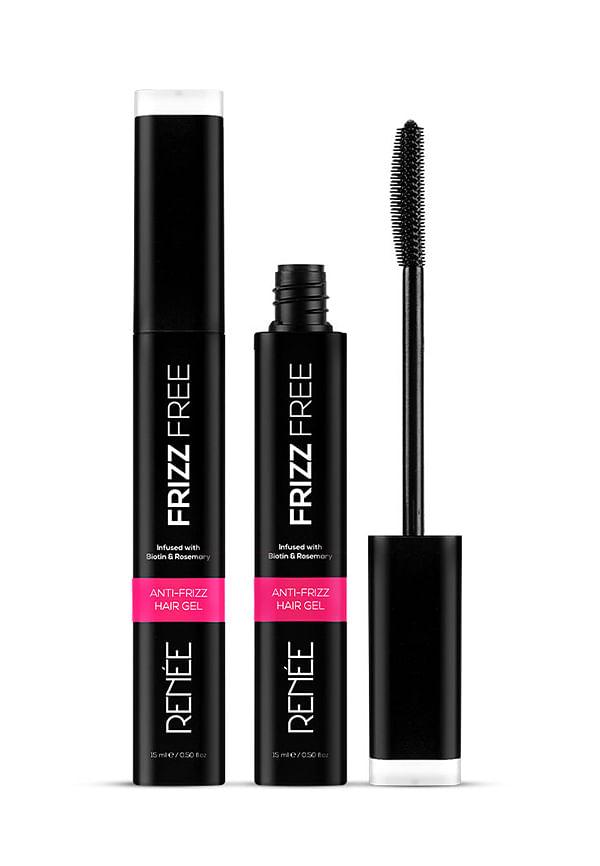 15 ml
15 mlFrizz Free Anti Frizz Hair Gel
Leave-in conditioners provide ongoing moisture throughout the day, while serums create a protective barrier against humidity. Heat protectants are non-negotiable if you use styling tools, and finishing oils can add shine while sealing the cuticle. Look for products with ingredients like argan oil, keratin, or silicones for effective humidity hair control.
Wide-tooth combs are gentler on wet hair than brushes, which can cause breakage and frizz. If you must blow dry, invest in an ionic dryer with a diffuser attachment for curly hair, or use a round brush for straighter styles. Flat irons with ceramic or titanium plates distribute heat more evenly and cause less damage.
Not all hair is the same, so your approach to getting smooth hair tips should be tailored to your specific texture and needs.
For naturally curly or wavy hair, the goal isn't always to eliminate texture but to enhance your natural pattern while reducing frizz. Try the "plopping" method—wrap wet hair in a t-shirt to encourage curl formation while reducing frizz. Scrunching products into hair rather than combing them through can also help maintain your natural texture.
Fine hair needs lightweight products that won't weigh it down, while thick hair can handle richer, more intensive treatments. Men's hair often requires different approaches too—shorter styles might benefit from lighter products and more frequent trims to maintain shape and reduce frizz.
If your hair is chemically treated or damaged, it needs extra gentle care. Use products specifically formulated for colour-treated hair, and consider protective styles that reduce manipulation and environmental exposure.
The best way to manage frizzy hair is to focus on overall hair health and prevention rather than just treating the symptoms.
Trimming your hair every 6-8 weeks helps prevent split ends from travelling up the hair shaft and causing more frizz. Deep conditioning treatments should be done weekly, while professional treatments like keratin or protein treatments might be needed every few months depending on your hair's condition.
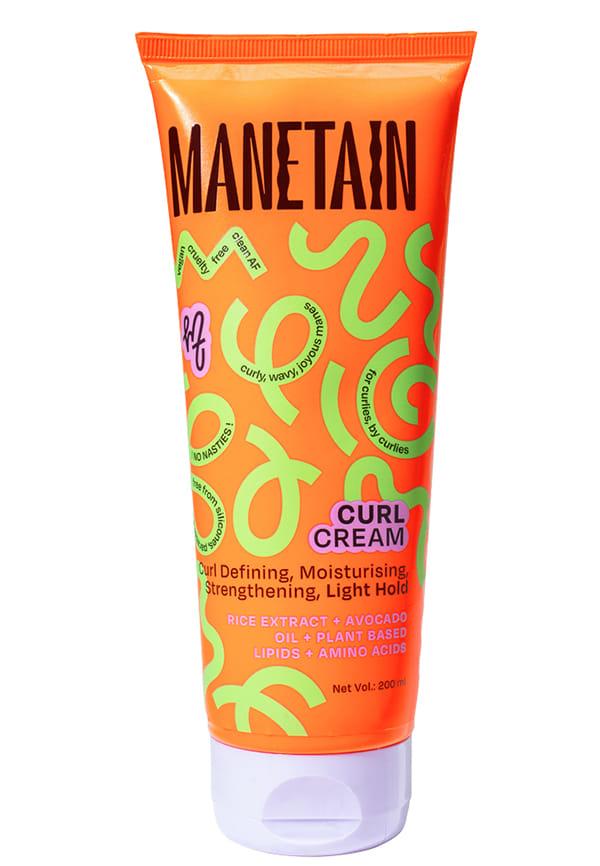 200Gm
200GmFrizz Control Curl Cream
UV rays can damage your hair just like they damage your skin, so consider using products with SPF when you'll be in the sun for extended periods. In winter, protect your hair from dry indoor heating, and in summer, focus on humidity protection. Smytten's curated selection of haircare minis lets you try different protective products without committing to full sizes, making it easier to find what works for your specific needs.
Start with a sulfate-free shampoo, use a deep conditioning treatment weekly, and always apply a heat protectant before styling. Avoid over-washing and use gentle drying techniques.
Yes, natural remedies like coconut oil masks, aloe vera treatments, and proper drying techniques can significantly reduce frizz without chemical products.
Look for sulfate-free formulas with moisturising ingredients like argan oil, shea butter, or keratin. The best choice depends on your specific hair type and concerns.
Most people with frizzy hair benefit from washing 2-3 times per week to avoid stripping natural oils that help control frizz.
Yes, silk and satin pillowcases create less friction than cotton, reducing overnight frizz and hair breakage.
While you can't permanently change your hair's natural texture, consistent care and professional treatments can significantly improve manageability long-term.
Controlling frizzy hair isn't about fighting your natural texture—it's about working with it and giving your hair what it needs to look its best. Whether you prefer natural remedies or professional products, consistency is key. Remember that finding the right routine might take some trial and error, but that's where platforms like Smytten come in handy. With access to trial-sized products from trusted brands, you can experiment with different frizzy hair solutions without the commitment of full-size purchases. The platform's extensive range of haircare minis means you can try everything from serums to masks until you find your perfect frizz-fighting combination. After all, why settle for maybe when you can try it all and find what actually works for your unique hair needs?
