How to Conquer Dandruff: Symptoms & Relief Guide

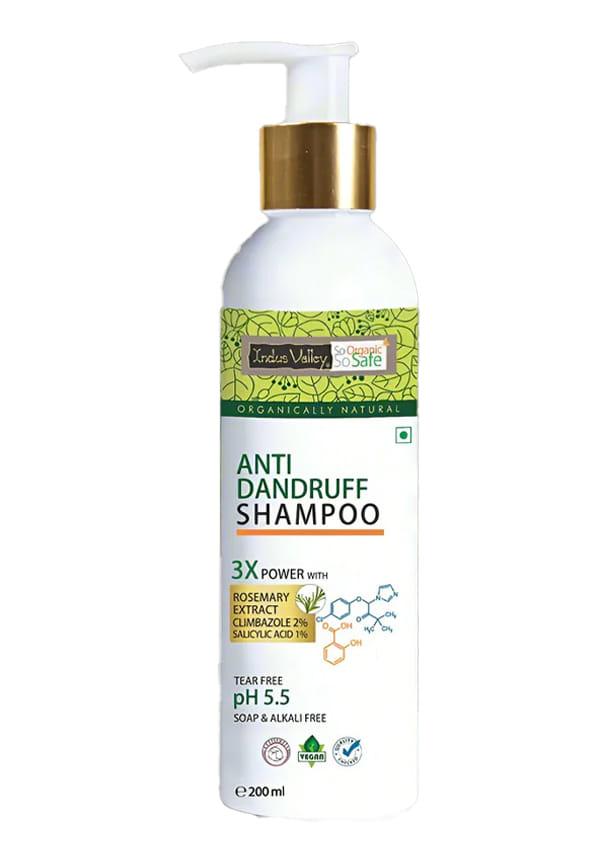 200 ml
Anti Dandruff Shampoo
Let's be real—dandruff is one of those annoying scalp situations that can make you feel self-conscious about wearing black tops or sitting too close to someone. Those white flakes seem to appear out of nowhere, and suddenly you're dealing with an itchy, uncomfortable scalp that just won't quit. The good news? Understanding dandruff symptoms relief tips can help you tackle this common issue head-on. Whether you're dealing with occasional flakes or persistent scalp irritation, there are proven strategies that actually work. From identifying the root causes to finding the right treatment approach, conquering dandruff is totally doable with the right knowledge and consistent care routine.
Before diving into dandruff treatment options, it's crucial to understand what you're actually dealing with. Dandruff isn't just about those visible white flakes—it's a complex scalp condition with multiple symptoms and underlying causes.
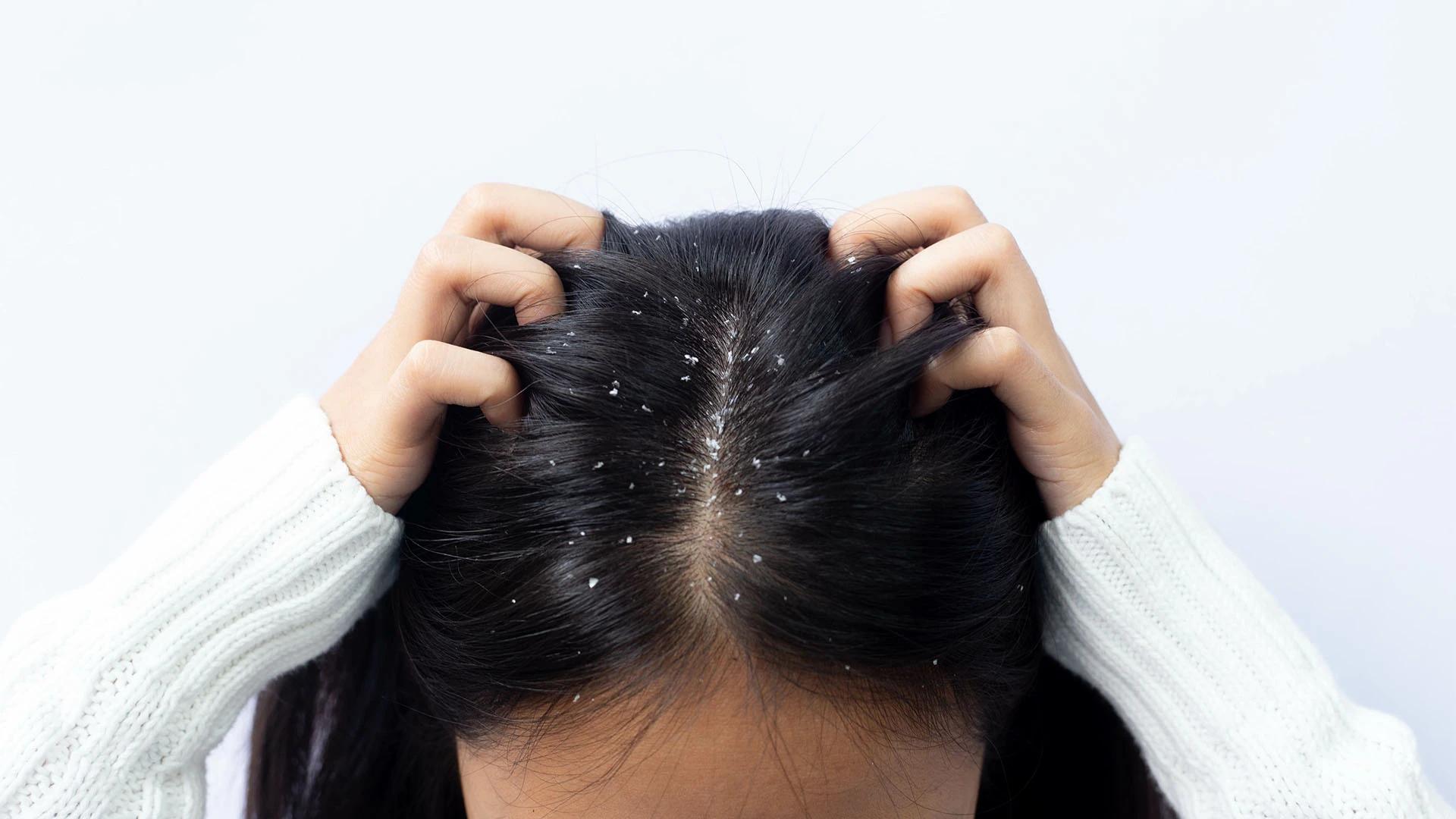
The most obvious sign is those pesky white or yellowish flakes that appear on your scalp and shoulders. But dandruff symptoms go beyond just the flakes:
Persistent itching that makes you want to scratch constantly
Oily patches on the scalp, especially around the hairline
Red or irritated areas that feel tender to touch
Tight, dry feeling across the scalp
Increased hair fall due to excessive scratching
Mild dandruff typically involves occasional flaking and slight itchiness that responds well to over-the-counter treatments. Severe dandruff, however, includes large, greasy flakes, intense itching, visible inflammation, and symptoms that persist despite regular treatment. If you're experiencing severe symptoms, it might be time to consult a dermatologist rather than relying solely on home remedies for dandruff.
Understanding why dandruff happens helps you choose the most effective treatment approach. The main culprits include fungal overgrowth (particularly Malassezia yeast), dry skin conditions, sensitivity to haircare products, hormonal fluctuations, and stress levels. Weather changes and certain medical conditions can also trigger dandruff flare-ups.
When you need quick relief from dandruff symptoms, medicated treatments often provide the fastest results. The key is understanding which active ingredients target your specific type of dandruff and how to use them properly for maximum effectiveness.
Different active ingredients tackle dandruff through various mechanisms:
Zinc pyrithione fights fungal growth and reduces inflammation
Selenium sulfide slows down skin cell turnover and controls yeast
Ketoconazole provides powerful antifungal action for stubborn cases
Coal tar reduces scaling and slows cell production
Salicylic acid helps remove existing flakes and buildup
How you use your dandruff shampoo matters just as much as which one you choose. Apply the shampoo to wet hair, massage gently into the scalp (not just the hair), and leave it on for the recommended time—usually 3-5 minutes. This contact time allows the active ingredients to work effectively. Rinse thoroughly and follow up with a gentle conditioner on the hair lengths only, avoiding the scalp area.
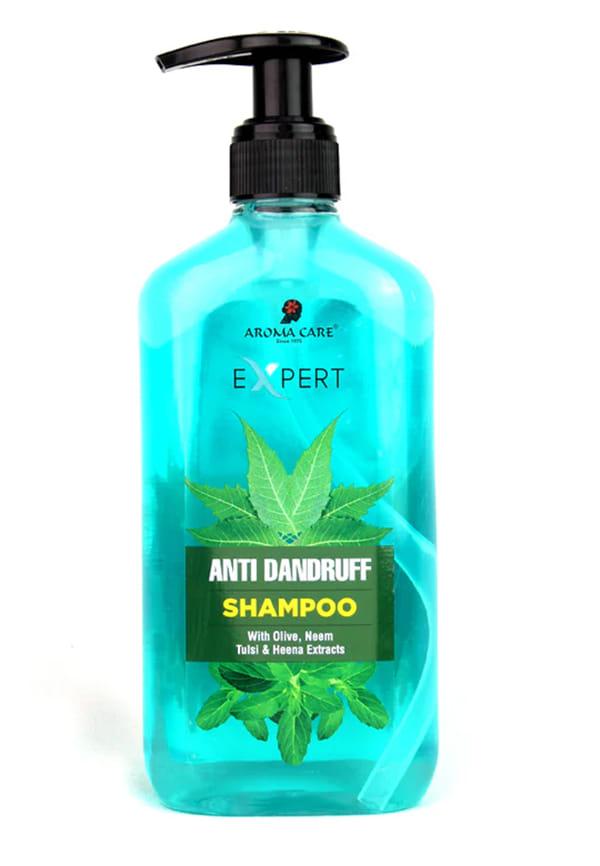 320 ml
Anti Dandruff Shampoo
Most people see improvement within 2-4 weeks of consistent use. Start by using the medicated shampoo 2-3 times per week, then adjust based on your scalp's response. Once symptoms improve, you can often reduce frequency to once or twice weekly for maintenance.
If you prefer gentler approaches or want to complement your medicated treatment, natural dandruff solutions can be surprisingly effective. These remedies work by addressing the underlying causes of dandruff without harsh chemicals.
Apple cider vinegar helps restore your scalp's natural pH balance, creating an environment that's less friendly to dandruff-causing yeast. Mix equal parts water and apple cider vinegar, apply to damp hair, massage into the scalp, and rinse after 5-10 minutes. Use this treatment once or twice weekly.
Tea tree oil's natural antifungal properties make it excellent for combating dandruff. However, it's potent stuff—always dilute it properly. Add 5-10 drops to your regular shampoo or mix with a carrier oil like coconut oil before applying to the scalp. Never use undiluted tea tree oil directly on your skin.
For dry scalp remedies, coconut oil provides intense moisture while also offering antimicrobial benefits. Warm the oil slightly, massage into your scalp, leave for 30 minutes to overnight, then shampoo out thoroughly. This treatment works particularly well for flaky scalp treatment when dryness is the main issue.
Fresh aloe vera gel can calm irritated, itchy scalps while providing gentle moisture. Apply pure aloe vera gel directly to the scalp, leave for 15-20 minutes, then rinse with cool water. This remedy is especially helpful for immediate itchy scalp relief.
Preventing dandruff recurrence requires consistent scalp care habits and lifestyle adjustments. These strategies help maintain a healthy scalp environment that's less prone to dandruff flare-ups.
Contrary to popular belief, washing your hair daily isn't necessarily bad for dandruff—it depends on your hair type and scalp condition. Oily scalps often benefit from daily washing with a gentle shampoo, while dry scalps might need washing every other day or less frequently. The key is finding the right balance for your specific needs.
Stress can trigger dandruff flare-ups by affecting hormone levels and immune function. Regular exercise, adequate sleep, and stress-reduction techniques like meditation can help keep your scalp healthier. When life gets hectic, pay extra attention to your scalp care routine.
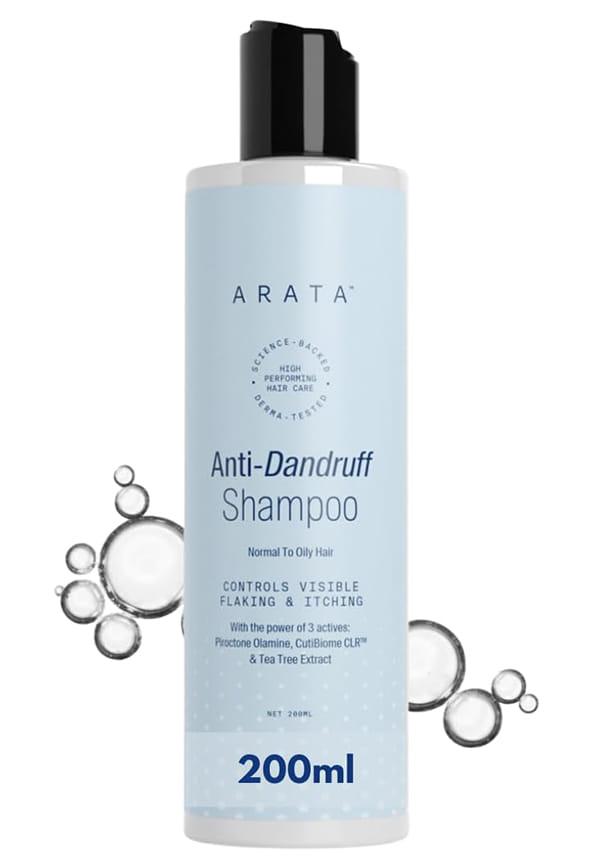 200ml
200mlAnti Dandruff Shampoo
What you eat affects your scalp health. Foods rich in zinc, B vitamins, and omega-3 fatty acids support healthy skin and may help reduce dandruff. Consider incorporating more fish, nuts, seeds, and leafy greens into your diet while limiting excessive sugar and processed foods.
Hot water, harsh styling products, and overwashing can all worsen dandruff. Use lukewarm water when washing your hair, choose gentle, sulphate-free products when possible, and avoid excessive heat styling. Cold, dry weather can also trigger flare-ups, so consider using a humidifier during winter months.
With so many dandruff shampoo options available, selecting the right one can feel overwhelming. The key is matching the active ingredient to your specific type of dandruff and scalp condition.
For oily dandruff with large, greasy flakes, look for shampoos containing selenium sulfide or ketoconazole. These ingredients effectively control oil production and fungal growth. If you're dealing with dry, small flakes, zinc pyrithione or coal tar formulations might work better as they're gentler while still being effective.
Your scalp can sometimes become resistant to a single active ingredient over time. Consider rotating between two different dandruff shampoos with different active ingredients every few weeks. This approach can help maintain effectiveness and prevent your scalp from adapting to one treatment.
Effective dandruff treatment doesn't have to break the bank. Many affordable drugstore options contain the same active ingredients as premium brands. However, premium formulations might include additional moisturising or soothing ingredients that make them more pleasant to use. The most important factor is finding a product with the right active ingredient for your needs, regardless of price point.
Since dandruff shampoos can be drying, using a good conditioner is essential. Apply conditioner only to the hair lengths and ends, avoiding the scalp area. Look for lightweight, non-comedogenic formulas that won't clog hair follicles or contribute to scalp buildup.
Sometimes what looks like dandruff is actually a dry scalp condition that requires different treatment approaches. Understanding the difference helps you choose the most effective remedies.
Dry scalp typically produces smaller, white flakes and feels tight or itchy, especially after washing. True dandruff usually involves larger, oilier flakes and may include redness or inflammation. Dry scalp often responds better to moisturising treatments, while dandruff requires antifungal or anti-inflammatory approaches.
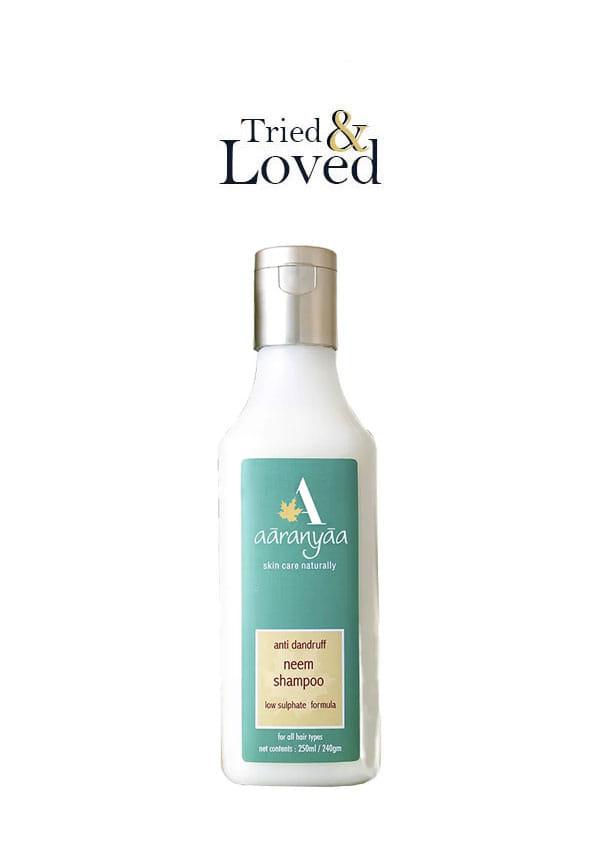 250 ml
Anti-Dandruff Shampoo
For severe dry scalp conditions, overnight oil treatments can provide deep moisture. Try warm coconut oil, argan oil, or jojoba oil massaged into the scalp before bed. Cover with a shower cap and wash out thoroughly in the morning. These treatments can be done weekly until symptoms improve.
If over-the-counter treatments aren't working, dermatologists can prescribe stronger medicated shampoos, topical steroids for inflammation, or oral antifungal medications for severe cases. Professional scalp treatments at salons can also provide deep cleansing and targeted care.
Smytten's platform makes it easier to discover and try different haircare solutions without committing to full-size products. With curated trial packs from trusted brands, you can explore various dandruff treatments and scalp care products to find what works best for your specific needs. This approach is particularly valuable when dealing with dandruff, as different people respond to different ingredients and formulations.
Most people see improvement within 2-4 weeks of consistent treatment. For faster relief, use a medicated shampoo 2-3 times per week, avoid scratching, and maintain good scalp hygiene. Some people notice reduced itching within a few days, but visible flake reduction typically takes 1-2 weeks.
Yes, but stick to gentle options. Zinc pyrithione and selenium sulfide are generally considered safe during pregnancy. Avoid coal tar products and always consult your doctor before starting any new treatments. Natural remedies like diluted apple cider vinegar or coconut oil are typically safe alternatives.
Use gentler approaches for kids. Mild baby shampoos, diluted apple cider vinegar rinses, or gentle coconut oil treatments work well. Avoid harsh medicated shampoos unless recommended by a paediatrician. Focus on gentle cleansing and moisturising rather than strong active ingredients.
While dandruff can be effectively managed and controlled, it's often a chronic condition that requires ongoing maintenance. Many people can achieve long periods without symptoms by finding the right treatment routine and maintaining good scalp care habits. The key is consistent management rather than expecting a permanent cure.
For quick relief, try a coconut oil scalp massage before bed, followed by thorough washing in the morning. Aloe vera gel can also provide overnight soothing for itchy, irritated scalps. However, avoid leaving medicated shampoos on overnight as they can cause irritation.
Conquering dandruff requires understanding your specific scalp condition and choosing the right combination of treatments. Whether you opt for medicated shampoos, natural remedies, or a combination approach, consistency is key to seeing lasting results. Remember that what works for one person might not work for another, so don't get discouraged if the first treatment you try isn't perfect.
The most effective dandruff management combines immediate relief strategies with long-term prevention habits. Pay attention to your scalp's responses to different treatments, maintain good scalp hygiene, and don't hesitate to consult a dermatologist if over-the-counter options aren't providing adequate relief. With patience and the right approach, you can achieve a healthy, flake-free scalp that lets you wear black tops with confidence again. After all, why settle for an uncomfortable, itchy scalp when you can find the perfect solution for your needs?
