How to Choose the Right Shampoo for Itchy Scalp Relief

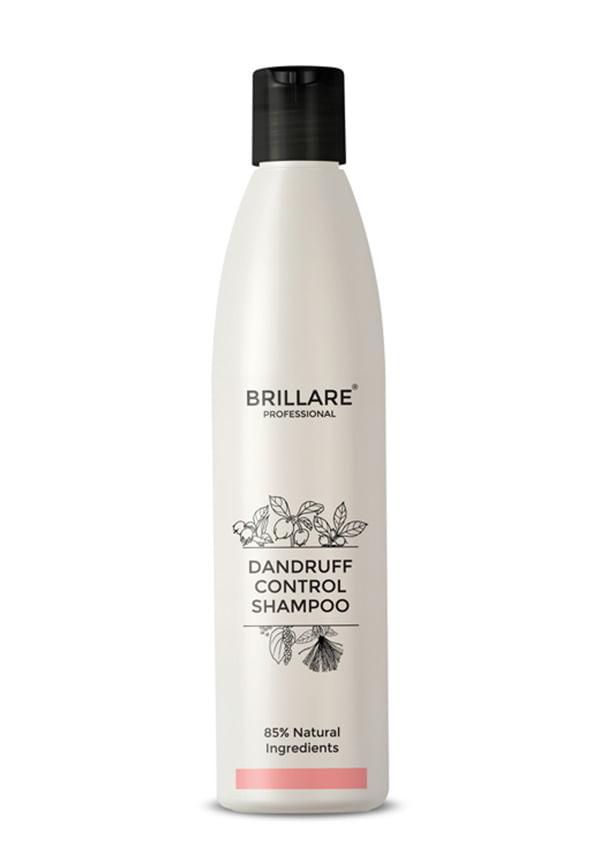
Dandruff Control Shampoo For Itchy, Flaky Scalp
You know that moment when your scalp decides to throw a proper tantrum? The constant scratching, the awkward head-tilting in meetings, the way you catch yourself doing that weird finger-massage thing in public. If you're dealing with an itchy scalp that's driving you absolutely mental, you're definitely not alone. Finding the right shampoo for itchy scalp can feel like searching for a needle in a haystack, especially when every product promises to be your scalp's new best mate. Let's sort through the noise and find what actually works for your particular brand of scalp drama.
Real talk – your itchy scalp isn't just being dramatic for no reason. There's usually something specific going on up there, and figuring out the root cause is your first step towards sweet relief. The most common culprit? Dandruff, which happens when a yeast called Malassezia decides to have a party on your scalp. But that's not the only troublemaker in town.
Seborrheic dermatitis is dandruff's more intense cousin – think red, scaly patches that itch like mad. Then there's contact dermatitis, which basically means your scalp is having an allergic reaction to something (hello, harsh shampoos or styling products). Psoriasis can also crash the party, bringing thick, silvery scales that make your scalp feel tight and uncomfortable.
Sometimes your scalp itches but there's no visible dandruff in sight. This could be down to dryness, product buildup, or even stress messing with your scalp's natural balance. Environmental factors like pollution, hard water, or extreme weather can also trigger scalp irritation relief needs. If your itching comes with hair loss, severe redness, or doesn't improve after a few weeks of proper scalp care, it's worth chatting with a dermatologist.
When you're hunting for an anti-itch shampoo, the ingredient list is where the magic happens. Think of these ingredients as your scalp's personal bodyguards – each one tackles different aspects of the itching situation.
Ketoconazole is the heavyweight champion for fungal-related itching. It's an antifungal that goes after the yeast causing your dandruff drama. Salicylic acid works like a gentle exfoliator, helping to shift dead skin cells and control oil production. Zinc pyrithione brings antimicrobial benefits to the party, whilst selenium sulfide helps calm inflammation and slow down skin cell turnover.
Tea tree oil is your cooling, antimicrobial mate that brings instant relief to irritated scalps. Aloe vera offers hydration and healing properties that feel absolutely lovely on angry skin. Oatmeal provides gentle exfoliation without being harsh, and botanical extracts like sage can add extra soothing power to your routine.
For dry scalp treatment, look for hyaluronic acid, which holds moisture like nobody's business. Ceramides help repair your scalp's protective barrier, whilst glycerin keeps hydration locked in where it belongs.
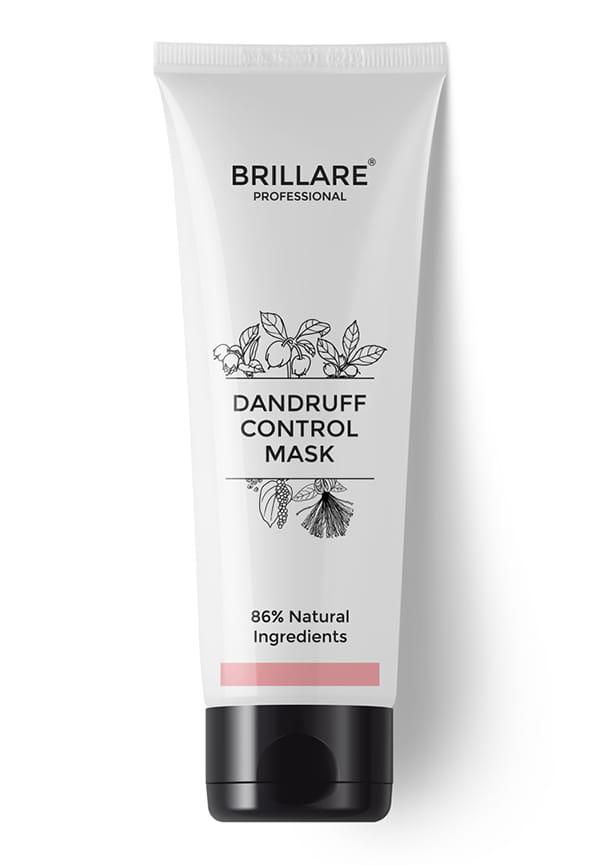
Conditioner For Itchy, Flaky Scalp
Not all itchy scalps are created equal, and your shampoo choice should reflect what's actually happening up there. It's like choosing the right outfit for the weather – you wouldn't wear a winter coat in summer, right?
If dandruff is your main issue, you'll want a dandruff shampoo with proven anti-fungal ingredients. Look for formulations containing ketoconazole, zinc pyrithione, or selenium sulfide. Start by using these 2-3 times a week, then adjust based on how your scalp responds. Don't forget to follow up with a gentle conditioner on your lengths – medicated shampoos can be a bit drying.
Sensitive scalp shampoo should be your go-to if your scalp is more delicate. Hunt for sulfate-free and paraben-free options that won't strip your scalp's natural oils. pH-balanced formulas are your friend here, as they work with your scalp's natural acidity levels rather than against them.
When your scalp is both oily and itchy, you need something that can deep cleanse without going overboard. Look for ingredients that regulate sebum production whilst providing scalp irritation relief. Clay-based shampoos or those with salicylic acid can work wonders here.
If you're dealing with psoriasis or eczema, you might need something a bit more specialised. Coal tar shampoos can be brilliant for psoriasis, whilst ultra-gentle, fragrance-free formulas work better for eczema-prone scalps.
Dermatologists are pretty unanimous about a few key things when it comes to scalp care. First, they recommend starting with over-the-counter medicated shampoos before jumping to prescription options. The key is consistency – using your chosen anti-itch shampoo regularly rather than switching products every week.
Most derms suggest a rotation approach: use your medicated shampoo 2-3 times a week, and alternate with a gentle, moisturising shampoo on other days. This prevents your scalp from getting too used to one formula whilst avoiding over-treatment. They also emphasise proper application technique – really massaging the shampoo into your scalp and leaving it on for a few minutes before rinsing.
For stubborn cases, dermatologists might recommend combination therapies. This could mean using a medicated shampoo alongside topical treatments like scalp serums or even prescription medications. The goal is always to address both the symptoms and the underlying cause of your scalp drama.
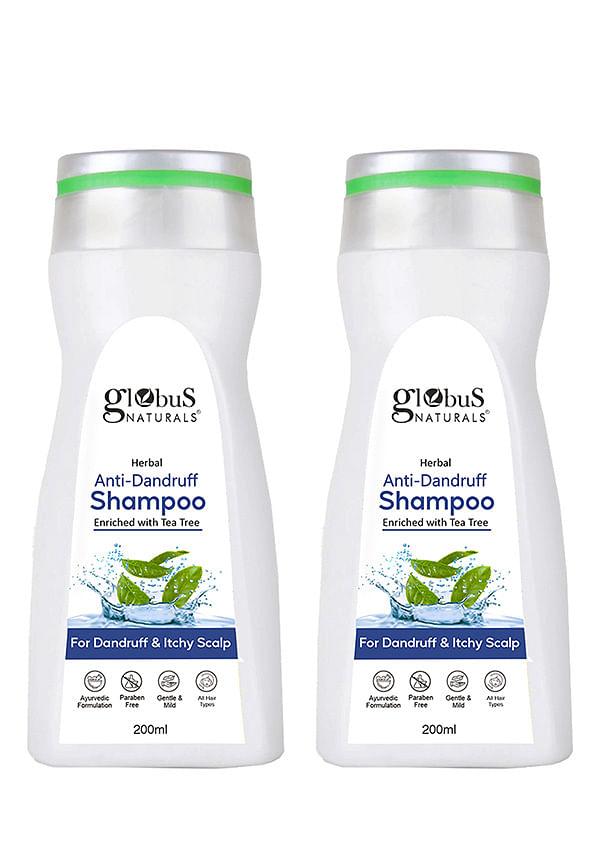
Anti Dandruff Shampoo, For Dandruff and Itchy Scalp
Using shampoo for itchy scalp isn't just about slapping it on and hoping for the best. There's actually a bit of technique involved if you want to get the most out of your haircare for itchy scalp routine.
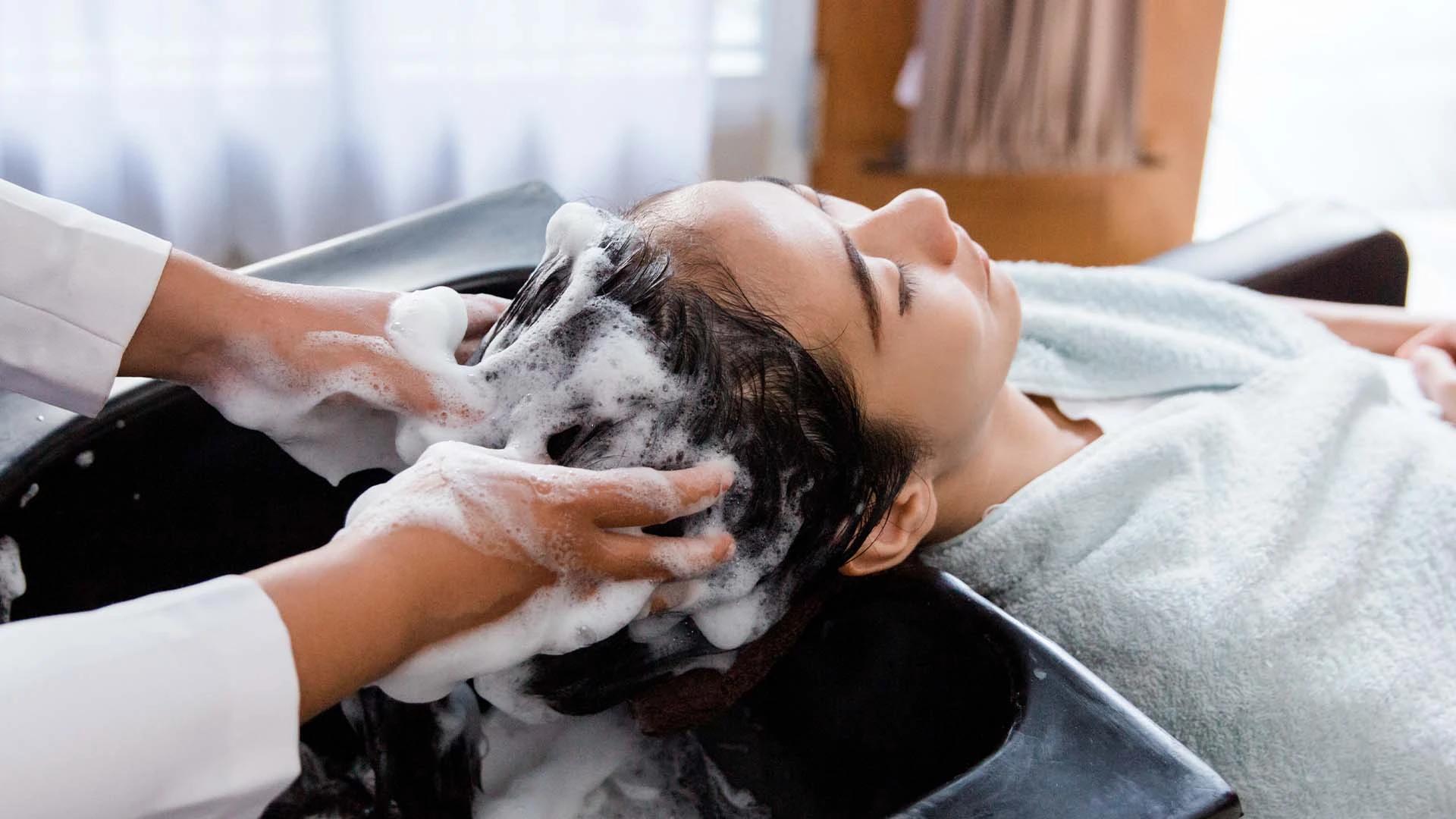
Start by wetting your hair thoroughly with lukewarm water – hot water can actually make itching worse. Apply your soothing shampoo directly to your scalp, not your hair lengths. Use your fingertips (not nails!) to gently massage the product in circular motions. Let medicated shampoos sit for 3-5 minutes to do their thing, then rinse thoroughly.
Most medicated shampoos work best when used 2-3 times per week initially. Once your scalp calms down, you can often reduce this to once or twice weekly for maintenance. On non-medicated days, use a gentle, moisturising shampoo to keep your scalp happy.
Always condition your hair lengths (avoiding the scalp if you're dealing with oiliness). Consider adding a scalp serum or treatment oil if your scalp tends towards dryness. Be mindful of styling products – heavy formulas can build up and trigger more itching.
Let's be honest – when your scalp is driving you mad, it's tempting to try everything at once or wash your hair every day thinking it'll help. But these well-meaning mistakes can actually make things worse.
Over-washing is probably the biggest culprit. Your scalp needs some natural oils to stay healthy, and stripping them away daily can trigger even more irritation. Stick to washing every other day or every two days unless your dermatologist says otherwise.
Hot water feels amazing when your scalp is itchy, but it's actually making the problem worse by stripping natural oils and increasing inflammation. Lukewarm water is your scalp's best mate. Also, resist the urge to switch products every week – give each new itchy scalp shampoo at least 4-6 weeks to show results.
Product buildup is another sneaky issue. If you're using lots of styling products or not rinsing thoroughly, residue can accumulate and trigger more itching. A weekly clarifying wash can help reset things.
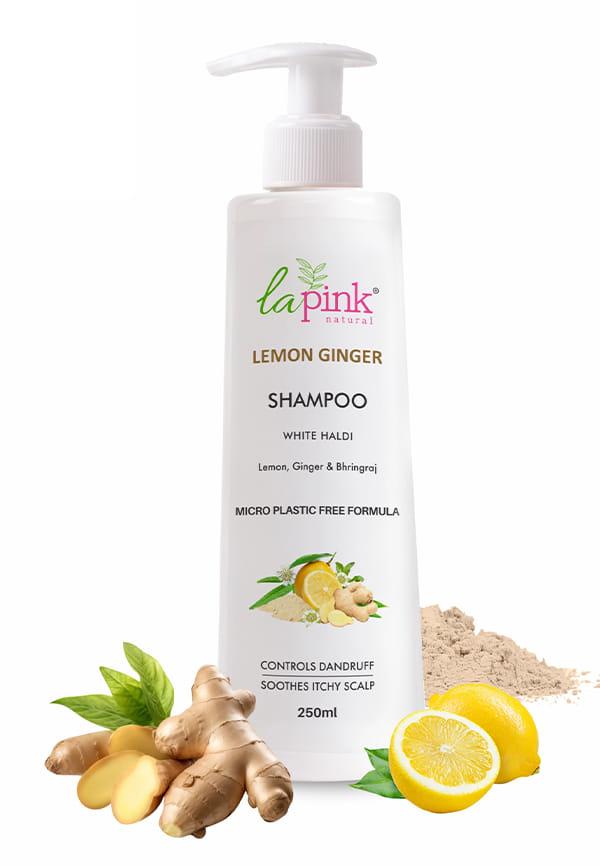
Lemon Ginger Shampoo with White Haldi to Control Dandruff & Soothe Itchy Scalp
The best shampoo depends on what's causing your itch. For dandruff-related itching, look for shampoos with ketoconazole, zinc pyrithione, or salicylic acid. If you have a sensitive scalp with no visible dandruff, opt for gentle, sulfate-free formulas with soothing ingredients like aloe vera or oatmeal.
When there's no visible dandruff, your scalp might be dry or sensitive. Look for moisturising, pH-balanced shampoos with ingredients like hyaluronic acid, ceramides, or natural oils. Avoid sulfates and harsh detergents that can strip your scalp's natural protective barrier.
This could be due to several factors: dry scalp from weather or over-washing, product buildup, contact dermatitis from hair products, stress affecting your scalp's balance, or even hard water minerals irritating your skin. Sometimes the flakes are too small to see or you might be dealing with a different scalp condition altogether.
Absolutely, especially if your itching is caused by fungal overgrowth or dandruff. Ketoconazole is an antifungal ingredient that targets the yeast responsible for many scalp issues. Use it 2-3 times per week initially, leaving it on your scalp for 3-5 minutes before rinsing. You should see improvement within 2-4 weeks of consistent use.
Most people notice some relief within the first week, but significant improvement typically takes 2-4 weeks of consistent use. Medicated shampoos need time to address the underlying cause of itching, not just mask the symptoms. If you don't see any improvement after 6 weeks, it's worth trying a different approach or consulting a dermatologist.
India's humid climate and pollution levels can definitely impact scalp health. Look for shampoos with clarifying properties to remove pollution buildup, and consider ingredients like neem or tea tree oil that work well in humid conditions. During monsoon season, antifungal ingredients become even more important due to increased moisture.
Finding the right shampoo for itchy scalp is definitely a journey, but it's one that's totally worth taking. Remember that consistency beats intensity every time – gentle, regular care will get you better results than aggressive daily washing. Pay attention to what your scalp is telling you, and don't be afraid to adjust your routine as needed.
The key is understanding what's causing your particular scalp drama and choosing ingredients that address those specific issues. Whether you're dealing with dandruff, dryness, or sensitivity, there's definitely a solution out there that'll work for your scalp's unique needs.
Smytten's curated selection includes various scalp care options from trusted brands, making it easier to find products that suit your specific concerns. Not sure which formula might work best for your scalp type? Many of these shampoos are available in trial sizes through Smytten – a smart way to test what works before investing in full-size bottles.
