How to Choose the Right Hair Styling Tools

 3 Unit
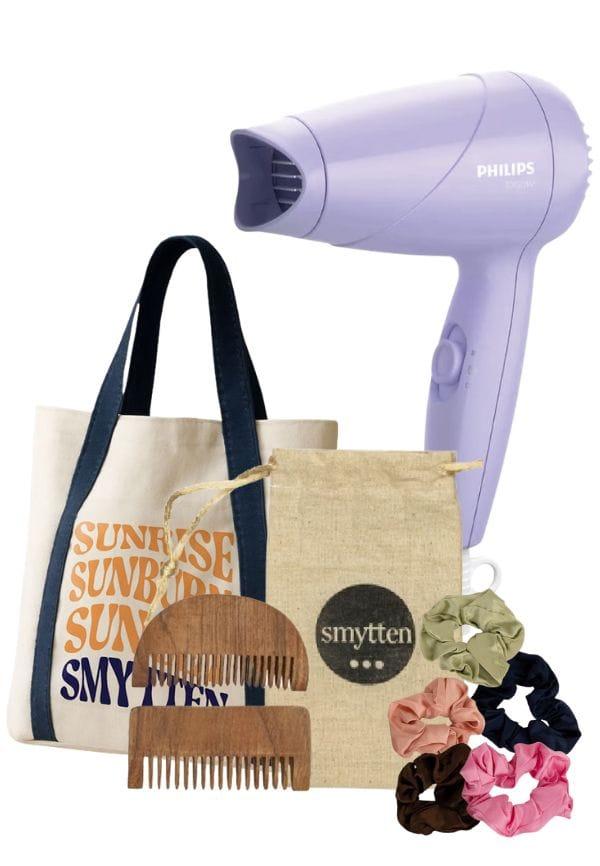
On-the-Go Hair Kit
Let's be real—walking down the hair tools aisle can feel like navigating a maze. With endless options promising salon-worthy results, understanding hair styling tools becomes your secret weapon for making smart choices. Whether you're after bouncy curls, pin-straight locks, or that effortlessly tousled look, the right tools can make all the difference. But here's the thing: not every tool works for every hair type, and knowing what suits your specific needs saves you from buyer's remorse. From heat settings to barrel sizes, we're breaking down everything you need to know about choosing hair styling tools that actually deliver on their promises.
Think of hair styling tools as your personal styling squad—each one has a specific job, and when you understand their roles, magic happens. These aren't just gadgets; they're precision instruments designed to transform your hair texture, add volume, create curls, or smooth out frizz. The key to mastering hair styling lies in knowing which tool does what and how to use it properly.
Hair styling tools are specialised devices designed to shape, style, and enhance your hair's appearance. From basic brushes to high-tech flat irons, these tools work by manipulating your hair's structure temporarily or semi-permanently. The right hair tools can cut your styling time in half whilst giving you professional-looking results at home.
Here's where it gets interesting—most hair styling techniques rely on heat to temporarily break and reform the hydrogen bonds in your hair. When you apply heat, these bonds become flexible, allowing you to reshape your hair. As it cools, the bonds reform in the new position, holding your style. Modern professional hair tools use advanced technologies like ionic, ceramic, and tourmaline to distribute heat evenly and reduce damage.
Ready to decode the world of hair tools? Each type serves a unique purpose, and understanding their strengths helps you build the perfect styling arsenal. From heat-based powerhouses to gentle alternatives, here's your complete hair styling guide to the must-know tools.
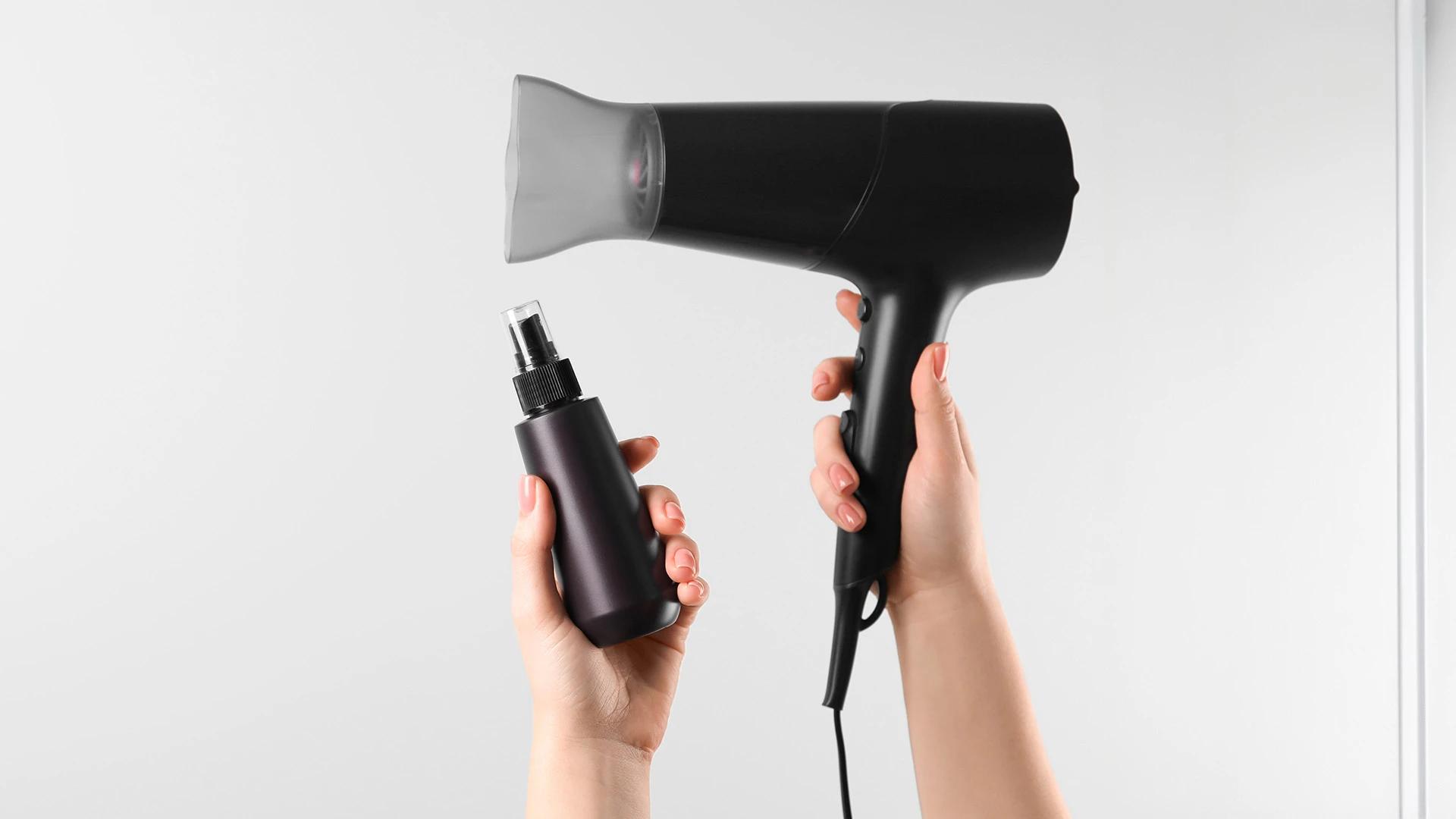
Hair dryers are your styling foundation. Look for ionic technology that breaks down water molecules for faster drying, ceramic components for even heat distribution, and tourmaline for added shine and frizz control.
Flat irons are perfect for sleek, straight styles. Ceramic plates heat evenly, titanium heats quickly and works well on thick hair, whilst tourmaline adds negative ions for smoother results.
Curling irons come in various barrel sizes—smaller barrels create tighter curls, larger ones give loose waves. Temperature control is crucial for preventing heat damage.
Crimpers add texture and volume by creating zigzag patterns. They're brilliant for adding grip to fine hair or creating retro-inspired looks.
Brushes and combs are the unsung heroes of hair styling. Paddle brushes smooth and detangle, round brushes add volume during blow-drying, and wide-toothed combs work best on wet or curly hair.
Hair rollers create curls without heat damage. Velcro rollers add volume, foam rollers are gentle for overnight use, and heated rollers offer the convenience of quick styling.
 700 ml
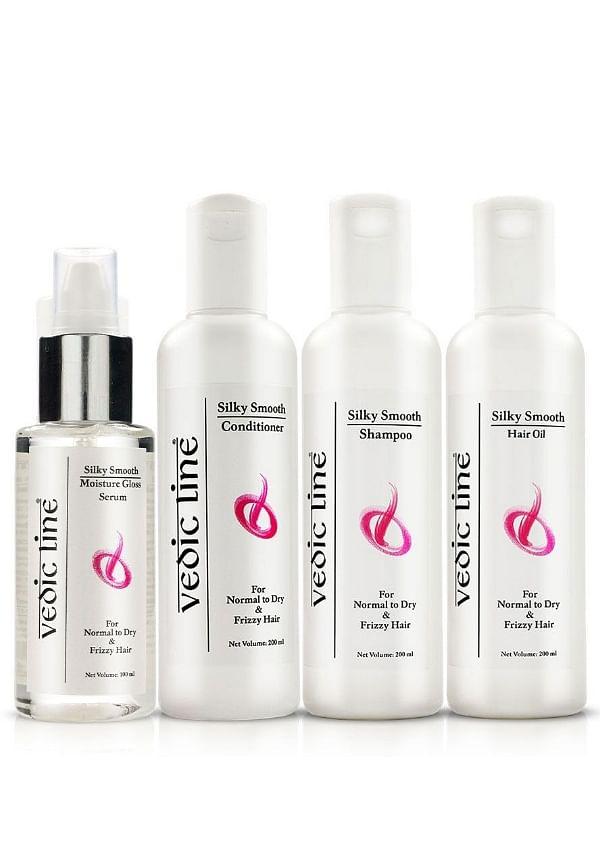
Silky Smooth Hair Revival Kit
Diffusers attach to your hair dryer to enhance natural curl patterns whilst reducing frizz. They're game-changers for wavy and curly hair types.
Your hair type determines which tools will work best for you. Understanding your hair's unique characteristics—from texture to thickness—helps you choose tools that enhance rather than fight against your natural hair pattern. This personalised approach to hair styling ensures better results with less effort.
Type 1 (Straight) hair benefits from volumising tools like round brushes and root-lifting hair dryers. Fine straight hair needs gentle heat settings, whilst coarse straight hair can handle higher temperatures.
Type 2 (Wavy) hair thrives with diffusers to enhance natural waves or flat irons for sleek styles. The key is working with your hair's natural movement rather than against it.
Type 3 (Curly) hair loves wide-toothed combs, diffusers, and curl-enhancing tools. Avoid brushes on dry curly hair—they'll create frizz instead of definition.
Type 4 (Coily) hair requires specialised tools like wide-toothed combs, denman brushes, and low-heat styling tools to prevent breakage whilst maintaining curl patterns.
Fine hair needs lightweight tools and lower heat settings. Focus on volumising techniques and avoid heavy products that weigh hair down.
Thick hair requires powerful tools with higher heat settings for efficient styling. Sectioning becomes crucial—work in smaller sections for even heat distribution.
Damaged hair benefits from gentle, low-heat alternatives and tools with protective coatings. Always use heat protectant products and consider air-drying when possible.
The gap between professional and consumer hair tools has narrowed significantly, but key differences remain. Professional tools typically offer superior build quality, more precise temperature control, and longer-lasting performance. However, many consumer-grade options now incorporate professional-level technologies at accessible price points.
Professional hair tools are built for daily salon use, meaning they're designed to withstand constant use whilst maintaining consistent performance. They often feature more precise temperature controls, faster heating times, and ergonomic designs that reduce hand fatigue during extended styling sessions.
 100 ml
Ombre Blu
For home use, look for tools that balance performance with safety features. Auto-shutoff functions, heat-resistant mats, and clear temperature displays make styling safer and more convenient. Multi-functional tools like hair dryer brushes or interchangeable barrel curling sets offer versatility without cluttering your space.
Owning the right tools is just the beginning—knowing how to use them properly makes all the difference. Proper hair styling techniques not only improve your results but also extend the life of both your tools and your hair. Small adjustments in your approach can dramatically improve your styling outcomes.
Always start with clean, properly prepped hair. Apply heat protectant products before using any heated tools—this step is non-negotiable for maintaining hair health.
Section your hair appropriately. Smaller sections heat more evenly and hold styles longer. Use clips to keep sections organised and ensure you don't miss any areas.
Allow tools to heat fully before use, and let each section cool completely before touching or brushing to help the style set properly.
Using excessive heat is the quickest way to damage your hair. Start with lower temperatures and increase gradually if needed. Most hair types don't require maximum heat settings.
Skipping heat protectant products leaves your hair vulnerable to damage. Even the best hair tools can cause harm without proper protection.
Rushing through styling often leads to uneven results. Take your time, especially when learning new hair styling techniques.
Smart shopping for hair tools involves balancing your specific needs with your budget. Consider how often you'll use each tool, your skill level, and your hair's unique requirements. Sometimes investing in one high-quality tool serves you better than buying multiple cheaper options that don't perform well.
Temperature range matters—look for tools with adjustable heat settings rather than fixed temperatures. Variable heat control lets you customise the temperature to your hair type and styling needs.
Plate and barrel materials significantly impact performance. Ceramic provides even heat distribution, titanium heats quickly and works well on thick hair, and tourmaline adds shine whilst reducing frizz.
Ergonomic design becomes important if you style your hair frequently. Lightweight tools with comfortable grips reduce hand fatigue during longer styling sessions.
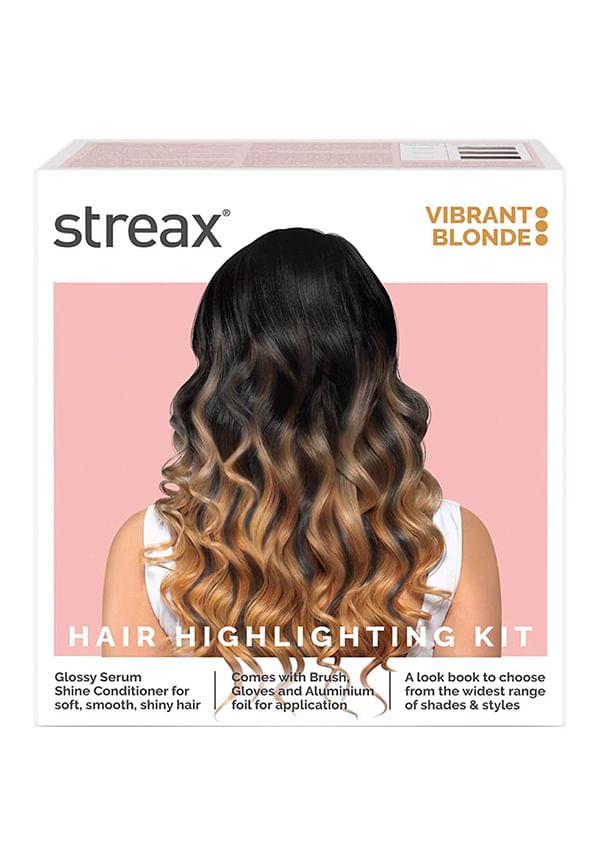 Kit
KitUltralights Hair Colour Highlight Kit
Calculate cost per use rather than just upfront price. A slightly more expensive tool that lasts years and performs consistently offers better value than cheaper alternatives that need frequent replacement.
Consider starting with versatile tools that serve multiple purposes, then add specialised tools as your skills and needs develop.
When exploring new hair care tools and products, platforms like Smytten make it easier to discover what works for your hair type. With curated trial packs from trusted brands, you can test styling products that complement your tools before committing to full-size purchases. This approach helps you build a complete haircare routine that supports your styling goals whilst ensuring you never settle for products that don't deliver results.
Start with a quality hair dryer, a versatile flat iron with adjustable temperature settings, and a good set of brushes including a paddle brush and round brush. These basics cover most styling needs whilst you develop your skills.
Barrel size determines curl tightness—smaller barrels (¾ inch to 1 inch) create tight curls, medium barrels (1.25 to 1.5 inches) produce classic curls, and larger barrels (2 inches and above) create loose waves and volume.
Fine or damaged hair should stay between 250-300°F, normal hair can handle 300-350°F, and thick or coarse hair may need 350-400°F. Always start lower and increase gradually if needed.
Quality tools can last 3-5 years with proper care. Replace them when they no longer heat evenly, have damaged cords, or show signs of wear that affect performance or safety.
Most heated styling tools are designed for dry hair only. Using them on wet hair can cause severe damage and uneven results. Always ensure hair is completely dry before using flat irons, curling irons, or crimpers.
Choosing the right hair styling tools transforms your daily routine from a chore into a creative outlet. Understanding your hair type, learning proper techniques, and investing in quality tools that match your needs sets you up for styling success. Remember, the best hair tools are the ones you'll actually use consistently—sometimes a simple, reliable tool outperforms a complex gadget that intimidates you.
Your hair styling journey is personal, and what works for others might not work for you. Take time to experiment with different hair styling techniques and don't be afraid to try new approaches. With the right tools and knowledge, achieving salon-worthy results at home becomes not just possible, but enjoyable. Whether you're mastering the perfect blowout or creating effortless waves, the right tools make all the difference in bringing your hair goals to life.
