How to Choose the Right Hair Products for You

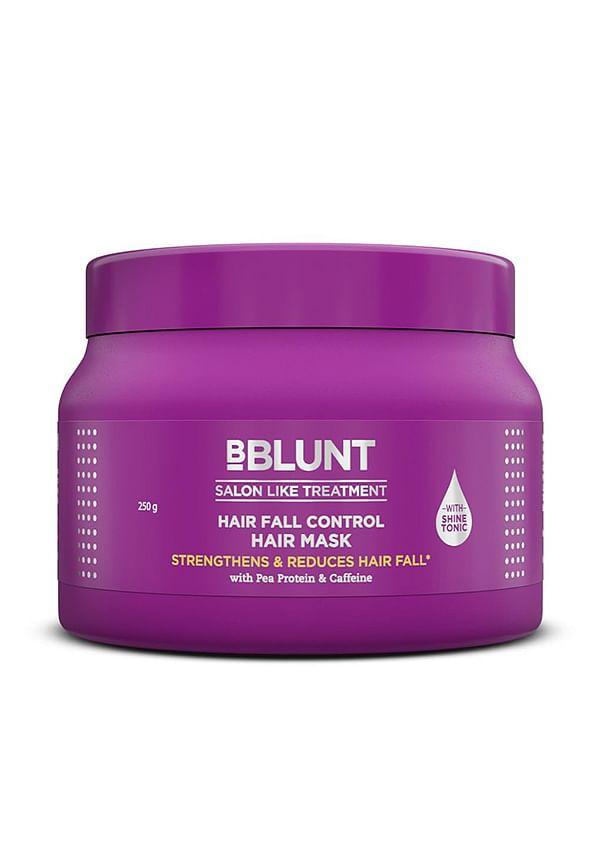 250 gm
Hair Fall Control Hair Mask
Let's be real—walking down the haircare aisle can feel like navigating a maze blindfolded. With endless bottles promising miracle transformations, choosing right hair products becomes overwhelming fast. But here's the thing: your hair is as unique as you are, and what works for your bestie might leave your locks looking less than stellar. The secret isn't finding the most expensive product or following every trend—it's understanding what your hair actually needs and matching it with the right formulas. Think of this as your personal hair product guide to decode the mystery and find your perfect match.
Before diving into any hair care routine, you need to know what you're working with. Your hair type isn't just about whether it's straight or curly—it's a complex combination of texture, porosity, and density that determines how products will perform.
Type 1 hair is straight and tends to be naturally shiny because oils travel easily from root to tip. If you have fine Type 1 hair, heavy products can weigh it down, whilst coarse Type 1 hair can handle richer formulas. Type 2 hair has that lovely S-pattern wave and sits somewhere between straight and curly. It's often prone to frizz and can vary from loose waves to more defined spirals. This hair type benefits from lightweight moisture and frizz-fighting ingredients. Type 3 hair features defined curls that range from loose spirals to tight corkscrews. These curls naturally have more volume but tend to be drier since oils struggle to travel down the curved hair shaft. Type 4 hair has the tightest curl pattern, from soft coils to zigzag textures. This hair type is the most fragile and requires gentle handling with moisture-rich products.
Hair porosity determines how well your hair absorbs and retains moisture. Low porosity hair has tightly closed cuticles that repel water—think of it as your hair wearing a raincoat. These strands need lightweight, penetrating products that won't sit on the surface. High porosity hair absorbs moisture quickly but loses it just as fast. The cuticles are more open, often due to damage or chemical processing. These strands crave protein treatments and heavier moisturising products. Density refers to how many individual strands you have per square inch. Fine hair needs volumising products, whilst thick hair can handle heavier formulations without looking weighed down.
Building an effective hair care routine starts with understanding the core hair product types and their purposes. Each product serves a specific function, and knowing when and how to use them makes all the difference.
Sulfate free shampoo has become increasingly popular, and for good reason. Traditional sulfates can strip natural oils, leaving hair dry and brittle. However, not everyone needs to avoid sulfates completely—those with oily scalps or heavy product buildup might benefit from occasional clarifying washes. For daily washing, choose gentle, moisturising formulas. If you have dry or damaged hair, consider co-washing (conditioner-only washing) between shampoo sessions.
Conditioner isn't optional—it's essential for maintaining hair health. Leave-in conditioners work brilliantly for extra moisture and detangling, especially on longer or more textured hair. Deep conditioning treatments should be part of your weekly routine if you have damaged, chemically processed, or very dry hair. These intensive treatments penetrate deeper than regular conditioners.
Hair styling products should complement your hair type, not fight against it. Fine hair benefits from lightweight mousses and volumising sprays, whilst thicker textures can handle creams, gels, and oils. Heat protectants are non-negotiable if you use styling tools. Look for products that offer protection up to 230°C and contain nourishing ingredients.
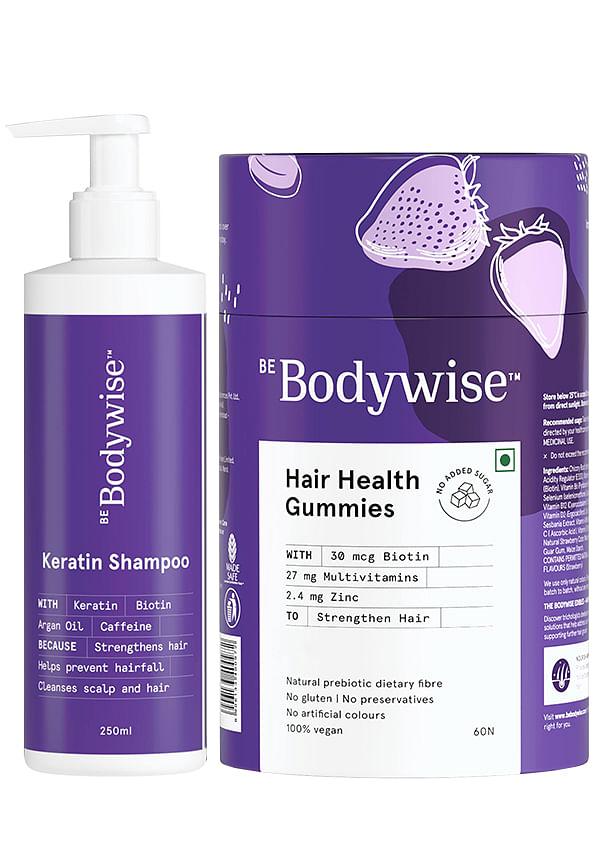 Combo
ComboHair Health Starter Pack for Hair Health, Hair Growth
Understanding hair product ingredients empowers you to make informed choices. Not all ingredients are created equal, and some might be working against your hair goals without you realising it.
Natural hair products often contain powerhouse ingredients like argan oil, which penetrates the hair shaft to provide deep moisture. Shea butter acts as a natural emollient, perfect for dry or damaged strands. Protein ingredients like keratin, silk proteins, and hydrolysed wheat protein help rebuild damaged hair structure. However, too much protein can make hair brittle, so balance is key. Hyaluronic acid isn't just for skincare—it holds up to 1,000 times its weight in water, making it brilliant for moisture-hungry hair. Glycerin draws moisture from the environment, though it can cause frizz in very humid conditions.
Sulfates like SLS and SLES can be harsh, especially for colour-treated or naturally dry hair. However, they're not universally bad—some people with oily scalps benefit from their cleansing power. Parabens, phthalates, and formaldehyde-releasing preservatives have raised concerns about long-term safety. Many brands now offer paraben-free alternatives. Drying alcohols (those listed early in ingredients) can strip moisture, whilst fatty alcohols like cetyl and stearyl alcohol actually condition hair.
Ingredients are listed by concentration, so the first five ingredients make up the bulk of the product. "Natural" doesn't always mean better—some synthetic ingredients perform brilliantly and are safer than their natural counterparts. Look for pH-balanced products, especially for colour-treated hair. The ideal pH for hair products is between 4.5 and 6.5.
Creating an effective routine isn't about using every product available—it's about finding the right combination that works for your lifestyle and hair needs.
Your basic routine should include gentle cleansing (daily for oily hair, 2-3 times weekly for dry hair), conditioning every wash, and heat protection when styling. Weekly treatments might include deep conditioning masks, clarifying shampoos to remove buildup, or protein treatments for damaged hair. Monthly maintenance could involve scalp exfoliation, intensive repair treatments, or professional salon services.
Your hair's needs change with the weather. Summer calls for UV protection and humidity control, whilst winter requires extra moisture and static prevention. Don't be afraid to rotate products seasonally—what works in humid July might not be ideal for dry February air.
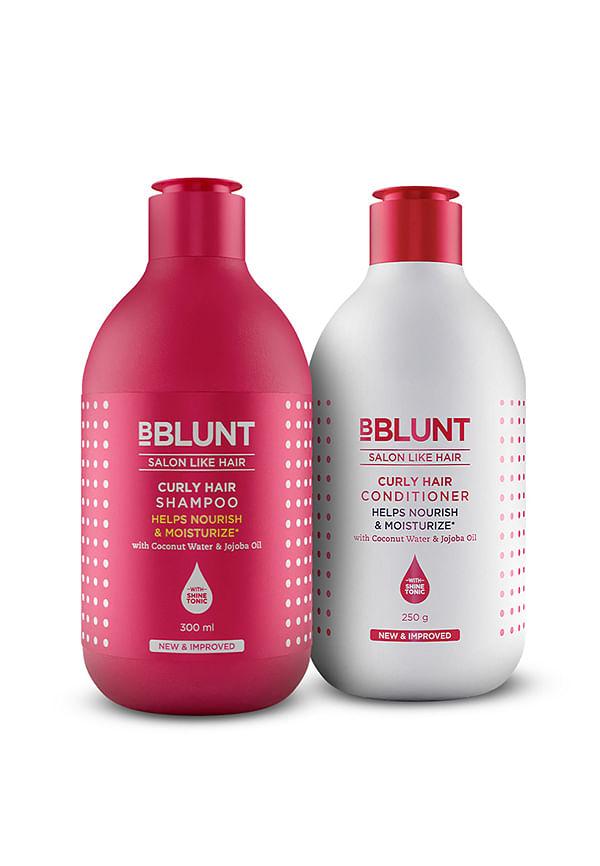 300 ml+250 gm
Curly Hair Shampoo + Curly Hair Conditioner
Every hair concern has targeted solutions, but finding the right approach requires understanding the root cause of your hair woes.
Frizz often stems from moisture imbalance or damage. Anti-humidity serums and smoothing treatments can help, but addressing the underlying dryness is key. Lack of volume might require volumising shampoos, root-lifting sprays, or simply changing your styling technique. Sometimes less product creates more volume. Dryness and damage need intensive moisture and protein balance. Look for products with ceramides, amino acids, and natural oils.
Colour-treated hair has different needs than virgin hair. Colour-safe formulas prevent fading, whilst purple shampoos neutralise brassiness in blonde hair. Regular protein treatments help maintain hair integrity after chemical processing, but overdoing it can cause brittleness.
With countless hair product reviews available online, learning to filter useful information from marketing hype is crucial for making smart purchases.
Look for reviewers with similar hair types and concerns. A product that works brilliantly for thick, coarse hair might disappoint someone with fine, straight strands. Professional reviews often provide technical insights, whilst consumer reviews offer real-world experiences. Both have value in your research process.
Patch test new products, especially if you have sensitive skin. Apply a small amount behind your ear and wait 24 hours for any reaction. Introduce one new product at a time so you can identify what's working (or not working) in your routine. This is where platforms like Smytten become invaluable. As India's largest product discovery platform, Smytten offers curated trial packs from over 1,500 trusted brands, letting you explore products before committing to full sizes. With trial minis available for just ₹249 and 100% cashback redeemable for future purchases, you can experiment with different formulas risk-free.
Having the right products is only half the battle—proper application and complementary hair health tips ensure you get the most from your routine.
Shampoo your scalp, not your lengths. The cleansing action and water runoff will clean the rest of your hair without stripping moisture. Apply conditioner from mid-length to ends, avoiding the roots unless you have very dry hair. Leave it on for the recommended time—rushing won't give you the full benefits. When using heat styling tools, apply protectant to damp hair and allow it to dry slightly before styling.
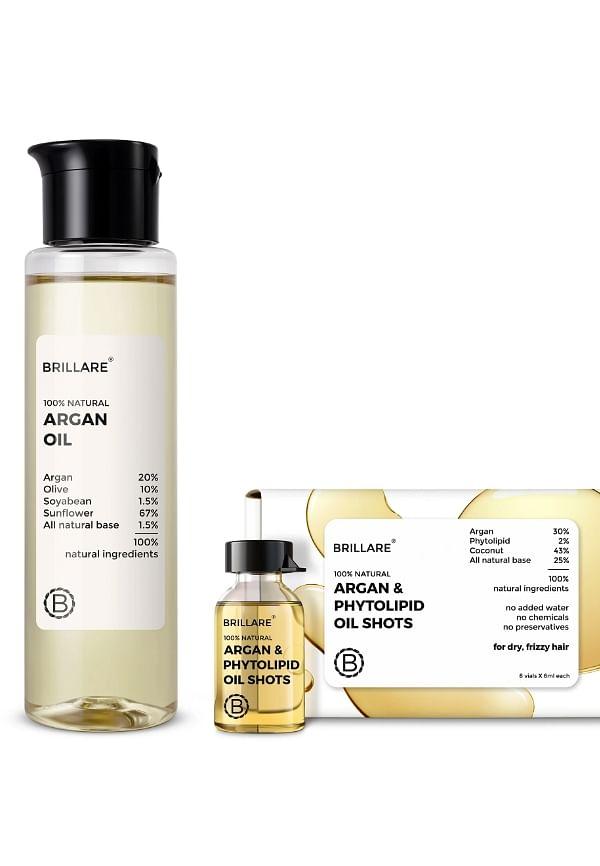 Combo
ComboHair Nourishing Duo for Dry & Frizzy Hair
Your brush matters. Wide-tooth combs work best for wet hair, whilst boar bristle brushes distribute natural oils beautifully. Microfiber towels or cotton t-shirts cause less friction than regular towels, reducing breakage and frizz. Silk pillowcases aren't just luxury—they reduce friction whilst you sleep, preventing tangles and breakage. Diet, stress levels, and sleep quality all impact hair health. No product can completely compensate for poor nutrition or chronic stress.
This depends entirely on your hair type and lifestyle. Oily hair might need daily washing, whilst dry or textured hair often benefits from washing 2-3 times per week. Listen to your hair—it will tell you what it needs.
Whilst you can stick with favourites, seasonal adjustments often improve results. Your hair might need extra moisture in winter or lighter products in humid summer weather.
Give new products 2-4 weeks to show results, as hair needs time to adjust. Signs a product isn't working include increased dryness, unusual oiliness, irritation, or hair that feels worse than before.
Not necessarily. Some drugstore products perform as well as salon brands. Focus on ingredients and formulation rather than price point. Sometimes you're paying for packaging and marketing rather than superior ingredients.
Not everyone needs to avoid sulfates completely. If you have oily hair or use heavy styling products, occasional sulfate use can be beneficial. Those with dry, damaged, or colour-treated hair typically benefit from sulfate-free alternatives.
Choosing the right hair products doesn't have to feel like rocket science. Start with understanding your hair type, porosity, and specific concerns, then build your routine gradually. Remember that what works for others might not work for you—and that's perfectly normal. The key is patience and willingness to experiment. With platforms like Smytten, you can try products from trusted brands without the commitment of full-size purchases. This approach lets you discover what truly works for your unique hair needs without breaking the bank. Your hair journey is personal, and finding your perfect routine takes time. But armed with the right knowledge and a willingness to try new things, you'll discover products that make your hair look and feel its absolute best. After all, why settle for 'maybe' when you can find products you'll genuinely love?
