How to Choose the Best Products for Frizzy Hair

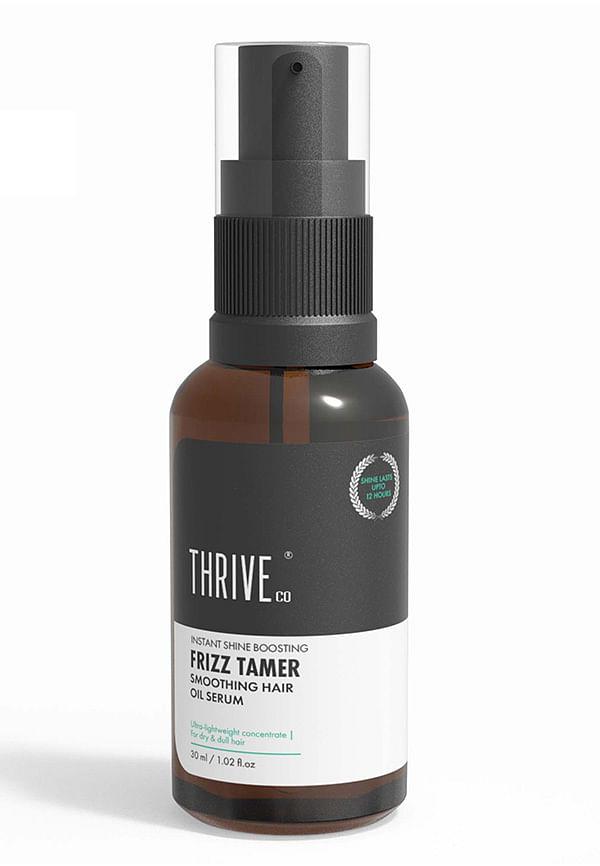 30 ml
30 mlFrizz Tamer Smoothening Hair Oil
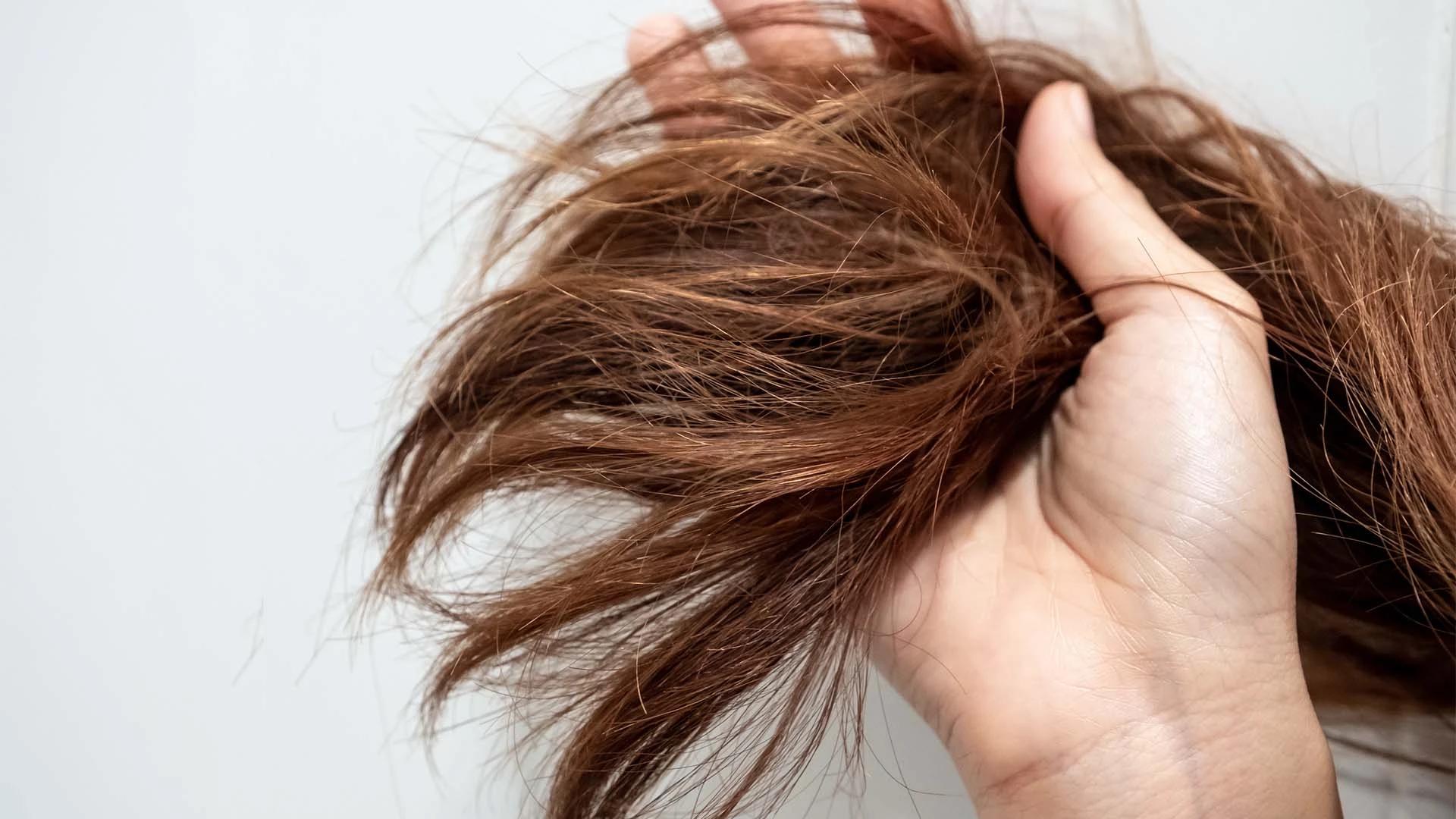
Let's be real—frizzy hair can feel like your worst enemy on some days. One minute your hair looks smooth and manageable, the next it's doing its own thing despite your best efforts. Whether you're dealing with humidity-induced chaos or naturally textured hair that just won't cooperate, finding the right products for frizzy hair can feel overwhelming. With countless options promising miracle results, how do you actually choose what works for your specific hair needs? The good news is that understanding your hair type and the science behind frizz can help you make smarter choices that actually deliver results.
Before diving into product recommendations, it's worth understanding what's actually happening when your hair decides to rebel. Frizz isn't just a styling issue—it's often a sign that your hair needs specific care and attention.
Your hair's outer layer, called the cuticle, acts like protective scales. When these scales lift or become damaged, moisture from the air can penetrate your hair shaft, causing it to swell and create that familiar frizzy texture. This is why frizz control products often focus on smoothing and sealing the cuticle layer.
Hair porosity plays a massive role here too. High-porosity hair absorbs moisture quickly but also loses it just as fast, leading to inconsistent texture and increased frizz. Understanding your hair's porosity level helps you choose between lightweight serums or heavier creams for optimal results.
Curly frizzy hair often results from dehydration and lack of proper curl definition. The natural spiral structure of curly hair makes it harder for natural oils to travel down the hair shaft, leading to dryness and frizz.
Products for dry frizzy hair need to focus heavily on moisture retention and barrier protection. This type of frizz often appears as a halo effect around your head and feels rough to the touch.
Weather-induced frizz is temporary but frustrating. Your hair might be perfectly smooth indoors but turn into a frizzy mess the moment you step outside on a humid day.
Heat damage from styling tools is one of the biggest culprits behind persistent frizz. When you use high temperatures without proper protection, you're essentially cooking your hair's protein structure, leading to permanent damage and increased frizz susceptibility.
Chemical processing like colouring, perming, or relaxing can also compromise your hair's integrity. These treatments often require specialised anti frizz products to maintain hair health and manageability.
Building an effective frizz-fighting routine requires understanding which products serve what purpose. Not every product works for every hair type, so knowing your options helps you curate the perfect combination.
The foundation of any good frizz control routine starts in the shower. Best shampoo for frizzy hair options are typically sulphate-free, as harsh cleansing agents can strip your hair of natural oils and worsen frizz.
Look for formulations containing nourishing ingredients like argan oil, coconut oil, or keratin. These ingredients help smooth the hair cuticle while providing essential moisture. A good conditioner should complement your shampoo by adding extra hydration and creating a protective barrier against environmental stressors.
Hair serum for frizz typically contains silicones that create a protective coating around each hair strand. These work brilliantly for immediate smoothing effects and humidity protection, making them perfect for daily use.
Leave-in treatments offer longer-lasting benefits by continuously nourishing your hair throughout the day. They're particularly useful for curly frizzy hair products routines, as they provide ongoing moisture without weighing down your natural texture.
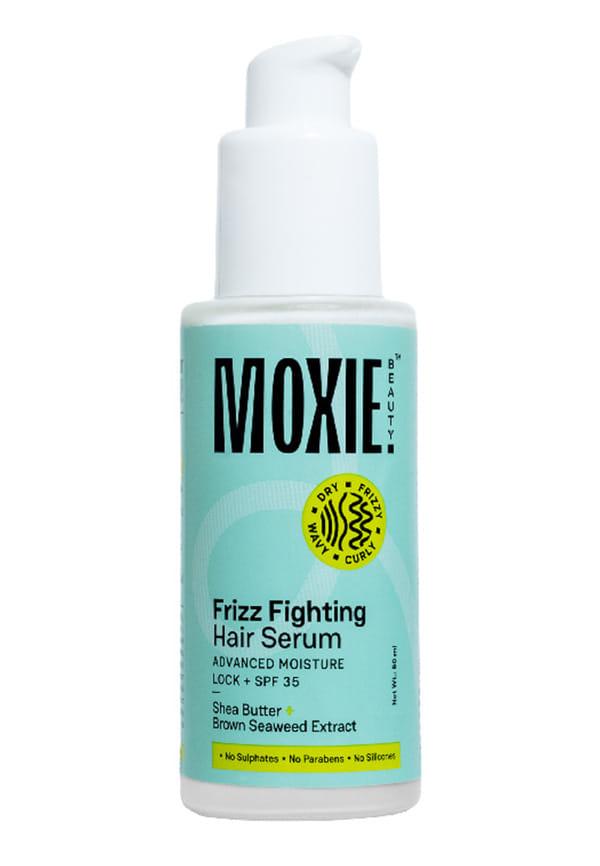 50ml
50mlFrizz Fighting Hair Serum For Dry and Frizzy Hair
Hair masks for frizz provide intensive repair and nourishment that daily products can't match. These treatments penetrate deeper into the hair shaft, helping to rebuild damaged areas and improve overall hair health.
Weekly treatments work well for most people, but severely damaged hair might benefit from more frequent applications. The key is finding the right balance between protein and moisture treatments based on your hair's specific needs.
Understanding ingredient labels helps you make informed choices about which products might work best for your hair. Some ingredients provide immediate cosmetic benefits, while others offer long-term hair health improvements.
Argan oil is often called 'liquid gold' for good reason. It's lightweight enough for fine hair but nourishing enough for coarse textures. This oil penetrates the hair shaft effectively, providing moisture without leaving a greasy residue.
Coconut oil has unique molecular properties that allow it to actually penetrate hair rather than just coating it. This makes it excellent for products for dry frizzy hair, though it can be too heavy for fine or low-porosity hair types.
Castor oil is thicker and more intensive, making it ideal for severely damaged or chemically processed hair that needs extra repair and strengthening.
Proteins help rebuild damaged hair structure by filling in gaps in the hair cuticle. However, too much protein can make hair brittle, so it's important to balance protein treatments with moisturising ones.
Keratin treatments smooth the hair cuticle and reduce frizz for several months. While professional treatments offer the most dramatic results, at-home keratin products can provide similar benefits on a smaller scale.
Water-soluble silicones provide frizz control benefits without the buildup issues associated with traditional silicones. They wash out easily with regular shampoo while still offering excellent humidity protection.
Modern formulations often combine multiple types of silicones to create products that smooth hair immediately while allowing for easy removal during your next wash.
Your hair's unique characteristics determine which products will work best for you. What works brilliantly for your friend might not suit your hair at all, and that's completely normal.
Dry hair needs intensive moisture, so look for products with rich, creamy textures and hydrating ingredients like hyaluronic acid, glycerin, or natural butters. These ingredients help attract and retain moisture in your hair shaft.
Overnight treatments can be particularly beneficial for dry hair, as they provide extended contact time for deep nourishment. Apply a small amount to damp hair before bed and wake up to noticeably smoother strands.
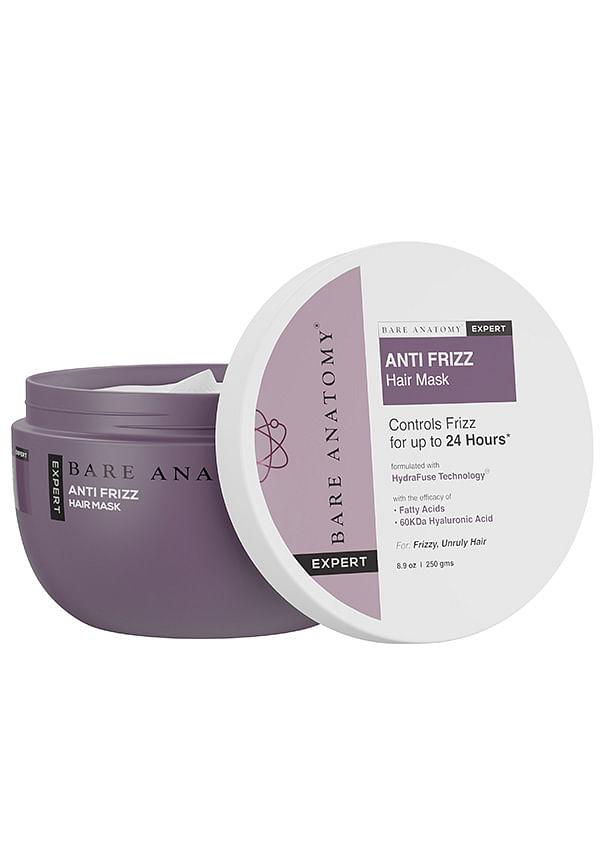 250 gm
Anti-Frizz Hair Mask For Smooth Hair With Hyaluronic Acid
Curly hair has unique needs that require specialised approaches. Curly frizzy hair products should enhance your natural texture rather than fighting against it.
The 'curly girl method' emphasises using products without sulphates, silicones, or drying alcohols. This approach often works well for people with naturally textured hair who want to embrace their curls while minimising frizz.
Hair products for humidity typically contain film-forming ingredients that create a barrier against moisture in the air. These products are essential if you live in a humid climate or travel frequently to different weather conditions.
Seasonal product rotation can be helpful—using lighter formulations in summer and richer products in winter when indoor heating can dry out your hair.
Creating an effective routine isn't just about buying the right products—it's about using them correctly and consistently. A well-planned routine can transform even the most stubborn frizzy hair into manageable, healthy-looking locks.
Your morning routine should focus on protection and styling. Start with damp (not soaking) hair, apply your leave-in treatment or serum, and style as desired. The key is applying products to damp hair, as this helps distribute them evenly and maximises their effectiveness.
Evening care might include applying a small amount of nourishing oil to your ends or using a silk pillowcase to reduce friction while you sleep. These small steps can make a significant difference in how your hair looks the next morning.
Most hair types benefit from weekly deep conditioning treatments, but the type of treatment should vary based on your hair's current condition. Alternate between protein treatments and moisture masks to maintain the ideal balance.
Pay attention to how your hair responds to different treatments. If it feels brittle after protein treatments, focus more on moisture. If it feels limp and lifeless, it might need more protein support.
Heat-free styling methods like plopping, scrunching, or braiding can help enhance your natural texture while minimising damage. When you do use heat tools, always apply a heat protectant first and use the lowest effective temperature.
Proper blow-drying technique involves using a heat protectant, sectioning your hair, and directing airflow down the hair shaft to smooth the cuticle. A round brush can help create smooth, polished results without excessive heat exposure.
Even with the best intentions, it's easy to make mistakes that can actually worsen frizz or prevent your products from working effectively. Avoiding these common pitfalls can save you time, money, and frustration.
Over-washing is one of the biggest mistakes people make with frizzy hair. Washing too frequently strips natural oils, leading to increased dryness and frizz. Most people with frizzy hair benefit from washing 2-3 times per week rather than daily.
Product buildup from using too many styling products or not clarifying regularly can weigh down your hair and prevent new products from working effectively. Use a clarifying shampoo once a month to reset your hair and scalp.
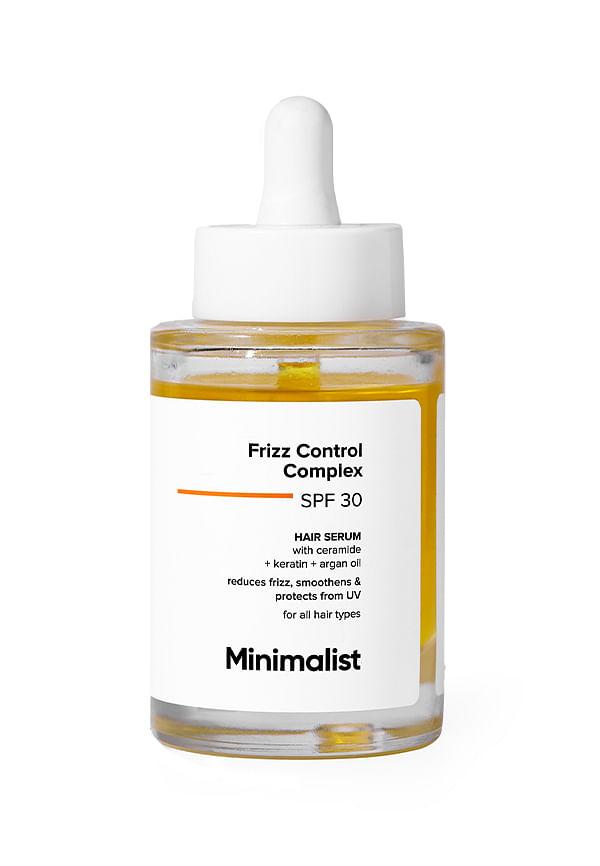 50 ml
50 mlFrizz Control Complex SPF 30 Hair Serum
Using too much product is surprisingly common and can leave your hair looking greasy or weighed down. Start with a small amount and add more if needed—you can always apply more, but it's harder to remove excess product.
Timing matters too. Applying products to completely dry hair often results in uneven distribution and less effective results. Most frizzy hair solutions work best on damp hair when the cuticle is slightly open and receptive to treatment.
With so many options available, finding your perfect frizz-fighting routine doesn't have to involve expensive trial and error. Smytten's trial packs let you test different hair smoothing products and formulations before committing to full-size purchases. This approach helps you discover what actually works for your unique hair needs without the financial risk of buying products that might not suit you.
The best product depends on your specific hair type and needs. Generally, a combination approach works best: a sulphate-free shampoo, a nourishing conditioner, a leave-in treatment for daily protection, and a weekly deep conditioning mask. Look for products containing natural oils, proteins, or silicones based on your hair's porosity and texture.
Prevent frizz by maintaining proper moisture balance, using sulphate-free shampoos, applying leave-in treatments to damp hair, minimising heat styling, and protecting your hair while sleeping with silk pillowcases or bonnets. Consistency with your routine is key to seeing long-term improvements.
A comprehensive approach works best: gentle cleansing with appropriate shampoo, regular deep conditioning, daily protection with leave-in products, and proper styling techniques. The most effective solution combines multiple products and techniques rather than relying on a single miracle product.
Higher-priced products often contain better ingredients and advanced formulations, but many affordable options work effectively. Focus on ingredient quality and how well the product suits your specific hair type rather than price alone. Trial sizes help you test effectiveness before investing in full-size products.
Most people notice immediate smoothing effects from styling products, but significant improvements in hair health and manageability typically appear after 2-4 weeks of consistent use. Deep conditioning treatments may show results after just one use, while overall hair health improvements take longer to develop.
Your hair's needs may change with seasons, humidity levels, and environmental factors. Many people benefit from adjusting their routine seasonally—using lighter products in humid weather and richer formulations in dry conditions. Pay attention to how your hair responds and adjust accordingly.
Choosing the right products for frizzy hair doesn't have to be a guessing game. Understanding your hair type, the science behind frizz, and which ingredients work for your specific needs helps you make informed decisions that actually deliver results. Remember that effective frizz control often requires a combination of products and techniques rather than a single miracle solution.
The key to success lies in consistency and patience. Your hair didn't become frizzy overnight, and it won't transform immediately either. Give new products time to work, typically 2-4 weeks, before deciding whether they're right for you. Most importantly, don't be afraid to experiment with different approaches until you find what works best for your unique hair needs.
With Smytten's extensive range of trial-sized haircare products from trusted brands, you can explore different anti frizz products and hair smoothing products without the commitment of full-size purchases. This makes it easier than ever to build a personalised routine that actually works for your hair, helping you achieve the smooth, manageable results you've been looking for. After all, why settle for frizzy hair when you can discover your perfect frizz-fighting combination?
