How to Choose the Best Organic Hair Care Products for Your Hair Type

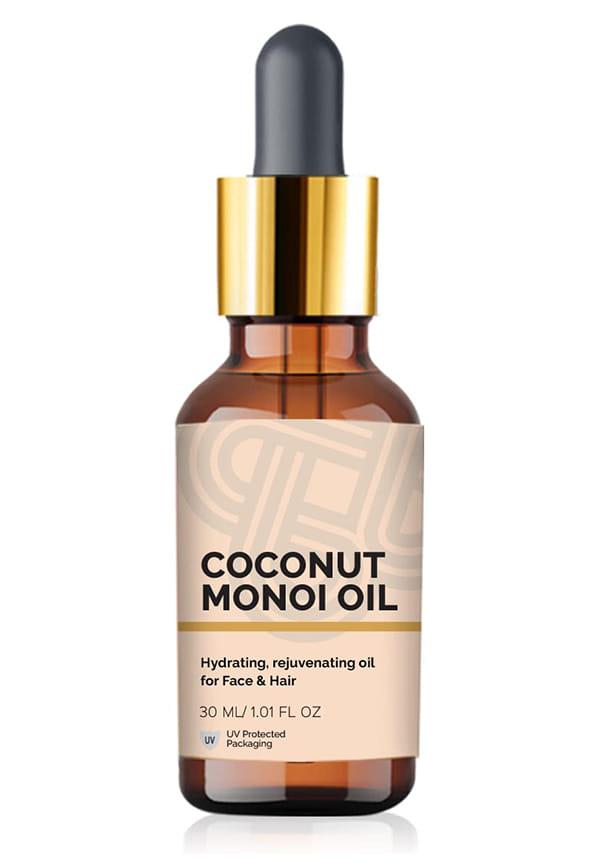 30 ml
30 mlOrganic Coconut Monoi Oil | 100% Natural And Chemical Free | Organic Coconut Oil For Skin & Hair
Switching to organic hair care products feels like giving your hair a fresh start, but let's be real—the sheer number of options can feel overwhelming. Between decoding ingredient lists and figuring out what your hair actually needs, it's easy to get lost in the natural beauty aisle. The good news? Once you know what to look for, choosing the right organic hair care products becomes way less complicated. Whether you're dealing with dry ends, an oily scalp, or just want to ditch the harsh chemicals, finding your perfect match is totally doable. Let's break down everything you need to know to make smart choices for your hair type.
Organic hair care products aren't just a trend—they're a complete shift towards gentler, more sustainable haircare. Unlike conventional products packed with synthetic ingredients, organic formulations rely on plant-based actives and naturally derived compounds. This means your hair gets nourishment without the harsh side effects that come with sulfates, parabens, and artificial fragrances.
True organic hair care products contain at least 95% organically produced ingredients, meaning they're grown without synthetic pesticides, herbicides, or fertilisers. Look for certifications like COSMOS, Ecocert, or USDA Organic on packaging—these labels guarantee the product meets strict organic standards.
The biggest difference you'll notice is how these products work with your hair's natural structure rather than stripping it. Natural cleansing agents like coconut-derived surfactants gently remove buildup without over-drying, while plant oils and extracts provide deep nourishment that synthetic ingredients simply can't match.
Sulfates like sodium lauryl sulfate create that satisfying lather but can strip your hair of its natural oils, leading to dryness and irritation. Parabens, used as preservatives, have been linked to scalp sensitivity and hormonal disruption. Silicones might make your hair feel smooth initially, but they build up over time, weighing hair down and preventing moisture from penetrating the hair shaft.
Other ingredients to skip include synthetic fragrances, which can trigger allergies, and formaldehyde-releasing preservatives that can cause scalp irritation. Reading labels becomes second nature once you know what to avoid.
Before diving into product selection, you need to understand your hair's unique characteristics. Hair type isn't just about whether it's straight or curly—factors like porosity, thickness, and scalp condition all play crucial roles in determining which organic hair care products will work best for you.
Hair texture ranges from Type 1 (straight) to Type 4 (coily), with subcategories A, B, and C indicating fine to coarse thickness. But texture is just one piece of the puzzle. Hair porosity—how well your hair absorbs and retains moisture—is equally important.
Test your porosity by dropping a clean strand of hair into a glass of water. If it floats, you have low porosity hair that repels moisture. If it sinks slowly, you have normal porosity. If it sinks immediately, you have high porosity hair that absorbs moisture quickly but struggles to retain it.
Fine, straight hair often struggles with oiliness at the roots and lack of volume, requiring lightweight, sulfate-free shampoo that won't weigh hair down. Thick, curly hair typically needs more moisture and benefits from rich, paraben-free conditioner and leave-in treatments.
Damaged or chemically treated hair requires protein-rich treatments and gentle, restorative ingredients. If you're dealing with scalp issues like dandruff or sensitivity, look for soothing ingredients like tea tree oil, aloe vera, or chamomile in your organic hair care products.
Building an effective organic haircare routine doesn't require dozens of products—just the right ones for your specific needs. The foundation of any good routine includes a gentle cleanser, nourishing conditioner, and targeted treatments for your particular hair concerns.
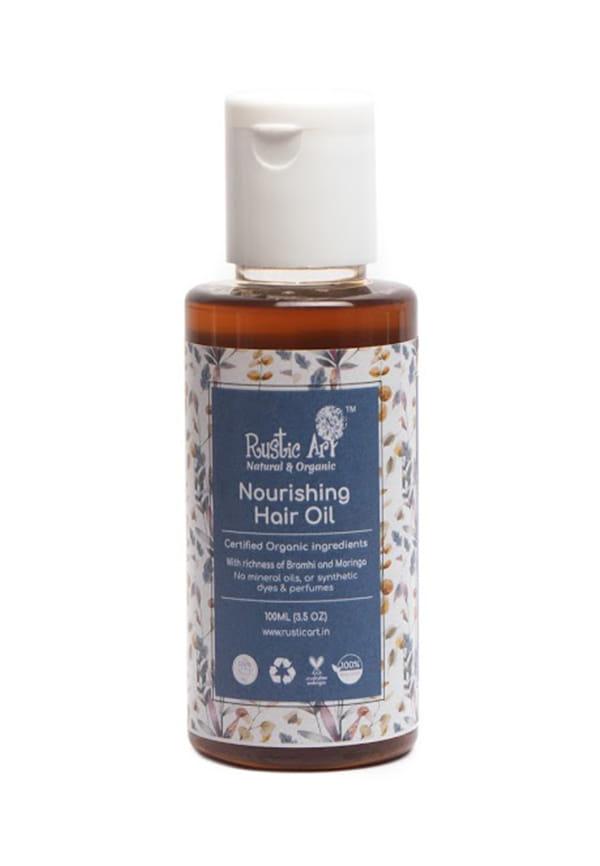 100 ml
Organic Nourishing Hair Oil
Sulfate-free shampoo uses gentler cleansing agents like coco-glucoside or decyl glucoside, derived from coconut and corn. These natural surfactants clean effectively without stripping your hair's protective oils. For oily hair, look for clarifying ingredients like apple cider vinegar or tea tree oil. Dry hair benefits from moisturising additions like glycerin or aloe vera.
How often you shampoo depends on your hair type and lifestyle. Fine hair might need daily cleansing, while thick, curly hair can often go 2-3 days between washes. Listen to your hair—it'll tell you what it needs.
Paraben-free conditioner relies on natural preservatives and moisturising ingredients to keep hair soft and manageable. Look for conditioning agents like cetyl alcohol (derived from coconut) and natural oils like jojoba or argan oil. These ingredients smooth the hair cuticle without the buildup associated with synthetic silicones.
Deep conditioning treatments should be used weekly for damaged hair, bi-weekly for normal hair, and monthly for fine hair that's easily weighed down. Leave-in conditioners work brilliantly for curly or dry hair types that need extra moisture throughout the day.
Hair growth products with natural actives like saw palmetto, rosemary oil, and biotin can help stimulate circulation and support healthy hair growth. Scalp health treatments containing ingredients like peppermint oil or salicylic acid from willow bark can address issues like dandruff or buildup.
Weekly hair masks with ingredients like honey, avocado, or rice water provide intensive nourishment and repair. These treatments are particularly beneficial for colour-treated or heat-damaged hair.
Understanding which natural ingredients benefit your hair type helps you make informed choices when selecting organic hair care products. Each ingredient brings unique properties—some excel at moisturising, others at strengthening, and some at promoting growth.
Coconut oil penetrates the hair shaft better than most oils, making it excellent for protein-sensitive hair that needs moisture without heaviness. Castor oil is rich in ricinoleic acid, which improves circulation when massaged into the scalp, potentially supporting hair growth.
Argan oil is packed with vitamin E and fatty acids that smooth frizz and add shine without greasiness. Jojoba oil closely mimics your scalp's natural sebum, making it perfect for balancing oil production and soothing irritated scalps.
Rosemary extract has been shown in studies to be as effective as minoxidil for promoting hair growth, while peppermint oil increases circulation and can help with hair thickness. Saw palmetto may help block DHT, a hormone linked to hair loss.
Aloe vera soothes inflamed scalps and provides lightweight moisture, while hibiscus is rich in amino acids and vitamin C that strengthen hair and add natural shine. These plant-based actives work gently but effectively over time.
Biotin and B-complex vitamins support healthy hair growth from within, while topical application can strengthen the hair shaft. Rice water contains amino acids and vitamins that have been used for centuries to promote strong, shiny hair.
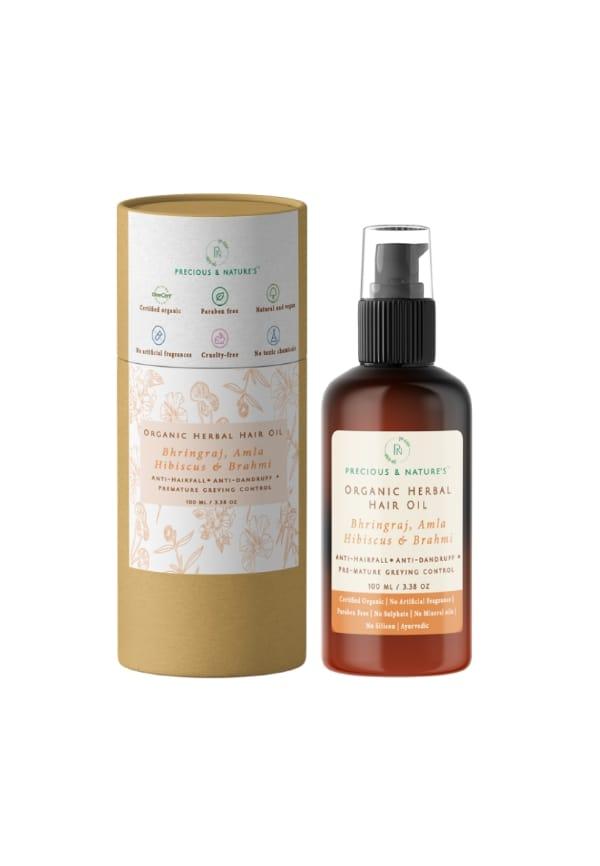 100 ml
Organic and Herbal Hair Oil
Plant-based proteins from quinoa, silk amino acids, or hydrolysed wheat protein can temporarily fill in gaps in damaged hair cuticles, making hair appear smoother and stronger. These are gentler alternatives to harsh chemical protein treatments.
Your haircare choices impact more than just your hair—they affect animals, the environment, and the communities where ingredients are sourced. Choosing cruelty-free hair care and eco-friendly hair products aligns your beauty routine with your values while often delivering superior results.
Cruelty-free certification means no animal testing was conducted on the product or its ingredients. Look for logos from Leaping Bunny, PETA, or Choose Cruelty Free. Vegan hair products go a step further, containing no animal-derived ingredients like keratin from sheep's wool or carmine from insects.
Many vegan hair products use plant-based alternatives that are just as effective. For instance, plant proteins from quinoa or rice can provide similar strengthening benefits to animal-derived keratin, often with better compatibility for sensitive scalps.
Eco-friendly hair products often come in recyclable packaging, refillable containers, or innovative materials like bamboo or recycled plastic. Some brands offer solid shampoo bars that eliminate plastic packaging entirely while lasting longer than liquid alternatives.
Supporting brands that prioritise sustainable sourcing, fair trade practices, and carbon-neutral shipping helps create a more ethical beauty industry. These companies often invest in ingredient quality and innovation, resulting in better products for your hair.
A successful haircare routine with organic products requires patience and consistency. Unlike conventional products that provide instant but temporary results, natural ingredients work gradually to improve your hair's health from the inside out.
Start with a gentle, sulfate-free shampoo 2-3 times per week, focusing on the scalp rather than the lengths. Follow with a paraben-free conditioner applied from mid-length to ends. For daily styling, use lightweight, natural products like aloe vera gel or diluted flaxseed gel for hold without buildup.
Protect your hair from heat damage with natural heat protectants containing ingredients like coconut oil or shea butter. Air-drying when possible reduces damage and allows your hair's natural texture to shine through.
Weekly deep conditioning with natural ingredients like honey, avocado, or coconut oil provides intensive nourishment. Monthly clarifying treatments using apple cider vinegar or bentonite clay remove buildup from styling products and hard water minerals.
Scalp massages with nourishing oils like rosemary or peppermint oil boost circulation and can support healthy hair growth. These treatments become more effective over time as your scalp health improves.
Transitioning to organic hair care products isn't always smooth sailing. Understanding common pitfalls helps you navigate the adjustment period and set realistic expectations for your hair's transformation.
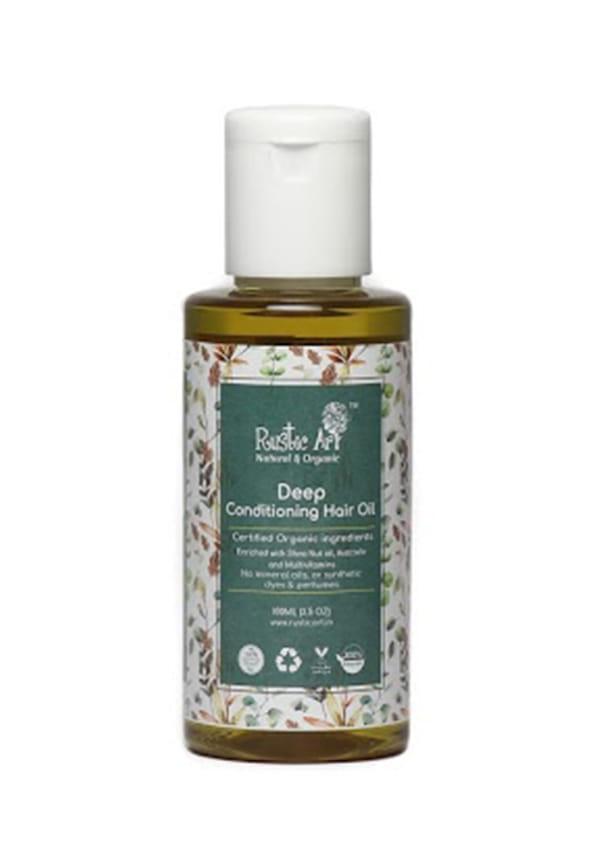 100 ml
Organic Deep Conditioning Hair Oil
Your hair might feel different initially as it adjusts to gentler cleansing and natural conditioning agents. This transition period typically lasts 2-4 weeks as your scalp rebalances oil production and your hair sheds buildup from previous products.
Some people experience increased oiliness or dryness during this phase. Stick with your new routine—these temporary changes usually resolve as your hair adapts to the natural ingredients.
Over-washing with natural products can still strip your hair, even though they're gentler. Start with less frequent washing and adjust based on how your hair responds. Mixing too many new products at once makes it difficult to identify what's working and what isn't.
Ignoring your hair's changing needs is another common mistake. Seasonal changes, hormonal fluctuations, and lifestyle factors all affect your hair, so be prepared to adjust your routine accordingly.
Platforms like Smytten make this transition easier by offering trial-sized versions of organic hair care products from trusted brands. Instead of committing to full-size products that might not work for your hair type, you can try multiple options and discover what truly works before making larger purchases.
Effective organic hair products include those with natural oils like coconut, castor, and argan oil, herbal extracts such as rosemary, hibiscus, and aloe vera, and nutrient-rich ingredients like biotin and plant proteins. Look for sulfate-free shampoo and paraben-free conditioner with these natural actives for the best results.
Hair growth products containing saw palmetto, horsetail extract, vitamin B3, rosemary oil, peppermint oil, and castor oil are most effective. These ingredients improve scalp circulation and nourish hair follicles. Consistent use over 2-3 months typically shows the best results for hair growth and thickness.
Look for certified organic labels like COSMOS, Ecocert, or USDA Organic, read ingredient lists carefully, and choose products free from sulfates, parabens, silicones, and synthetic fragrances. Reputable brands will clearly list all natural ingredients and display their certifications prominently on packaging.
Yes, but product selection should be tailored to your specific hair type and concerns. Fine hair benefits from lightweight formulations with ingredients like aloe vera, while thick or curly hair often needs richer, more moisturising organic products with oils and butters.
Most people notice initial improvements in hair texture and scalp health within 2-4 weeks of consistent use. Significant changes in hair growth, thickness, and overall health typically become visible after 2-3 months, as natural ingredients work gradually to improve hair health from within.
Choosing the right organic hair care products for your hair type doesn't have to be overwhelming once you understand the basics. Focus on identifying your hair's specific needs, look for quality natural ingredients, and be patient during the transition period. Remember that healthy hair is a marathon, not a sprint—natural ingredients work gradually but deliver lasting results.
The beauty of organic haircare lies in its gentle effectiveness and long-term benefits. Your hair will thank you for ditching harsh chemicals in favour of nourishing, plant-based alternatives. With Smytten's extensive collection of organic haircare brands and trial options, you can explore different formulations risk-free until you find your perfect match. After all, why settle for 'maybe' when you can try it all and discover what truly makes your hair thrive?
