How to Choose the Best Ingredients for Scalp Care

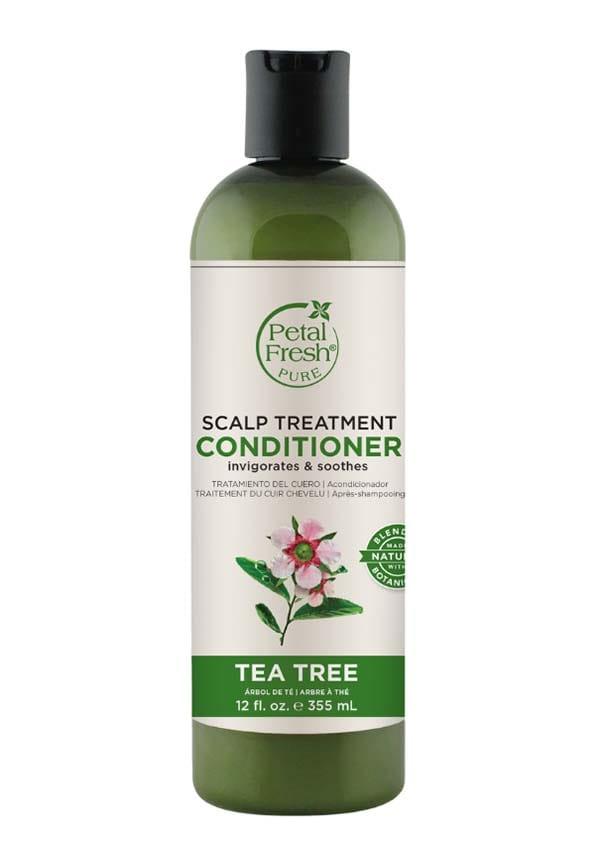 355 ml
Scalp Treatment Teatree Conditioner
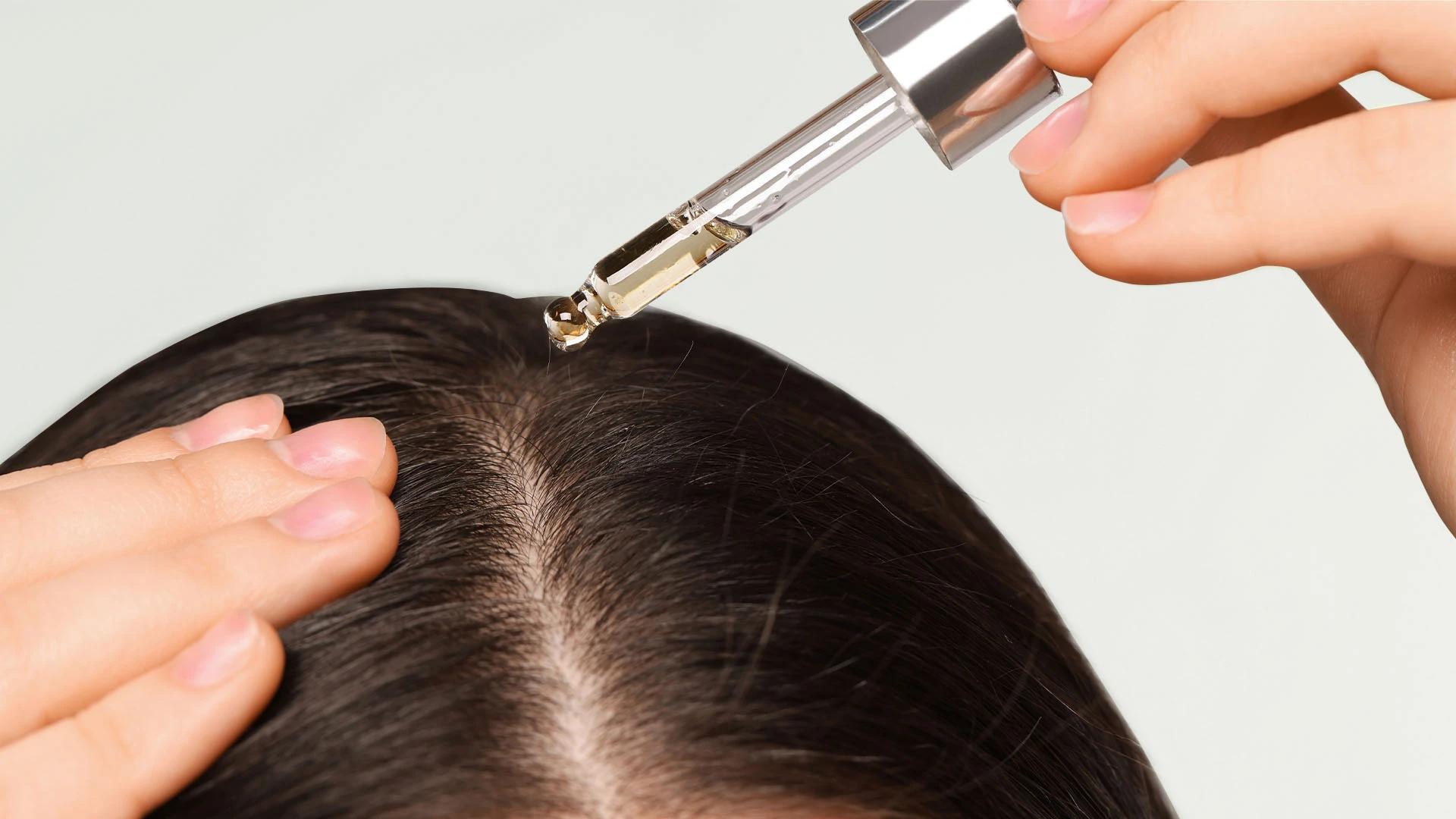
Your scalp is basically the soil where your hair grows—and just like plants need good soil to thrive, your hair needs a healthy scalp to look its best. Yet most of us spend ages picking the perfect shampoo whilst completely ignoring what our scalp actually needs. Real talk: about 90% of hair problems start at scalp level, from stubborn dandruff to that annoying itch that just won't quit. The good news? Once you know which best ingredients for scalp care to look for, you can transform your hair game in about 30 days. We're talking about science-backed actives that actually work, not just fancy marketing claims. Ready to give your scalp the attention it deserves?
Before diving into ingredients, let's figure out what your scalp is actually telling you. Just like your facial skin, your scalp has its own personality—and understanding it is key to choosing the right scalp treatment approach.
Dry scalp feels tight and flaky, often accompanied by that annoying itch that makes you want to scratch constantly. You might notice small, white flakes that brush off easily. On the flip side, oily scalp feels greasy by the end of the day, with hair that looks limp and lifeless. Then there's the combination scalp—oily at the roots but dry at the ends, because life loves to be complicated. Dandruff and seborrheic dermatitis often get confused, but they're different beasts. Dandruff creates smaller, drier flakes, whilst seborrheic dermatitis produces larger, yellowish, greasy flakes that stick to your scalp. Knowing the difference helps you pick the right dandruff treatment ingredients.
Your scalp health directly impacts hair follicle stimulation and growth. When your scalp is inflamed or clogged, it restricts blood flow to hair follicles, basically starving them of nutrients. Think of it like trying to grow a garden with poor drainage—nothing's going to flourish. A healthy scalp microbiome also plays a massive role. When the balance of good and bad bacteria gets disrupted, you end up with issues like excessive oil production, inflammation, or that persistent itch that drives you mad.
Now for the good stuff—ingredients that actually have research backing them up. These aren't just trendy additions; they're proven performers that can genuinely transform your scalp health.
Salicylic acid is your scalp's best friend if you're dealing with oil buildup or flaky skin. It's oil-soluble, which means it can penetrate through sebum to clear out clogged follicles. Start with 0.5-2% concentration and use it 2-3 times a week max—your scalp will thank you for not going overboard. Glycolic acid works differently, breaking down the bonds between dead skin cells for a deeper clean. It's particularly brilliant for stubborn buildup, but use it sparingly—once a week is plenty for most people.
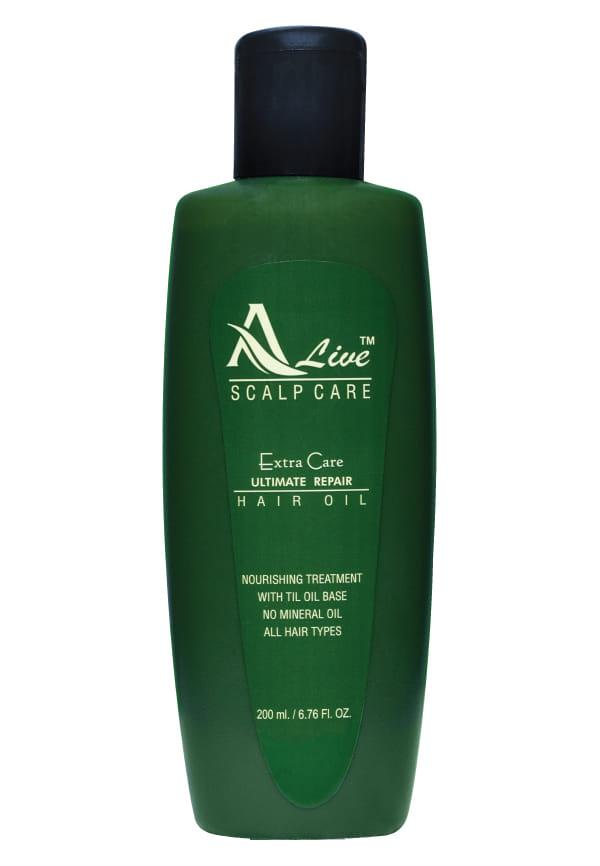 200 ml
Scalp Care Hair Oil
Niacinamide is like a chill pill for your scalp. It reduces inflammation, regulates oil production, and strengthens your scalp barrier. Look for 2-5% concentrations—it's gentle enough for daily use and plays well with other ingredients. Zinc pyrithione is the gold standard for dandruff treatment. It's antimicrobial and anti-inflammatory, tackling both the fungus that causes dandruff and the irritation that follows. You'll find it in concentrations of 0.1-2% in most scalp treatments.
Hyaluronic acid isn't just for your face—it's brilliant for dry scalp solutions too. It can hold up to 1000 times its weight in water, creating a moisture reservoir for your scalp. Look for low molecular weight versions that can actually penetrate rather than just sitting on the surface. Ceramides help repair your scalp's natural barrier, preventing moisture loss and keeping irritants out. They're particularly helpful if your scalp feels sensitive or reactive.
Whilst we love a good active ingredient, nature has provided some pretty impressive options too. The key is knowing which natural scalp care ingredients have actual science behind them, not just Instagram hype.
Rosemary oil is probably the most researched essential oil for hair growth ingredients. Studies show it can be as effective as minoxidil for promoting hair growth, likely due to its ability to improve circulation and reduce inflammation. Use it diluted—2-3 drops in a carrier oil is plenty. Lavender oil does double duty, promoting hair growth whilst calming an irritated scalp. It's particularly good if stress is contributing to your scalp issues. Tea tree oil is your go-to for antimicrobial action. It's brilliant for itchy scalp remedies and can help with dandruff, but always dilute it—pure tea tree oil can be too harsh for sensitive scalps.
Jojoba oil is technically a wax ester, which makes it similar to your scalp's natural sebum. It's perfect for balancing oil production—it won't clog pores but will provide essential moisture. Argan oil is packed with vitamin E and fatty acids that nourish both scalp and hair. It's lightweight enough not to weigh hair down but rich enough to provide real benefits. Castor oil contains ricinoleic acid, which has anti-inflammatory properties and may help improve circulation to hair follicles. It's thick, so a little goes a long way.
Aloe vera is incredibly soothing for irritated scalps. It contains amino acids, vitamins, and minerals that can help calm inflammation and provide moisture. Green tea extract is loaded with antioxidants that protect against environmental damage. Some studies suggest it may also help with hair growth by blocking DHT, a hormone linked to hair loss.
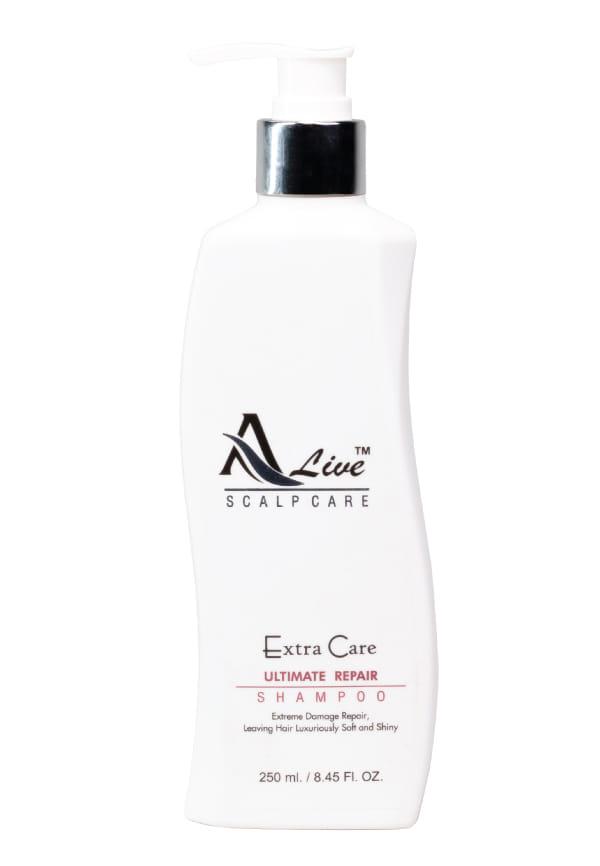 250 ml
Scalp Care Plus Shampoo
Different scalp issues need different approaches. Here's how to match the best ingredients for scalp care to your specific concerns.
For dry scalp solutions, focus on ingredients that attract and lock in moisture. Hyaluronic acid, glycerin, and ceramides should be your holy trinity. Avoid harsh sulphates that strip natural oils, and consider overnight treatments with nourishing oils like argan or jojoba. Gentle exfoliation once a week with lactic acid can help remove flaky buildup without over-drying. Follow up with a hydrating scalp serum or oil to seal in moisture.
For itchy scalp remedies, anti-inflammatory ingredients are your best friends. Niacinamide, aloe vera, and oat kernel extract can provide immediate relief. Cooling ingredients like menthol or peppermint oil (properly diluted) can also help soothe irritation. Avoid over-washing, which can worsen the itch, and stick to lukewarm water rather than hot, which can further irritate sensitive skin.
Effective dandruff treatment requires antifungal ingredients like zinc pyrithione, ketoconazole, or selenium sulphide. Salicylic acid helps remove flakes, whilst tea tree oil provides natural antimicrobial action. Consistency is key—use medicated treatments 2-3 times a week initially, then reduce to once a week for maintenance once symptoms improve.
Knowing which ingredients work is only half the battle—you also need to know how to use them properly. The wrong combination or frequency can actually make things worse.
Some ingredients play beautifully together, whilst others clash. Niacinamide pairs well with almost everything and can actually help buffer stronger actives. Salicylic acid and glycolic acid shouldn't be used together—alternate them instead. Always introduce new actives one at a time, starting with lower concentrations. Your scalp needs time to adjust, especially if you're new to active ingredients.
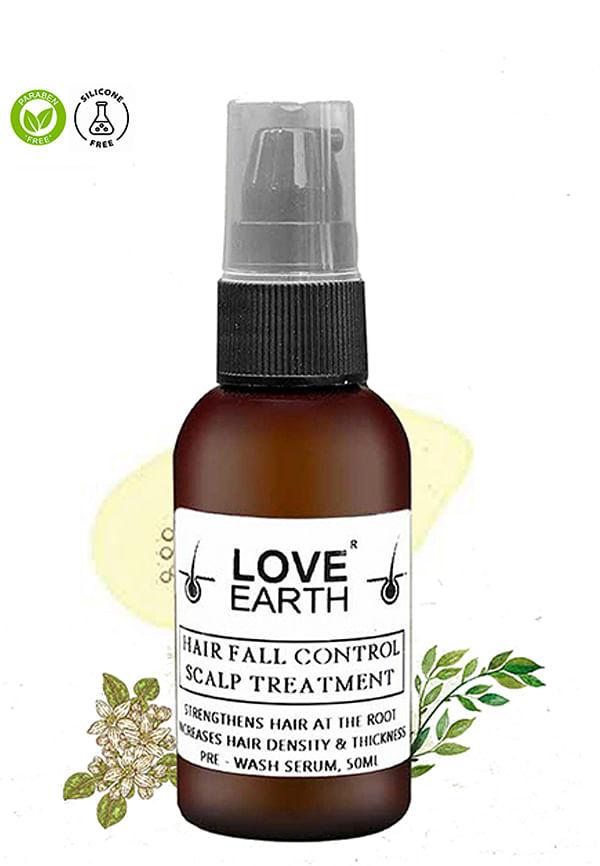 50 ml
50 mlHair Fall Control Scalp Treatment
Morning routines should focus on protection and light hydration. Evening is perfect for stronger actives and nourishing treatments that can work overnight. Weekly deep treatments with scalp nourishing oils or exfoliating masks can provide that extra boost your scalp needs. Just don't overdo it—more isn't always better when it comes to scalp care. This is where platforms like Smytten become incredibly valuable. With over 1,500 trusted brands offering trial-sized products, you can test different scalp treatments without committing to full-size purchases. Whether you're exploring natural scalp care options or trying science-backed actives, Smytten's Trial Points system lets you discover what works for your unique scalp needs. Plus, with 100% cashback on trial purchases, you can experiment with various hair growth ingredients and scalp treatments risk-free.
The best ingredients depend on your specific concerns, but universally beneficial ones include niacinamide for inflammation, hyaluronic acid for hydration, and salicylic acid for gentle exfoliation. Natural options like rosemary oil and aloe vera also provide excellent benefits for most scalp types.
Hyaluronic acid and ceramides are top choices for dry scalp, as they attract moisture and repair the scalp barrier. Jojoba oil and glycerin also work brilliantly for providing lasting hydration without weighing hair down.
Most people notice improvements in scalp comfort within 1-2 weeks, but significant changes in hair health and growth typically take 4-6 weeks of consistent use. Remember, hair grows slowly, so patience is key.
Yes, but introduce them gradually. Start with one active ingredient and add others slowly. Some combinations work well together (like niacinamide with almost anything), whilst others should be alternated rather than layered.
Some natural ingredients like rosemary oil have research showing they're as effective as synthetic alternatives for certain concerns. However, synthetic actives often provide more consistent concentrations and faster results. The best approach often combines both.
Choosing the best ingredients for scalp care doesn't have to be overwhelming once you understand your scalp's needs. Start with gentle, proven ingredients like niacinamide or rosemary oil, then build from there based on your specific concerns. Remember, consistency beats intensity every time. A simple routine with the right ingredients, used regularly, will always outperform an elaborate routine you can't stick to. Whether you're dealing with dryness, dandruff, or just want to optimise your scalp health for better hair growth, the key is finding what works for your unique scalp and giving it time to show results. With Smytten's extensive range of haircare trial options from trusted brands, you can explore different scalp treatments and find your perfect match without the guesswork. After all, why settle for maybe when you can try it all and discover what truly transforms your scalp health?
