How to Choose the Best Hydrating Hair Masks


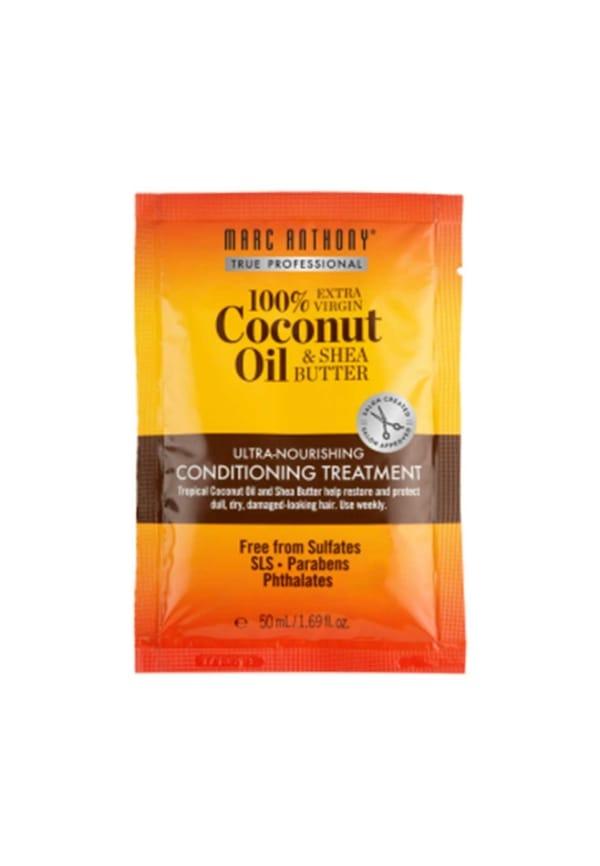 50 ml
50 mlHydrating Coconut Oil And Shea Butter Deep Nourishing Conditioning Treatment Mask
Your hair's been through a lot lately, hasn't it? Between the heat styling, pollution, and those chemical treatments that seemed like a good idea at the time, your strands are probably crying out for some serious TLC. If you've been noticing more breakage, dullness, or that dreaded frizz that just won't quit, you're definitely not alone. The good news? The right hydrating hair mask can be a total game-changer for bringing your hair back to life. With so many top hydrating hair masks flooding the market, knowing how to pick the perfect one for your specific hair needs can feel overwhelming. But don't worry – we're about to break down everything you need to know to find your hair's new best friend.
Let's get real about what's actually happening to your hair when it starts looking and feeling less than amazing. Your hair is basically like a sponge – it needs the right balance of moisture to stay healthy, shiny, and manageable. When that balance gets thrown off, things can go downhill pretty quickly.
Wondering if your hair is actually thirsty or if you're just having a bad hair day? Here are the telltale signs that scream "I need a deep conditioning hair mask ASAP":
Dryness and brittleness – Your hair feels rough to the touch and snaps easily when you brush it
Excessive frizz – Even on low-humidity days, your hair has a mind of its own
Lack of shine – Your hair looks dull and lifeless, no matter what products you use
Split ends galore – Those pesky splits keep appearing faster than you can trim them
Tangles that won't quit – Brushing becomes a daily battle
Your hair loses moisture for loads of reasons, and most of them are probably part of your daily routine. Heat styling tools, UV exposure, harsh weather, and chemical treatments all strip away your hair's natural oils and proteins. Even something as simple as washing your hair too frequently with the wrong shampoo can leave your strands parched. Understanding these factors helps you choose the right moisturising hair treatment to counteract the damage.
Not all hair masks are created equal, and that's actually a good thing. Different formulations target different hair concerns, so knowing what you're dealing with helps narrow down your options significantly.
Think of regular conditioner as your daily moisturiser and a deep conditioning hair mask as your weekly spa treatment. Hair masks contain higher concentrations of nourishing ingredients and are designed to penetrate deeper into your hair shaft. They typically need to sit on your hair for 10-20 minutes (sometimes longer), giving those active ingredients time to work their magic. Regular conditioner, on the other hand, is meant for quick daily touch-ups.
Here's where things get a bit technical, but stick with us. Your hair needs both protein and moisture to stay healthy, but the balance matters. If your hair feels gummy or stretchy when wet, you might need more protein. If it's dry, brittle, and breaks easily, you're probably looking at a moisture issue. The best hair mask for damaged hair often combines both elements, but knowing which your hair needs more of helps you make smarter choices.
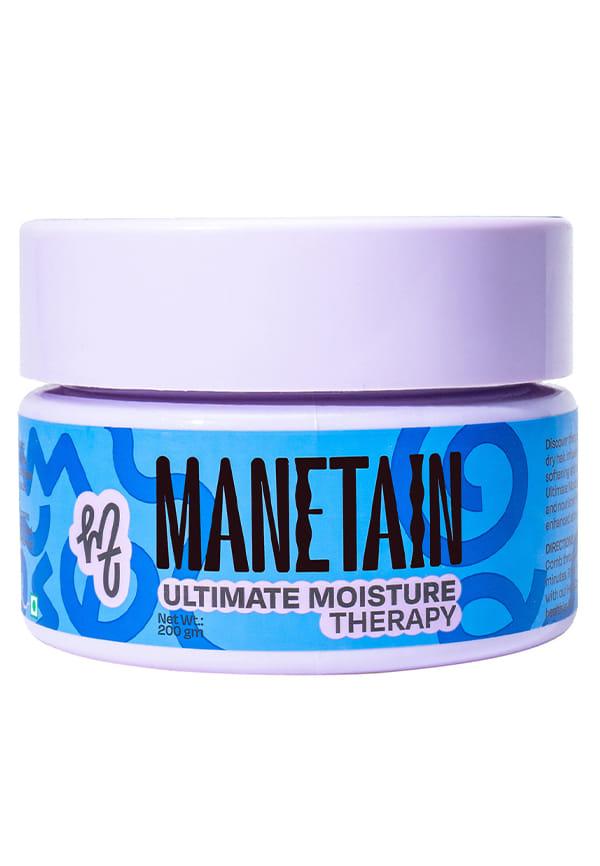 200Ml
200MlUltimate Moisture Therapy For Deep Hydration
Ingredient lists can look like chemistry homework, but knowing what to look for makes shopping for hair masks so much easier. Let's break down the star players that actually make a difference.
When you're shopping for hydration, these ingredients are your best friends:
Hyaluronic acid – Yes, the same stuff that plumps your skin works wonders for hair hydration
Glycerin – A moisture magnet that pulls hydration from the environment into your hair
Natural oils – Argan, coconut, and jojoba oils penetrate the hair shaft beautifully
Ceramides – These lipids help seal the hair cuticle and lock in moisture
Shea butter – Rich and nourishing without being too heavy for most hair types
If your hair has seen better days, look for these repair powerhouses:
Keratin and amino acids – Help rebuild your hair's protein structure
Peptides – Smaller protein molecules that can penetrate damaged hair more easily
Bond-building compounds – Work to reconnect broken hair bonds
Antioxidants like vitamin E – Protect against future damage
Frizz fighters deserve special mention because they work differently than pure moisturisers:
Silicones – Create a protective barrier that smooths the hair cuticle
Anti-humidity ingredients – Help your hair resist moisture from the air
Smoothing polymers – Temporarily fill in rough spots on the hair shaft
Your hair type plays a huge role in which mask will work best for you. What works amazingly for your friend might leave your hair feeling weighed down or still thirsty.
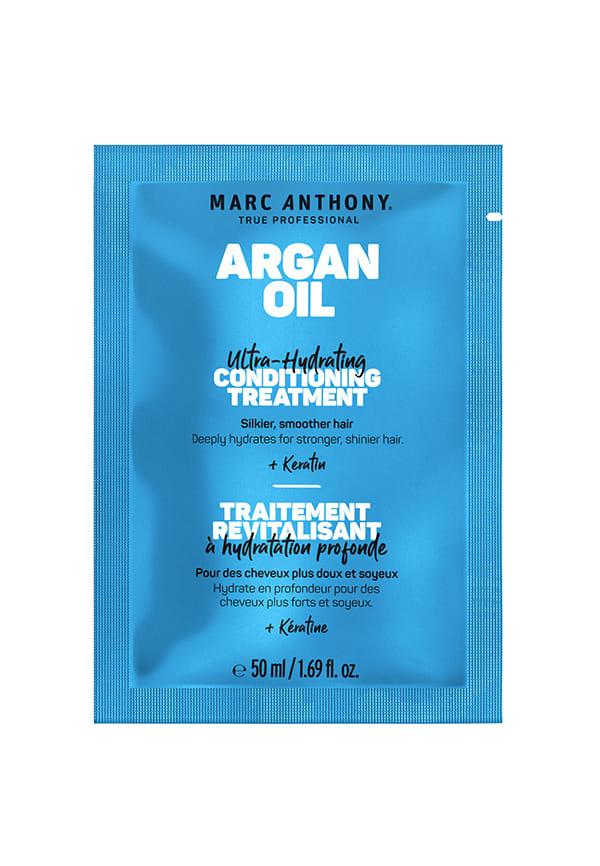 50 ml
50 mlNourishing Argan Oil Deep Hydrating Conditioning Treatment Mask
Fine hair needs lightweight formulations that won't leave it looking greasy or flat. Look for masks that mention "weightless" or "volumising" on the packaging. Thick hair, on the other hand, can handle richer, creamier formulations and often needs them to see real results. The frequency matters too – fine hair might only need a mask once a week, while thick, coarse hair could benefit from twice-weekly treatments.
Curly and wavy hair tends to be more porous, meaning it absorbs products quickly but also loses moisture faster. These hair types often benefit from heavier, oil-based masks. Straight hair, especially if it's fine, usually needs lighter formulations that won't weigh it down. The key is understanding your hair's porosity – high porosity hair drinks up moisture but needs help keeping it in.
If you've got colour-treated hair, you need masks that are specifically formulated to be gentle and colour-safe. Chemical processing opens up the hair cuticle, making your strands more vulnerable to damage and moisture loss. Look for sulfate-free formulations with UV protection and ingredients that help seal the cuticle.
Sometimes the best solutions are sitting right in your kitchen. Natural hair mask for hydration options can be incredibly effective, though they come with their own set of considerations.
Ready to get your hands dirty? These DIY hydrating hair mask recipes use ingredients you probably already have:
Avocado and honey mask – Mash one ripe avocado with two tablespoons of honey for deep moisture
Coconut oil and egg treatment – Mix two tablespoons of coconut oil with one egg for protein and hydration balance
Banana and olive oil mask – Blend one banana with one tablespoon of olive oil for a hair mask for shine
Yogurt and aloe vera treatment – Combine half a cup of plain yogurt with two tablespoons of aloe vera gel
While DIY masks are fun and budget-friendly, sometimes you need the big guns. Professional hair repair mask formulations offer ingredient stability, precise concentrations, and often better penetration. If your hair is severely damaged or you're dealing with chemical processing, investing in a high-quality commercial mask might be worth it. Plus, let's be honest – sometimes you just want the convenience of grabbing something off the shelf.
Even the best mask won't work miracles if you're not applying it correctly. Getting the technique right can make the difference between okay results and absolutely stunning hair.
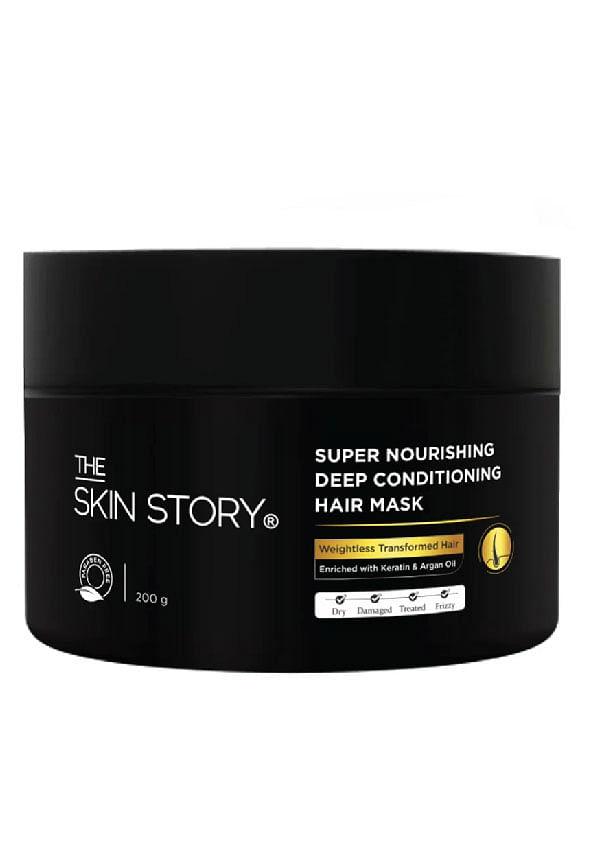 200 gm
Super Nourishing Deep Conditioning Hair Mask Enriched With Keratin & Argan Oil
Start with clean, damp hair – not soaking wet, but not completely dry either. Section your hair to ensure even application, especially if you have thick or long hair. If you're trying a new mask, do a strand test first to check for any reactions. For intense hair hydration, consider applying gentle heat with a warm towel or shower cap.
Most masks should be applied from mid-length to ends, avoiding the roots unless specifically instructed otherwise. Work the product through with your fingers or a wide-tooth comb for even distribution. Timing matters – leaving a mask on too long can sometimes cause protein overload, while not leaving it on long enough means you won't get the full benefits. Most masks work best with 10-20 minutes of processing time.
For most hair types, once or twice a week is perfect for maintaining healthy, shiny hair. If your hair is severely damaged, you might benefit from more frequent treatments initially, then scaling back to weekly maintenance once your hair improves.
While some masks are designed for overnight use, most aren't meant to be left on that long. Check the product instructions carefully. Natural oil treatments like coconut or argan oil can often be left on overnight, but protein-rich masks might cause damage if left too long.
Hair masks are intensive treatments that you rinse out after a specific time, while leave-in treatments are lighter formulations designed to stay in your hair. Masks provide deeper penetration and more dramatic results, while leave-ins offer daily protection and maintenance.
Not necessarily. While pricier masks often contain higher concentrations of active ingredients, plenty of affordable options work brilliantly. The key is finding ingredients that work for your specific hair type and concerns, regardless of price point.
Yes, especially if you're using them too frequently or not rinsing thoroughly. If your hair starts feeling heavy or looks dull despite regular masking, you might need to clarify with a gentle shampoo or reduce the frequency of your treatments.
Finding the perfect hydrating hair mask is a bit like dating – you might need to try a few before you find "the one." The key is understanding your hair's specific needs and being patient with the process. Whether you go for a luxurious store-bought treatment or whip up something natural in your kitchen, consistency is what brings results. Remember, healthy hair is a journey, not a destination, and the right mask can make that journey so much more enjoyable. With platforms like Smytten, you can explore top hydrating hair masks from trusted brands without the commitment of full-size purchases. Try different formulations through curated trial packs to discover what works best for your unique hair needs – because why settle for maybe when you can find your perfect match?
