How to Choose the Best Frizz Control Shampoo

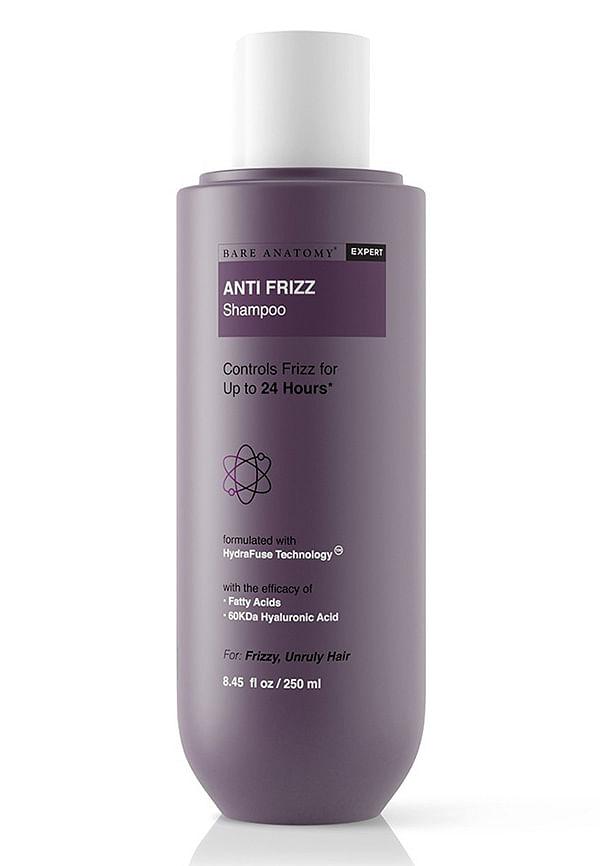 250 ml
Expert Anti-Frizz Shampoo Tames Frizz For Up To 24 Hours
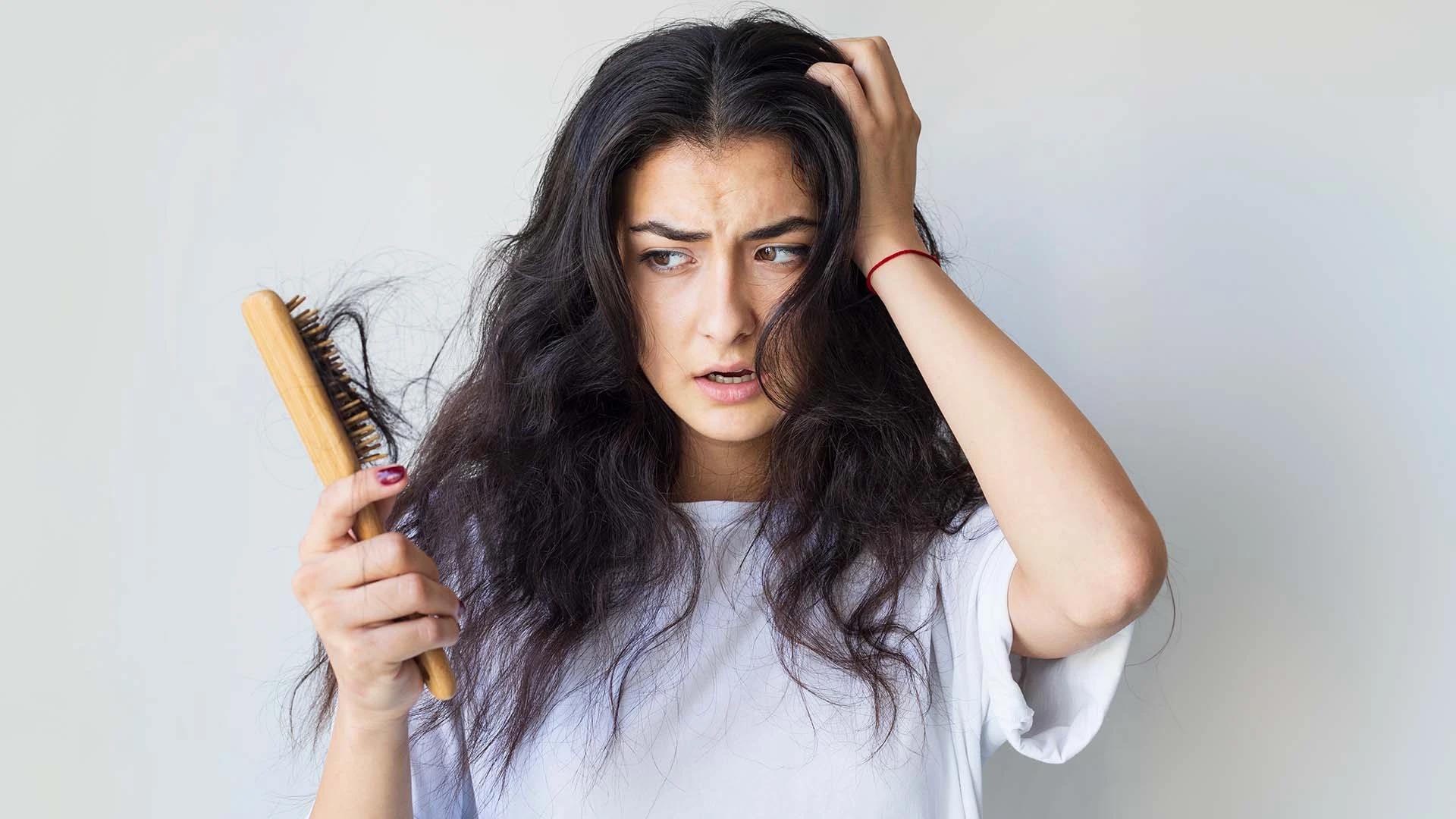
Let's be real—frizzy hair can feel like your worst enemy, especially when humidity hits or you're rushing to get ready. One minute your hair looks smooth, the next it's doing its own thing with zero regard for your plans. If you've been on the hunt for the perfect anti frizz shampoo, you're not alone. Finding the right frizz control shampoo brands can feel overwhelming with endless options promising miracle results. But here's the thing: the best frizz control shampoo for your mate might not work for you, and that's completely normal. Your hair's unique texture, damage level, and daily routine all play a part in what'll actually tame those rebellious strands.
Before diving into shampoo for frizzy hair options, it helps to know why your hair decides to rebel in the first place. Frizz isn't just bad luck—it's usually your hair's way of telling you something's up with its moisture balance or structure.
The main culprit? Damaged hair cuticles that can't lie flat anymore. When your hair's outer layer gets roughed up from heat styling, chemical treatments, or even just brushing too aggressively, it creates tiny gaps where moisture escapes and humidity sneaks in. Think of it like a damaged umbrella—instead of keeping water out, it lets everything in.
Humidity is probably the most obvious frizz trigger, but it's not the only one. Pollution, hard water, and even air conditioning can mess with your hair's moisture levels. That's why your hair might look perfect at home but turn into a frizzy mess the moment you step outside.
Some people are naturally more prone to frizz because of their hair's structure. Curly hair tends to be drier since natural oils can't travel down the hair shaft as easily. But even straight hair can get frizzy if it's damaged or lacks moisture. Understanding your hair type helps you pick the right haircare for frizzy hair approach.
Not all frizz reducing shampoo formulas are created equal. The secret lies in finding ingredients that address your specific frizz triggers. Some ingredients focus on adding moisture, others work to smooth the hair cuticle, and some help rebuild damaged hair bonds.
When you're scanning ingredient lists, look for components that either hydrate, smooth, or strengthen your hair. The best formulas often combine multiple approaches for maximum frizz-fighting power.
Hyaluronic acid isn't just for skincare—it's brilliant for hair too. This ingredient can hold up to 1,000 times its weight in water, making it perfect for hydrating shampoo for frizzy hair formulas. Natural oils like argan, coconut, and jojoba also work wonders for adding moisture without weighing hair down.
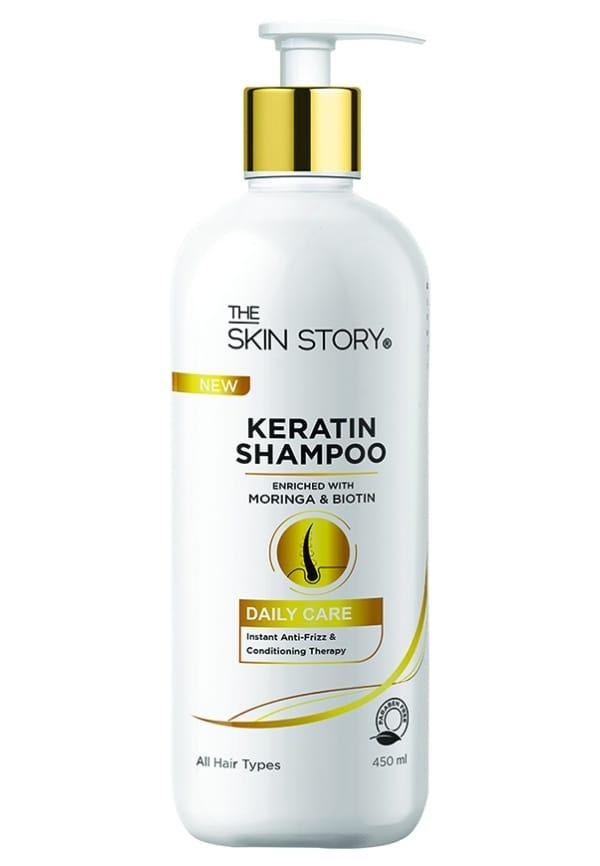 450 ML
Keratin Shampoo Enriched With Biotin | Instant Anti Frizz & Conditioning Therapy For Daily Hair Care
Keratin protein helps fill in gaps in damaged hair cuticles, creating a smoother surface that reflects light better and feels silkier. Amino acids work similarly but are gentler for regular use. Some hair smoothing shampoo options also include quinoa protein, which is particularly good for fine hair that gets weighed down easily.
Silicones get a bad rap, but they can actually be helpful for frizzy hair when used correctly. Water-soluble silicones provide temporary smoothing without heavy buildup, whilst heavier silicones work better for very damaged or coarse hair that needs extra protection.
The sulfate free shampoo for frizz trend isn't just marketing hype—there's real science behind why gentler cleansers often work better for frizz-prone hair. Sulfates are powerful detergents that can strip away natural oils your hair desperately needs to stay smooth and manageable.
However, sulfate-free doesn't automatically mean better for everyone. If you use a lot of styling products or have an oily scalp, you might need the stronger cleansing power of traditional shampoos occasionally.
If your hair is colour-treated, chemically processed, or naturally dry, sulfate-free formulas are usually your best bet. They cleanse without stripping, helping maintain your hair's natural moisture barrier. This is especially important for shampoo for dry frizzy hair since over-cleansing can make frizz worse.
Heavy product buildup, very oily roots, or exposure to pollution might require the occasional clarifying shampoo with sulfates. The key is balance—use gentle formulas most of the time, with stronger cleansing when needed.
With so many frizz control shampoo brands out there, choosing the right one feels like a proper mission. The trick is matching the formula to your specific hair needs rather than just grabbing whatever promises the most dramatic results.
Your hair's porosity, thickness, and damage level all influence which ingredients will work best. Fine hair needs lightweight hydration, whilst thick, coarse hair can handle richer formulas. Damaged hair benefits from protein treatments, but healthy hair might get weighed down by them.
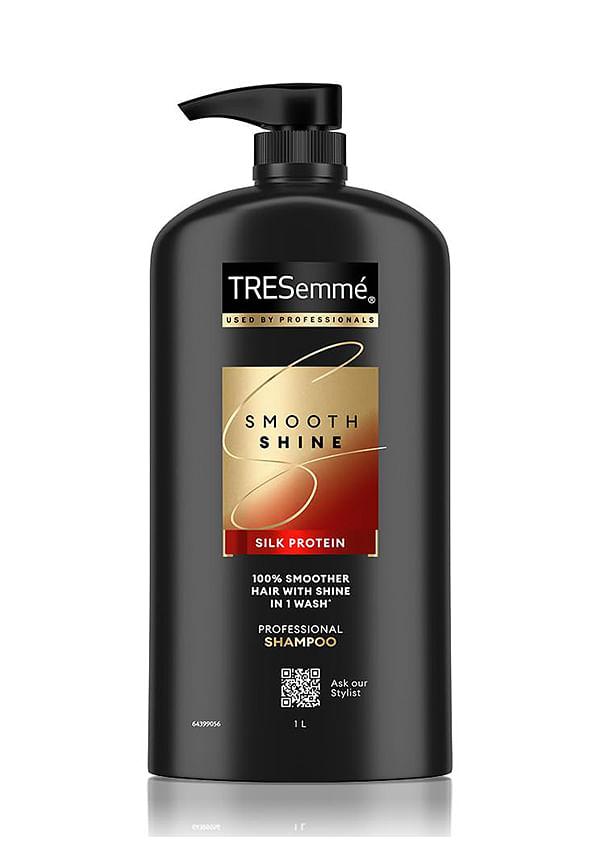 1 L
1 LSmooth & Shine Shampoo
Try the simple water test: take a clean strand of hair and drop it in a glass of water. If it sinks quickly, you have high porosity hair that absorbs moisture easily but also loses it fast. If it floats, you have low porosity hair that repels moisture but holds onto it once it gets in.
Fine, frizzy hair often needs volumising ingredients alongside frizz control to avoid looking flat. Look for lightweight oils and proteins that smooth without weighing hair down. Thick, coarse hair can handle richer formulas with heavier oils and intensive smoothing agents.
If you live in a humid climate, you'll need stronger humidity-blocking ingredients. If you heat style regularly, look for formulas with thermal protection. Your daily routine should influence your best frizz control shampoo choice as much as your hair type does.
Even the most amazing curly hair shampoo won't work miracles if you're not using it correctly. How you wash your hair can make or break your frizz control efforts, so it's worth getting the technique right.
Start with lukewarm water—hot water opens the hair cuticle too much, leading to more frizz. Focus the shampoo on your scalp rather than the lengths of your hair, and be gentle when massaging. Your hair is most vulnerable when wet, so treat it with care.
Over-washing strips natural oils that help keep frizz at bay. Most frizz-prone hair types do better with washing every other day or even less frequently. On non-wash days, try co-washing with conditioner or using a gentle cleansing conditioner.
Your shampoo is just the first step in frizz control. Always follow with a matching conditioner, and consider leave-in treatments for extra protection. The right combination of products works better than any single miracle formula.
Here's where things get interesting—finding your perfect frizz control formula doesn't have to involve buying full-size bottles and hoping for the best. With so many options available, from drugstore finds to salon-grade treatments, it makes sense to try before you commit.
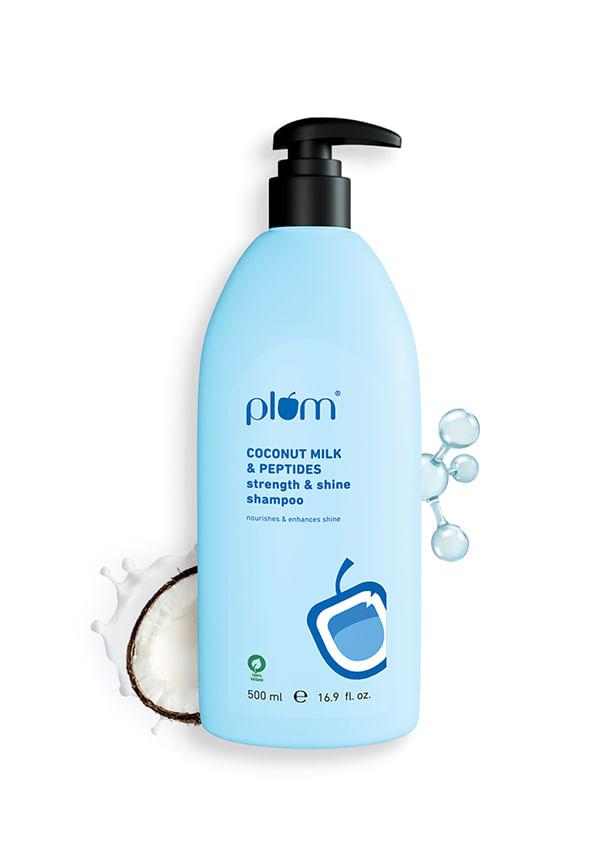 500 ml
Coconut Shampoo for Dull Hair with Coconut Milk and Peptides for Soft & Silky Hair
Smytten understands this dilemma perfectly. As India's largest product discovery and trial platform, they've made it possible to explore different frizz control shampoo brands without the financial risk. You can get up to 8 trial-sized products for just ₹249, plus enjoy 100% cashback that's redeemable for future purchases. This approach lets you test various formulas to see what actually works for your hair type before investing in full sizes.
The platform connects you with over 1,500 trusted brands, making it easier to discover your next favourite anti frizz shampoo without the guesswork. Whether you're curious about a salon-grade treatment or want to try a new drugstore launch, having access to trial sizes means you can experiment confidently.
Most frizz-prone hair types benefit from washing every 2-3 days rather than daily. Over-washing can strip natural oils that help control frizz. Listen to your hair—if it feels dry or looks more frizzy after washing, try reducing frequency.
Whilst you can mix and match, using products from the same range often gives better results since they're formulated to work together. However, if you have a conditioner that works brilliantly for your hair, there's no need to change it.
You should notice some improvement after the first wash, but give any new product at least 2-3 weeks to show its full potential. Your hair needs time to adjust to new ingredients, especially if you're switching from a very different formula.
Not necessarily. Price often reflects packaging, marketing, and brand positioning rather than just ingredient quality. Some drugstore options work just as well as salon brands—it's about finding what suits your specific hair needs.
Most modern frizz control formulas are safe for colour-treated hair, especially sulfate-free options. However, always check the label and consider doing a patch test if you're unsure. Some ingredients that smooth hair can also help preserve colour.
Finding the right shampoo for frizzy hair is definitely a journey, not a destination. What works for your hair might change with the seasons, your styling routine, or even hormonal changes. The key is staying flexible and being willing to adjust your approach when needed.
Remember that great frizz control isn't just about the shampoo—it's about your entire haircare routine working together. From the water temperature you use to the way you dry your hair, every step matters. But getting the foundation right with a good frizz reducing shampoo definitely makes everything else easier.
With platforms like Smytten making it simple to try different products without commitment, there's never been a better time to experiment and find your perfect match. After all, why settle for 'maybe' when you can try it all and discover what truly works for your unique hair needs?
