How to Choose the Best Affordable Scalp Oil

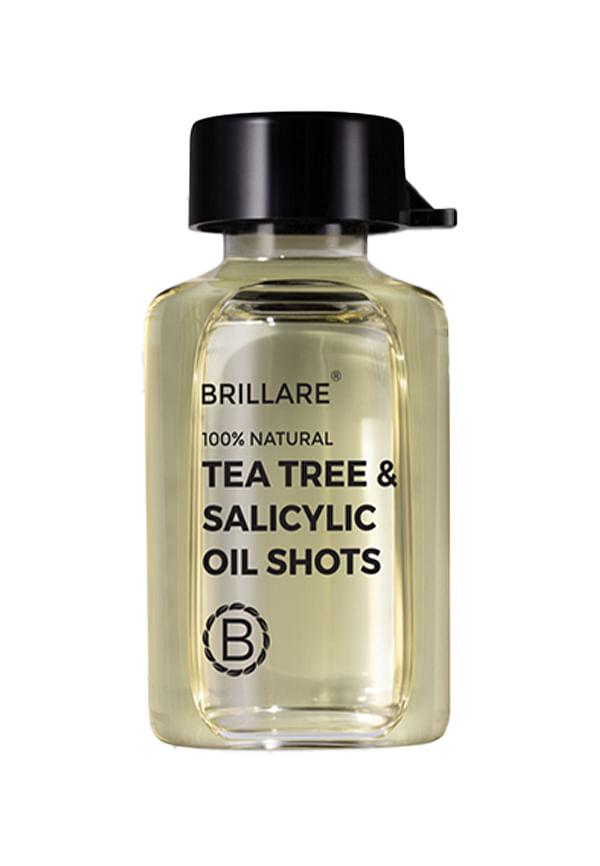 8*6 ml
Tea Tree & Salicylic Oil Shots For Dry, Itchy Scalp to Fights Dandruff
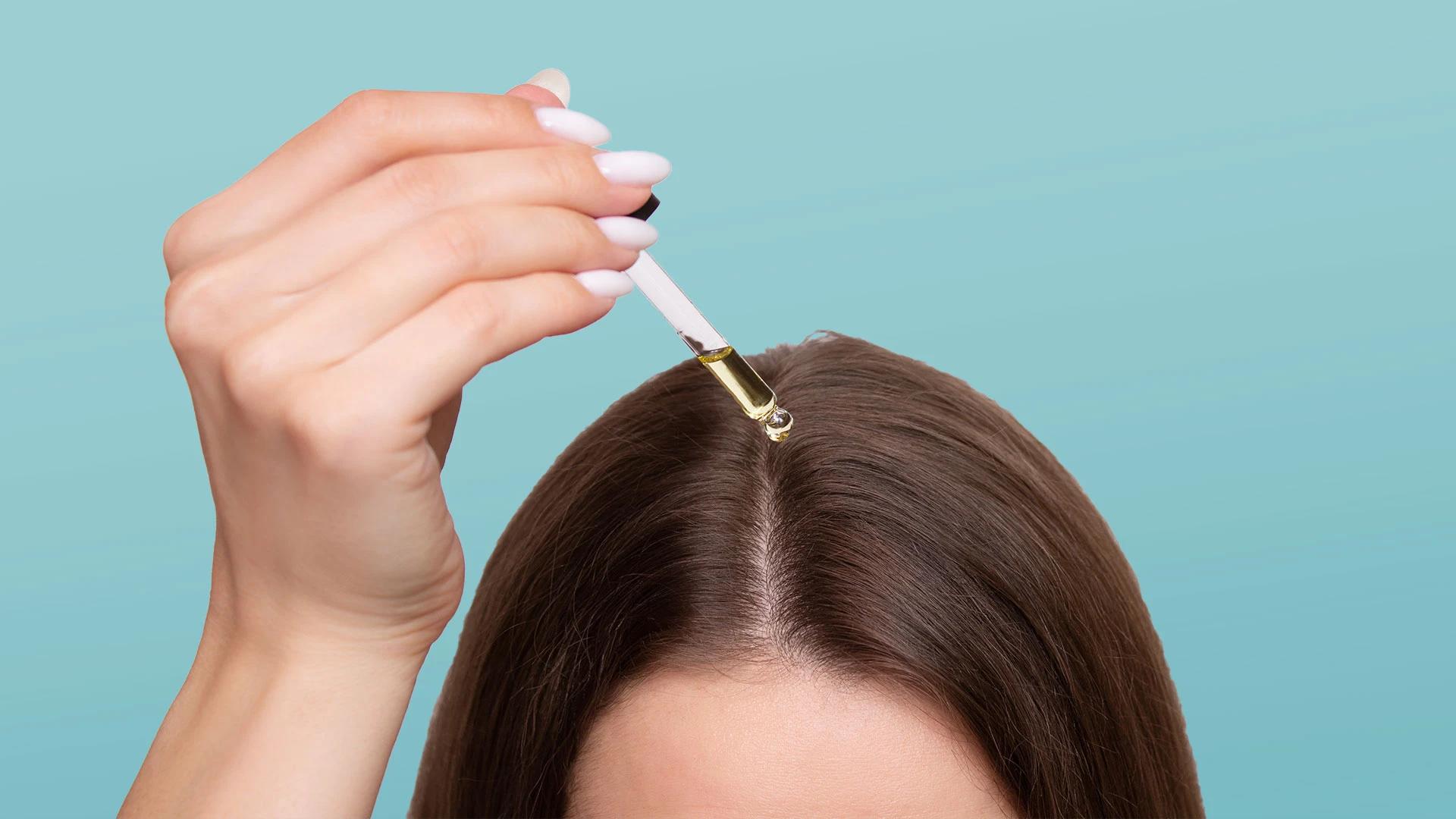
Your scalp's been sending you signals—maybe it's that persistent itch, the flaky bits on your shoulders, or hair that just won't grow past a certain length. Here's the thing: millions of people deal with scalp issues daily, yet most of us treat our scalp like an afterthought. Real talk, your scalp is literally the foundation for healthy hair, and finding the right affordable soothing scalp oil might just be the game-changer you've been looking for. Whether you're dealing with dryness, irritation, or just want to give your hair growth a boost, the right scalp oil can work wonders without breaking the bank. Let's dive into everything you need to know about choosing a budget-friendly scalp oil that actually delivers results.
Before you start shopping for oils, you need to figure out what your scalp is actually telling you. Different scalp conditions need different approaches, and using the wrong oil can sometimes make things worse.
Let's start with the basics. A dry scalp usually feels tight, looks flaky, and might even feel a bit rough to the touch. You'll notice white flakes that are smaller and drier than dandruff. If this sounds like you, a dry scalp oil with rich, moisturising properties will be your best friend.
An itchy scalp is pretty self-explanatory—it's that annoying urge to scratch that just won't quit. This could be from dryness, product buildup, or even stress. An itchy scalp oil with anti-inflammatory ingredients can provide much-needed relief.
Oily scalps tend to feel greasy within a day or two of washing, and you might notice your hair looking flat quickly. Sensitive scalps react to almost everything—new products, weather changes, or even stress can trigger irritation.
Here's where it gets interesting. Not all oils are created equal, and matching the right oil to your specific scalp type is crucial for a proper soothing scalp treatment.
For oily scalps, you want lightweight oils like jojoba or sweet almond that won't clog pores or add extra grease. These oils actually help balance your scalp's natural oil production. If you've got a dry scalp, richer oils like coconut or argan work brilliantly to provide deep moisture. For irritated or sensitive scalps, look for calming scalp oil options with anti-inflammatory properties.
Let's get into the science-backed ingredients that won't cost you a fortune. The beauty of natural scalp oil options is that many single-ingredient oils are incredibly effective and budget-friendly.
Jojoba oil is technically a wax ester that mimics your scalp's natural sebum. This means it absorbs easily without leaving a greasy residue, making it perfect for all scalp types. It's also naturally antimicrobial, which helps keep your scalp healthy.
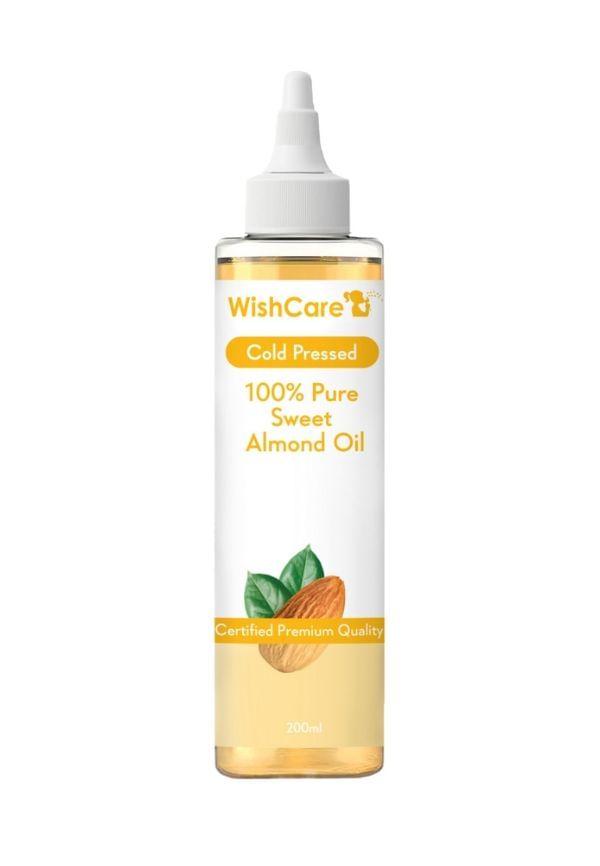 200 ml
Pure Cold Pressed Sweet Almond Oil
Coconut oil is probably the most popular hair oil for scalp care, and for good reason. Its high lauric acid content gives it antimicrobial properties, whilst its rich texture provides deep conditioning for dry, damaged scalps.
Sweet almond oil is incredibly gentle and moisturising, making it ideal for sensitive scalps. It's packed with vitamin E and essential fatty acids that nourish both scalp and hair. Tea tree oil (always diluted) brings powerful antimicrobial and anti-inflammatory benefits to the table.
Essential oils can supercharge your scalp care routine when used properly. Rosemary oil has been shown in studies to be as effective as minoxidil for promoting hair growth—pretty impressive for a hair growth oil that costs a fraction of commercial treatments.
Lavender oil is brilliant for calming irritated scalps and can even help with stress-related scalp issues. Cedarwood oil stimulates blood circulation to the scalp, whilst chamomile oil provides gentle soothing benefits. Remember, essential oils should always be diluted in a carrier oil—never apply them directly to your scalp.
Now that you know what ingredients to look for, let's talk about making smart choices that won't drain your wallet. The key is finding that sweet spot between quality and affordability.
When shopping for an affordable soothing scalp oil, ingredient quality matters more than fancy packaging. Look for oils that are cold-pressed or unrefined when possible—these retain more of their beneficial properties. Organic options are lovely but not always necessary if you're on a tight budget.
Multi-purpose oils give you better value for money. Coconut oil, for example, can be used for cooking, skincare, and haircare. Check the packaging too—dark glass bottles protect oils from light damage, whilst plastic bottles are fine for oils you'll use up quickly.
Here's where you can really save some money. Health food stores often have bulk sections where you can buy oils by weight. Online retailers frequently offer better prices than high-street shops, especially for larger quantities.
Generic or store-brand oils are often identical to branded versions but cost significantly less. You can also create your own custom blends by buying single-ingredient oils and mixing them yourself—this gives you complete control over what goes on your scalp.
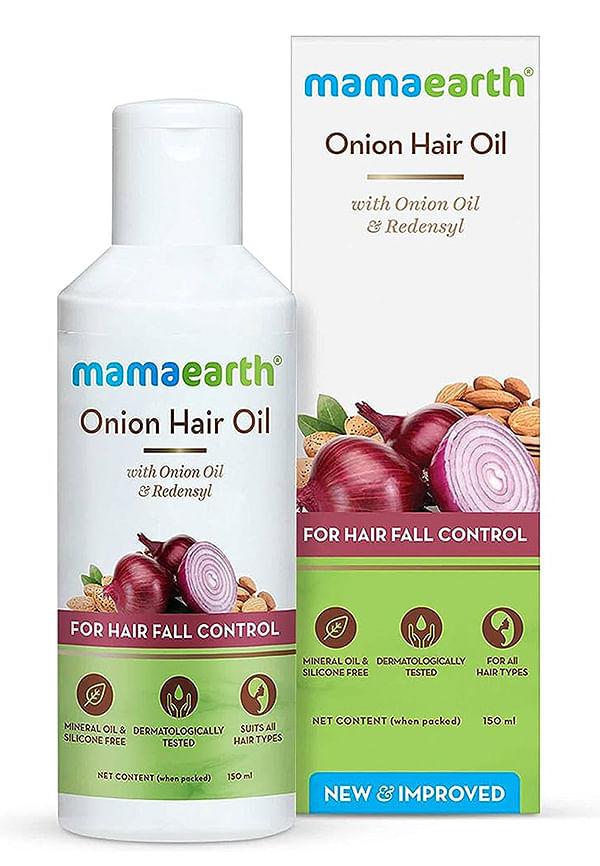 150 ml
Onion Oil For Hair Regrowth & Hair Fall Control With Redensyl
Having the right oil is only half the battle—how you apply it makes all the difference. Proper application ensures you get the most out of your scalp care oil investment.
For pre-wash treatments, apply oil to dry hair and scalp about 30 minutes before shampooing. This gives the oil time to penetrate without requiring an overnight commitment. If you're doing overnight treatments, focus the oil on your scalp rather than your hair lengths to avoid over-conditioning.
Scalp massage is crucial—it helps with absorption and stimulates blood flow. Use your fingertips (not nails) to gently massage in circular motions for 5-10 minutes. Start with small amounts and add more if needed. It's easier to add oil than to remove excess.
The biggest mistake people make is using too much oil. A little goes a long way, especially with richer oils like coconut or castor. Over-application can leave your hair greasy and difficult to wash out.
Timing matters too. Applying oil to wet hair dilutes its effectiveness, whilst leaving it on too long (more than 12 hours) can sometimes cause irritation. For most people, 2-3 times per week is plenty—daily use isn't necessary and can lead to buildup.
Consistency beats intensity when it comes to scalp care. Building a sustainable routine with your chosen scalp nourishing oil will give you better results than sporadic intensive treatments.
If you're new to scalp oils, start with once or twice a week. Apply your chosen oil 30 minutes before washing, focusing on any problem areas. As your scalp adjusts, you can increase to 3-4 times per week if needed.
Seasonal adjustments are important too. Your scalp might need richer oils in winter when heating systems dry out the air, whilst lighter oils work better in humid summer months.
Your hair growth oil routine can work alongside other natural treatments. Apple cider vinegar rinses help remove buildup, whilst gentle exfoliation with a scalp brush can improve circulation. Just don't overdo it—your scalp needs time to respond to treatments.
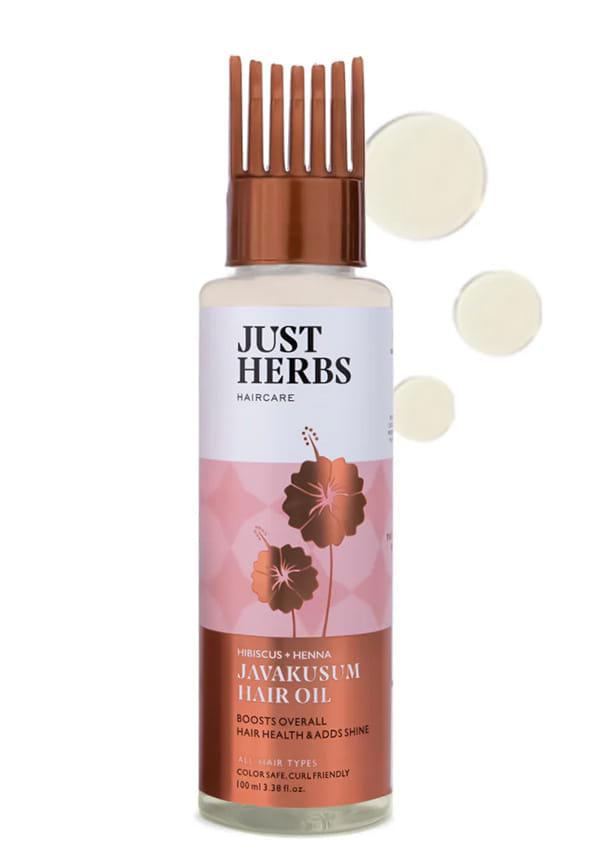 100 ml
Javakusum Hair Oil
This is where platforms like Smytten become incredibly valuable. With over 1,500 trusted brands offering trial-sized products, you can explore different scalp oils and treatments without committing to full-size purchases. Getting up to 8 minis for just ₹249 means you can try various formulations to find what works best for your specific scalp needs, all whilst earning 100% cashback for future purchases.
Jojoba oil is highly effective for irritated scalps because it closely mimics your natural sebum, making it easily absorbed and less likely to cause further irritation. Sweet almond oil is another gentle option that provides soothing moisture without heaviness.
For most people, 2-3 times per week is ideal. Start with once a week and gradually increase based on how your scalp responds. Oily scalps might need less frequent treatments, whilst very dry scalps could benefit from more regular application.
Absolutely! Mixing oils lets you customise your treatment. Try combining a lightweight carrier oil like jojoba with a few drops of rosemary essential oil for growth benefits, or mix coconut oil with tea tree oil for antimicrobial properties.
Coconut oil is often considered the gold standard due to its antimicrobial properties and deep conditioning benefits. However, the "best" oil depends on your specific scalp type and concerns. Jojoba works well for sensitive scalps, whilst castor oil is excellent for promoting hair growth.
Most people tolerate scalp oils well, but patch testing is always wise, especially with essential oils. Watch for increased irritation, breakouts along the hairline, or allergic reactions. If you experience any adverse effects, discontinue use and consult a dermatologist.
Finding the right affordable soothing scalp oil doesn't have to be complicated or expensive. Start with single-ingredient oils that match your scalp type, apply them consistently, and give your scalp time to respond. Remember, the most expensive oil isn't necessarily the best one for you—sometimes a simple coconut or jojoba oil from your local health store works better than fancy formulations.
The key is consistency and patience. Your scalp didn't develop issues overnight, and it won't heal overnight either. But with the right oil and proper application, you'll likely start seeing improvements within a few weeks. Whether you're dealing with dryness, irritation, or simply want to boost your hair growth, there's an affordable scalp oil solution out there for you. Why settle for a problematic scalp when you can try different options and find what works? After all, healthy hair starts with a healthy scalp.
