How to Choose Between Anti-Dandruff and Regular Shampoo


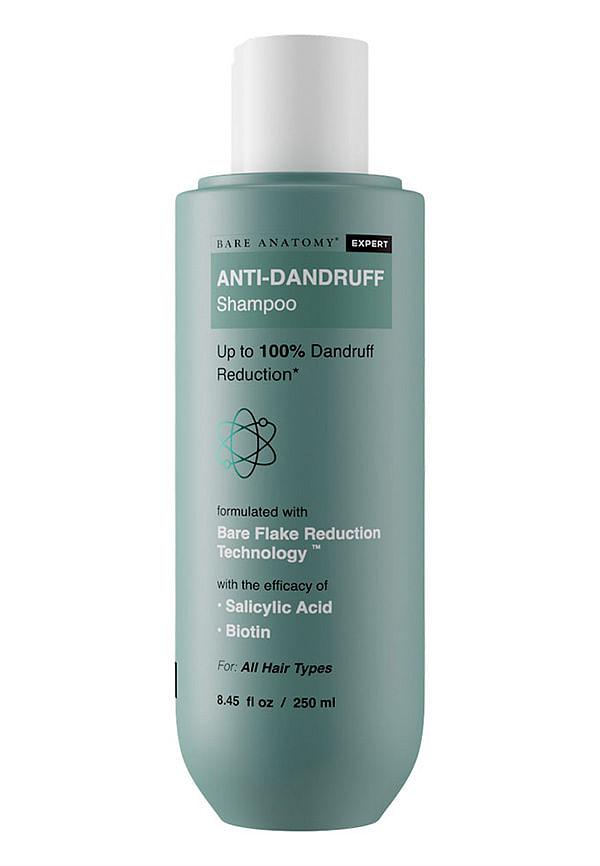 250 ml
Expert Anti-Dandruff Shampoo | Up To 100% Dandruff Reduction
Let's be real—standing in the shampoo aisle can feel like solving a puzzle. You've got bottles promising everything from silky strands to dandruff-free days, but the big question remains: do you actually need anti-dandruff shampoo vs regular shampoo? If you've ever found yourself scratching your head (literally and figuratively) over this choice, you're not alone. The truth is, your scalp has its own personality, and what works for your mate might not be your kind of pick. Understanding the difference between these two types of shampoo isn't just about reading labels—it's about knowing what your scalp is trying to tell you and giving it exactly what it needs.
When it comes to anti-dandruff shampoo vs regular options, the differences go way deeper than just marketing claims. Think of it like choosing between a gentle daily cleanser and a targeted treatment—they're both doing important work, but in completely different ways.
Dandruff shampoo isn't just regular shampoo with a fancy label. It's packed with active ingredients that specifically target the root causes of flaky, itchy scalps. The main players include zinc pyrithione, which tackles the fungus that loves to party on your scalp, ketoconazole that shows antifungal properties some serious attitude, and selenium sulfide that helps slow down cell turnover. These formulations are essentially medicated treatments disguised as everyday haircare. They're designed to restore balance to your scalp health, not just clean your hair. The pH levels are carefully calibrated, and the concentrations are strong enough to make a real difference to stubborn scalp conditions.
Regular shampoo is your everyday hero—it focuses on hair cleansing by removing dirt, oil, and product buildup. Its job is straightforward: clean your strands and leave them feeling fresh. The ingredients typically include gentle surfactants that lift away impurities without being too harsh on your hair's natural oils. Whilst regular shampoo does clean your scalp as part of the washing process, it's not specifically formulated to address scalp conditions. It's more about maintaining general cleanliness and keeping your hair looking and feeling healthy.
Here's where the real differences become crystal clear: • Purpose: Anti-dandruff targets scalp conditions; regular focuses on hair cleansing • Active ingredients: Medicated vs. gentle cleansing agents • Usage frequency: Anti-dandruff often 2-3 times weekly; regular can be daily • Cost: Anti-dandruff typically costs more due to active ingredients • Results timeline: Anti-dandruff shows results in 2-4 weeks; regular works immediately
Your scalp has a way of sending pretty clear signals when it needs more than basic cleansing. Recognising these signs early can save you from weeks of discomfort and embarrassing flakes on your favourite black top.
The most obvious sign is those pesky white or yellowish flakes that seem to appear no matter how often you wash your hair. But dandruff isn't just about visible flakes—it often comes with an itchy scalp that makes you want to scratch constantly. You might also notice scalp irritation, redness, or areas that feel tender to touch. Sometimes the flakes are oily rather than dry, which indicates a different type of scalp condition that still needs targeted treatment.
Here's where things get interesting—dry scalp and dandruff aren't the same thing, even though they're often confused. Dry scalp happens when your scalp lacks moisture, leading to small, dry flakes. Dandruff, on the other hand, is usually caused by an overgrowth of yeast and results in larger, oilier flakes. Dry scalp flakes are typically smaller and whiter, whilst dandruff flakes tend to be larger and can have a yellowish tint. The treatment approach differs too—dry scalp needs moisture, whilst dandruff needs antifungal action.
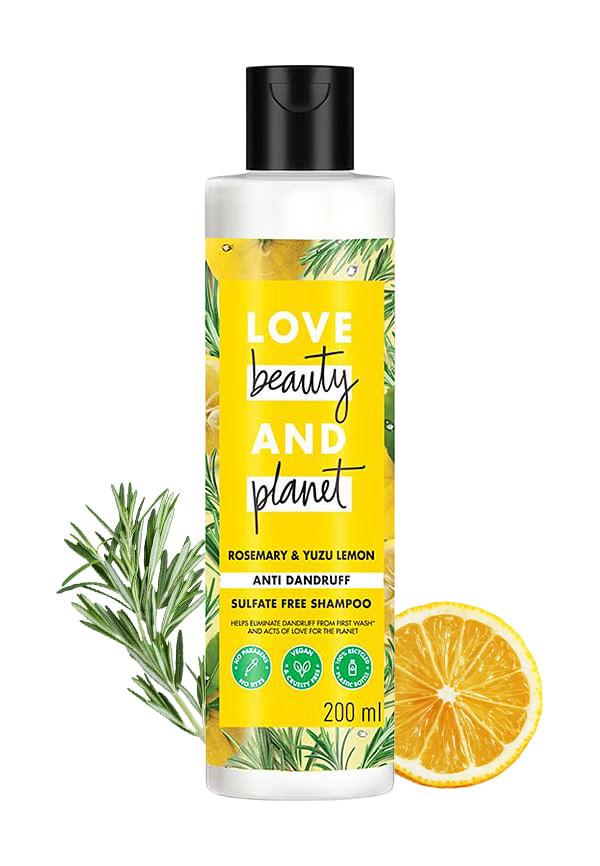 200 ml
Rosemary & Yuzu Lemon Anti Dandruff Shampoo
If you've been using regular shampoo religiously but still dealing with persistent flaking, itching, or scalp irritation, it's time to level up your haircare game. Regular shampoo simply doesn't have the tools to tackle the underlying causes of these conditions. You'll know it's time to switch when symptoms return quickly after washing, when the itching becomes constant, or when you notice your scalp health deteriorating despite good hygiene habits.
Navigating shampoo ingredients can feel like reading a chemistry textbook, but knowing what to look for makes all the difference in choosing between anti-dandruff and regular options.
Zinc pyrithione is probably the most common active ingredient you'll spot on dandruff shampoo labels. It's brilliant at controlling the fungus that contributes to dandruff and has antimicrobial properties that help maintain scalp health. Ketoconazole is another powerhouse ingredient that specifically targets fungal overgrowth. It's particularly effective for more stubborn cases of dandruff and seborrhoeic dermatitis. Selenium sulfide works differently—it helps slow down the rapid cell turnover that leads to flaking.
Regular shampoos typically contain surfactants like sodium lauryl sulfate or gentler alternatives that create lather and remove dirt and oil. You'll also find conditioning agents, moisturising ingredients, and sometimes natural extracts for added benefits. These formulations focus on cleansing effectiveness whilst being gentle enough for frequent use. They're designed to maintain your hair's natural balance rather than treat specific scalp conditions.
Some ingredients can actually make scalp conditions worse. Harsh sulfates might strip your scalp of natural oils, leading to irritation. Fragrances and certain preservatives can trigger sensitivity in people with already compromised scalp health. If you have sensitive skin, steer clear of formulations with too many synthetic additives or strong fragrances that might aggravate your condition.
You don't have to choose just one type of shampoo forever. Many people find success in combining both types of shampoo to address their specific needs whilst maintaining overall hair health.
A smart approach is to use anti-dandruff shampoo 2-3 times per week for dandruff treatment, then switch to regular shampoo on other wash days. This gives you the targeted treatment you need without over-medicating your scalp. Start by monitoring how your scalp responds to this routine. Some people need more frequent anti-dandruff treatments initially, then can reduce frequency as their scalp health improves.
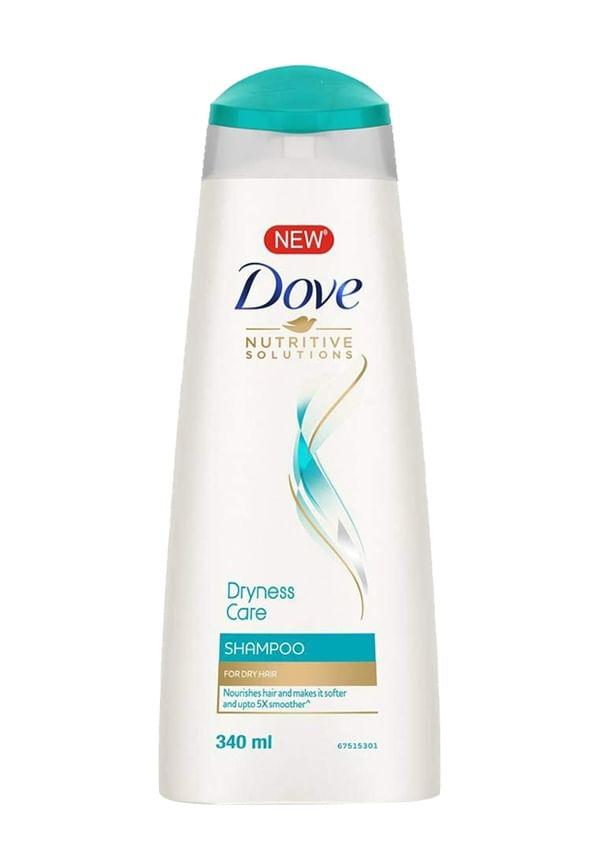 340 ml
Dryness Care Shampoo
When using both types, pay attention to how your hair and scalp feel. Anti-dandruff formulations can sometimes be drying, so you might need a more moisturising regular shampoo to balance things out. Always follow the instructions on anti-dandruff products—some need to be left on for a few minutes to work effectively, whilst others should be rinsed immediately.
Dermatologists often recommend starting with anti-dandruff shampoo until symptoms improve, then maintaining with a combination approach. The key is finding what works for your specific scalp condition and hair type. With platforms like Smytten, you can actually try different shampoo formulations without committing to full-size bottles. This makes it much easier to find your perfect combination without wasting money on products that don't work for you.
Your hair type plays a massive role in determining which approach works best for you. What works brilliantly for thick, oily hair might be completely wrong for fine, dry strands.
If you have oily hair, you might be able to use anti-dandruff shampoo more frequently without issues. However, if your hair is naturally dry or chemically treated, you'll need to be more careful about how often you use medicated formulations. Colour-treated hair requires special consideration—some anti-dandruff ingredients can fade colour faster, so you might need to alternate more carefully or choose colour-safe formulations.
Mild dandruff might respond well to gentler anti-dandruff formulations used occasionally, whilst severe cases need stronger active ingredients used more consistently. Sensitive scalps require fragrance-free, gentle formulations even in anti-dandruff products. Chronic conditions like seborrhoeic dermatitis or psoriasis need ongoing management with medicated shampoos, often under professional guidance.
Your environment affects your scalp too. Humid climates might worsen fungal conditions, requiring more frequent anti-dandruff treatments. Stress, hormonal changes, and even diet can influence your scalp health and determine which type of shampoo works best. Seasonal changes often mean adjusting your routine—you might need more anti-dandruff treatment in winter when heating systems dry out your scalp, or in summer when increased sweating creates conditions for fungal growth.
Sometimes the choice between anti-dandruff and regular shampoo isn't something you should make alone. Certain symptoms require professional attention to avoid making the problem worse.
If you've been using anti-dandruff shampoo consistently for more than two weeks without improvement, it's time to see a professional. Severe scalp irritation, inflammation, or any hair loss accompanying scalp issues needs immediate attention. Persistent symptoms might indicate a condition that needs prescription treatment or a different approach entirely. Don't keep trying different over-the-counter products if nothing seems to work.
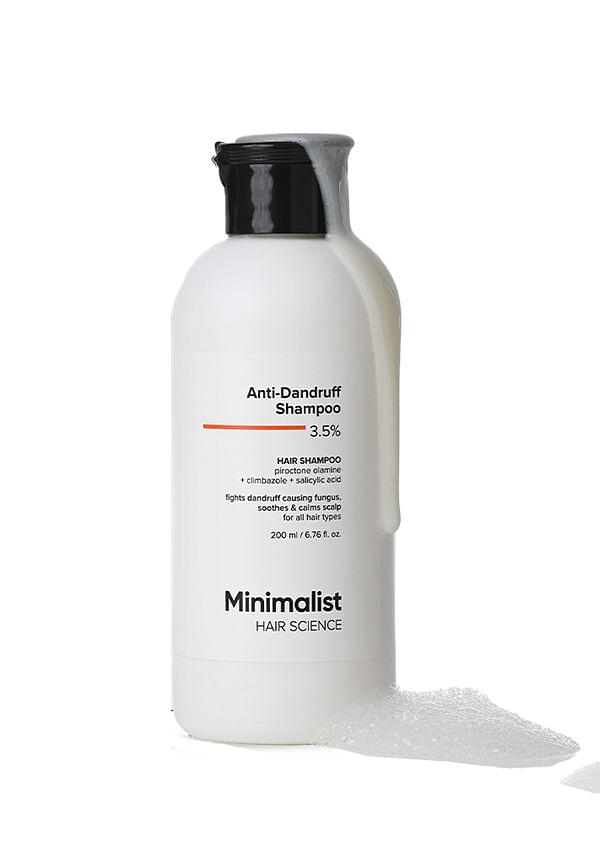 200 ml
Anti-Dandruff Shampoo 3.5%
A dermatologist can properly diagnose your scalp condition and recommend the most effective treatment approach. They might prescribe stronger medicated shampoos or suggest combining treatments for better results. Professional scalp analysis can reveal underlying issues that aren't obvious from symptoms alone, leading to more targeted and effective treatment plans.
Most anti-dandruff shampoos are designed for 2-3 times weekly use. Daily use might over-dry your scalp and hair, potentially making problems worse.
Regular shampoo won't necessarily make dandruff worse, but it won't treat the underlying causes either. You might see temporary improvement from cleansing, but symptoms will likely return.
Most people see improvement within 2-4 weeks of consistent use. However, it might take longer for severe cases or if you're not using the product correctly.
Yes, rotating between different active ingredients can actually be more effective than sticking to one formula. Different ingredients target different aspects of dandruff.
Not necessarily. The active ingredients are what matter most. However, expensive formulations might have gentler bases or additional conditioning ingredients.
Choosing between anti-dandruff shampoo vs regular doesn't have to be a permanent decision. Your scalp's needs can change based on seasons, stress levels, hormones, and countless other factors. The key is paying attention to what your scalp is telling you and adjusting accordingly. Remember, finding the right haircare routine often involves some trial and error. What works for your friend might not be your kind of pick, and that's completely normal. With Smytten's trial-sized options, you can explore different formulations from trusted brands without the commitment of full-size purchases. This approach lets you discover what truly works for your unique scalp and hair needs, making the choice between anti-dandruff and regular shampoo much less daunting. After all, why settle for 'maybe' when you can try it all and find what actually works?
