How to Care for Fine Hair: A Complete Guide for Volume

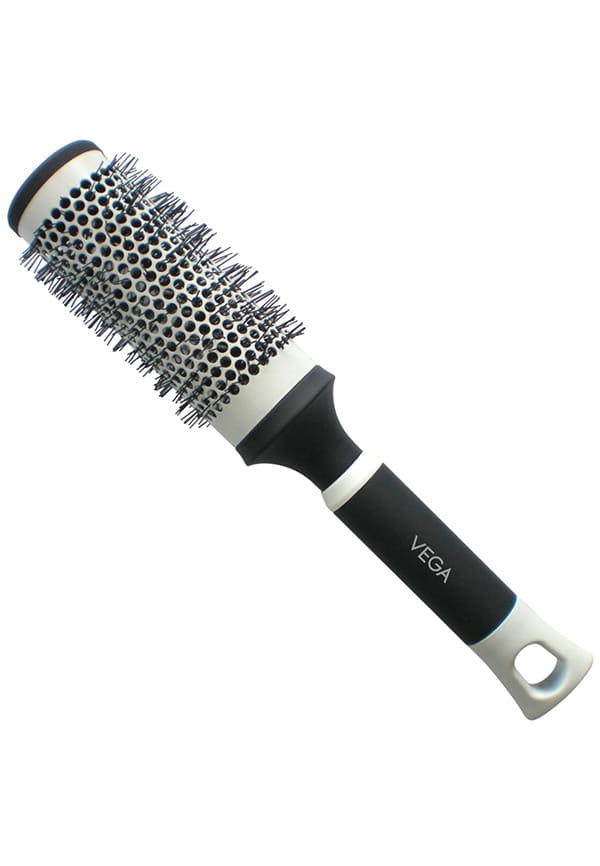
Hot Curl Hair Brushfor Hair Styling, Drying, Healthy Hair and Add Volume Big (H1-PR B)
You know that moment when you're getting ready and your hair just... sits there? Like it's given up on life before you've even had your morning coffee. If you've got fine hair, this probably feels like your daily reality. Your strands might be healthy, but they lack that oomph factor that makes hair look full and bouncy. The good news? Learning how to care for fine hair properly can completely change your hair game. It's not about fighting against your hair type—it's about working with it to create the volume and body you've been craving.
Let's clear something up first—fine hair isn't the same as thin hair, though people often mix them up. Fine hair refers to the actual diameter of each strand, while thin hair is about how many strands you have overall. You could have loads of fine hair that looks thick, or fewer strands of coarse hair that appears thin. It's all about the individual strand width.
Fine hair tends to be more delicate because each strand has a smaller circumference. This means it breaks more easily and often struggles to hold volume. Your hair follicles produce the same amount of oil as everyone else's, but since fine strands can't absorb as much, that oil spreads faster and makes your hair look greasy quicker. Plus, fine hair often lies flatter against your scalp, which can make it appear less voluminous than it actually is.
Your scalp doesn't know your hair is fine—it just keeps producing sebum at its normal rate. But fine strands get saturated with oil much faster than thick ones. Think of it like trying to soak up water with tissue paper versus a thick towel. The tissue gets saturated immediately, while the towel can handle much more.
Fine hair lacks the natural body that comes with thicker strands. Each strand is lighter, so it doesn't have the weight to create natural movement and bounce. This is why your hair might look flat even when it's freshly washed and styled.
Creating the right hair care routine for fine hair is like finding the perfect balance—you need enough cleansing to prevent oil buildup, but not so much that you strip your hair completely. Your routine should focus on adding volume without weighing your strands down.
Start with how often you wash. Fine hair typically needs washing every day or every other day because of that quick oil buildup we talked about. Some people worry that daily washing will damage their hair, but for fine hair types, clean roots are often more important than preserving natural oils that your hair can't really use anyway.
Your morning routine should be about refreshing and volumising. If you're not washing that day, dry shampoo is your best friend—but apply it the night before for better absorption. In the morning, just massage it through your roots and brush out any excess.
What you do before bed affects how your hair looks the next day. Switch to a silk or satin pillowcase to reduce friction, and consider loosely braiding your hair or putting it in a very loose bun to prevent tangling without creating dents.
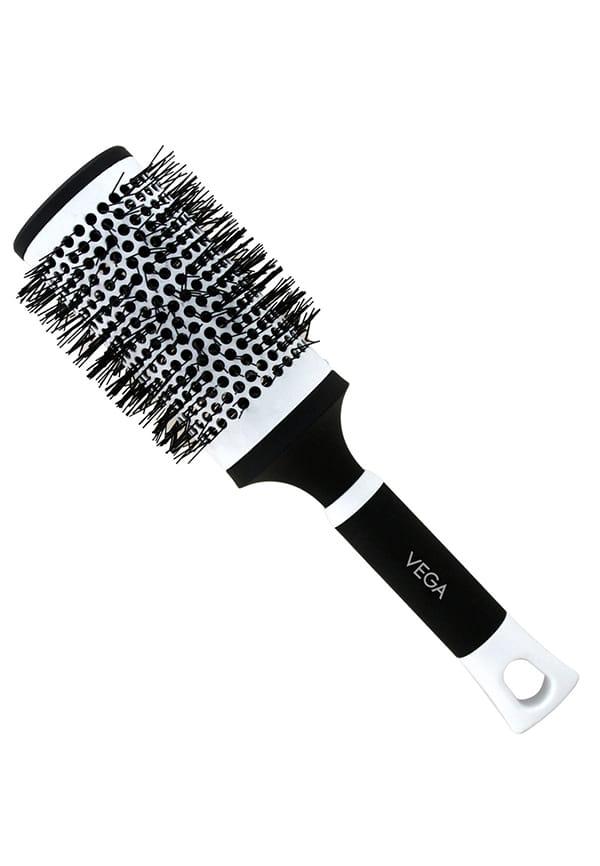
Hot Curl Brushfor Hair Styling, Drying, Healthy Hair and Add Volume, Large (H1-PRL)
When it comes to choosing the best shampoo for fine hair, you want something that cleanses thoroughly without being too harsh. Look for volumising formulas that contain ingredients like rice protein, which can temporarily plump up each strand, or biotin, which supports overall hair health.
Sulfate-free shampoos are often recommended, but for fine hair, a gentle sulfate shampoo once or twice a week can actually be helpful for removing product buildup that weighs hair down. The key is not using harsh sulfates every single day.
The best conditioner for fine hair is one that moisturises without adding weight. Apply it only from mid-lengths to ends—never on your roots or scalp area. Your roots get enough moisture from your scalp's natural oils, and adding conditioner there will just make your hair look flat and greasy faster.
Hair thickening treatments can be game-changers for fine hair, but manage your expectations. These products won't actually change your hair's diameter, but they can make strands appear fuller and feel thicker temporarily. Look for treatments with peptides, caffeine, or niacinamide—ingredients that can improve scalp circulation and hair appearance.
The right volumizing hair products can make a huge difference in how your fine hair looks and feels. But here's the thing—more isn't always better. Using too much of even the best products can weigh your hair down and defeat the purpose.
Root lifters and volumising mousses are brilliant for fine hair because they add body right at the roots where you need it most. Apply these to damp hair, focusing on the root area, and then blow-dry with your head upside down for maximum lift.
Texturising sprays and sea salt sprays can give fine hair the grip it needs to hold styles better. These products for thin hair work by slightly roughing up the hair cuticle, which creates more friction between strands and helps them hold volume and texture.
Heavy oils, thick serums, and rich leave-in treatments are generally not your friends if you have fine hair. These products might work wonders for thick, coarse hair, but they'll just weigh your strands down and make them look limp.
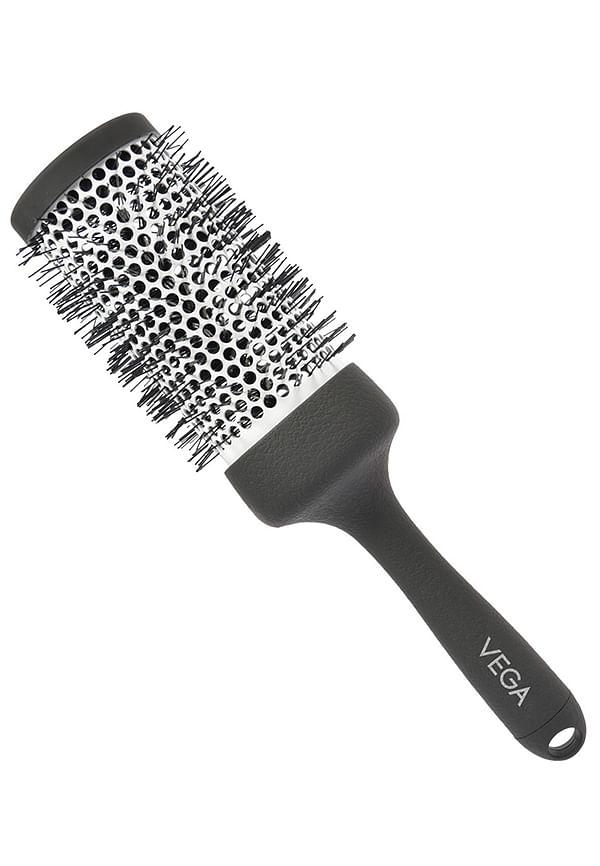
Hot Curl Brushfor Hair Styling, Drying, Healthy Hair and Add Volume, Large (H2-PRL)
Learning proper fine hair styling techniques can completely transform how your hair looks. The goal is to create lift and movement without causing damage or weighing your hair down with too much product.
When blow-drying, start with your head upside down and use a round brush to lift sections of hair at the roots. The trick is to get the roots completely dry first—this sets the volume. Once your roots are dry, you can flip your head back up and smooth the lengths.
If you're wondering how to add volume to hair using heat tools, the secret is in the technique, not just the tools themselves. Use lower heat settings to prevent damage, and always use a heat protectant. Velcro rollers can be amazing for creating volume—put them in damp hair, blow-dry, then let them cool completely before removing.
For days when you want to give your hair a break from heat, try braiding slightly damp hair before bed. When you wake up and brush it out, you'll have natural texture and volume. Pin curls are another great option—twist small sections of damp hair and pin them to your scalp, then sleep on them.
The right haircut can make fine hair look significantly fuller and thicker. Blunt cuts often work better than heavily layered ones because they maintain the appearance of density. When you have too many layers, especially long ones, they can make fine hair look wispy and thin.
Bob cuts are particularly flattering for fine hair because the shorter length prevents the weight from pulling your hair down. A-line bobs, where the front is slightly longer than the back, can create the illusion of thickness while still giving you some length to work with.
Strategic highlighting and lowlighting can create the illusion of depth and thickness. When done well, these colour techniques add dimension that makes your hair appear fuller. Root shadowing, where the roots are kept slightly darker, can also create the appearance of more volume.
One of the biggest mistakes people make with fine hair is applying conditioner to their roots. This instantly weighs hair down and makes it look greasy. Another common error is using too much styling product—with fine hair, a little really does go a long way.
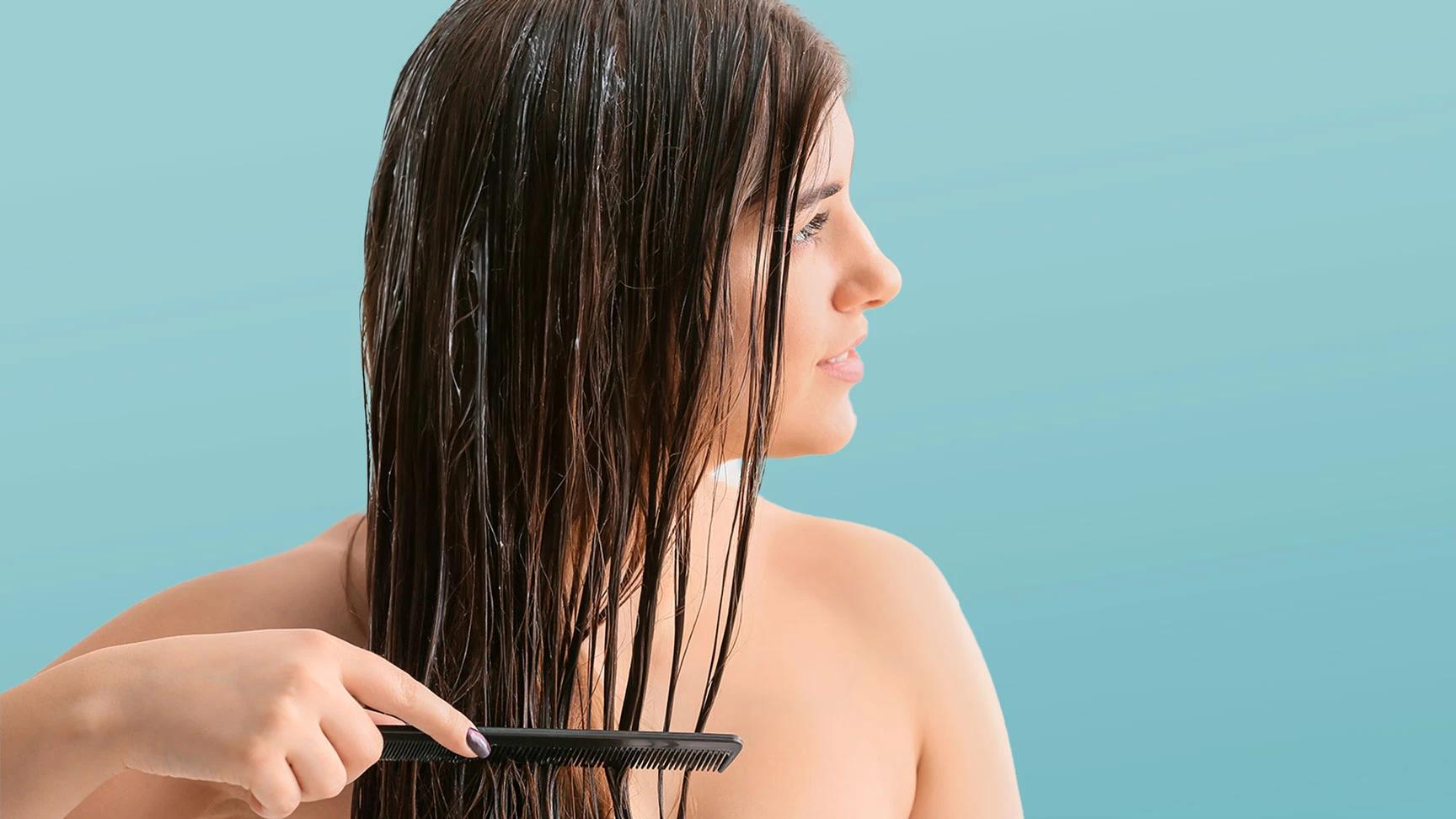
Brushing wet hair aggressively is particularly damaging for fine strands. When hair is wet, it's at its most vulnerable, and fine hair is already more delicate than thick hair. Use a wide-tooth comb or a brush specifically designed for wet hair, and be gentle.
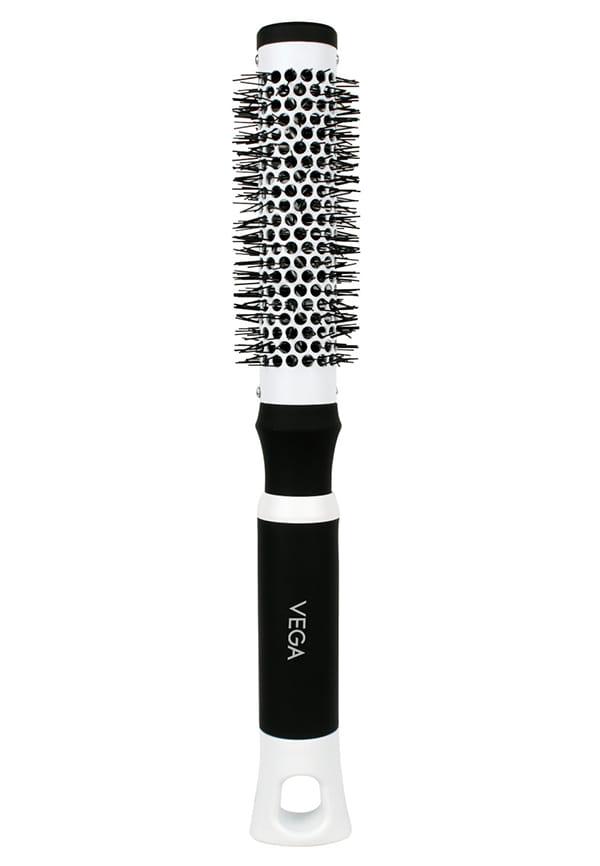
Hot Curl Hair Brushfor Hair Styling, Drying, Healthy Hair and Add Volume, Small (H1-PR S)
Fine hair can't handle as much chemical processing as thick hair. If you're colouring, perming, or chemically straightening, you need to be extra careful about timing and product strength. Consider spacing out chemical treatments and always use deep conditioning treatments afterwards.
Most people with fine hair need to wash daily or every other day. Fine hair gets oily faster because the strands can't absorb much oil before becoming saturated. If your hair looks greasy by the end of the day, daily washing is probably your best bet. Use a gentle, volumising shampoo and focus the cleansing on your scalp and roots.
Fine hair refers to the diameter of individual strands—they're narrower than normal. Thin hair refers to density—having fewer strands overall. You can have fine hair that's thick (lots of fine strands) or thin hair that's coarse (fewer strands, but each one is thick). Many people have both fine and thin hair, which presents unique challenges.
While dry shampoo can be helpful for fine hair, using it every single day isn't ideal. It can build up on your scalp and actually weigh your hair down over time. Try alternating between washing days and dry shampoo days, and make sure to thoroughly cleanse your scalp at least every few days to remove any buildup.
Fine hair falls flat because the strands are lightweight and can't support much volume on their own. The natural oils from your scalp also weigh down fine hair faster. To combat this, focus on getting volume at the roots with the right products and techniques, and consider using a light-hold hairspray to help maintain your style longer.
For fine hair, avoid heavy ingredients like thick oils (coconut oil, argan oil in large amounts), heavy silicones, and rich butters. These can weigh your hair down. Also be cautious with protein treatments—while fine hair can benefit from protein, too much can make it stiff and brittle. Look for lightweight, volumising formulas instead.
Fine hair is most fragile when wet, so if you must detangle wet hair, use a wide-tooth comb and start from the ends, working your way up. However, it's often better to gently detangle before washing and then style with minimal manipulation when damp. A good detangling brush designed for wet hair can also help minimise breakage.
Caring for fine hair is all about understanding what your hair needs and what weighs it down. The key principles are keeping your scalp clean, avoiding heavy products, and using techniques that create volume at the roots. Remember that fine hair care tips aren't one-size-fits-all—what works for your friend might not work for you, so don't be afraid to experiment with different approaches.
The most important thing is to be gentle with your hair while still giving it the cleansing and volume it needs. With the right routine and products, fine hair can look full, bouncy, and healthy. It might take some trial and error to find your perfect combination, but once you do, you'll wonder why you ever thought fine hair was a limitation rather than just another hair type to work with.
Not sure which products might work best for your specific hair needs? Smytten offers trial-size versions of many volumising shampoos, lightweight conditioners, and styling products from trusted brands—a smart way to test what works for your fine hair before investing in full-size bottles.
