How to Buy the Best Hair Damage Repair Products


Let's be real—damaged hair can feel like a never-ending battle. Whether it's from heat styling, chemical treatments, or just life happening, finding the right products to buy hair damage repair solutions can feel overwhelming. With endless options promising miraculous transformations, how do you know what actually works? The truth is, whilst you can't reverse structural damage completely, the right products can dramatically improve your hair's appearance, strength, and manageability. This guide will walk you through everything you need to know about choosing effective hair repair products that suit your specific needs and budget.
Before you start shopping for damaged hair treatment products, you need to understand what type of damage you're dealing with. Different damage types require different approaches, and using the wrong products can sometimes make things worse.
Heat damage is probably the most common culprit behind brittle, lifeless hair. If you're constantly reaching for straighteners, curling irons, or blow dryers, you've likely experienced this firsthand.
Signs of heat damage include rough texture, excessive hair breakage, and those dreaded split ends that seem to multiply overnight. Your hair might feel dry and look dull, even right after washing. Split ends repair becomes crucial here because once the hair shaft splits, it can travel up the strand if left untreated.
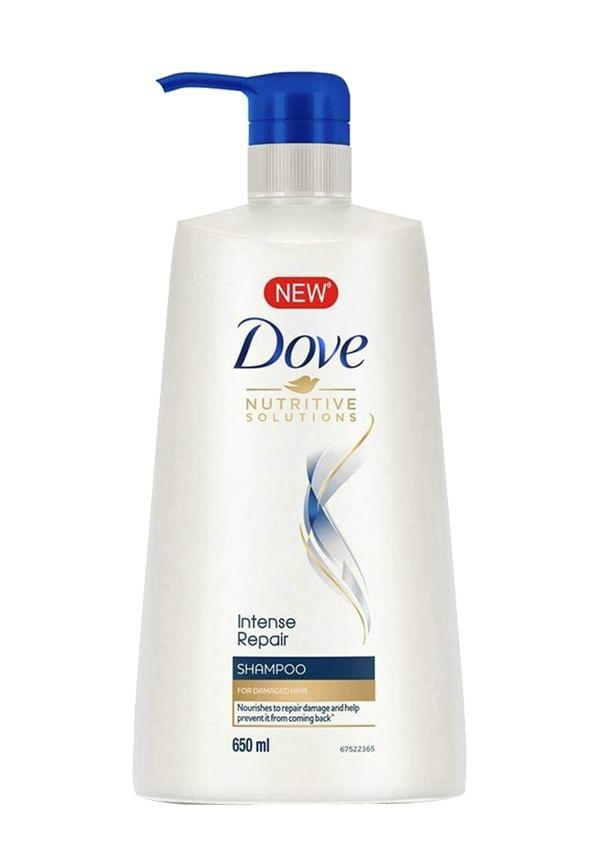 650 ml
Intense Repair Shampoo
Colour treatments, bleaching, perms, and relaxers can leave your hair in desperate need of repair. Chemical damage often creates an imbalance between protein and moisture in your hair structure.
You might notice your hair feels mushy when wet (too much moisture, not enough protein) or brittle and snappy when dry (too much protein, not enough moisture). Understanding this balance is key to choosing the right hair repair products.
Sun exposure, pollution, harsh weather, and even aggressive brushing can contribute to hair damage. This type of damage often shows up as general weakness, increased tangling, and gradual thinning of the hair shaft.
Mechanical damage from tight hairstyles, rough towel drying, or sleeping on cotton pillowcases can cause hair breakage along the length of your strands, not just at the ends.
Now that you've identified your damage type, let's explore the different product categories that can help. Think of building a haircare for damaged hair routine like creating a skincare routine—you need different products for different purposes.
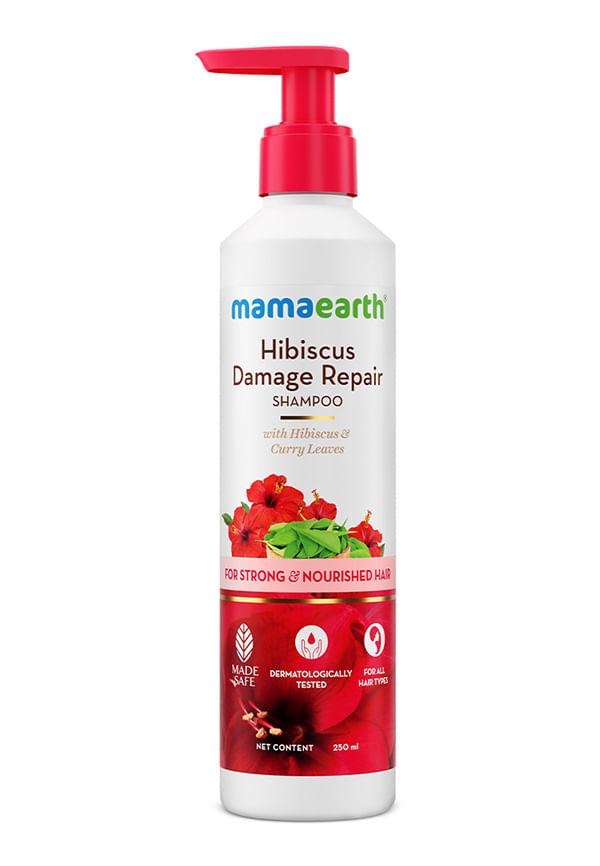 250 ml
Hibiscus Damage Repair Shampoo With Hibiscus & Curry Leaves
Repair shampoos are gentler than regular formulas and often contain hair strengthening ingredients. They cleanse without stripping away natural oils that damaged hair desperately needs.
Look for sulphate-free formulas with added proteins, ceramides, or natural oils. These shampoos typically have a creamier texture and won't lather as much as regular shampoos—that's completely normal.
This is where the real magic happens. A good hair mask for damage can transform your hair's feel and appearance in just one use. Deep conditioner for damaged hair products work by temporarily filling in gaps in the hair cuticle and providing intense moisture or protein.
Weekly intensive masks are perfect for severely damaged hair, whilst lighter daily conditioners maintain the benefits between treatments. Some masks are designed to be left on for just a few minutes, whilst others work best when left on for 20-30 minutes.
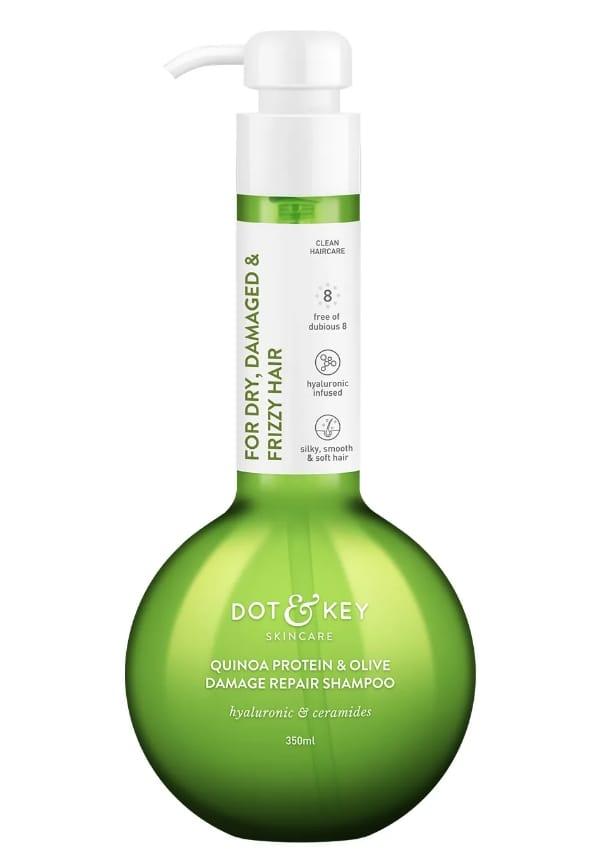 350ml
350mlQuinoa Protein & Olive Damage Repair Shampoo
Anti-breakage products in this category provide ongoing protection throughout the day. They create a protective barrier around each strand and often contain heat protectants for styling.
These products are brilliant for fine hair that gets weighed down by heavy masks, or for anyone who wants daily protection without the commitment of weekly treatments.
Salon-grade hair restoration treatments often contain higher concentrations of active ingredients and may use professional application techniques. However, many at-home options now rival salon results at a fraction of the cost.
Consider your budget, time constraints, and damage severity when deciding between professional and at-home treatments.
Understanding ingredients helps you make informed decisions and avoid products that are all marketing hype. Here are the ingredients that actually make a difference in hair repair.
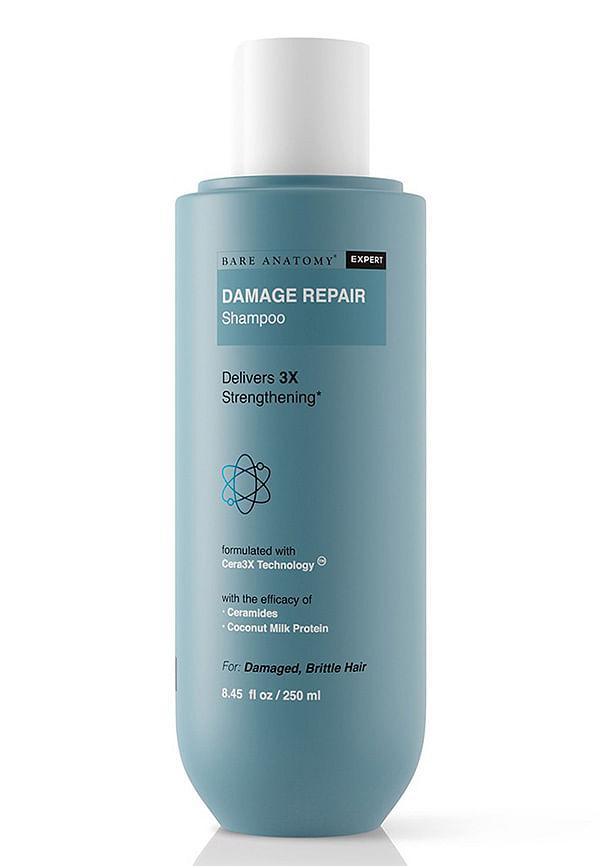 250 ml
Expert Damage Repair Shampoo To Repair And Strengthen Up To 3X
Keratin, hydrolysed proteins, and amino acids help rebuild the hair's structure. These ingredients are particularly effective for chemically damaged hair that's lost its structural integrity.
However, too much protein can make hair brittle, so balance is key. If your hair feels stiff after protein treatments, you need more moisture-based products in your routine.
Natural oils like argan, coconut, and jojoba penetrate the hair shaft to provide deep moisture. Ceramides help seal the hair cuticle, whilst humectants like glycerin draw moisture from the environment.
These ingredients are essential for hair that feels dry, rough, or lacks shine. They're particularly beneficial for heat-damaged hair that's lost its natural moisture balance.
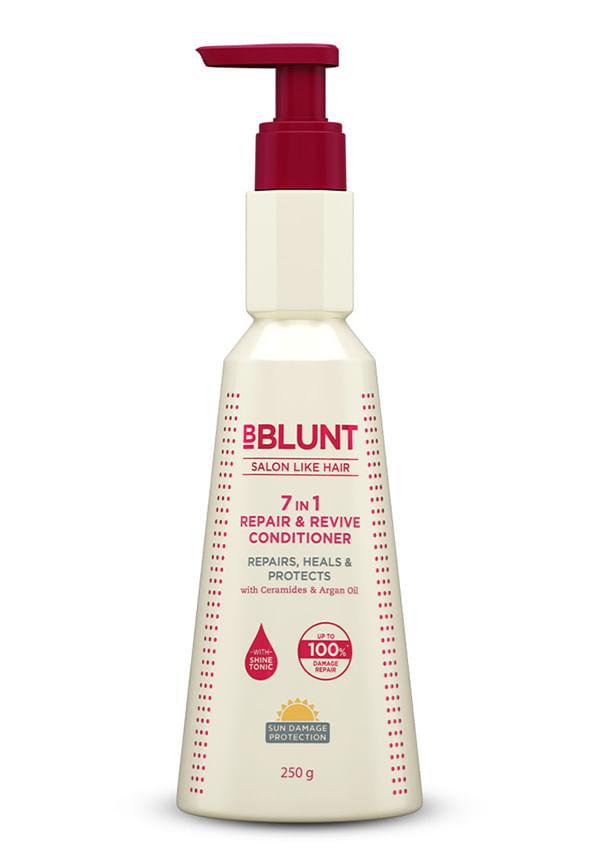 250ml
250ml7 in 1 Repair & Revive Conditioner for Upto 100% Damage Repair
Many brands now use patented bond-building technologies that work at a molecular level. These ingredients can temporarily reconnect broken bonds within the hair shaft.
Whilst these technologies can be effective, don't get too caught up in marketing claims. Focus on how the product performs for your specific hair type and damage level.
Your hair type significantly influences which products will work best for you. What works brilliantly for thick, coarse hair might weigh down fine strands, and vice versa.
Mild damage might only require a good deep conditioner for damaged hair once a week, whilst severe damage needs a comprehensive routine with multiple products.
Take an honest look at your hair's condition. If you can see through sections of your hair when it's wet, or if it breaks easily when you gently stretch a strand, you're dealing with significant damage that needs intensive treatment.
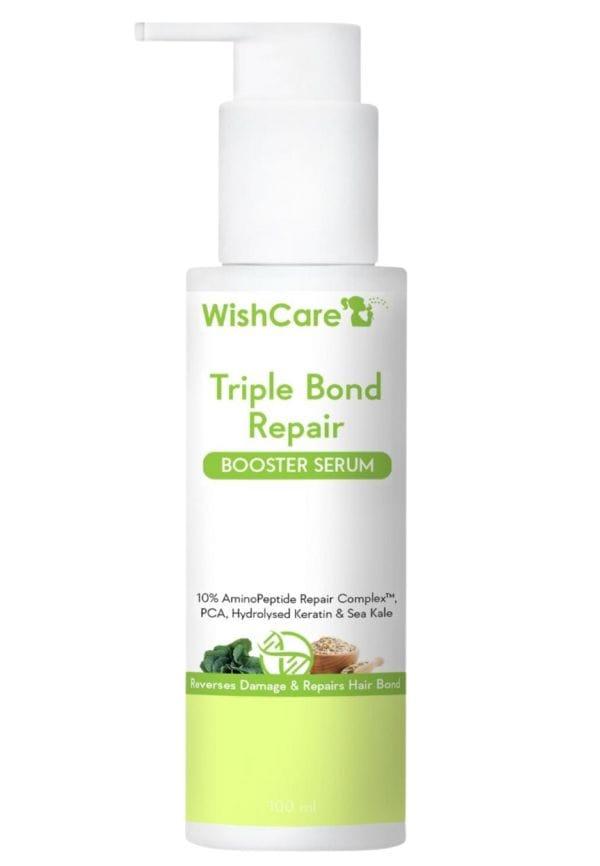 100 ml
Triple Bond Repair Booster Hair Serum
Fine hair needs lightweight formulas that won't cause buildup or weighing down. Look for volumising damaged hair treatment products that add body whilst repairing.
Thick, coarse hair can handle richer formulas and benefits from heavier oils and butters. Curly hair often needs extra moisture, as the curl pattern makes it harder for natural oils to travel down the hair shaft.
You don't need to spend a fortune to get good results. Many drugstore brands now offer effective hair strengthening products with quality ingredients.
However, if you're dealing with severe damage or have specific concerns, investing in a few premium products for your routine might be worth it. Focus your budget on the products you'll use most frequently.
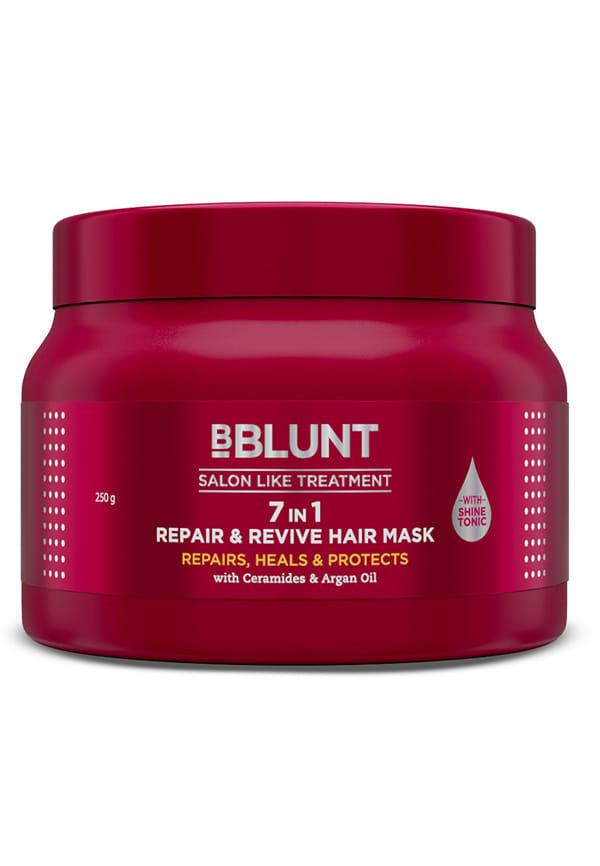 250 gm
7 in 1 Repair & Revive Hair Mask for Upto 100% Damage Repair
Shopping for hair damage repair products can feel like navigating a maze. Here's how to make smart choices that actually deliver results.
Ingredients are listed in order of concentration, so the first five ingredients make up the majority of the formula. Look for beneficial ingredients high up on the list, not just mentioned at the end.
Avoid products with high alcohol content (especially denatured alcohol) as these can be drying. Sulphates aren't necessarily bad, but they can be too harsh for already damaged hair.
Authorised retailers ensure you're getting genuine products with proper storage and handling. Online shopping offers more variety and often better prices, but make sure you're buying from reputable sources.
This is where platforms like Smytten become incredibly valuable. As India's largest product discovery and trial platform, Smytten connects you with over 1,500 trusted brands, letting you explore trial-sized versions before committing to full-size purchases. You can try up to 8 minis for just ₹249, with 100% cashback redeemable for future orders.
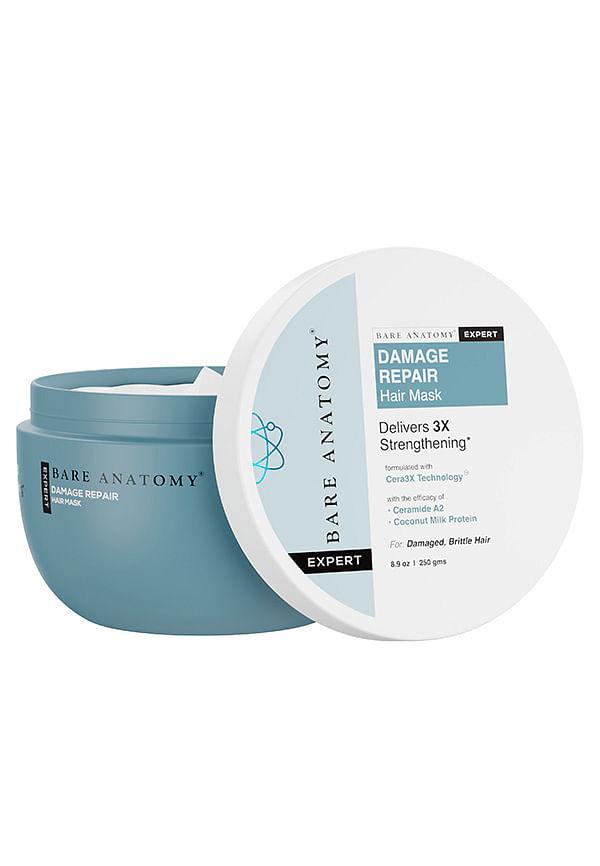 250 gm
Damage Repair Hair Mask With Ceramide A2 And Coconut Milk Protein
Always patch test new products, especially if you have sensitive skin or scalp. Start with one new product at a time so you can identify what's working and what isn't.
Trial sizes are perfect for testing expensive products or trying multiple options to find your perfect match. Many brands offer travel sizes or sample sets specifically for this purpose.
A successful haircare for damaged hair routine is about consistency and using products that work together. Here's how to structure your routine for maximum effectiveness.
Start with a gentle, repairing shampoo 2-3 times per week (daily washing can be too harsh for damaged hair). Follow with a moisturising conditioner every time you wash.
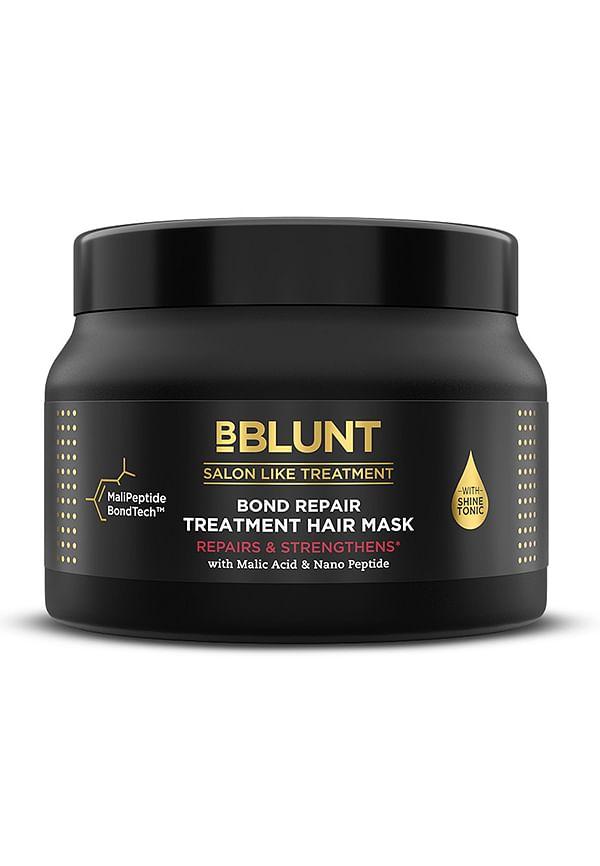 250g
250gBond Repair Treatment Hair Mask
Apply leave-in treatments to damp hair, focusing on mid-lengths and ends. If you're heat styling, never skip the heat protectant—this is non-negotiable for preventing further damage.
Dedicate time once or twice a week for intensive treatments. Apply your hair mask for damage to clean, damp hair and leave it on for the recommended time.
For severely damaged hair, you might benefit from alternating between protein and moisture treatments to maintain the right balance.
As your hair improves, you can gradually reduce the frequency of intensive treatments. Focus on prevention by using heat protectants, sleeping on silk pillowcases, and getting regular trims.
Remember that hair restoration is a gradual process. You'll likely see improvements in texture and manageability within a few weeks, but significant changes take 2-3 months of consistent care.
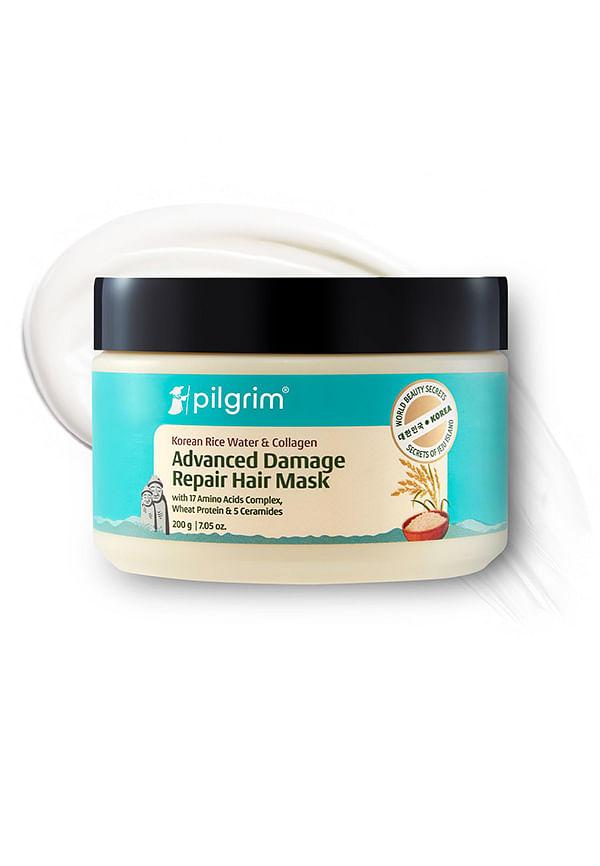 200 gm
Korean Rice Water & Collagen Advanced Damage Repair Hair Mask
Whilst structural damage to hair is permanent, the right products can significantly improve appearance, manageability, and prevent further breakage. Think of it as cosmetic improvement rather than true repair.
You might notice immediate improvements in texture and shine, but significant changes typically take 4-6 weeks of consistent use. Severely damaged hair may need 2-3 months to show substantial improvement.
This depends on your hair's specific needs. Chemically damaged hair often needs protein, whilst heat-damaged hair usually needs moisture. Many people benefit from alternating between both types of treatments.
For severely damaged hair, 2-3 times per week initially, then reduce to once weekly as your hair improves. Mildly damaged hair typically needs weekly treatments.
Not necessarily. Many affordable products contain effective ingredients. Focus on finding products with the right ingredients for your hair type rather than just the highest price tag.
Choosing the right products to buy hair damage repair solutions doesn't have to be overwhelming. Focus on understanding your specific damage type, reading ingredient lists, and building a routine that you can stick to consistently. Remember that patience is key—damaged hair takes time to improve, but with the right products and routine, you can achieve healthier, stronger-looking hair.
The beauty of modern haircare is that you have more options than ever before. Whether you're dealing with split ends repair, general hair breakage, or severe chemical damage, there are effective products available at every price point. Start with the basics—a good repairing shampoo, deep conditioner for damaged hair, and leave-in protection—then build from there based on your hair's response.
With platforms like Smytten making it easier to try products before committing to full sizes, there's never been a better time to experiment and find your perfect haircare for damaged hair routine. After all, why settle for 'maybe' when you can try it all and find what truly works for your hair?
