How to Boost Hair Strength: Essential Factors Revealed

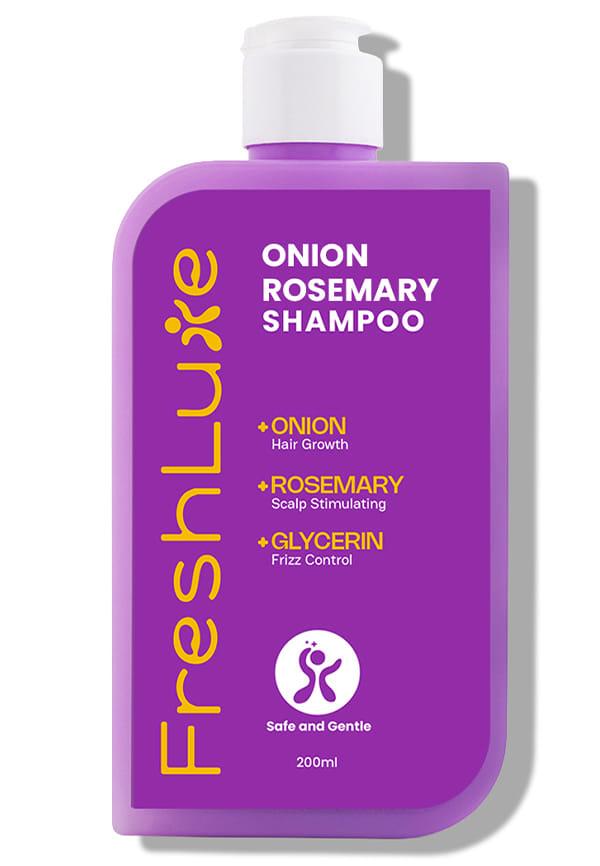 200 ml
Growth Boost Shampoo Onion & Rosemary Strengthens Hair & Promotes Growth
Ever wondered why some people seem to have naturally strong hair whilst yours breaks at the slightest touch? The truth is, hair strength isn't just about genetics—it's a complex interplay of factors that you can actually influence. From the protein structure that makes up your strands to the daily habits that either strengthen or weaken them, understanding what affects hair strength is your first step towards achieving those resilient, healthy locks you've been dreaming of. Let's dive into the science behind strong hair and discover the essential factors that could transform your haircare game.
Hair strength is essentially your hair's ability to withstand tension, stretching, and daily wear without breaking. Think of it as your hair's resilience factor—the difference between strands that snap easily and those that can handle styling, brushing, and environmental stressors like champions. Your hair structure is surprisingly complex, consisting of three main layers. The outermost cuticle acts like protective scales, the cortex in the middle provides strength and colour, and the innermost medulla gives structure. When these layers work in harmony, you get strong, healthy hair. When they're compromised, that's when hair breakage causes become apparent.
Here's something fascinating: hair is 90-95% keratin, a fibrous protein that's literally the building block of hair strength. This protein forms long chains that give your hair its structure and elasticity. When your hair lacks adequate protein or when this protein structure gets damaged, your strands become weak and prone to breakage.
Hair elasticity refers to how much your hair can stretch before breaking—healthy hair can stretch up to 30% of its length when wet. Tensile strength, on the other hand, is about how much force your hair can handle before snapping. Both are crucial for overall hair health and preventing those frustrating broken strands.
Understanding what influences your hair's strength is crucial for developing an effective haircare routine. These factors work together, and addressing them holistically gives you the best chance at achieving strong hair.
Your hair is essentially a reflection of your internal health, and nutritional deficiencies are often the hidden culprits behind weak strands. Iron deficiency, for instance, can lead to hair that breaks easily because iron helps carry oxygen to hair follicles. Biotin and vitamin D are equally crucial for hair protein synthesis. A healthy hair diet should include protein-rich foods like eggs, fish, and legumes, along with iron sources such as spinach and lean meats. Don't forget zinc from nuts and seeds—it's essential for hair tissue growth and repair.
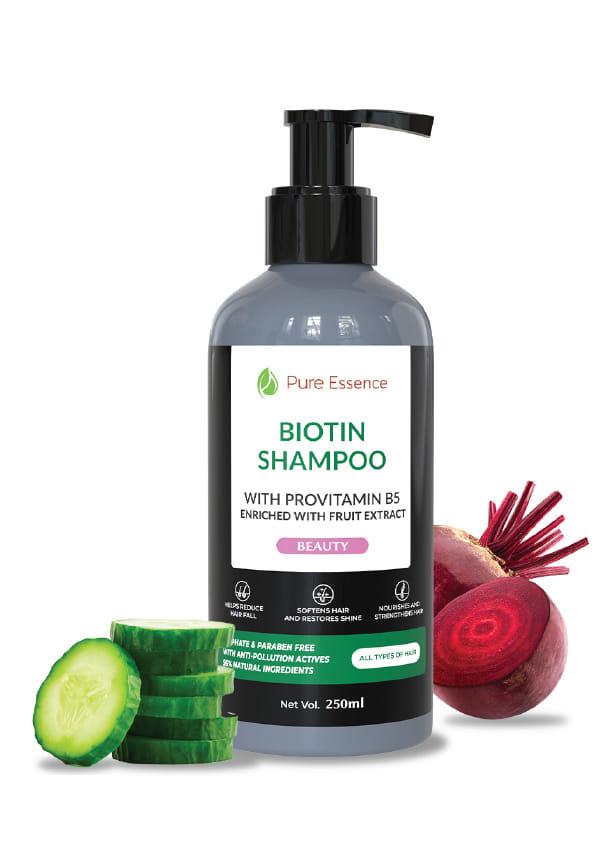 250 ml
Biotin Shampoo | Softens Hair | Nourishes Scalp | Lowers Hairfall
Whilst you can't change your genes, understanding your genetic predisposition helps you work with what you've got. Some people naturally produce more keratin or have thicker hair shafts, whilst others might be more prone to certain types of hair damage. Age also plays a significant role. As we get older, our hair follicles produce less protein, and hormonal changes can affect hair elasticity. This doesn't mean you're doomed to weak hair—it just means you might need to adjust your approach.
Daily exposure to UV rays, pollution, and harsh weather conditions can gradually weaken your hair's protective cuticle layer. Chemical processing like colouring, perming, or relaxing can also compromise hair protein structure. Even something as simple as hard water can affect your hair strength by depositing minerals that make strands brittle and difficult to manage.
Chronic stress elevates cortisol levels, which can disrupt the hair growth cycle and weaken existing strands. Hormonal imbalances, particularly thyroid disorders, can significantly impact hair strength and growth patterns. Poor sleep quality also affects hair regeneration since most cellular repair happens during deep sleep phases.
Recognising the signs of weak hair early can help you address issues before they become major problems. Excessive styling with heat tools, tight hairstyles that pull on the hair shaft, and over-washing with harsh shampoos are common culprits. Mechanical damage from aggressive brushing, especially when hair is wet and most vulnerable, can cause immediate breakage. Even something as innocent as roughly towel-drying your hair can contribute to damage over time.
Weak hair roots often manifest as increased shedding, particularly noticeable when washing or brushing. You might also notice that your hair feels thinner overall or that new growth seems finer than before. Brittleness is another key indicator—if your hair snaps easily when you gently stretch a strand, it's likely lacking in protein or moisture balance.
The good news is that with the right approach, you can significantly improve your hair's strength and resilience. The key is consistency and using methods that address your specific hair needs.
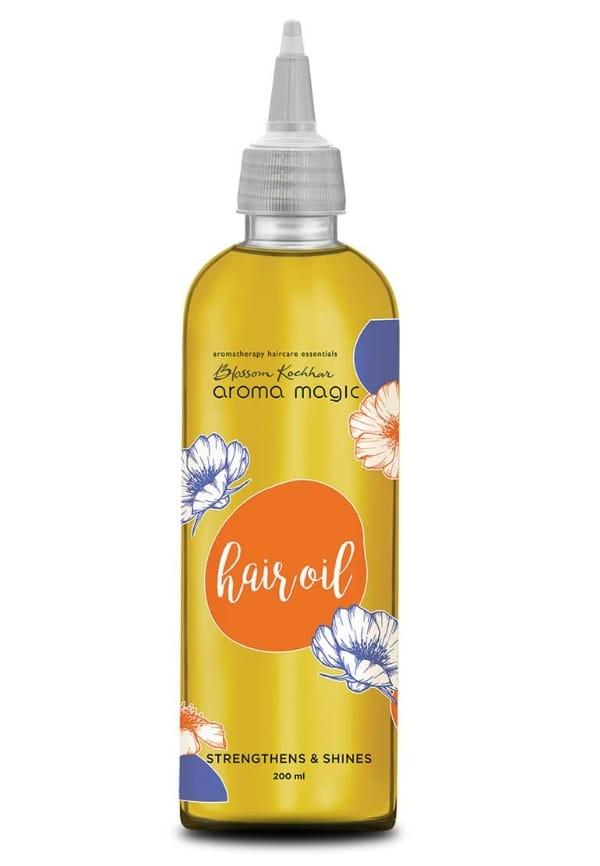 200 ml
Hair Oil- Vitamin Rich
Protein treatments can help rebuild damaged hair structure by temporarily filling in gaps in the hair shaft. DIY options include egg masks or yoghurt treatments, whilst professional keratin treatments offer more intensive repair. However, balance is crucial—too much protein can make hair brittle, whilst too little leaves it weak. The goal is finding that sweet spot where your hair feels strong but still flexible.
A healthy scalp is the foundation of strong hair. Regular scalp massage improves blood circulation, bringing nutrients to hair follicles. Essential oils like rosemary or peppermint can further stimulate circulation when used correctly. Gentle cleansing routines that remove buildup without stripping natural oils are essential for maintaining scalp health and supporting strong hair growth.
Building hair strength is a marathon, not a sprint. Protective styling techniques like loose braids or silk scrunchies can prevent mechanical damage during sleep and daily activities. When using heat tools, always apply a heat protectant and keep temperatures below 180°C. Higher temperatures can literally cook your hair protein, leading to irreversible damage. Regular trims every 6-8 weeks prevent split ends from travelling up the hair shaft, maintaining overall hair integrity. It might seem counterproductive when you're trying to grow your hair, but healthy ends mean stronger overall hair.
Choosing the right products can make or break your hair strength journey. Look for ingredients like hydrolysed proteins, ceramides, and natural oils that support hair structure. Avoid sulphates and harsh alcohols that can strip your hair's natural protective barriers. With platforms like Smytten, you can try different haircare products in mini sizes before committing to full-size purchases, making it easier to find what works for your specific hair needs without the financial risk.
What you eat directly impacts your hair strength. Hair nutrition isn't just about protein—you need a balanced mix of vitamins, minerals, and healthy fats. Omega-3 fatty acids from fish and nuts support scalp health, whilst vitamin C helps with iron absorption. Hydration is equally important. Dehydrated hair becomes brittle and prone to breakage. Aim for at least 8 glasses of water daily, and consider using a humidifier if you live in a dry climate.
Regular exercise improves circulation throughout your body, including your scalp. Even a 20-minute walk daily can boost blood flow to hair follicles. Stress management through meditation, yoga, or other relaxation techniques can help maintain healthy cortisol levels, supporting both hair growth and strength. Quality sleep is non-negotiable for hair health. During deep sleep, your body repairs and regenerates cells, including those in your hair follicles.
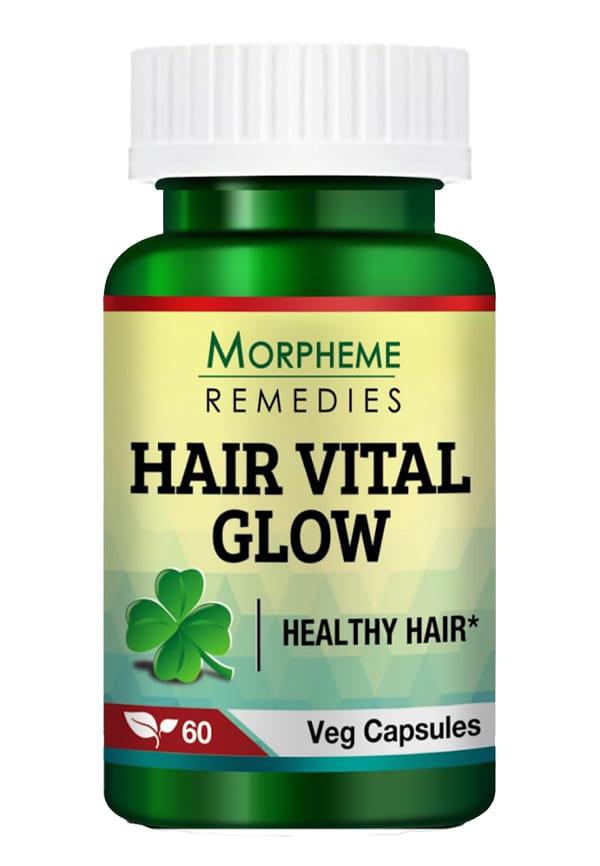 60 Capsules
Hair Vital Glow - For Hair Health
Sometimes, despite your best efforts, hair strength issues persist. If you're experiencing sudden, dramatic hair loss or if your hair continues to weaken despite following good haircare practices, it might be time to consult a professional. Dermatologists can identify underlying medical conditions that might be affecting your hair health, whilst trichologists specialise specifically in hair and scalp disorders. They can perform tests to determine if nutritional deficiencies, hormonal imbalances, or other factors are contributing to your hair concerns. Treatment timelines vary depending on the underlying cause, but most people see improvements within 3-6 months of addressing the root issues.
Focus on a protein-rich diet, gentle handling techniques, regular deep conditioning treatments, scalp massage for improved circulation, and avoiding excessive heat styling. Consistency with these natural methods typically shows results within 2-3 months.
Hair is 90-95% keratin protein, which forms the structural foundation of each strand. This protein gives hair its strength, elasticity, and resilience. When protein levels are adequate and the structure is intact, hair can better withstand daily stressors.
The most effective approaches include protein treatments to rebuild damaged structure, scalp health optimisation through massage and proper cleansing, and addressing nutritional deficiencies through diet or supplements. Professional treatments like keratin therapy can also provide significant improvements.
Hair strength generally begins to decline gradually after age 30 due to decreased protein production and hormonal changes. However, with proper care and nutrition, you can maintain strong, healthy hair well into your later years.
Most people notice initial improvements in hair texture and manageability within 4-6 weeks of consistent care. Significant strength improvements typically become apparent after 2-3 months, as this allows time for new, healthier hair to grow.
Building hair strength is about understanding and addressing the multiple factors affecting hair strength—from nutrition and genetics to daily care habits and environmental exposure. The journey to stronger hair requires patience and consistency, but the results are absolutely worth it. Remember, what works for your friend might not work for you, which is why experimenting with different products and techniques is so valuable. Smytten makes this exploration easier by offering trial-sized products from over 1,500 trusted brands, letting you discover what truly works for your hair without the commitment of full-size purchases. With over 25 million users finding their perfect haircare matches, you're in good company on this journey to stronger, healthier hair. The key is to start with the basics—proper nutrition, gentle handling, and consistent care—then build from there based on your hair's specific needs. Strong hair isn't just about looking good; it's about feeling confident and comfortable in your own skin. After all, why settle for weak, brittle strands when you can have the strong, resilient hair you deserve?
