How to Boost Hair Health with Protein Treatments


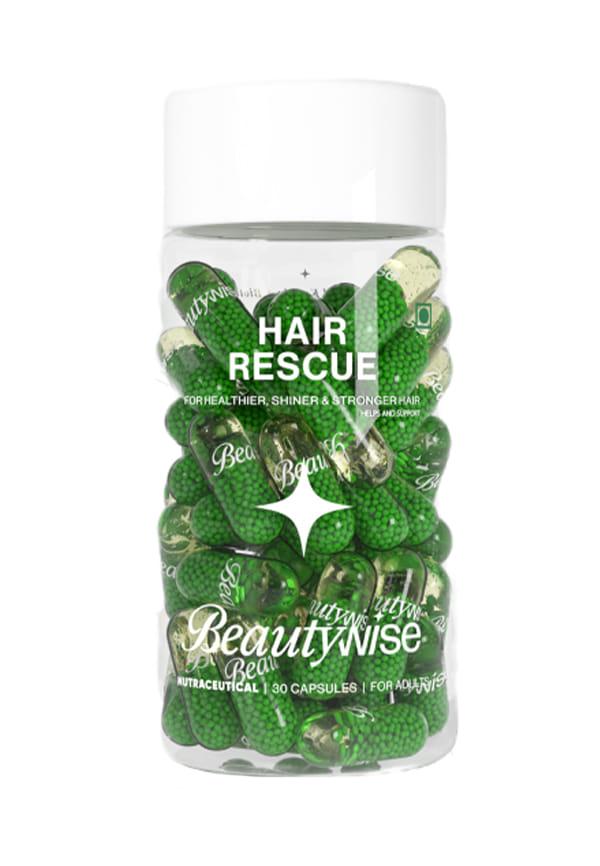 30 capsules
Hair Rescue, Hair Aminos, Vitamins, DHT Blocker for Hairfall Control & Growth
Your hair goes through a lot—heat styling, pollution, chemical treatments, and daily wear that can leave it feeling weak and lifeless. If you've noticed more breakage, dullness, or that gummy texture when wet, your hair might be crying out for protein. The benefits of protein hair treatments go beyond just a quick fix; they're about rebuilding your hair's structure from the inside out. Let's dive into how protein can transform your hair health and why it might just become your new haircare obsession.
Think of protein as your hair's best mate—the one who's always got your back when things get rough. Your hair is made up of about 90% protein, specifically keratin, so when you're dealing with damage, you're essentially dealing with protein loss. Hair protein benefits aren't just marketing fluff; they're backed by real science.
Your hair shaft is like a brick wall, with keratin proteins acting as the bricks and lipids as the mortar. When this structure gets damaged, gaps appear in the hair cuticle, making your strands weak and prone to breakage. Protein for hair works by filling these microscopic gaps, essentially patching up your hair's protective barrier.
The magic happens at the molecular level. Amino acids like cystine and lysine are the building blocks that help reconstruct damaged hair fibres. When you apply a protein treatment, these smaller protein molecules can penetrate the hair shaft and temporarily fill in the damaged areas.
Real talk—protein treatments can be game-changers when used correctly. Here's what they actually do for your hair:
Strengthening and damage repair: Perfect for hair that's been through the wringer with heat styling or chemical treatments
Reduced breakage and improved elasticity: Your hair becomes more flexible and less likely to snap
Enhanced shine and smoothness: Filled cuticles reflect light better, giving you that glossy finish
Increased hair density and thickness: Temporarily plumps up each strand for fuller-looking hair
Protection against environmental stressors: Creates a barrier against pollution and UV damage
Not sure if your hair is screaming for protein? Your strands have their own way of telling you what they need. Learning to read these signs can save you from guessing games and help you target your damaged hair repair efforts more effectively.
Your hair basically becomes a drama queen when it's lacking protein. Here's what to watch for:
Excessive dryness and brittleness: Hair feels straw-like and rough to touch
Gummy texture when wet: Strands feel mushy or stretchy when damp
Easy breakage and snapping: Hair breaks with minimal tension
Loss of elasticity: Try the stretch test—healthy hair should stretch and bounce back
Dull, lifeless appearance: No matter what you do, your hair lacks that natural shine
Different types of damage call for different approaches. Heat styling damage often shows up as split ends and dryness at the mid-lengths and ends. Chemical treatment aftermath might leave your hair feeling weak throughout, whilst environmental damage typically affects the outer layer first.
Age-related protein loss is gradual but noticeable—your hair might start feeling thinner or more fragile over time. Understanding your specific damage pattern helps you choose the right hair protein treatment approach.
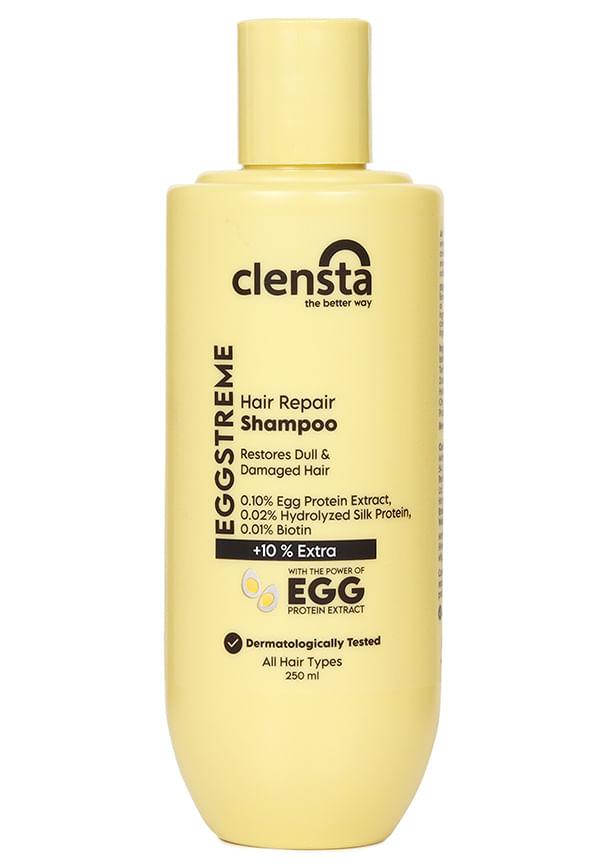 250 ml
Eggstreme Hair Repair Shampoo With Egg Protein, Biotin & Hydrolyzed Silk Protein
The protein treatment world isn't one-size-fits-all. From salon-grade treatments to DIY kitchen concoctions, there's something for every hair type and budget. The key is knowing what works for your specific needs and lifestyle.
Salon treatments are like the premium version of protein therapy. Keratin treatments are probably the most well-known, offering long-lasting smoothness and strength. Hydrolyzed protein therapies use smaller protein molecules that can penetrate deeper into the hair shaft.
Deep conditioning protein masks at salons often combine multiple protein types with heat activation for maximum penetration. Results typically last 6-8 weeks, making them worth the investment for severely damaged hair.
DIY protein hair mask options are brilliant for regular maintenance. Egg masks are classics—the proteins in eggs are similar to hair proteins, making them naturally compatible. Yogurt contains lactic acid that gently exfoliates whilst delivering protein, and gelatin masks can temporarily fill in gaps in damaged cuticles.
Over-the-counter protein treatments offer convenience without the salon price tag. Look for products with hydrolyzed proteins for better penetration. Protein-enriched shampoos and conditioners provide gentle, daily protein support without overwhelming your hair.
Getting protein treatments right is all about technique and timing. Too much protein can actually make your hair brittle, whilst too little won't give you the results you're after. It's about finding that sweet spot for your hair type.
Start with clean, damp hair—protein penetrates better when your hair is slightly wet but not dripping. Apply the treatment from mid-lengths to ends, avoiding the roots unless specifically directed. Use a wide-tooth comb to distribute evenly.
Processing time varies by product, but generally ranges from 5-20 minutes. Don't leave it on longer thinking you'll get better results—protein overload is real and not fun to deal with. Rinse thoroughly with cool water to seal the cuticles.
Most hair types benefit from protein treatments every 4-6 weeks. Fine or damaged hair might need them more frequently, whilst thick, healthy hair can go longer between treatments. Pay attention to how your hair responds and adjust accordingly.
Seasonal considerations matter too—hair often needs more protein support during harsh weather conditions. Summer sun and winter heating can both increase protein loss.
Here's where things get interesting—your hair needs both protein and moisture, but in the right balance. Too much of either can cause problems. Hair strengthening isn't just about loading up on protein; it's about maintaining this delicate equilibrium.
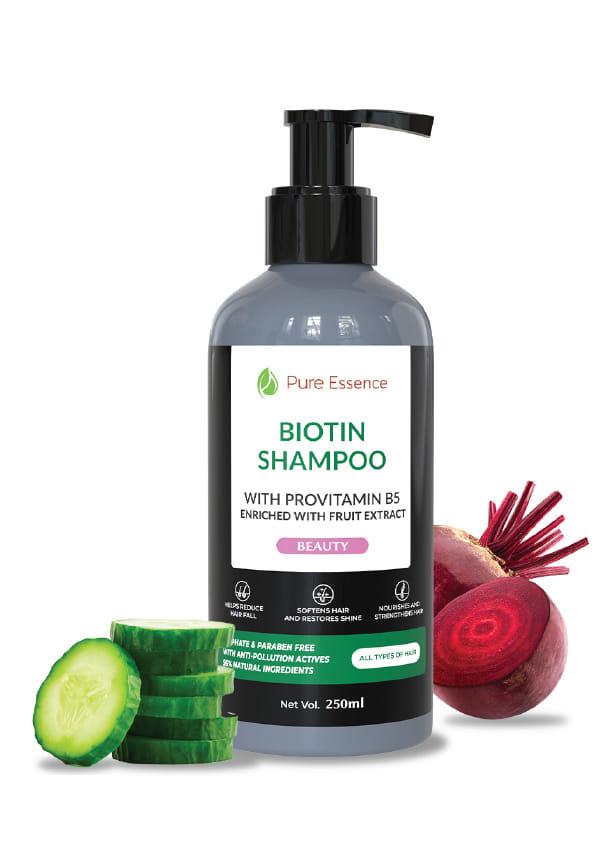 250 ml
Biotin Shampoo | Softens Hair | Nourishes Scalp | Lowers Hairfall
Protein overload makes hair feel stiff, brittle, and prone to breakage. Your hair might look dull and feel rough to touch. On the flip side, moisture overload (yes, that's a thing) makes hair feel mushy, limp, and overly stretchy.
Finding the right balance depends on your hair's porosity, damage level, and natural texture. Low-porosity hair typically needs less frequent protein treatments, whilst high-porosity hair often craves more regular protein support.
If you've overdone it with protein, don't panic. Deep conditioning treatments with moisturising ingredients can help restore balance. Look for treatments with ingredients like shea butter, glycerin, or hyaluronic acid.
The key is alternating protein and moisture treatments based on your hair's current needs. Think of it as a conversation with your hair—listen to what it's telling you and respond accordingly.
Not all proteins are created equal when it comes to hair care. The size of the protein molecule, its source, and how it's processed all affect how well it works for your hair. Understanding these differences helps you choose products that actually deliver results.
Hydrolyzed keratin is the gold standard—it's broken down into smaller molecules that can actually penetrate the hair shaft. Collagen adds strength and elasticity, whilst silk proteins are brilliant for adding smoothness and shine.
Wheat and rice proteins are gentler options, perfect for fine hair that gets easily overwhelmed. They provide strengthening benefits without the heaviness that can weigh down delicate strands.
Amino acids and peptides work alongside proteins to enhance their effectiveness. Natural protein sources like quinoa and oats offer gentle strengthening for sensitive hair types.
Look for complementary moisturising ingredients that prevent protein treatments from becoming too drying. Avoid ingredients like harsh sulphates that can strip away the benefits you've just applied.
External treatments are only part of the story. What you eat and how you live affects your hair's protein levels from the inside out. Building healthy hair is a holistic approach that combines good nutrition with smart haircare choices.
Your hair follicles are some of the most active cells in your body, constantly producing new hair. They need a steady supply of amino acids to function properly. Lean meats, fish, eggs, and legumes are excellent sources of complete proteins.
Essential amino acids like methionine and cysteine are particularly important for hair health. These aren't produced by your body, so you need to get them from food or supplements. Aim for about 0.8 grams of protein per kilogram of body weight daily.
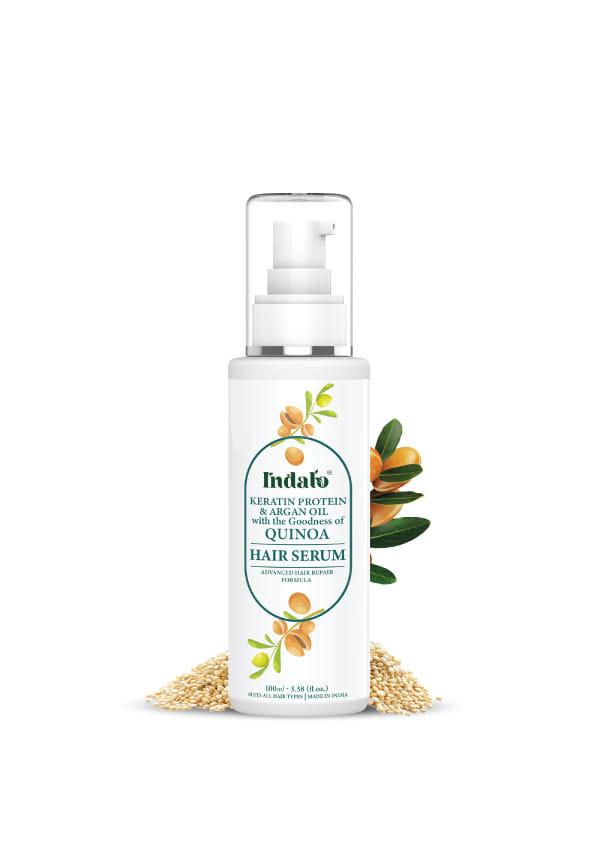 100 ml
Keratin Quinoa Protein Hair Serum for Silky and Soft, Smooth and Shiny Hair, Repair Damaged Hair, Advanced Hair Repair Formula Serum
Heat styling is one of the biggest culprits in protein loss. Try to limit high-heat tools and always use a heat protectant when you do style. Environmental protection strategies like wearing hats in harsh weather can prevent protein degradation.
Sleep and stress levels directly impact hair health. Poor sleep and chronic stress can disrupt the hair growth cycle and affect protein synthesis. Staying hydrated helps maintain the moisture-protein balance your hair needs.
This is where platforms like Smytten become incredibly valuable. With over 1,500 trusted brands offering trial-sized protein treatments, you can experiment with different formulations without committing to full-size products. Getting up to 8 minis for just ₹249 means you can try various hair protein treatments to find what works best for your specific hair needs.
Most hair types benefit from protein treatments every 4-6 weeks. However, severely damaged hair might need weekly treatments initially, whilst healthy hair might only need monthly maintenance. Pay attention to how your hair feels and adjust accordingly.
Absolutely! Colour-treated hair often benefits greatly from protein treatments as chemical processing can damage the hair's protein structure. Just make sure to use colour-safe formulations and follow up with moisturising treatments.
Protein treatments strengthen and repair damaged hair structure, whilst moisture treatments hydrate and soften. Your hair needs both, but the ratio depends on your hair's current condition and porosity level.
Signs of protein overload include stiffness, brittleness, dullness, and increased breakage. If your hair feels rough or crunchy after protein treatments, you need to focus on moisture instead.
DIY treatments can be effective for maintenance, but salon treatments typically use more advanced formulations and techniques. For severe damage, professional treatments often deliver better results.
Yes, protein treatments are excellent for reducing breakage by strengthening the hair shaft and improving hair elasticity. They work by filling in gaps in damaged cuticles, making hair more resilient to daily stresses.
The benefits of protein hair treatments extend far beyond temporary fixes—they're about rebuilding your hair's fundamental structure for long-term health. Whether you're dealing with heat damage, chemical processing aftermath, or just want stronger, more resilient hair, protein treatments can be transformative when used correctly.
Remember, it's all about balance. Your hair needs both protein and moisture to thrive, and finding the right combination for your specific hair type is key. Start slowly, pay attention to how your hair responds, and don't be afraid to adjust your routine as needed.
With Smytten's extensive collection of haircare minis from trusted brands, you can explore different protein treatments without the commitment of full-size purchases. The platform's trial approach means you can discover what works for your hair whilst earning 100% cashback on your trials. After all, why settle for guesswork when you can try it all and find your perfect protein treatment match?
