How to Boost Hair Health with Essential Nutrients

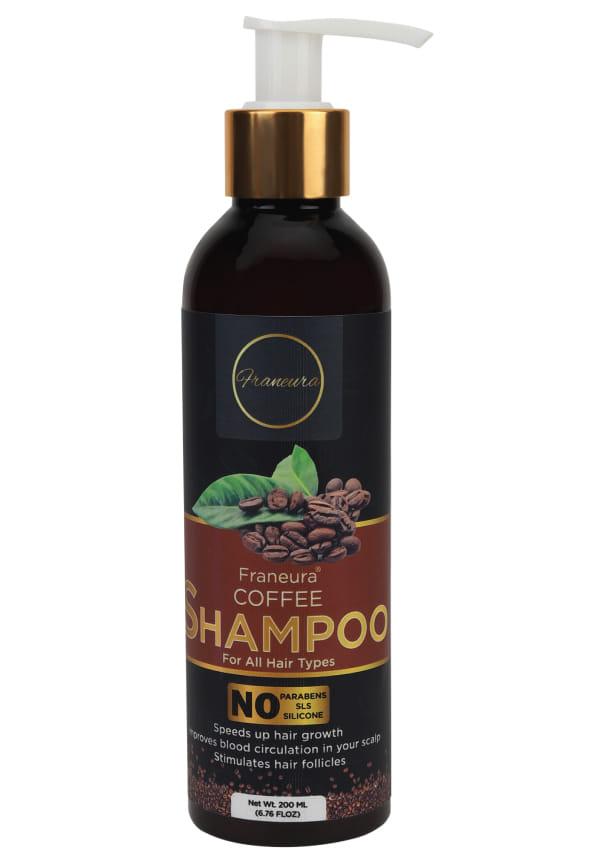 200 ml
Daily Use Natural Coffee Shampoo - Revitalize and Strengthen Hair
Your hair is basically a reflection of what's happening inside your body. Think about it—when you're stressed, tired, or not eating well, your hair is often the first to throw a tantrum. While we're all busy hunting for the perfect shampoo or that miracle hair mask, the real game-changer might just be sitting in your kitchen. Hair nutrition importance goes way beyond what you apply topically. Your follicles are like tiny factories that need the right fuel to produce strong, healthy strands. Let's dive into how the right nutrients can transform your hair from the inside out.
Your hair follows a pretty fascinating cycle—growing, resting, and eventually falling out to make room for new growth. This entire process depends heavily on getting the right nutrients to your hair follicles through your bloodstream. When your body doesn't get what it needs, your hair is often the first casualty because it's not essential for survival. The connection between diet for healthy hair and what you see in the mirror is stronger than you might think. Studies show that nutritional deficiencies can lead to hair thinning, breakage, and even complete hair loss in severe cases. Your hair follicles are among the most active cells in your body, which means they're constantly hungry for nutrients. What's really interesting is that hair health issues often show up months after a nutritional deficiency begins. This is because your hair grows slowly—about half an inch per month—so the effects of poor nutrition take time to become visible. By the time you notice problems, you might have been running low on essential nutrients for quite a while. Research indicates that iron deficiency affects up to 30% of women globally and is one of the leading nutritional causes of hair loss. Similarly, protein deficiency can cause hair to become thin and brittle, while a lack of essential fatty acids can leave your scalp dry and flaky.
Let's get into the nitty-gritty of what your hair actually needs to thrive. Think of these nutrients as your hair's personal support team—each one has a specific job to do.
Your hair is roughly 90% protein, specifically a type called keratin. Without enough protein in your diet, your body simply can't build strong hair strands. You need about 0.8 grams of protein per kilogram of body weight daily, but if you're dealing with hair issues, you might benefit from slightly more. Great protein sources include eggs (which also contain biotin), fish, lean meats, beans, and quinoa. If you're vegetarian or vegan, combining different plant proteins throughout the day ensures you get all the essential amino acids your hair needs.
Iron carries oxygen to your hair follicles, and without enough of it, your follicles basically suffocate. This is why iron deficiency is such a common cause of hair loss, especially in women. You'll find iron in red meat, spinach, lentils, and pumpkin seeds. Hair vitamins from the B-complex family are equally crucial. B12 helps create red blood cells that carry nutrients to your scalp, while biotin supports keratin production. Folate aids in cell division, which is essential for hair growth. These vitamins work together like a well-oiled machine.
These vitamins protect your hair and scalp from damage while supporting healthy growth. Vitamin A helps produce sebum, your scalp's natural moisturiser. Vitamin C aids iron absorption and collagen production. Vitamin D may help create new hair follicles, while vitamin E improves blood circulation to the scalp. You'll find these in colourful fruits and vegetables—think sweet potatoes, berries, citrus fruits, and leafy greens. Just remember that more isn't always better; too much vitamin A can actually cause hair loss.
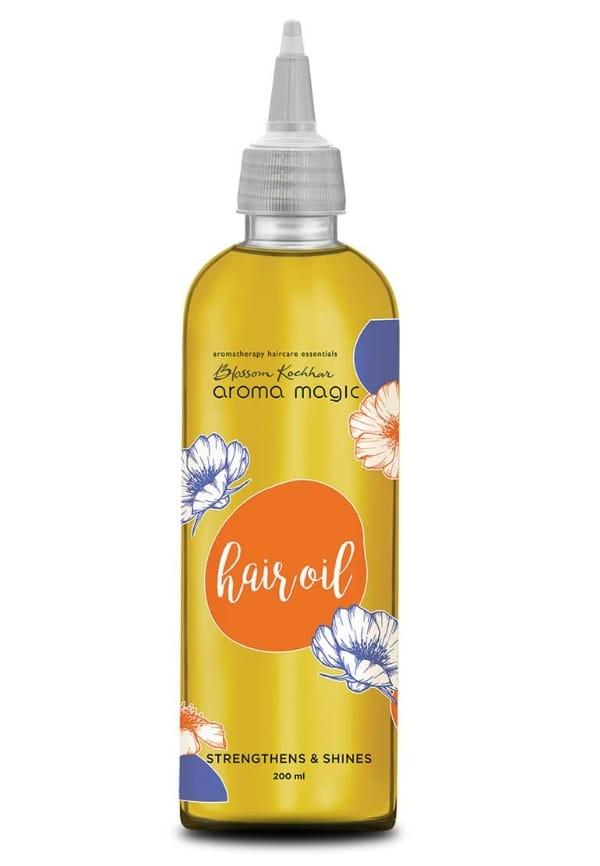 200 ml
Hair Oil- Vitamin Rich
Omega-3s add shine and elasticity to your hair while keeping your scalp healthy. Zinc plays a crucial role in hair tissue growth and repair, plus it helps keep the oil glands around your follicles working properly. Fatty fish like salmon, walnuts, and flaxseeds are omega-3 powerhouses. For zinc, try oysters, nuts, seeds, and whole grains.
Now that you know what nutrients your hair craves, let's talk about the actual foods for hair that deliver these goodies. Building a healthy hair diet doesn't have to be complicated—it's about including a variety of nutrient-dense foods. Eggs are basically hair superfood. They're packed with protein, biotin, and choline, which supports scalp health. Plus, they're versatile enough to fit into any meal. Salmon and other fatty fish provide high-quality protein plus those essential omega-3s. If fish isn't your thing, walnuts and flaxseeds can fill that gap. Spinach and other dark leafy greens are loaded with iron, folate, and vitamins A and C. They're also incredibly easy to sneak into smoothies if you're not a fan of salads. Sweet potatoes are rich in beta-carotene, which your body converts to vitamin A. They're also delicious and filling, making them perfect for supporting your hair goals. Berries, especially blueberries and strawberries, are antioxidant powerhouses that protect your hair from damage while providing vitamin C for better iron absorption. Avocados bring healthy fats and vitamin E to the table, plus they make everything taste better. Nuts and seeds provide zinc, selenium, and more healthy fats. Lentils and other legumes are fantastic sources of protein, iron, and folate—especially important if you're following a plant-based diet.
Building a diet for healthy hair is about consistency rather than perfection. Your hair follicles need a steady supply of nutrients, so sporadic healthy eating won't cut it.
Aim for a balanced plate at each meal: about a quarter protein, a quarter complex carbs, and half vegetables and fruits. This ensures you're getting a good mix of hair growth nutrients throughout the day. Timing matters too. Spread your protein intake across all meals rather than loading up at dinner. Your body can only process so much protein at once, and your hair follicles benefit from a steady supply. Don't forget about hydration—your scalp needs moisture from the inside out. Aim for at least 8 glasses of water daily, more if you're active or live in a dry climate.
Breakfast could be scrambled eggs with spinach and avocado, or a smoothie with berries, spinach, and protein powder. Lunch might feature a quinoa salad with chickpeas and pumpkin seeds, while dinner could be salmon with sweet potato and broccoli. For snacks, try a handful of walnuts, Greek yoghurt with berries, or hummus with carrot sticks. The key is variety—different foods provide different nutrients, so mixing things up ensures you're covering all your bases.
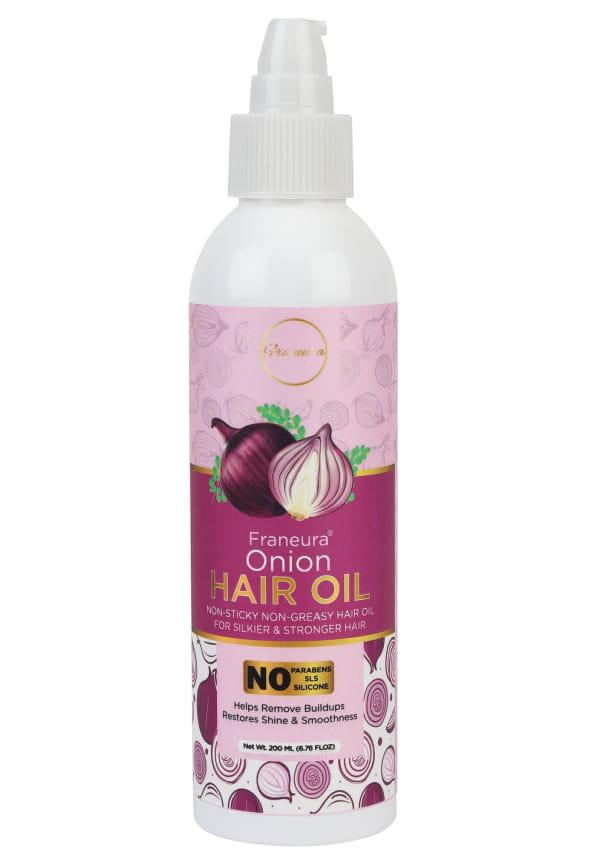 200 ml
Natural Onion Oil for Stronger, Healthier Hair
Sometimes, despite your best efforts with food, you might need a little extra help. This is where understanding hair supplement benefits becomes important.
If you're experiencing unusual hair loss, extreme thinness, or slow growth despite eating well, it might be time to consider supplements. Other signs include brittle nails, fatigue, or pale skin—all potential indicators of nutritional deficiencies. Blood tests can reveal deficiencies in iron, B12, vitamin D, and other nutrients crucial for hair health. It's worth having these checked, especially if you have dietary restrictions or absorption issues.
Look for supplements that contain a comprehensive blend of hair vitamins rather than mega-doses of single nutrients. Good options include biotin, iron (if you're deficient), vitamin D, and omega-3s. Avoid supplements with unrealistic claims or extremely high doses. More isn't always better, and some vitamins can be harmful in excess. Always check with a healthcare provider before starting new supplements, especially if you take medications.
Different hair issues often point to specific nutritional gaps. Understanding these connections can help you target your efforts more effectively.
If hair fall is your main concern, focus on iron, protein, and B vitamins. These nutrients for hair strength directly impact your hair's ability to stay anchored in your scalp. Incorporate iron-rich foods with vitamin C sources to boost absorption. For example, add lemon to your spinach salad or have berries with your iron-fortified cereal. Stress management also plays a role here—chronic stress depletes certain nutrients faster and can trigger hair loss. Regular exercise, adequate sleep, and stress-reduction techniques support your nutritional efforts.
Fine hair might benefit from extra protein and volume-supporting nutrients like biotin. Thick, coarse hair often needs more moisture-supporting nutrients like omega-3s and vitamin E. As you age, your nutritional needs change too. Older adults often need more protein and may have trouble absorbing certain vitamins, making supplements more necessary. Hormonal changes during pregnancy, menopause, or due to conditions like PCOS can affect how your body uses nutrients. Working with a healthcare provider can help you adjust your approach accordingly. While focusing on nutrition is crucial for hair health, finding the right external products can also make a significant difference. Smytten offers curated trial packs from over 1,500 trusted brands, letting you explore different haircare products before committing to full-size purchases. With options covering everything from nourishing shampoos to strengthening treatments, you can discover what works best for your hair type while supporting your nutritional efforts from the outside.
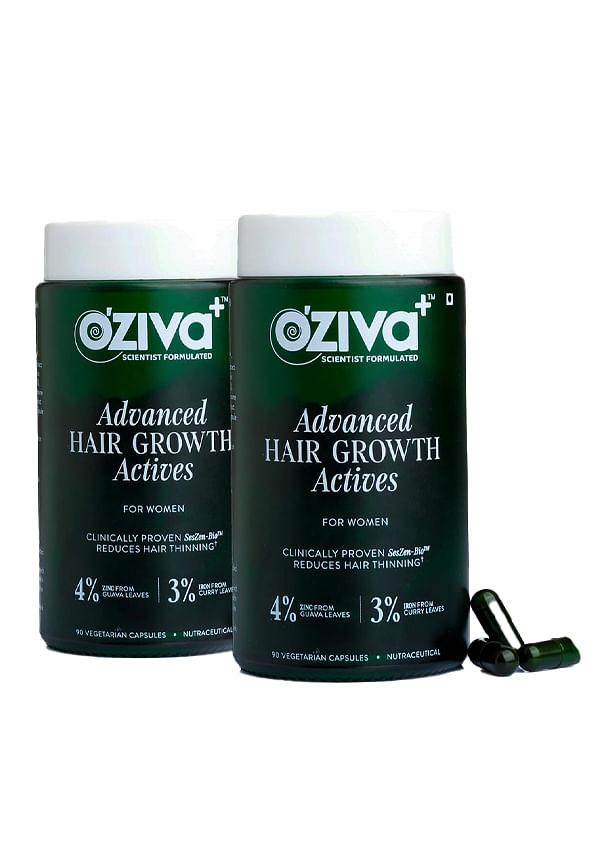 90 N
90 NAdvanced Hair Growth Actives | Anti-Thinning Hair Formula for Women
The most important nutrients for hair include protein (for structure), iron (for oxygen transport), B vitamins (especially biotin and B12), vitamins A, C, D, and E (for protection and growth), omega-3 fatty acids (for shine and scalp health), and zinc (for tissue repair). A balanced diet with these nutrients supports optimal hair health.
Yes, B12 deficiency can definitely cause hair loss. B12 is essential for creating healthy red blood cells that carry nutrients and oxygen to your hair follicles. Without enough B12, your follicles become weakened and may stop producing hair or produce weak, brittle strands that break easily.
You'll typically start seeing improvements in new hair growth after 3-6 months of consistent good nutrition. This is because hair grows slowly—about half an inch per month—and it takes time for nutritional changes to show up in your hair. Existing hair may feel stronger and look shinier within a few weeks.
Excessive sugar, processed foods, and alcohol can interfere with nutrient absorption and contribute to inflammation that affects hair growth. Very low-calorie diets, too much vitamin A, and excessive caffeine can also negatively impact hair health. Moderation is key.
Nutrition can significantly improve hair health and may help with hair loss caused by nutritional deficiencies. However, genetic hair loss (male or female pattern baldness) typically requires additional treatments. Good nutrition provides the foundation for healthy hair, but it's not a cure-all for every type of hair loss.
The importance of hair nutrition goes far beyond what you might expect. Your hair is essentially a reflection of your overall health, and giving it the right nutrients from the inside out can make a dramatic difference in how it looks and feels. Remember, consistency is more important than perfection. You don't need to overhaul your entire diet overnight—small, sustainable changes like adding more protein to breakfast or including a handful of nuts as a snack can add up to significant improvements over time. The beauty of focusing on hair nutrition importance is that you're not just improving your hair—you're supporting your overall health too. The same nutrients that make your hair strong and shiny also boost your energy, improve your skin, and support your immune system. With platforms like Smytten, you can complement your nutritional efforts by discovering the right external haircare products through trial packs. This approach—nourishing from within while caring for your hair externally—gives you the best chance of achieving the healthy, strong hair you're after. After all, why settle for 'maybe' when you can try it all and find what truly works for your unique hair needs?
