How to Achieve Smooth Frizzy Hair: Top Tips & Remedies

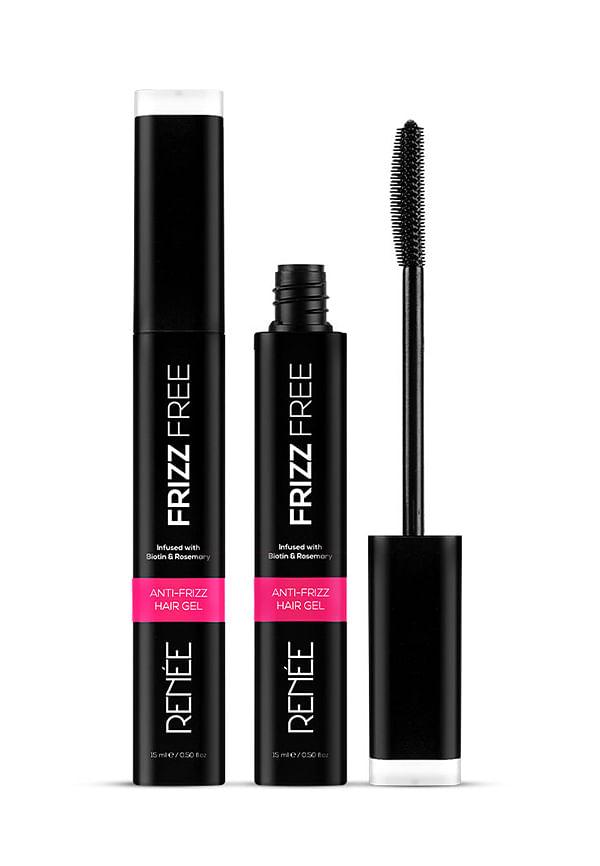 15 ml
15 mlFrizz Free Anti Frizz Hair Gel
You know that moment when you catch your reflection and your hair looks like you've been wrestling with a hairdryer? We've all been there. One minute your hair feels smooth and manageable, the next it's doing its own thing despite your best efforts. The thing is, frizzy hair isn't just about bad luck or humidity (though both definitely play their part). Understanding what's actually happening to your hair—and more importantly, how to work with it—can completely change your hair game.
Let's get real about hair frizz control—it all comes down to your hair's structure. Think of each strand like a tiny rope made of overlapping scales called cuticles. When these scales lie flat, your hair looks smooth and reflects light beautifully. But when they lift up? That's when frizz happens.
Several things can cause those cuticles to misbehave. Humidity is the obvious culprit—moisture in the air makes your hair swell unevenly. But damage from heat styling, chemical treatments, or even aggressive brushing can permanently roughen those cuticles. Your genetics also play a role; some people naturally have more porous hair that's prone to frizz.
There are different types of frizz too. Surface frizz creates that fluffy halo effect around your head. Halo frizz shows up as shorter, broken pieces sticking up around your hairline. Then there's all-over frizz, where your entire mane seems to have a mind of its own. Knowing which type you're dealing with helps you choose the right approach to smooth frizzy hair effectively.
The foundation of smooth hair starts in the shower, but it actually begins before you even turn on the water. Your routine needs to address hair hydration from every angle—pre-wash treatments, gentle cleansing, and strategic conditioning.
Oil treatments aren't just trendy—they're genuinely effective for managing frizzy hair. Coconut oil, argan oil, or even a good hair mask applied 30 minutes before washing can fill in gaps in damaged cuticles. This creates a smoother surface and helps prevent your hair from absorbing too much water during washing, which can lead to swelling and frizz.
Your shampoo choice matters more than you might think. Sulfate-free formulations are gentler on already-fragile cuticles. They clean without stripping away natural oils that help keep frizz at bay. Water temperature is crucial too—lukewarm water opens the cuticles just enough for cleaning without causing excessive swelling.
When you're washing, focus the shampoo on your scalp rather than the lengths of your hair. The suds will naturally clean the rest as you rinse. This prevents unnecessary roughing up of the cuticles along your hair shaft.
Conditioner is your best friend for hair hydration, but technique matters. Apply it from mid-length to ends, avoiding the roots to prevent greasiness. Leave it on for at least 2-3 minutes—this gives the conditioning agents time to penetrate and smooth the cuticles.
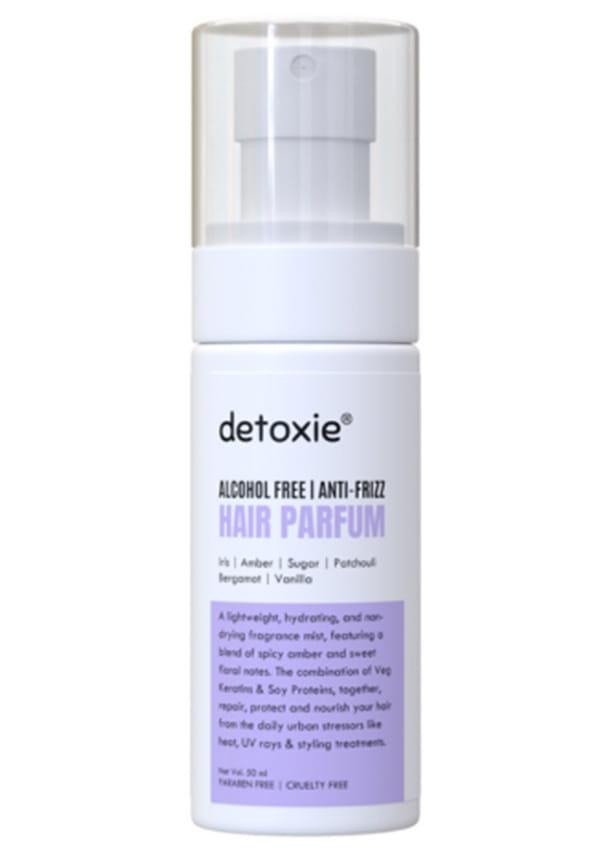 50 ml
50 mlAlcohol Free Anti-Frizz Hair Parfum
Leave-in conditioners add an extra layer of protection and moisture. They're particularly helpful if you have very dry or damaged hair that needs ongoing support throughout the day.
Sometimes your regular routine needs backup. This is where targeted anti frizz products and professional hair smoothing treatments come into play.
Keratin treatments and Brazilian blowouts are popular hair smoothing treatment options that can last 3-6 months. They work by coating the hair shaft with proteins that fill in gaps and create a smoother surface. The results can be dramatic, but they're also an investment—expect to spend ₹8,000-₹15,000 depending on your hair length and the salon.
These treatments aren't permanent solutions, but they can give you a break from daily frizz management. Just remember that they often contain formaldehyde or similar chemicals, so make sure you're comfortable with that before booking.
A good frizz serum is worth its weight in gold. Look for ones with silicones like dimethicone or cyclomethicone—these create a protective barrier that locks out humidity while sealing in moisture. Apply to damp hair before styling for best results.
Heat protectants are non-negotiable if you use styling tools. They create a barrier between your hair and high temperatures, preventing further cuticle damage. Styling creams can provide hold while smoothing, especially if you prefer air-drying.
The key is layering products correctly: leave-in conditioner first, then serum or styling cream, and heat protectant last if you're using hot tools.
Not everything that works for frizzy hair remedies comes from a bottle. Some of the most effective treatments are probably sitting in your kitchen right now.
Apple cider vinegar rinses help balance your hair's pH, which can smooth the cuticles naturally. Mix one part vinegar with three parts water and pour it through your hair after shampooing. The smell disappears once your hair dries, but the smoothing effects last.
Aloe vera gel is incredibly hydrating and has natural film-forming properties that can help tame frizzy hair. Mix it with a few drops of your favourite oil for a DIY smoothing mask. Honey is another natural humectant—it draws moisture from the air and locks it into your hair.
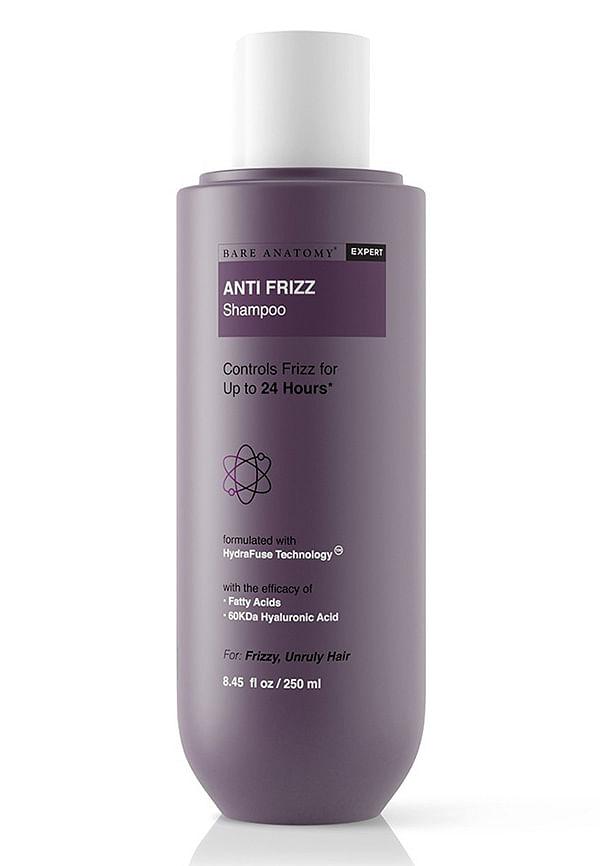 250 ml
Expert Anti-Frizz Shampoo Tames Frizz For Up To 24 Hours
These natural options work best as weekly treatments rather than daily solutions. They're gentler than commercial products and often more budget-friendly too.
Sometimes you need smooth hair tips that work in minutes, not hours. Emergency frizz situations call for strategic thinking.
Keep a small spray bottle with water and a tiny amount of leave-in conditioner or serum. A light mist can reactivate your styling products and smooth down surface frizz without making your hair look wet.
The silk scarf trick is surprisingly effective—gently smooth a silk scarf over your hair to redistribute natural oils and flatten flyaways. It's much gentler than brushing, which can create more frizz.
If you're blow-drying, use a round brush and work in sections. Pull the brush through your hair while following with the dryer, keeping the airflow moving downward along the hair shaft. This encourages the cuticles to lie flat.
Always finish with the cool shot button—this helps seal the cuticles in their smooth position. It's like setting your hairstyle in place.
Real change happens when you address frizz from the inside out. Your hair reflects your overall health, so what you eat and how you live affects how manageable it is.
Vitamin E deficiency can contribute to dry, frizzy hair. This vitamin helps protect your hair from oxidative stress and supports healthy oil production. You'll find it in nuts, seeds, and leafy greens.
Omega-3 fatty acids from fish, walnuts, or flax seeds help maintain hair moisture from within. Biotin supports overall hair health, though deficiencies are relatively rare if you eat a balanced diet.
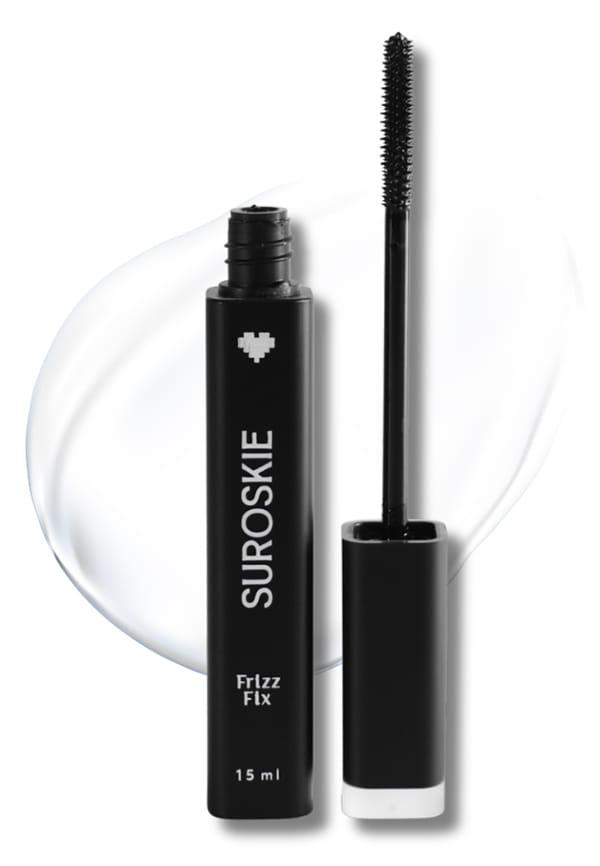 15 ML
15 MLAnti Frizz Hair Stick
Don't underestimate hydration either—drinking enough water helps maintain your hair's moisture balance.
Silk or satin pillowcases reduce friction while you sleep, preventing morning frizz. If you live in a humid climate, consider using a dehumidifier in your bedroom.
UV protection isn't just for your skin—prolonged sun exposure can damage hair cuticles and increase frizz. Look for hair products with SPF or wear a hat when you're spending time outdoors.
Start with a gentle, sulfate-free shampoo and always use conditioner. Apply a leave-in treatment to damp hair, followed by a frizz serum. When drying, use a microfiber towel or cotton t-shirt instead of a regular towel, and if blow-drying, use a round brush and finish with cool air to seal the cuticles.
Vitamin E deficiency is most commonly linked to frizzy, dry hair. This vitamin helps protect hair from damage and supports healthy sebum production. Low levels of biotin, iron, or omega-3 fatty acids can also contribute to hair texture problems, though true deficiencies are less common.
While there's no truly permanent solution, professional keratin treatments or chemical relaxers can provide long-lasting smoothness for 3-6 months. For ongoing management, consistent use of moisturising products, protective styling, and addressing any underlying health issues offers the best long-term results.
Gently squeeze out excess water with a microfiber towel or cotton t-shirt—never rub vigorously. Apply your styling products to damp hair, then either air-dry or use a diffuser on low heat. If blow-drying, use a heat protectant and work in sections with a round brush, always directing airflow downward.
Achieving smooth frizzy hair isn't about fighting your natural texture—it's about working with it intelligently. The combination of proper hydration, gentle handling, and the right products can transform even the most stubborn frizz into manageable, healthy-looking hair.
Remember that consistency matters more than perfection. Small changes in your routine, like switching to a silk pillowcase or using lukewarm water, can add up to significant improvements over time. Your hair's needs might change with the seasons, your health, or even your stress levels, so stay flexible and adjust your approach accordingly.
If you're exploring new products for your frizz-fighting arsenal, Smytten's curated selection includes trusted haircare brands that specialise in smoothing and hydration. Not sure which serum or treatment might work for your specific hair type? Many of these products are available in trial sizes, letting you test what works before committing to full bottles—a smart way to build your perfect routine without the guesswork.
