How to Achieve Healthy Scalp for Better Hair Growth

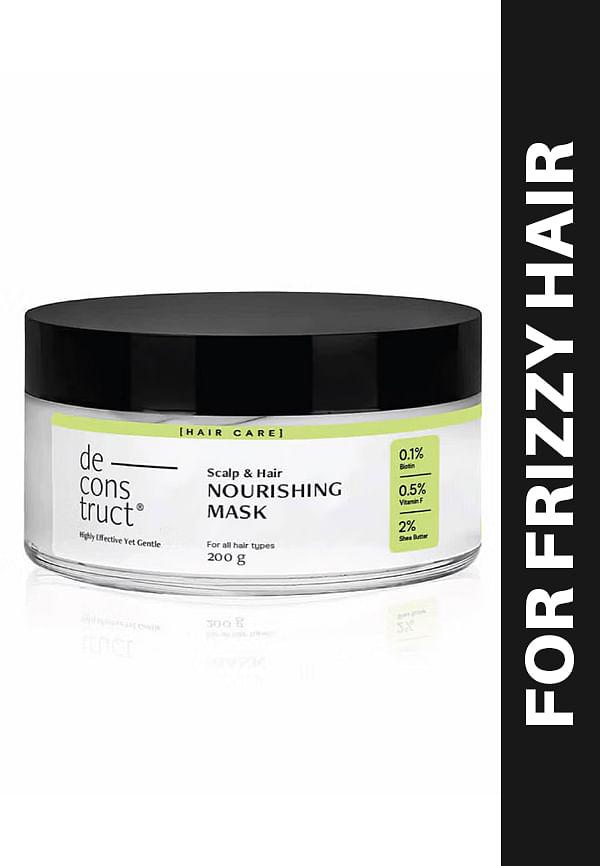 200 gm
Scalp & Hair Nourishing Mask 0.1% Biotin + 0.5% Vitamin F + 2% Shea Butter
Your hair's best days start with what's happening underneath—your scalp. Think of your scalp as the soil where your hair grows, and just like plants need healthy soil to thrive, your hair needs a healthy scalp for optimal growth. Yet most of us focus on the strands while ignoring the foundation. Real talk: if your scalp isn't happy, your hair won't be either. From understanding the science behind scalp health for hair growth to discovering practical solutions for common issues, let's dive into everything you need to know about creating the perfect environment for stronger, healthier hair.
Your scalp is basically a complex ecosystem where millions of hair follicles work around the clock to produce new strands. When this ecosystem is balanced, your hair follicle health thrives, leading to stronger, faster-growing hair.
Here's what's actually happening up there: your hair follicles are tiny factories that need proper blood circulation, balanced oil production, and a clean environment to function optimally. When your scalp health for hair is compromised—whether through clogged follicles, poor circulation, or inflammation—it directly impacts your hair growth cycles. Studies show that healthy scalps can increase hair growth rate by up to 30% compared to neglected ones.
The sebaceous glands around each follicle produce natural oils that protect both your scalp and hair shaft. When these glands are overactive or underactive, it creates an imbalance that can slow hair growth or even cause hair loss. Plus, proper scalp circulation ensures that nutrients from your bloodstream reach the hair roots, feeding them the vitamins and minerals they need to produce strong, healthy strands.
Your scalp has its own way of telling you when something's off. Learning to read these signals can help you address scalp conditions before they impact your hair growth.
The most obvious signs include persistent itching, flaking, or unusual oiliness. But there are subtler indicators too—like hair that feels thinner than usual, increased hair fall during washing, or a tight, uncomfortable feeling across your scalp. If you're dealing with an itchy scalp that won't quit, it might be signalling anything from product buildup to an underlying skin condition.
Dry scalp often presents as white, fine flakes that fall easily, while dandruff typically shows up as larger, yellowish flakes that stick to your hair. Knowing the difference is crucial because dry scalp solutions differ significantly from dandruff control methods. An oily scalp might leave your hair looking greasy within a day of washing, while also potentially clogging follicles and slowing hair growth.
Red flags that need professional attention include persistent redness, painful bumps, sudden hair loss patches, or any scalp condition that doesn't improve with gentle care within a few weeks. These could indicate more serious scalp conditions that require targeted treatment.
Building a solid scalp care routine doesn't have to be complicated, but it does need to be consistent. Think of it as skincare for your scalp—because that's essentially what it is.
Start your morning by gently massaging your scalp with your fingertips for about 30 seconds. This simple step boosts circulation and helps distribute natural oils. If you're someone who exercises regularly, a light rinse with water can help remove sweat without over-cleansing.
The "how often should I wash my hair" debate finally has an answer: it depends entirely on your scalp type. Oily scalps might need daily cleansing, while dry scalps often do better with washing every 2-3 days.
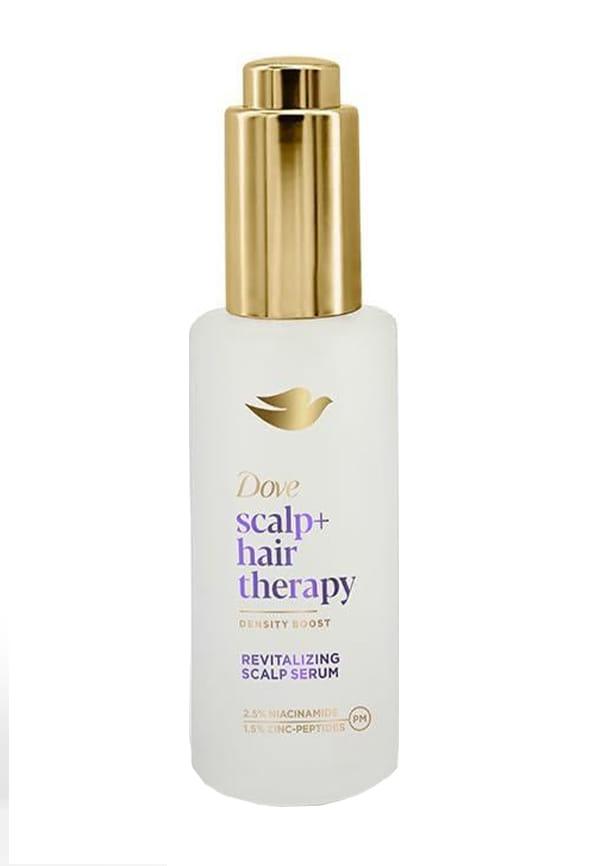 50 ml
50 mlDove Scalp+Hair Therapy Density Boost Revitalizing Scalp Serum
Before bed, spend a few minutes doing a gentle scalp massage. This isn't just relaxing—it's actively promoting better hair growth by increasing blood flow to your follicles. Use the pads of your fingers, not your nails, and work in small circles from your hairline to the crown.
Once a week, treat your scalp to something special. This could be a clarifying shampoo to remove buildup, a nourishing scalp treatment, or even a DIY oil massage. The key is consistency rather than intensity.
Sometimes the best solutions are the simplest ones. Natural approaches to scalp care can be incredibly effective, especially when combined with the right products.
Scalp massage benefits go beyond just feeling good—they're scientifically proven to increase hair thickness and growth rate. A daily 4-minute scalp massage can increase hair thickness by up to 24% over 24 weeks, according to research. The technique matters: use medium pressure and circular motions, covering your entire scalp systematically.
Your kitchen probably contains several scalp-friendly ingredients. Aloe vera gel can soothe irritated scalps, while tea tree oil (properly diluted) has antifungal properties that help with dandruff control.
What you eat directly impacts your scalp health. Omega-3 fatty acids, found in fish and walnuts, help maintain scalp moisture. Zinc deficiency can lead to hair loss, so include pumpkin seeds and chickpeas in your diet. And yes, staying hydrated actually affects your scalp's ability to produce healthy oils.
Different scalp issues need different approaches. Here's how to tackle the most common problems effectively.
The good news is that most scalp conditions are manageable with the right approach and patience. Whether you're dealing with dandruff, dryness, or sensitivity, there are proven strategies that work.
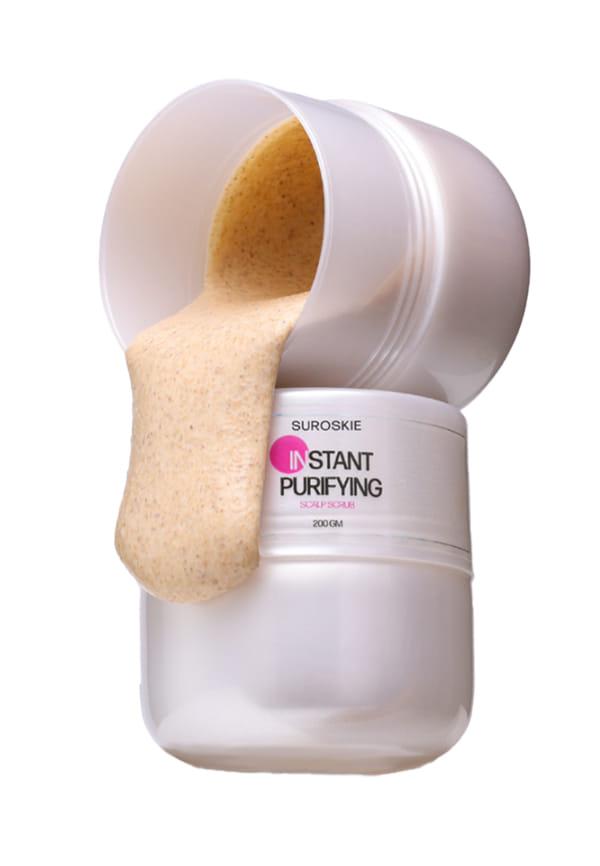 250 ml
Instant Purifying Scalp Scrub
Dandruff control starts with understanding that it's often caused by an overgrowth of a naturally occurring yeast called Malassezia. Look for shampoos containing zinc pyrithione, ketoconazole, or selenium sulphide. Use these treatments 2-3 times per week initially, then reduce frequency as symptoms improve.
Dry scalp solutions focus on gentle moisture restoration. Avoid over-washing, which strips natural oils, and consider using a humidifier in dry environments. Natural oils like jojoba or argan can help, but use them sparingly to avoid clogging follicles.
An oily scalp needs balance, not aggressive stripping. Use a gentle, sulphate-free shampoo daily if needed, and avoid heavy conditioning products near the roots. Clay-based treatments once a week can help absorb excess oil without over-drying.
Sensitive scalps require extra gentleness. Look for fragrance-free, hypoallergenic products, and introduce new items one at a time to identify potential irritants. Sometimes, simplifying your routine is the best scalp treatment.
Knowing when to DIY and when to seek professional help can save you time, money, and potentially your hair. Both approaches have their place in a comprehensive scalp care strategy.
Professional scalp analysis can reveal issues you might miss, like early signs of androgenetic alopecia or fungal infections that need prescription treatment. Dermatologists and trichologists use specialised tools to examine your scalp and hair follicles in detail, providing insights that guide more effective treatment plans.
Salon treatments like scalp facials, deep-cleansing treatments, and professional-grade exfoliation can provide immediate relief for stubborn issues. However, these treatments work best when combined with consistent at-home care. Think of professional treatments as the intensive boost, while your daily routine maintains the results.
For those exploring new scalp care products, platforms like Smytten make it easier to try different formulations without committing to full sizes. With trial packs from trusted haircare brands, you can discover what works for your specific scalp needs before investing in larger products. This approach is particularly valuable for scalp care, where finding the right product match is crucial for long-term success.
Beyond basic scalp care, there are specific strategies that can accelerate your hair growth journey. These hair growth tips focus on creating optimal conditions for your follicles to thrive.
Consistency trumps intensity every time. A gentle daily routine will always outperform sporadic intensive treatments. Protect your scalp from UV damage with hats or UV-protective hair products, especially if you spend significant time outdoors. Heat styling tools can damage both hair and scalp, so use them sparingly and always with heat protection.
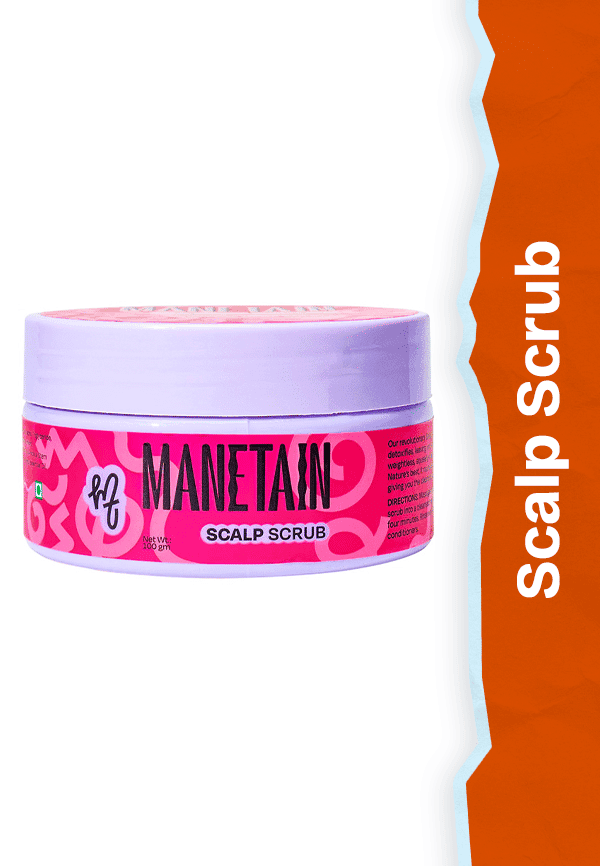 100Ml
100MlScalp Scrub with Himalayan Sea Salt & Cactus Extract
Sleep on silk or satin pillowcases to reduce friction that can irritate your scalp and cause hair breakage. Regular exercise improves circulation throughout your body, including your scalp, but always rinse away sweat promptly to prevent buildup that could clog follicles.
Most people notice initial improvements in scalp comfort within 2-4 weeks of starting a consistent routine. However, since hair grows approximately 1.25 cm per month, visible improvements in hair thickness and growth typically become apparent after 8-12 weeks of dedicated scalp care.
Yes, regular scalp massage can help with certain types of hair loss by improving blood circulation to hair follicles. While it won't cure genetic hair loss, studies show that daily scalp massage can increase hair thickness and may slow the progression of androgenetic alopecia when combined with other treatments.
Dry scalp produces small, white flakes that fall easily and is often accompanied by tightness or itching. Dandruff creates larger, yellowish, oily flakes that stick to hair and scalp, often caused by an overgrowth of yeast. The treatments for each condition are different, so proper identification is important.
Washing frequency depends on your scalp type and lifestyle. Oily scalps may need daily washing, normal scalps typically do well with every other day, and dry scalps often benefit from washing 2-3 times per week. Pay attention to how your scalp feels rather than following rigid schedules.
Professional treatments can be valuable for specific conditions or as periodic intensive care, but consistent daily care with quality products often provides better long-term results. The key is finding products that work for your specific scalp needs, which might require some experimentation.
Absolutely. Your scalp, like any other part of your skin, reflects your overall nutritional status. Deficiencies in iron, zinc, omega-3 fatty acids, and B vitamins can all impact scalp health and hair growth. A balanced diet supports healthy hair follicle function from the inside out.
Achieving a healthy scalp isn't about finding one miracle product—it's about understanding your scalp's unique needs and responding with consistent, gentle care. Whether you're dealing with specific scalp conditions or simply want to optimise your hair growth potential, the foundation remains the same: treat your scalp with the same attention you'd give your facial skin.
Remember, scalp health for hair growth is a marathon, not a sprint. Small, consistent changes in your routine will yield better results than sporadic intensive treatments. Start with the basics—gentle cleansing, regular massage, and protection from damage—then build from there based on your scalp's response.
The beauty of modern haircare is that you don't have to guess what works for your scalp. With platforms like Smytten offering trial sizes from over 1,500 trusted brands, you can explore different scalp treatments and find your perfect match without the commitment of full-size purchases. After all, why settle for 'maybe' when you can discover what truly works for your unique scalp needs?
