How to Achieve Gentle Scalp Care: Tips for a Healthy Scalp
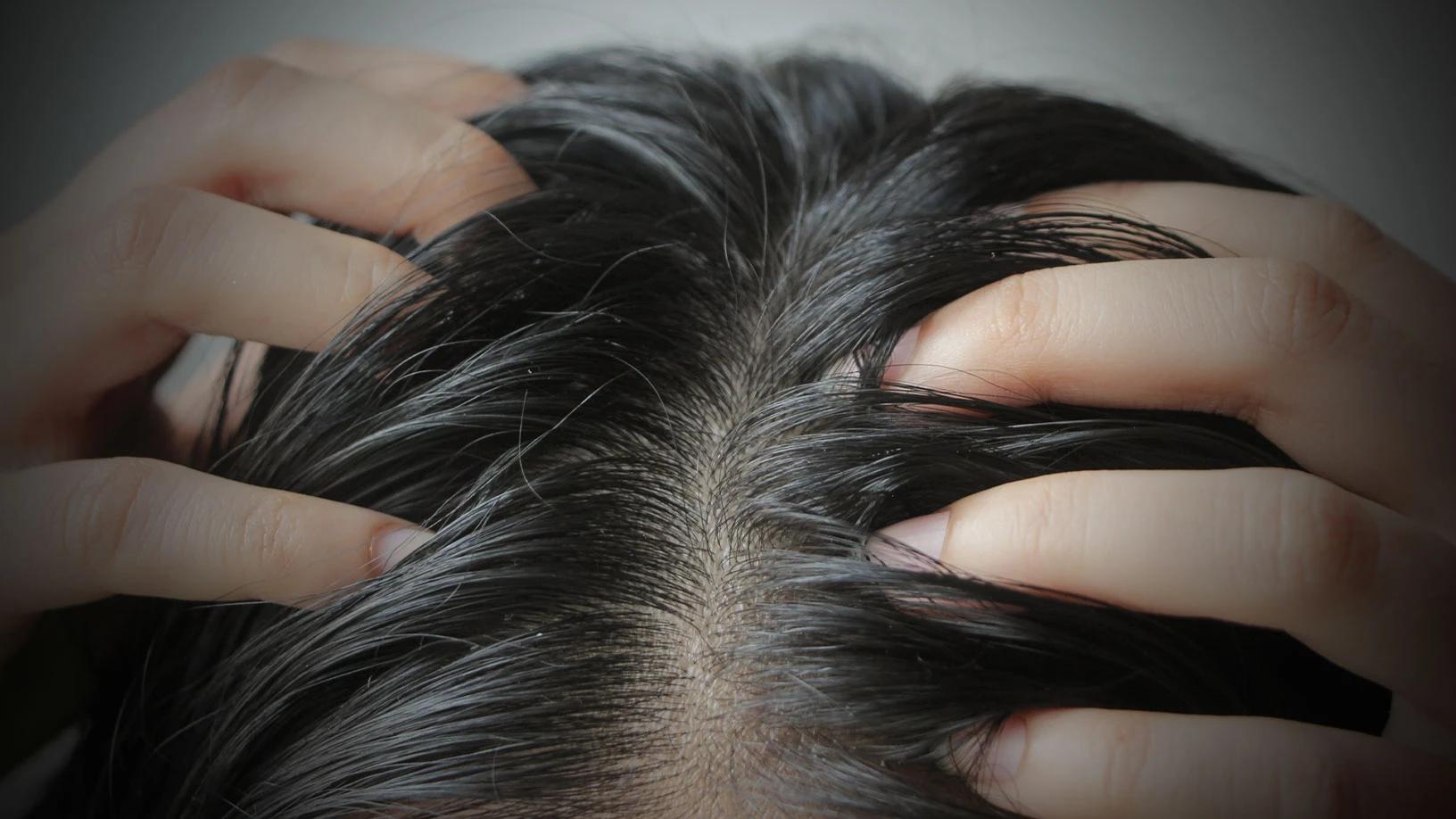

Briganantadi Hair Fall control and Healthy Scalp Hair Oil 10 Herbs
You know that moment when your scalp feels like it's staging a rebellion? The itching, the tightness, maybe some flakes making an unwelcome appearance on your favourite black top. Your scalp is basically sending you an SOS, and honestly, it's time to listen. A healthy scalp isn't just about avoiding embarrassing moments—it's the foundation for hair that actually behaves. Let's dive into gentle scalp care tips that'll have your scalp (and your hair) thanking you.
Real talk: your scalp is skin, and just like the skin on your face, it has its own personality and needs. Some scalps are drama queens—sensitive to everything from the weather to that new shampoo you tried. Others are more chill but still need proper care to stay healthy.
Signs your scalp needs some TLC? Think persistent itching that has you scratching like you've got fleas, flaking that looks like you've been caught in a snowstorm, redness, or that tight feeling after washing. Maybe your hair feels limp, or you're noticing more strands in the shower drain than usual. These aren't just minor annoyances—they're your scalp's way of telling you something's off.
Different scalps have different vibes. Sensitive scalps react to pretty much everything—fragrance, sulfates, even the wrong water temperature. Dry scalps feel tight and might flake (but it's not dandruff, which is actually caused by too much oil and yeast). Oily scalps get greasy fast and might deal with actual dandruff. Then there are combination scalps that are oily at the roots but dry at the ends, because why make things simple?
Here's something worth knowing: scalp health directly impacts hair growth and quality. When your scalp is inflamed or irritated, it can actually slow down hair growth and make your hair look dull. Hormones like DHT can also cause scalp inflammation, which is why some people notice hair thinning along with scalp issues. Taking care of your scalp isn't vanity—it's smart haircare.
Building a scalp care routine doesn't have to be complicated, but it does need to be consistent. Think of it like skincare for your head—gentle, thoughtful, and tailored to what your scalp actually needs.
First things first: ditch the harsh shampoos. Sulfates might make your shampoo foam up like a bubble bath, but they're stripping your scalp of natural oils faster than you can say "squeaky clean." Look for sulfate-free, fragrance-free formulas instead. Your scalp will thank you for the gentler approach.
Water temperature matters more than you think. Hot water feels amazing, especially after a long day, but it's basically dehydrating your scalp. Lukewarm water is your friend—it cleanses without being harsh. When you're applying shampoo, focus on your scalp, not your hair lengths. Use your fingertips (not nails) to gently massage the product in. Think spa massage, not aggressive scrubbing.
Once a week, give your scalp some extra love. Gentle exfoliation can help remove buildup and dead skin cells, but emphasis on gentle. You can use a soft-bristled brush or even just your fingertips in circular motions. Follow up with a deep conditioning treatment that includes your scalp—not just your hair ends.
Natural oil treatments work wonders for different scalp types. Jojoba oil is brilliant for sensitive scalps because it's technically a wax that mimics your natural sebum. Argan oil is lightweight and won't clog pores. Apply about 30 minutes before washing, focusing on the scalp rather than hair lengths.
Sometimes the best solutions are sitting right in your kitchen. Natural scalp care doesn't mean you need to become a DIY chemist, but a few simple ingredients can work wonders for scalp health.
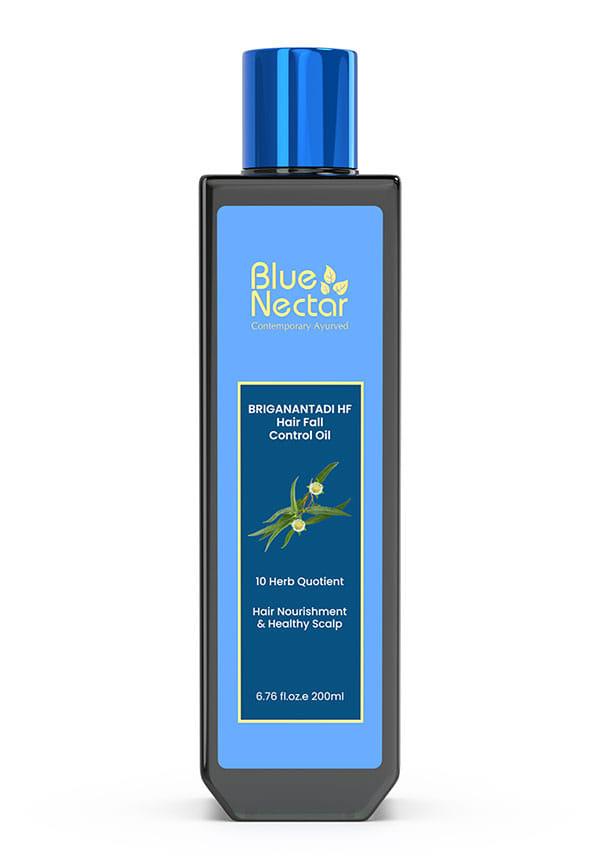
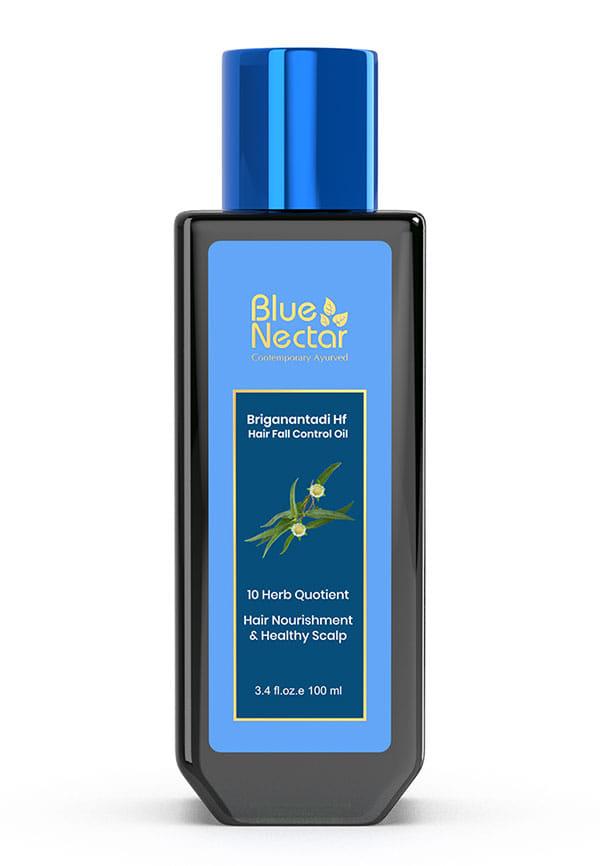
Briganantadi Hair Fall control and Healthy Scalp Hair Oil 10 Herbs
Oatmeal isn't just for breakfast—it's amazing for sensitive scalps. Blend rolled oats into a fine powder, mix with water to make a paste, and gently massage into your scalp. It's naturally anti-inflammatory and soothing. Leave it on for 10 minutes before rinsing.
Apple cider vinegar gets a lot of hype, and honestly, it's earned it. Dilute one part ACV with three parts water and use it as a final rinse after shampooing. It helps balance your scalp's pH and can reduce buildup. Just don't use it too often—once a week is plenty.
Aloe vera gel straight from the plant (or a pure gel) is like a cool drink for irritated scalps. Apply it directly to problem areas and leave for 15-20 minutes before washing. It's naturally antimicrobial and incredibly soothing.
Honey isn't just sweet—it's a natural humectant that draws moisture to your scalp. Mix raw honey with a bit of water and massage into damp scalp. Leave for 20 minutes before washing. It's also naturally antimicrobial, which helps with scalp health.
Coconut oil gets mixed reviews, but for dry scalp remedies, it can be brilliant. The key is using it sparingly and choosing the right type. Virgin coconut oil is less processed and gentler. Warm it slightly, apply to scalp, and wash out after 30 minutes.
Scalp massage isn't just relaxing—it's actually backed by science. Regular massage increases blood circulation to hair follicles, which can promote healthy hair growth. Plus, it feels amazing and costs nothing.
Here's how to do it right: use your fingertips (never nails) and apply gentle pressure in small circular motions. Start at your hairline and work your way back, spending about 30 seconds on each area. The whole process should take about 5 minutes. You can do this on dry hair, with oil, or even in the shower with shampoo.
You don't need fancy tools, but they can be nice. Your fingers are perfectly effective, but scalp massagers with soft silicone bristles can feel amazing and help distribute products evenly. Avoid anything too firm or with sharp edges—remember, we're going for gentle.
Aim for daily massage if possible, even if it's just for a minute or two. Consistency matters more than duration. If you're using oils, once or twice a week is plenty to avoid buildup.
Product shopping for sensitive scalps can feel like navigating a minefield. One wrong ingredient and you're back to square one with irritation and itching.
Instead of sulfates, look for gentle cleansing agents like coco-glucoside or decyl glucoside. They clean effectively without stripping. Soothing ingredients like chamomile, calendula, and oat extract are your friends—they calm irritation naturally.
For moisture, ingredients like hyaluronic acid and ceramides help maintain your scalp's barrier function. Anti-inflammatory actives like niacinamide and panthenol can help reduce redness and irritation without being harsh.

Intensive Scalp Repair Anti Dandruff Shampoo
Harsh sulfates like sodium lauryl sulfate are obvious no-nos, but also watch out for strong fragrances and essential oils in high concentrations. They might smell amazing, but they can trigger sensitivity. Alcohol-based products are also drying, especially denatured alcohol high up in the ingredient list.
Over-exfoliating acids like salicylic acid can be helpful for some scalp conditions, but if you have sensitive skin, they might be too harsh for regular use.
Sometimes scalp issues aren't just about what you put on your head—they're about what's happening in the rest of your life.
What you eat shows up in your scalp health. Omega-3 fatty acids from fish, walnuts, or supplements help reduce inflammation throughout your body, including your scalp. Antioxidant-rich foods like berries, leafy greens, and green tea protect against environmental damage.
Hydration is huge—dehydrated skin includes dehydrated scalp. Aim for those eight glasses of water, and notice how your scalp feels when you're properly hydrated versus when you're not.
Some foods can trigger scalp sensitivity in certain people. Dairy and high-glycemic foods are common culprits, but this varies person to person. If you notice patterns between what you eat and scalp flare-ups, it might be worth exploring.
Heat styling doesn't just damage your hair—it can irritate your scalp too. When you do use heat tools, keep them moving and use a heat protectant that covers your scalp as well as your hair.
UV protection isn't just for your face. Your scalp can get sunburned, especially along your part line. Wear hats, use UV-protective hair products, or apply sunscreen to exposed areas.
Tight hairstyles might look sleek, but they put constant tension on your scalp and hair follicles. Mix up your styling routine and give your scalp breaks from tight ponytails or braids.
Not all scalp issues are created equal, and what works for one problem might make another worse. Let's break down some common concerns and how to address them gently.
Dry scalp and dandruff get confused all the time, but they're different beasts. Dry scalp flakes are small and white, and your scalp feels tight. Dandruff flakes are larger, more yellow, and oily. Dry scalp needs moisture; dandruff needs gentle antifungal treatment.
Seborrheic dermatitis is like dandruff's more intense cousin—red, scaly patches that can be itchy and inflamed. It often needs medical treatment, but gentle care can help manage symptoms.
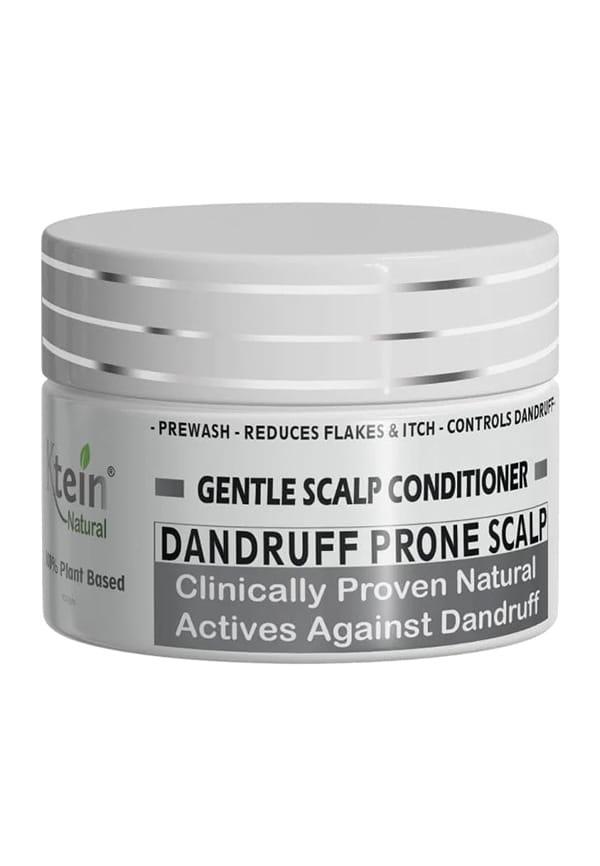
Natural 100% Plant Based Gentle Scalp Conditioner Dandruff Prone Scalp
Contact dermatitis happens when your scalp reacts to something it doesn't like—usually a product ingredient. The solution is identifying and avoiding the trigger, which can take some detective work.
Winter air is dry, and indoor heating makes it worse. Your scalp might need richer treatments and less frequent washing during cold months. Summer brings humidity and sweat, which might mean adjusting your routine to prevent buildup while still being gentle.
Transitioning between seasons is when many people notice scalp changes. Don't panic—just adjust your routine gradually and give your scalp time to adapt.
Most people benefit from washing 2-3 times per week with gentle, sulfate-free shampoos. Those with oily scalps might need daily washing, while dry or sensitive scalps should limit washing to prevent over-stripping natural oils. Listen to your scalp—it'll tell you what it needs.
Aloe vera, oatmeal, and chamomile are brilliant for sensitive scalps. They're naturally anti-inflammatory and soothing. Jojoba oil is also excellent because it mimics your natural sebum without clogging pores. Always patch test new ingredients first.
Yes, regular scalp massage increases blood circulation to hair follicles, which can support healthy hair growth. Studies show that consistent massage over several months can lead to thicker hair. Plus, it helps distribute natural oils and feels amazing.
If you have persistent symptoms that don't improve with gentle care after 4-6 weeks, severe itching, pain, or hair loss, it's time to see a dermatologist or trichologist. Some conditions need medical treatment, and there's no shame in getting professional help.
Dry scalp produces small, white flakes and feels tight or itchy. Dandruff creates larger, yellowish, oily flakes and is caused by an overgrowth of yeast. Dry scalp needs moisture, while dandruff needs antifungal treatment. The treatments are different, so proper identification matters.
Gentle scalp care isn't about using the most expensive products or following complicated routines—it's about understanding what your scalp needs and giving it consistent, thoughtful care. Whether you're dealing with sensitivity, dryness, or just want to maintain healthy hair growth, the key is being gentle and patient.
Remember that scalp health is connected to overall wellness. What you eat, how much water you drink, and even your stress levels all show up in your scalp. A holistic approach that combines good products with healthy lifestyle choices will give you the best results.
Finding the right products for your scalp type can take some trial and error. Smytten's curated selection includes gentle scalp care options from trusted brands, and their trial-size versions let you test what works for your specific needs before committing to full bottles. Because when it comes to scalp care, one size definitely doesn't fit all.
