How to Achieve a Healthy Scalp: Understanding Scalp Health Needs

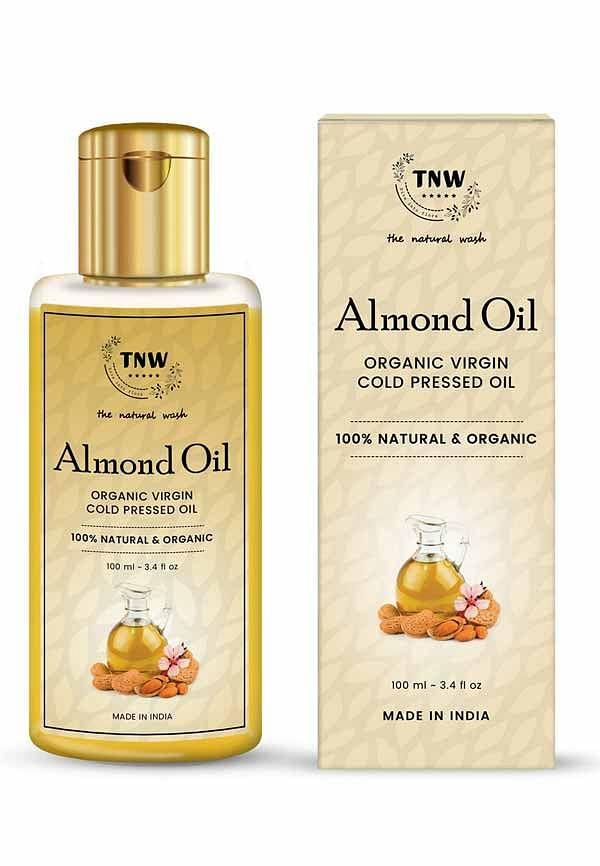
Pure Almond Oil Rich in Vitamin E Cold pressed Virgin Badam Tail For Skin Hair Nourishes the scalp 100% Pure & Natural for Hair, Skin, Face Care & Ma
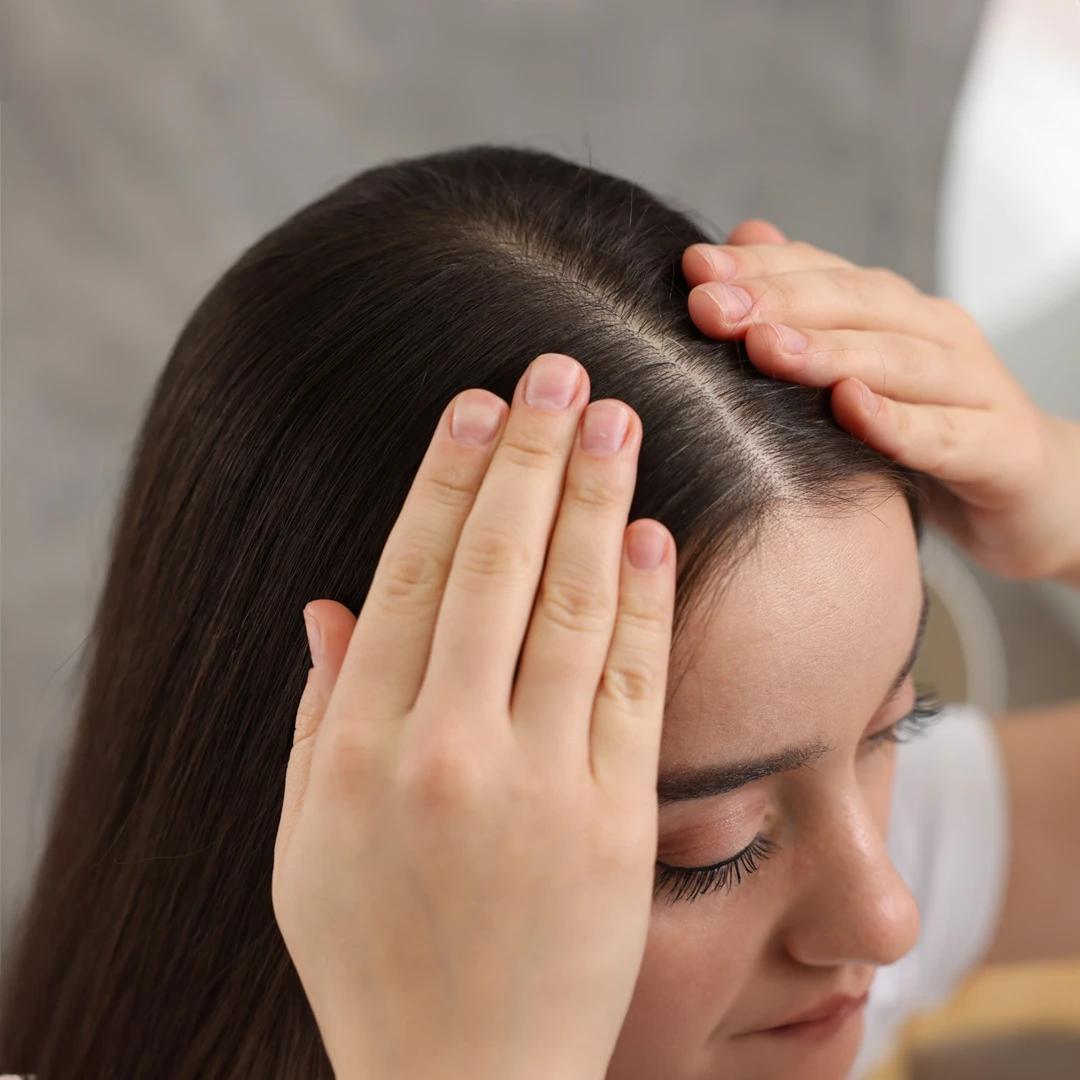
Ever noticed how your hair feels amazing after a proper scalp massage at the salon? That's your scalp telling you it's been craving some attention. Real talk—most of us focus on the lengths and ends of our hair whilst completely ignoring the foundation where it all begins. Your scalp is basically the soil for your hair garden, and understanding scalp health needs isn't just about avoiding flakes or itchiness. It's about creating the perfect environment for strong, healthy hair to thrive. Let's dive into what your scalp actually needs to stay happy and how you can give it the care it deserves.
Think of your scalp as a complex ecosystem that's working 24/7 to support your hair. A healthy scalp maintains the perfect balance of oil production, keeps harmful bacteria at bay, and ensures your hair follicles get all the nutrients they need. The scalp microbiome—basically the community of good bacteria living on your scalp—plays a huge role in this process. When this microbiome is balanced, your scalp feels comfortable, looks clear, and your hair grows stronger.
Hair follicle health is directly connected to what's happening on your scalp surface. Each follicle is like a tiny factory producing hair strands, and when your scalp environment is compromised, these factories can't work efficiently. This is why understanding scalp health needs goes beyond just washing your hair—it's about creating optimal conditions for growth.
A healthy scalp feels comfortable throughout the day—no itching, burning, or tight sensations. It should look relatively clear without excessive flaking, redness, or visible irritation. Your hair should feel strong at the roots, and you shouldn't be seeing unusual amounts of hair fall during washing or brushing.
Persistent itchiness, visible flakes that won't budge with regular washing, tender spots, or sudden changes in hair texture could signal scalp conditions that need attention. If you're dealing with severe symptoms or sudden hair loss, it's worth chatting with a dermatologist.
Proper scalp care starts with understanding your scalp type, just like you would with your skin. Some scalps produce more oil, others tend towards dryness, and many fall somewhere in between. The key is finding a routine that maintains balance without over-cleansing or under-nourishing.
Daily scalp hygiene doesn't necessarily mean daily washing—it means being mindful of what your scalp needs. For most people, washing every 2-3 days works well, but this can vary based on your lifestyle, hair type, and scalp condition. The goal is to remove buildup and excess oil without stripping away the natural protective barrier.
Your shampoo choice makes a massive difference in scalp health. Look for formulas that clean effectively without harsh sulphates that can irritate sensitive scalps. Gentle massage whilst shampooing helps boost circulation and ensures thorough cleansing.
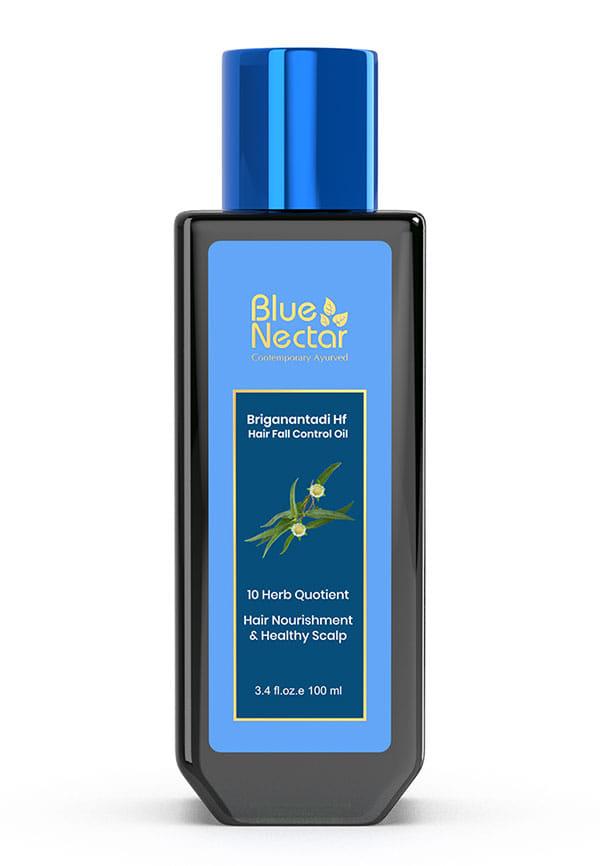
Briganantadi Hair Fall control and Healthy Scalp Hair Oil 10 Herbs
Once a week, your scalp deserves some extra attention. This might be a gentle exfoliation to remove dead skin cells and product buildup, or a nourishing scalp treatment to address specific concerns. Think of it as a weekly reset for your scalp health.
Most scalp issues fall into a few main categories, and understanding what you're dealing with helps you choose the right approach. Whether it's dryness, irritation, or flaking, there are targeted solutions that can help restore balance.
Dry scalp often gets confused with dandruff, but they're quite different. Dry scalp feels tight and may produce small, dry flakes, whilst dandruff typically involves larger, oilier flakes. For genuine dryness, gentle hydration is key. Look for scalp treatments with hyaluronic acid, glycerin, or natural oils that can penetrate and moisturise without weighing hair down.
Avoid over-washing, which can strip natural oils and worsen dryness. When you do wash, use lukewarm water rather than hot, as heat can be particularly drying for sensitive scalps.
Scalp itchiness can stem from various causes—dryness, product sensitivity, or even stress. For immediate relief, try a cool compress or gentle scalp massage with a few drops of tea tree oil mixed into a carrier oil. Long-term relief often involves identifying and eliminating triggers whilst supporting your scalp's natural barrier function.
If you're dealing with persistent itchiness, consider keeping a scalp diary to track potential triggers like new products, dietary changes, or stress levels.
Dandruff is often caused by an overgrowth of yeast on the scalp, leading to inflammation and flaking. Effective dandruff control usually involves ingredients like zinc pyrithione, ketoconazole, or selenium sulphide that target this underlying cause. However, natural options like tea tree oil or apple cider vinegar can also help maintain scalp balance.
Consistency is crucial with dandruff management—it's easier to prevent flare-ups than to treat them once they've started.
Beyond products and treatments, your lifestyle choices significantly impact scalp health. What you eat, how you manage stress, and even how you sleep can influence your scalp's condition.
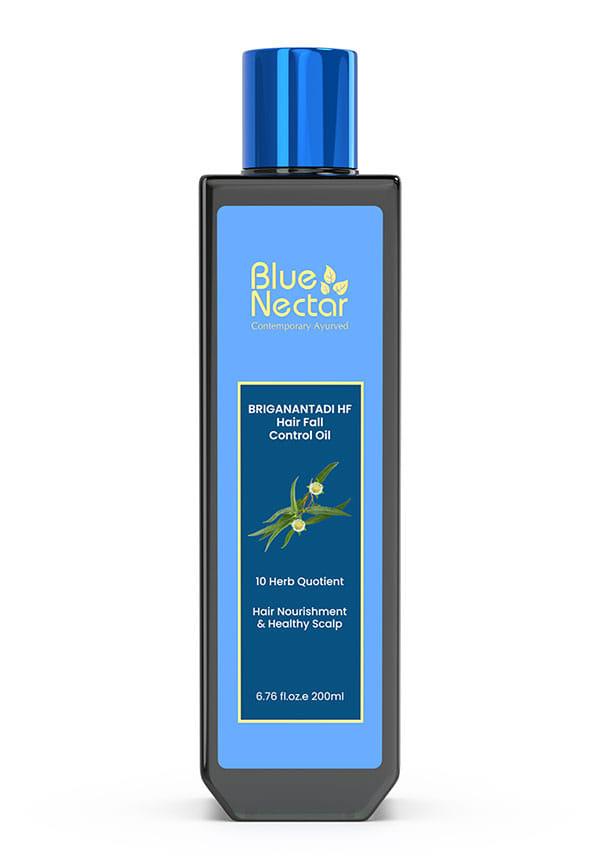
Briganantadi Hair Fall control and Healthy Scalp Hair Oil 10 Herbs
Nutrition plays a huge role in scalp wellness. Omega-3 fatty acids help maintain the scalp's natural oil barrier, whilst zinc supports healthy hair follicle function. B vitamins, particularly biotin and niacin, support circulation to the scalp. You don't need expensive supplements—a balanced diet with fish, nuts, leafy greens, and whole grains usually provides what your scalp needs.
Some of the most effective scalp treatments use simple ingredients you might already have. A gentle brown sugar scrub can help exfoliate buildup, whilst a honey and oat mask provides soothing moisture. Aloe vera gel offers cooling relief for irritated scalps, and green tea rinses can help balance oil production.
Stress doesn't just affect your mood—it can trigger scalp conditions or make existing issues worse. When you're stressed, your body produces more cortisol, which can disrupt the scalp's natural balance. Regular stress management through exercise, meditation, or whatever helps you unwind can genuinely improve your scalp health.
The best scalp care routine is one that fits your lifestyle and addresses your specific needs. Start by honestly assessing your current scalp condition—is it generally comfortable, or are there ongoing issues you'd like to address?
A basic routine might include gentle cleansing 2-3 times per week, weekly scalp treatment, and daily attention to factors that affect scalp health like diet and stress. As you learn what works for your scalp, you can adjust frequency and products accordingly.
Your scalp's needs change with the seasons. Winter heating can cause dryness, whilst summer humidity might increase oil production. Being flexible with your routine helps maintain balance year-round.
Keep notes about what products and techniques work best for your scalp. This helps you identify patterns and make informed decisions about your routine. Photos can be helpful for tracking visual improvements over time.
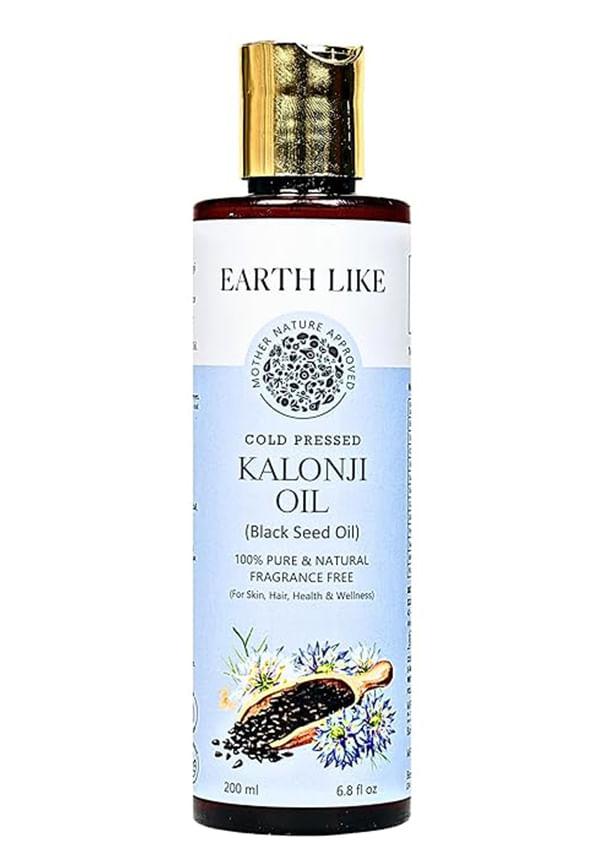
Kalonji Black Seed Oil for Healthy Hair, Skin Hydration & Scalp Nourishment
Most people benefit from washing every 2-3 days, but this varies based on your scalp type, lifestyle, and hair texture. Oily scalps might need daily washing, whilst dry or chemically treated hair often does better with less frequent washing. Listen to your scalp—if it feels greasy or itchy, it probably needs cleansing.
Gentle oil treatments with jojoba or argan oil can help moisturise dry scalps. Aloe vera gel provides soothing hydration, whilst honey masks offer both moisture and antibacterial benefits. Always patch test natural remedies first, and avoid anything that causes irritation.
Absolutely. A healthy scalp provides the optimal environment for hair follicles to function properly. Poor scalp health can slow growth, cause premature hair loss, or result in weaker hair strands. Maintaining good scalp health is one of the best things you can do for your hair.
A healthy scalp feels comfortable throughout the day without itching, burning, or tightness. It should look relatively clear without excessive flaking or redness. Your hair should feel strong at the roots, and you shouldn't experience unusual hair fall during normal styling or washing.
Harsh sulphates, alcohol-based products, and strong fragrances can irritate sensitive scalps. Some people also react to essential oils, particularly peppermint or eucalyptus. If you have a sensitive scalp, introduce new products gradually and always patch test first.
You might notice some immediate improvements in comfort and appearance, but significant changes typically take 4-6 weeks of consistent care. This aligns with your hair's natural growth cycle, so patience is key when addressing scalp concerns.
Understanding scalp health needs is really about creating a sustainable routine that keeps your scalp balanced and comfortable. It's not about perfection—it's about consistency and paying attention to what your scalp is telling you. Whether you're dealing with specific concerns or just want to maintain good scalp health, the key is finding approaches that work for your lifestyle and sticking with them.
Remember that scalp health is a journey, not a destination. What works for your scalp might change over time due to hormones, seasons, stress levels, or other factors. Stay flexible and keep learning what makes your scalp happiest. If you're exploring new scalp care products, Smytten's curated selection includes gentle formulations from trusted brands—and their trial-size options let you test what works for your scalp before committing to full-size products.
