How Protein Transforms Your Hair Health Naturally


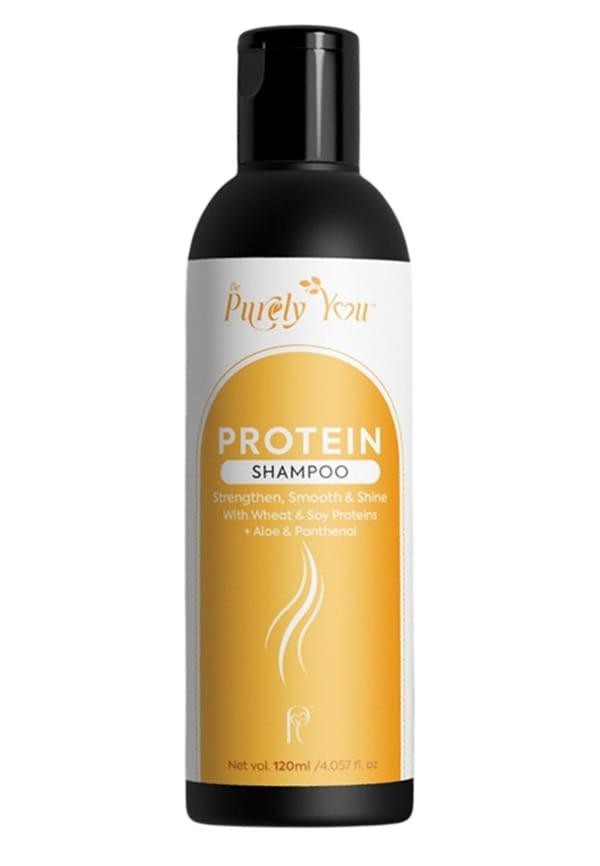 120 ml
Protien Shampoo
Your hair is basically a protein powerhouse, and when it's not getting what it needs, it shows. Think limp strands, endless breakage, and that frustrating feeling when your hair just won't cooperate. The thing is, how protein helps hair goes way deeper than just slapping on a mask once in a while. We're talking about the actual building blocks of your strands, and when you understand this connection, everything changes. Let's dive into how protein transforms your hair health naturally and why it might just be the game-changer your haircare routine has been missing.
Here's something that might blow your mind: your hair is made up of about 95% keratin hair protein. That's right, nearly your entire strand is pure protein. When people talk about protein for hair, they're not just throwing around buzzwords—they're talking about the fundamental structure that makes your hair, well, hair.
Your hair follicles are like tiny factories working around the clock, and they need a steady supply of amino acids (the building blocks of protein) to create strong, healthy strands. During the growth phase, these follicles are rapidly dividing cells, which means they're protein-hungry. Without enough fuel, they simply can't do their job properly.
The hair structure protein forms three main layers: the medulla (inner core), cortex (middle layer where most of the protein lives), and cuticle (outer protective layer). When any of these layers lack proper protein support, you'll notice it in how your hair looks and feels. The cortex, in particular, determines your hair's strength, elasticity, and colour, making protein absolutely crucial for healthy hair.
Think of it like building a house—you wouldn't use weak materials for the foundation, right? Same goes for your hair. Protein and hair growth work hand in hand because without adequate protein, your hair follicles can't produce strong, resilient strands that can withstand daily styling and environmental stressors.
Real talk: most of us have experienced hair protein deficiency without even realising it. Your hair has a sneaky way of telling you what it needs, but the signs aren't always obvious. The key is knowing what to look for and understanding the difference between needing protein versus needing moisture.
One of the easiest ways to check is the elasticity test. Take a strand of clean, wet hair and gently stretch it. Healthy hair should stretch about 30% of its length before snapping back. If it breaks immediately or stretches way beyond that point without bouncing back, you're likely dealing with protein issues.
Your hair basically becomes a drama queen when it's protein-starved, and here's how it shows:
Excessive breakage and split ends that seem to appear overnight
Limp, lifeless texture that feels like wet noodles even when dry
Increased shedding that goes beyond the normal 50-100 strands per day
Loss of curl pattern or wave definition if you have textured hair
Difficulty retaining length because your hair keeps breaking off
Dull appearance that no amount of shine products seems to fix
Rough, straw-like feel that catches on everything
The tricky part is that these symptoms can sometimes overlap with over-moisturised hair, which is why the elasticity test is so helpful. Protein-deficient hair will feel mushy and weak, while over-moisturised hair might feel soft but lack structure.
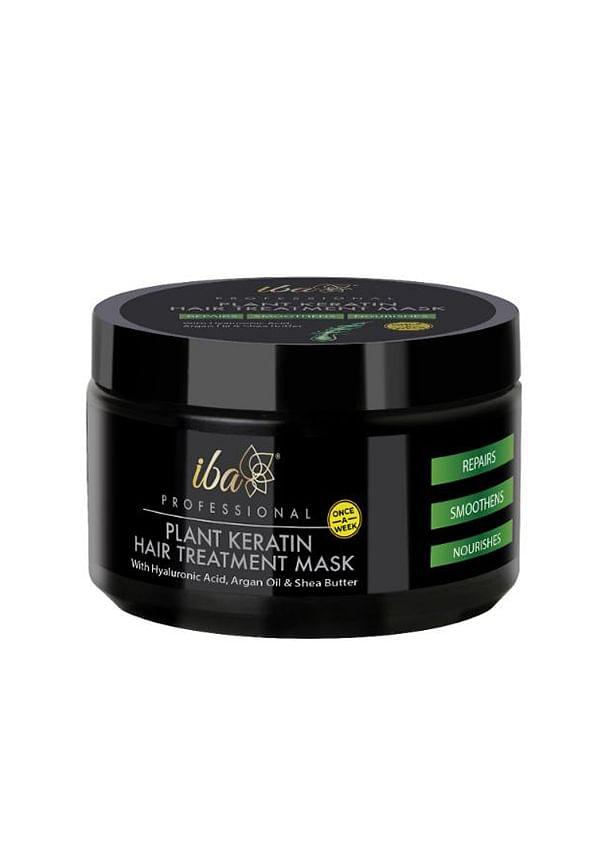 200 ml
Professional Plant Keratin Hair Treatment Mask
When your hair gets the protein it craves, it's like watching a transformation unfold. The hair protein benefits aren't just cosmetic—they're structural changes that make your hair fundamentally stronger and more resilient.
First up, you'll notice improved strength and elasticity. Your hair becomes more flexible, able to handle brushing, styling, and even the occasional hair tie emergency without snapping. The cuticles lay flatter, which means more shine and smoother texture. It's like your hair finally has the building materials it needs to repair and maintain itself properly.
Protein and hair growth also work together to help you retain length. When your strands are stronger, they're less likely to break off, which means you can actually see the growth you've been working towards. Plus, healthy protein levels can support faster growth rates because your follicles have everything they need to function optimally.
Keratin deserves its own spotlight because it's the superstar protein in your hair. When you support your hair's natural keratin production, you're essentially giving it the best possible foundation.
Enhanced protection against environmental damage like UV rays and pollution
Better heat styling tolerance because stronger hair can handle higher temperatures
Improved chemical processing recovery for those who colour or chemically treat their hair
Longer-lasting styles because the hair holds its shape better
When it comes to protein hair treatment options, you've got choices. The key is finding what works for your hair type, lifestyle, and budget. Professional treatments can be incredibly effective, but they're not the only game in town.
Salon treatments typically use higher concentrations of protein and can penetrate deeper into the hair shaft. They're brilliant for severely damaged hair or when you need quick results. However, they can cost anywhere from ₹2,000 to ₹8,000 per session, and you might need multiple treatments to see lasting results.
DIY treatments are where things get interesting, and honestly, some of the best protein for hair solutions are sitting in your kitchen right now.
Egg protein masks: Mix 1-2 eggs with a tablespoon of olive oil for deep protein penetration
Greek yoghurt treatments: Rich in protein and gentle enough for weekly use
Gelatin hair masks: Mix unflavoured gelatin with warm water for an intense protein boost
Rice water protein benefits: Fermented rice water contains amino acids that strengthen hair
The beauty of natural treatments is that you can customise them based on what your hair needs. Plus, they're budget-friendly and you know exactly what's going into your hair.
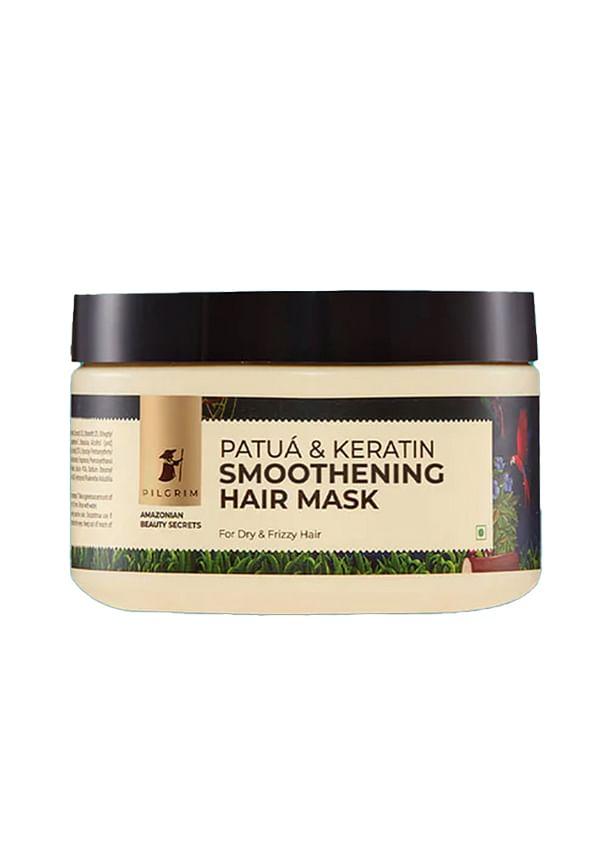 200 gm
Patuá & Keratin Strengthening Hair Mask With Sacha Inchi
If you're dealing with seriously damaged hair, damaged hair repair protein treatments become your best friend. Whether it's from heat styling, chemical processing, or just general wear and tear, protein can help rebuild what's been lost.
The repair process works by filling in the gaps in your hair's structure. Think of it like patching holes in a wall—the protein temporarily fills in the damaged areas and helps strengthen the overall structure. While it can't completely reverse severe damage, it can significantly improve the look and feel of compromised hair.
Timing is everything when it comes to protein treatments, especially for damaged hair.
Severely damaged hair: Start with weekly treatments for 4-6 weeks
Moderately damaged hair: Bi-weekly treatments for 6-8 weeks
Maintenance phase: Monthly treatments to prevent future damage
Always follow up with a moisturising treatment to maintain balance
Remember, balance is key. Too much protein can make your hair stiff and brittle, so always listen to how your hair responds and adjust accordingly.
While topical treatments work wonders, don't underestimate the power of feeding your hair from the inside out. Hair protein supplements and protein rich foods for hair can provide the building blocks your follicles need to create strong, healthy strands.
Your hair follicles are some of the most active cells in your body, which means they need a constant supply of nutrients. When you're not getting enough protein in your diet, your body prioritises more essential functions, and your hair often gets the short end of the stick.
The good news is that boosting your hair's protein intake can be delicious.
Complete proteins: Eggs, fish, chicken, and lean meats provide all essential amino acids
Plant-based options: Quinoa, lentils, chickpeas, and hemp seeds for vegetarian and vegan friends
Nuts and seeds: Almonds, walnuts, and pumpkin seeds pack protein and healthy fats
Greek yoghurt and cottage cheese: High in protein and great for breakfast or snacks
Aim for about 0.8 grams of protein per kilogram of body weight daily, but if you're very active or dealing with hair issues, you might need a bit more. The key is consistency—your hair follicles need a steady supply, not feast-or-famine cycles.
This is where platforms like Smytten become incredibly valuable for your haircare journey. With over 1,500 trusted brands and the ability to try protein-rich hair treatments through curated trial packs, you can discover what works for your specific hair needs without the commitment of full-size purchases. Whether you're exploring keratin treatments, protein masks, or supplements, Smytten's trial approach lets you experiment and find your perfect protein routine.
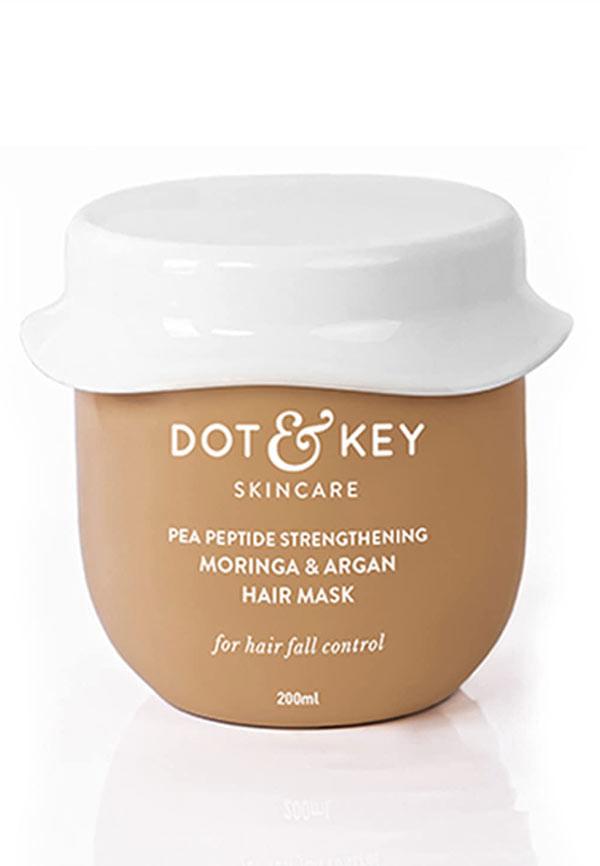 200ml
200mlPea Peptide Strengthening Moringa & Argan Hair Mask
Most adults need about 0.8-1.2 grams of protein per kilogram of body weight daily for overall health, including hair health. If you're dealing with hair damage or growth issues, you might benefit from the higher end of this range. Focus on getting protein throughout the day rather than all at once, as your body can only process so much at a time.
Yes, protein overload is real and can make your hair feel stiff, brittle, and prone to breakage. Signs include hair that feels hard when wet, lacks elasticity, and breaks easily. If this happens, focus on moisturising treatments and reduce protein treatments until your hair feels balanced again.
You might notice immediate improvements in texture and manageability after your first treatment, but significant changes typically take 4-6 weeks of consistent use. Remember, you're only treating the hair that's already grown out—new growth with better protein support takes time to show.
Protein treatments strengthen and rebuild hair structure, while deep conditioning adds moisture and softness. Think of protein as the scaffolding and moisture as the cushioning. Most hair needs both, but the ratio depends on your hair's current condition.
Both have their place. Supplements work from the inside out and benefit new hair growth, while topical treatments can immediately improve existing hair. For best results, consider combining both approaches—feed your follicles with good nutrition and treat your current hair with protein masks or treatments.
Understanding how protein helps hair is like having a secret weapon in your haircare arsenal. Whether you're dealing with damage, trying to grow your hair longer, or just want stronger, healthier strands, protein is your friend. The key is finding the right balance for your hair type and being consistent with your approach.
Remember, healthy hair is a journey, not a destination. What works for your friend might not work for you, and that's totally normal. The beauty is in the experimentation and finding what makes your hair thrive. With Smytten's extensive range of haircare trial packs from trusted brands, you can explore different protein treatments and find your perfect match without the guesswork. After all, why settle for maybe when you can try it all and discover what truly transforms your hair health naturally?
