How Often to Wash Hair in India? Your FAQ Answered


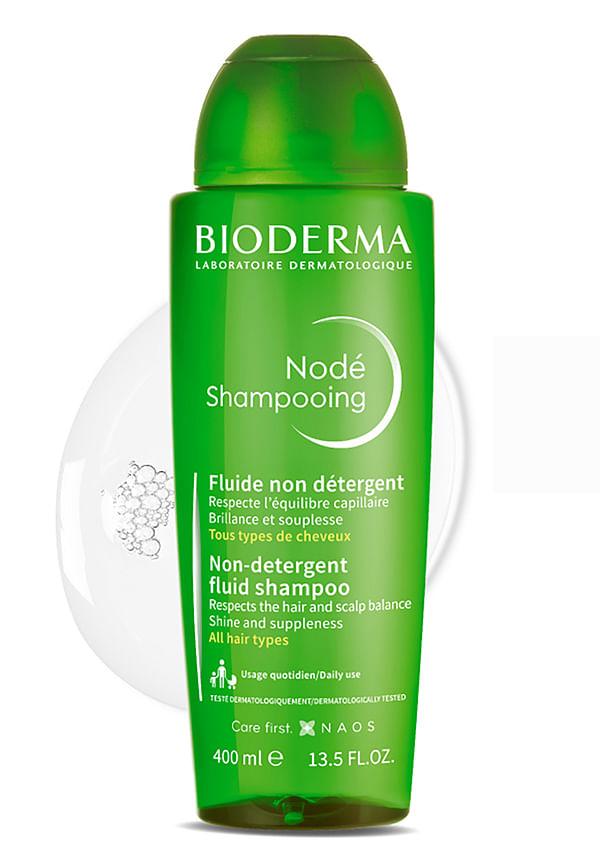 400 ml
Node Non-Detergent Shampoo
Let's be real—figuring out how often to wash your hair in India isn't as straightforward as following some generic advice you found online. Between the humidity, pollution, and our unique hair types, the whole "wash every other day" rule just doesn't cut it here. Whether you're dealing with an oily scalp that feels greasy by noon or dry hair that rebels against frequent washing, finding your perfect hair washing frequency is all about understanding what works for your specific situation. Ready to decode the mystery of hair care routine India style?
India's diverse climate throws some serious curveballs when it comes to haircare. The humidity in Mumbai hits differently than the dry heat in Rajasthan, and what works in Bangalore might leave your hair looking flat in Delhi's pollution.
Our climate affects everything—from how quickly your scalp produces oil to how much dirt and pollution your hair collects daily. In coastal areas, the salt in the air can make hair feel sticky and weighed down, whilst inland cities deal with dust and dry air that can leave hair parched. Then there's the monsoon season that brings its own set of challenges, making hair frizzy and prone to fungal infections if not washed properly.
The key is understanding that Western hair care advice often assumes temperate climates with consistent weather patterns. But here in India, you might need to wash your hair three times a week during summer and scale back to twice during winter. Your hair washing frequency needs to be as adaptable as you are to our ever-changing weather.
Your hair type is the biggest factor in determining your ideal washing schedule. What works for your friend with pin-straight hair might be a disaster for your curly locks.
If your hair looks greasy within 24 hours of washing, you're dealing with an oily scalp. In India's humid climate, this often means washing 3-4 times per week. Look out for signs like hair that feels heavy, looks limp, or has that telltale shine at the roots. The good news? Oily scalp wash frequency can actually protect your hair from environmental damage, but you'll need to find the right balance to avoid over-cleansing.
Dry hair in India's climate is often the result of over-processing, sun damage, or naturally low oil production. For dry hair wash frequency, aim for 1-2 times per week maximum. Your hair will thank you for preserving those natural oils that take longer to travel down the hair shaft. Between washes, focus on moisturising treatments and protective styles.
Lucky you if you have normal hair—it's the goldilocks of hair types. Washing 2-3 times per week usually hits the sweet spot, but you might need to adjust based on your lifestyle and the season. During monsoon, you might lean towards the higher end, whilst winter might call for less frequent washing.
Curly hair has its own rulebook. The natural oils from your scalp take longer to travel down the twists and turns of each strand, so 1-2 times per week is usually perfect. Over-washing can strip away the moisture that keeps your curls defined and bouncy.
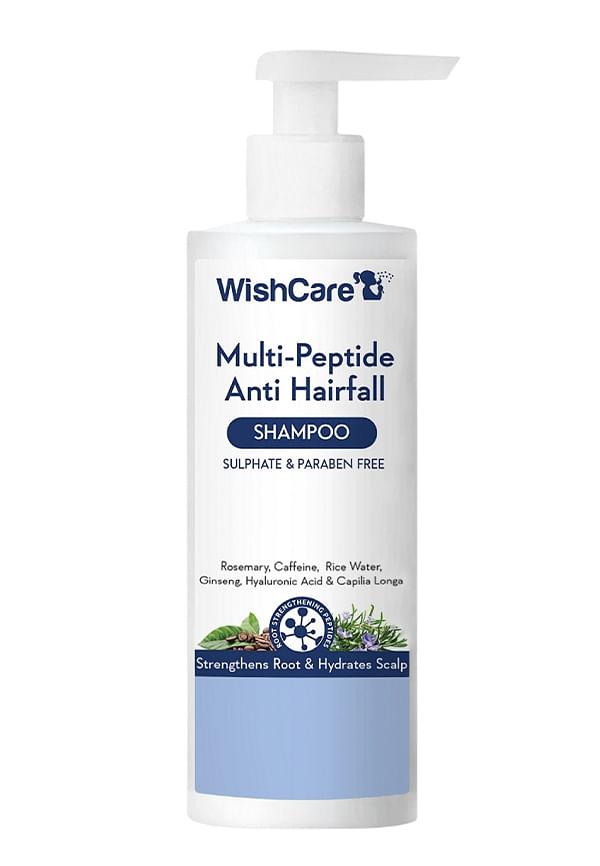 250 ml
Multi Peptide Rice Water Anti Hairfall Shampoo - Rosemary, Capilia Longa, HA & Caffeine
Sometimes your lifestyle or specific hair concerns might override your natural hair type when it comes to washing frequency. Let's tackle some common scenarios that many of us face.
Washing hair daily isn't ideal for most people, but sometimes it's unavoidable. If you work in construction, spend hours in the kitchen, or hit the gym every day, daily washing might be your reality. The trick is using a gentle, sulfate-free shampoo and following up with a good conditioner. Your scalp health depends on not stripping away all the natural oils, even when you need frequent cleansing.
Here's some myth-busting for you—frequent washing doesn't slow down hair growth. In fact, a clean scalp creates the ideal environment for healthy hair growth. The key is maintaining good scalp health through proper cleansing without being too aggressive. Gentle massage during washing can actually boost circulation and promote growth.
Dandruff throws a spanner in the works when it comes to washing frequency. You might need to wash more often initially to control flakes, then gradually reduce frequency as your scalp heals. Anti-dandruff shampoos can be drying, so alternate with a gentle, moisturising formula to keep your hair healthy.
India has a rich tradition of natural hair care that's stood the test of time. Combining these time-tested methods with modern science gives you the best of both worlds.
Our grandmothers knew what they were doing with oil massages before washing. This practice isn't just cultural—it actually protects your hair during the cleansing process and nourishes the scalp. Natural hair care India style includes ingredients like shikakai, aritha, and besan that cleanse gently without stripping natural oils. These methods work particularly well for those with sensitive scalps or chemically treated hair.
When choosing the best shampoo for Indian hair, look for formulas that address our specific concerns—humidity, pollution, and varying water quality. Sulfate-free shampoos are gentler and work well for most hair types, especially if you're washing frequently. Pay attention to pH levels too, as Indian water tends to be harder and can affect how your shampoo performs.
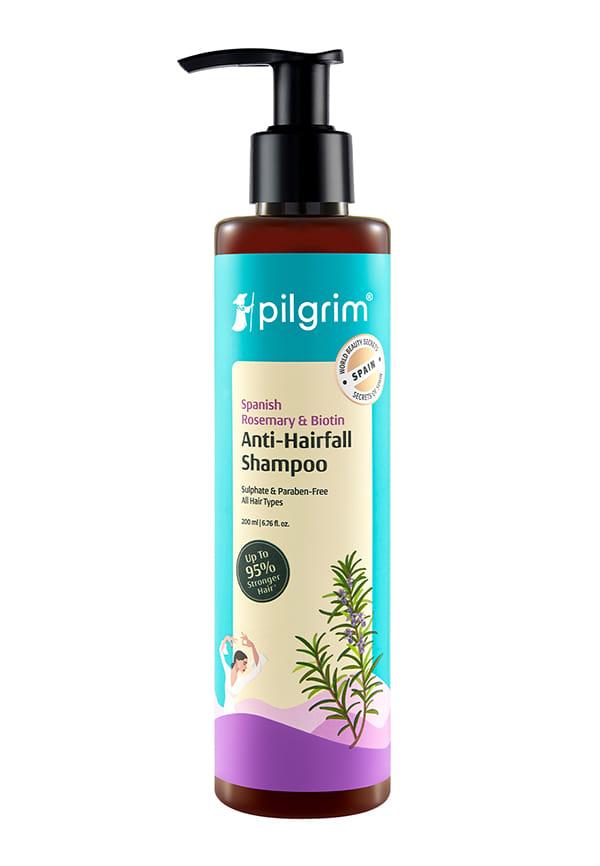 200 ml
Spanish Rosemary & Biotin Anti-Hairfall Shampoo
Hard water is a reality in many Indian cities, and it can seriously mess with your hair washing routine. If your hair feels sticky or looks dull even after washing, water quality might be the culprit. Consider using a clarifying treatment once a month or installing a water filter. Some people find that adjusting their hair wash tips to include a final rinse with filtered water makes a huge difference.
Your hair washing frequency should change with the seasons, just like your wardrobe. Each season in India brings unique challenges that require different approaches.
Summer heat and increased sweating often mean ramping up your washing frequency. You might need to wash an extra time per week to deal with oil buildup and sweat. Focus on lightweight, clarifying formulas that won't weigh your hair down in the heat. Don't forget sun protection—UV rays can be just as damaging to your hair as they are to your skin.
Humidity during monsoon can make your hair feel perpetually damp and frizzy. You might actually need to wash more frequently to prevent fungal infections, but follow up with anti-humidity products. Quick-dry techniques become essential—nobody wants to walk around with wet hair in 90% humidity.
Winter is when you can often reduce your washing frequency. The cooler, drier air means less oil production and sweating. Focus on moisture retention and protecting your hair from static. This is the perfect time to experiment with longer gaps between washes and intensive conditioning treatments.
Finding the right products for your hair care routine doesn't have to be a guessing game. Smytten, India's largest product discovery platform, lets you try mini-sized haircare products from over 1,500 trusted brands before committing to full sizes. With trial packs available for just ₹249 and 100% cashback on your purchase, you can explore different shampoos, conditioners, and treatments to find what works best for your hair type and washing frequency—because why settle for maybe when you can try it all?
It depends on your hair type and lifestyle. If you have very dry or curly hair and don't sweat much, a week between washes might work. However, India's pollution and humidity make this challenging for most people. Signs it's time to wash include visible oil buildup, itchy scalp, or hair that feels heavy and looks dull.
Daily washing isn't always necessary, even in polluted cities. Instead, focus on protective measures like covering your hair when outdoors and using a gentle cleansing routine 3-4 times per week. If you must wash daily due to pollution exposure, use a mild, sulfate-free shampoo and always follow with conditioner.
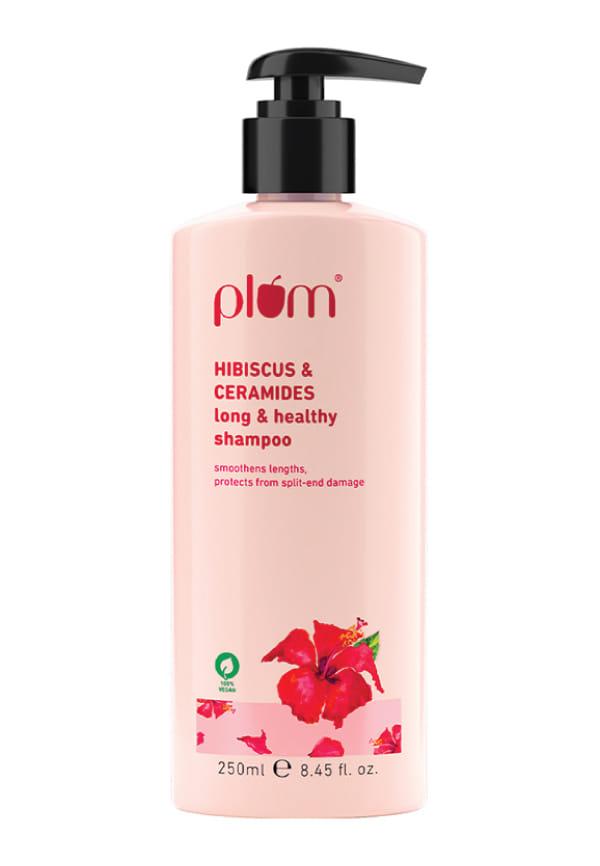 250ml
250mlHibiscus & Ceramides Long & Healthy Shampoo|Helps Boost Hair Growth, Hydrates & Conditions hair, Prevents Split Ends|Contains Hibiscus Extracts, Cera
Hard water, common in many Indian cities, can make hair feel sticky and look dull. It can also cause product buildup and make your shampoo less effective. Consider using a clarifying shampoo once a month, installing a water softener, or doing a final rinse with filtered water to minimise damage.
Traditional practices include pre-wash oil massages, using natural cleansers like shikakai and aritha, and applying herbal pastes made from ingredients like fenugreek or neem. These methods are gentle, nourishing, and particularly effective for maintaining scalp health in Indian climates.
For most hair types, oiling 1-2 times per week before washing works well. If you have very dry hair, you might benefit from more frequent oiling, whilst those with oily scalps should stick to once a week. Apply oil 30 minutes to 2 hours before washing for best results.
Cold water can actually be beneficial for your hair—it helps seal the hair cuticles and adds shine. In India's hot climate, cold water washing can be refreshing and may help control oil production. However, if you have very oily hair, lukewarm water might be more effective for removing buildup.
Signs of over-washing include increased dryness, brittleness, frizz, or paradoxically, increased oil production as your scalp overcompensates. If your hair feels stripped or looks dull despite regular washing, try reducing frequency and using more moisturising products.
Yes, pollution particles can mix with your scalp's natural oils, making hair appear greasier faster. Dust and pollutants also create a film on your hair that can make it look dull and feel dirty. This is why people in highly polluted cities often need to wash their hair more frequently.
Finding your perfect hair washing frequency in India is all about listening to your hair and adapting to our unique climate challenges. There's no one-size-fits-all answer, but understanding your hair type, lifestyle, and seasonal needs will guide you towards the right routine. Remember, what works for someone else might not work for you—and that's perfectly fine.
The beauty of modern haircare is that you don't have to commit to expensive full-size products to find what works. Platforms like Smytten make it easy to experiment with different brands and formulas through trial-sized products, helping you build a personalised hair care routine that actually suits your needs. With over 25 million users discovering their perfect products through trial packs, you're in good company when you choose to explore rather than settle. After all, your hair deserves the same attention to detail that you give to every other aspect of your life.
