How Often Should You Use Anti-Dandruff Shampoo?


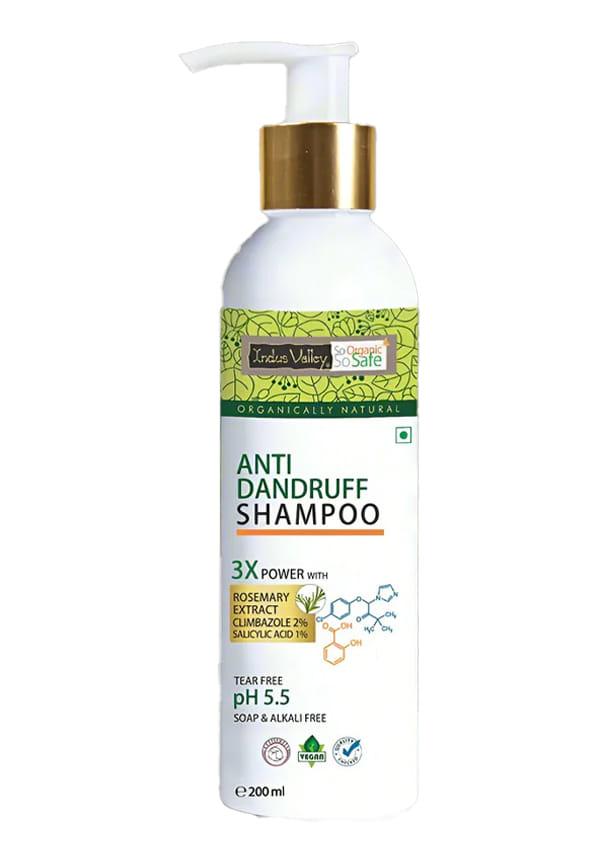 200 ml
Anti Dandruff Shampoo
Let's be real—dandruff can be proper annoying. Those white flakes showing up on your favourite black top? Not the vibe. But here's the thing about anti-dandruff shampoo: using it wrong can actually make things worse. The question isn't just which product to pick, but how often you should use anti-dandruff shampoo to get results without damaging your hair or scalp. Whether you're dealing with an itchy scalp for the first time or you've been battling flakes for ages, getting the frequency right is your secret weapon for healthier hair.
Here's what dermatologists actually recommend for dandruff shampoo frequency: start with 2-3 times per week, not daily. Sounds counterintuitive, right? But anti-dandruff ingredients like zinc pyrithione and ketoconazole need time to work their magic on your scalp without stripping away natural oils.
The science bit is actually quite fascinating. These active ingredients target the fungus that causes dandruff (hello, Malassezia), but they work gradually. Using them too often can irritate your scalp and create a cycle where you're treating the problem you're accidentally creating. Think of it like skincare—more isn't always better.
Your anti-dandruff shampoo routine should have two distinct phases. The treatment phase lasts 4-6 weeks with consistent 2-3 times weekly use. Once your dandruff is under control, you switch to maintenance mode—usually once weekly or every other week.
Real talk: the best dandruff shampoo is the one you use correctly, not necessarily the most expensive one. Consistency beats intensity every single time when it comes to dandruff treatment.
Right, let's get practical. Your initial treatment should look something like this: Monday, Wednesday, Friday with your anti-dandruff formula, and gentle shampoo on the other days if needed. This spacing gives your scalp time to respond without overwhelming it.
During those first 4-6 weeks, resist the urge to go harder if you don't see immediate results. Scalp care is a marathon, not a sprint. Your scalp needs time to reset its natural balance.
Never use anti-dandruff shampoo on consecutive days during the treatment phase. Your scalp needs recovery time between applications to avoid irritation and dryness.
Once your flakes are gone and your scalp feels comfortable, you can reduce to once weekly. Some people can stretch it to every two weeks, but this varies based on your scalp's specific needs.
Knowing how to use dandruff shampoo properly can make or break your results. It's not just about squirting some product and hoping for the best—there's actually a technique to it.
Focus on your scalp, not your hair lengths. Massage the shampoo into your scalp with your fingertips (not nails!) and let it sit for 3-5 minutes. This contact time is crucial for the active ingredients to do their thing.
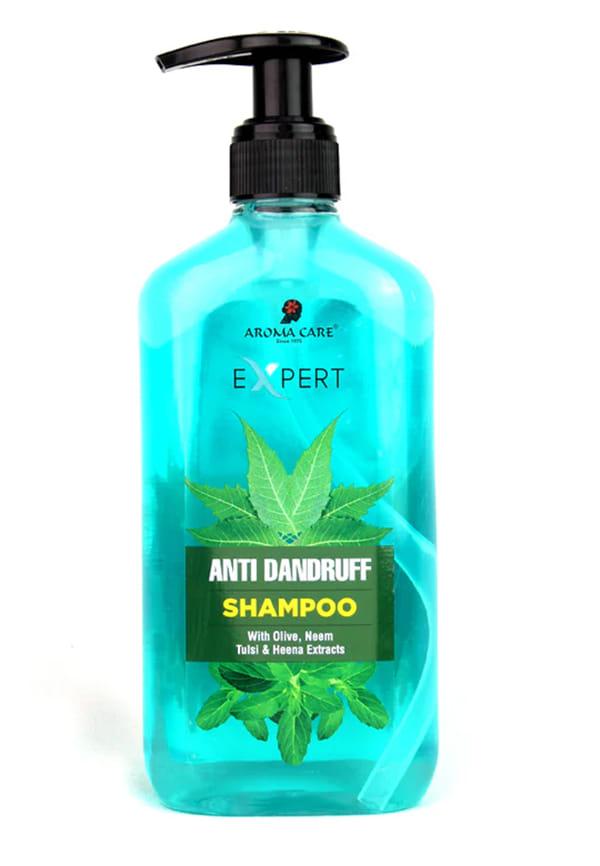 320 ml
Anti Dandruff Shampoo
Start with wet hair and apply the shampoo directly to your scalp. Work it into a gentle lather, focusing on areas where you typically see flakes. Don't forget behind your ears and the nape of your neck.
Rinse thoroughly—and we mean thoroughly. Leftover product can cause buildup and irritation. Follow with a gentle conditioner on your hair lengths only, avoiding the scalp area.
Your hair type absolutely affects how often you should use anti-dandruff shampoo. What works for your mate with fine, oily hair might be too harsh for your thick, curly locks.
This is where understanding your specific needs becomes crucial for effective haircare for dandruff. Let's break it down by hair type so you can tailor your routine properly.
If you have an oily scalp, you might be tempted to use anti-dandruff shampoo daily. Don't. Even oily scalps need balance, and overuse can trigger more oil production.
For dry hair, start with twice weekly and see how your hair responds. You might need to alternate with a moisturising shampoo to prevent further dryness.
Curly hair typically needs less frequent washing overall. Stick to twice weekly maximum and focus on gentle itchy scalp remedies between washes, like scalp oils or treatments.
Balancing dandruff control with colour protection requires a gentler approach. Look for colour-safe formulas and consider reducing frequency to twice weekly.
Not all anti-dandruff shampoos are created equal, and different types of dandruff shampoo have different recommended frequencies. Understanding these differences helps you choose the right approach for your scalp.
Each active ingredient works differently, which means their optimal usage patterns vary too. Let's break down the most common types and their ideal frequencies.
These are your standard 2-3 times weekly formulas. They're generally gentle enough for regular use and work well for most people with mild to moderate dandruff.
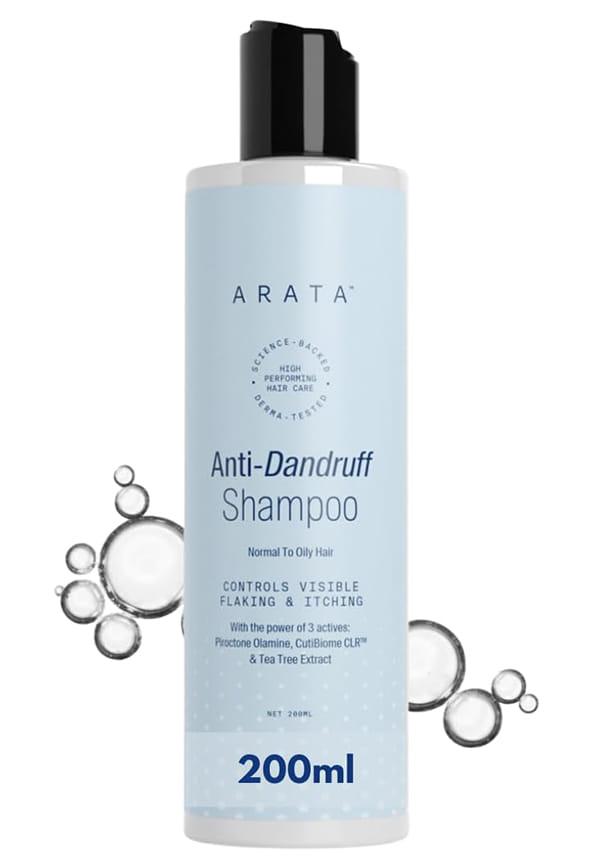 200ml
200mlAnti Dandruff Shampoo
Stronger than zinc pyrithione, these should be used twice weekly maximum. They can be quite drying, so always follow with conditioner.
Over-the-counter versions are typically used twice weekly, while prescription strength might be once or twice weekly depending on your dermatologist's advice.
Coal tar shampoos are usually once weekly affairs due to their strength. Salicylic acid formulas can often be used more frequently, sometimes even daily for short periods.
Sometimes your initial routine needs tweaking, and that's completely normal. If you're still seeing flakes after 6 weeks of consistent use, it might be time to adjust your frequency or try a different active ingredient.
On the flip side, if your scalp becomes dry, itchy, or irritated, you're probably overdoing it. Scale back to once or twice weekly and see if things improve.
Persistent flakes after 6 weeks of proper use might mean you need to bump up to 3-4 times weekly, but do this gradually and monitor your scalp's response.
If your dandruff is under control and your scalp feels healthy, you can reduce to maintenance mode. Some people only need anti-dandruff shampoo once monthly during certain seasons.
If one type stops working after a few months, try switching to a different active ingredient. Your scalp can sometimes become resistant to the same formula over time.
Let's talk about the mistakes that can sabotage your progress. The biggest one? Going too hard, too fast. Starting with daily use is like trying to solve a puzzle with a hammer—it usually makes things worse.
Another common mistake is stopping treatment as soon as the flakes disappear. Dandruff is often a chronic condition that needs ongoing management, not a one-and-done fix.
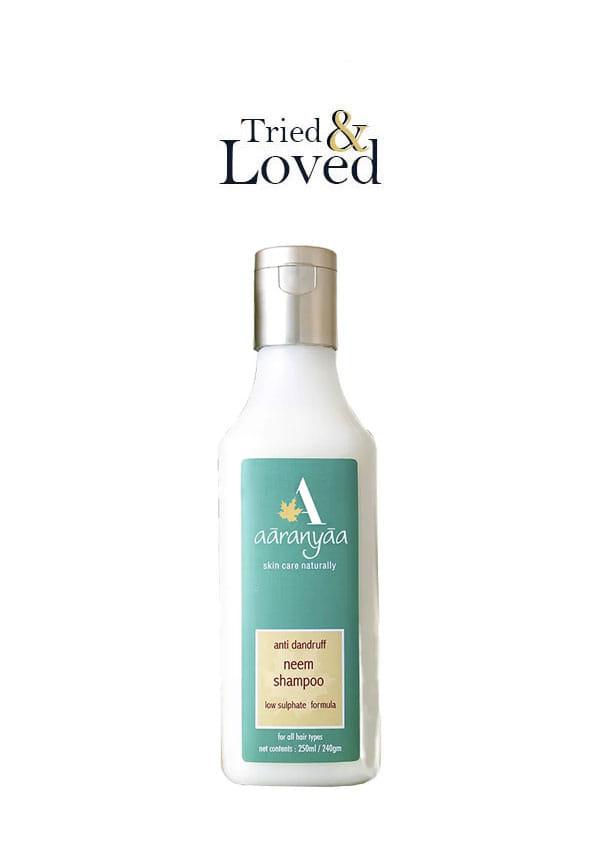 250 ml
Anti-Dandruff Shampoo
Using anti-dandruff shampoo daily can strip your scalp's natural oils, leading to irritation and potentially more flaking. Stick to the recommended frequency.
Different formulas have different contact times and frequencies. Always read the label and follow the specific instructions for your chosen product.
Just because the flakes are gone doesn't mean you should stop completely. Transition to maintenance frequency rather than abandoning your routine entirely.
Finding the right anti-dandruff routine often involves some trial and error, which is where platforms like Smytten become incredibly useful. With access to trial sizes from trusted brands, you can test different formulas and frequencies without committing to full-size products. This approach lets you discover what works for your specific scalp needs while being kind to your wallet.
If you're dealing with both dandruff and hair loss, stick to 2-3 times weekly maximum. Overuse can worsen hair loss by irritating the scalp. Consider consulting a dermatologist for a comprehensive treatment plan.
Absolutely! Use your anti-dandruff formula 2-3 times weekly and a gentle, regular shampoo on other wash days. This helps maintain scalp health without over-treating.
Generally, no. Daily use can lead to scalp irritation, dryness, and potentially worsen dandruff. Stick to the recommended 2-3 times weekly unless specifically advised otherwise by a dermatologist.
Most people see improvement within 2-4 weeks of consistent use. Complete results typically take 6-8 weeks. If you don't see any improvement after 6 weeks, consider trying a different active ingredient.
If your dandruff doesn't improve after 6-8 weeks of proper treatment, or if you experience severe itching, redness, or hair loss, it's time to see a professional. You might have a different scalp condition that needs specific treatment.
Yes, but apply conditioner only to your hair lengths, not your scalp. Some brands offer matching anti-dandruff conditioners, but regular gentle conditioner works fine too.
Getting your anti-dandruff shampoo frequency right is honestly a game-changer for your scalp health. Remember, it's not about using it every day—it's about using it consistently and correctly. Start with 2-3 times weekly, give it at least 6 weeks to work, and then adjust based on your results.
Your scalp is unique, and what works for someone else might not work for you. That's where experimenting with different formulas becomes valuable. Smytten's trial packs let you test various anti-dandruff shampoos from trusted brands without the commitment of full-size purchases. With over 1,500 brands available and the ability to try up to 8 minis for just ₹249, you can find your perfect match while earning 100% cashback for future orders. Because when it comes to solving dandruff, why settle for maybe when you can try it all?
