How Hair Reacts to Humidity: Solutions for Frizzy Hair

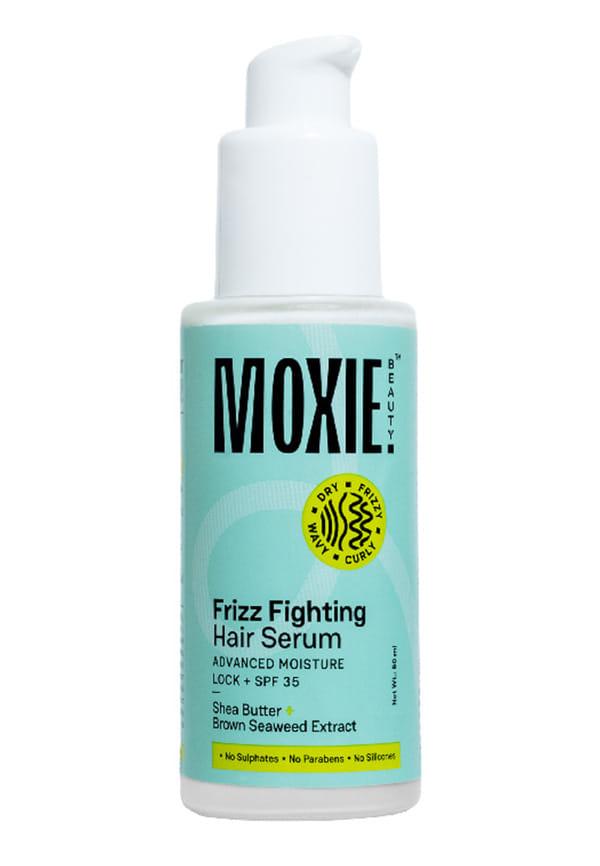
Frizz Fighting Hair Serum For Dry and Frizzy Hair
Picture this: you've just spent twenty minutes perfecting your hair, stepped outside, and within minutes your sleek style has transformed into a frizzy mess. Sound familiar? If you've ever wondered why your hair seems to have a mind of its own on humid days, you're not alone. Understanding how hair reacts to humidity is the first step to winning the battle against frizz and finally achieving hair that looks good no matter what the weather throws at you.
Let's get real about what's actually happening to your hair when humidity strikes. Your hair is made up of proteins held together by hydrogen bonds, and these bonds are surprisingly sensitive to moisture in the air. When humidity levels rise, water molecules from the air penetrate your hair shaft, causing it to swell by up to 16%. Think of your hair like a sponge – the more porous it is, the more moisture it absorbs.
The outer layer of your hair, called the cuticle, plays a huge role in how humidity affects your strands. When cuticles are damaged or naturally raised, they create tiny gaps that let moisture in more easily. This is why chemically treated, heat-damaged, or naturally porous hair tends to react more dramatically to humid conditions. The hydrogen bonds that give your hair its shape get disrupted and reformed in new positions, leading to that dreaded frizz and loss of style.
Your hair's porosity level determines just how much it will react to humidity. High porosity hair absorbs moisture quickly but also loses it just as fast, making it particularly vulnerable to humidity hair problems. Low porosity hair, on the other hand, resists moisture but once it gets in, it's harder to remove. Understanding your hair's porosity can help you choose the right products and techniques to combat humidity's effects.
Frizzy hair humidity is more than just an aesthetic issue – it's a complex chemical reaction happening on your head. When water molecules from humid air penetrate your hair shaft, they disrupt the carefully arranged hydrogen bonds that maintain your hair's smooth structure. As these bonds break and reform randomly, your hair cuticles lift, creating an uneven surface that reflects light poorly and appears frizzy.
But frizz isn't the only problem humidity brings. The increased moisture can also trigger your scalp to produce more sebum, leading to greasy roots while your ends remain dry and frizzy. This creates an unbalanced situation where you're dealing with multiple hair concerns simultaneously. Additionally, the combination of humidity and sweat can clog hair follicles, potentially affecting hair growth and scalp health.
Different hair textures experience varying degrees of humidity-related issues. Naturally curly and coily hair types often see their curl pattern become more pronounced and unruly, while straight hair might develop unexpected waves or kinks. The key is recognising that humidity affects everyone differently, and what works for your friend might not work for your hair type.
Understanding how humidity affects hair across different textures and conditions is crucial for developing an effective strategy. Fine hair tends to become limp and greasy quickly in humid conditions because it has fewer cuticle layers to protect against moisture absorption. The lightweight strands can't handle the extra water weight, leading to flat, lifeless hair that loses volume almost immediately.
Thick, coarse hair faces different challenges. While it might maintain volume better than fine hair, it's often more porous and therefore absorbs more moisture, leading to significant swelling and frizz. Curly and wavy hair types are particularly susceptible because their natural structure creates more opportunities for moisture to penetrate the hair shaft. The irregular shape of curly hair also means that moisture absorption isn't uniform, creating uneven swelling that disrupts curl patterns.
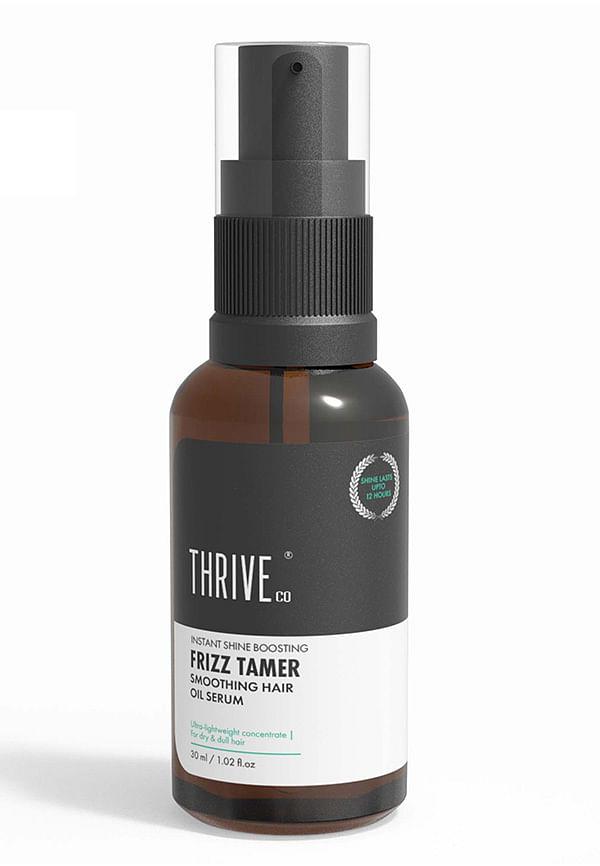
Frizz Tamer Smoothening Hair Oil
Chemically treated hair – whether coloured, permed, or relaxed – has compromised cuticles that make it especially vulnerable to humidity. The chemical processes create microscopic gaps in the hair structure, essentially turning your strands into moisture magnets. Heat-damaged hair from frequent styling also falls into this category, as the damaged cuticles can't properly regulate moisture absorption.
The sweet spot for hair health lies between 40-60% humidity. At these levels, your hair can maintain its natural moisture balance without becoming oversaturated. When humidity climbs above 70%, that's when most people start experiencing significant frizz and style disruption. Conversely, humidity below 30% can leave hair dry and brittle, creating a different set of problems including static and breakage.
The best defence against humidity hair problems starts before you even step outside. Creating a moisture barrier on your hair is essential – this means using products that form a protective film around each strand. Leave-in conditioners, hair oils, and anti-humidity serums work by creating this barrier, preventing excess moisture from penetrating your hair shaft.
Timing is everything when it comes to humidity hair tips. Apply your protective products to damp hair, as this allows them to seal in the right amount of moisture while keeping excess humidity out. The key is finding the balance – you want your hair hydrated but not oversaturated. Start with a small amount of product and build up as needed, focusing on the mid-lengths and ends where damage is typically most severe.
Your styling technique also plays a crucial role in humidity protection. Avoid over-brushing or touching your hair once it's styled, as this can disrupt the protective barrier you've created. If you must touch up your style throughout the day, use a small amount of anti-frizz serum on your hands first, then gently smooth over problem areas.
Natural humidity protection doesn't require expensive products. Silk pillowcases and hair accessories create less friction than cotton, helping maintain your style overnight. Protective hairstyles like braids, buns, or twists can also shield your hair from environmental moisture while looking chic. Natural oils like argan, coconut, or jojoba can create an effective moisture barrier when applied sparingly to damp hair.
When shopping for hair products for humid weather, look for formulations that specifically mention humidity resistance or frizz control. Leave-in conditioners with silicones create an excellent protective barrier, while lightweight hair milks provide moisture without weighing hair down. Anti-humidity sprays work particularly well for fine hair that can't handle heavier products.
Heat protectants with humidity shields serve double duty, protecting your hair from styling damage while creating a moisture barrier. Look for products containing ingredients like dimethicone, cyclomethicone, or amodimethicone – these silicones are particularly effective at repelling moisture. For those preferring silicone-free options, products with natural waxes or plant-based polymers can provide similar protection.
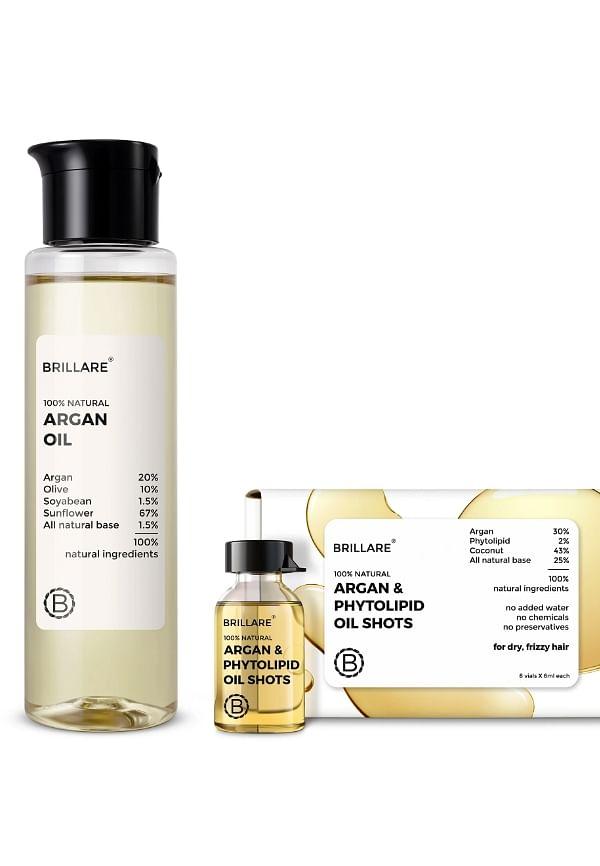
Hair Nourishing Duo for Dry & Frizzy Hair
The key to choosing effective anti frizz products lies in understanding your hair's specific needs. Damaged hair might benefit from protein-rich formulas that help rebuild the hair structure, while healthy hair might only need a light moisture barrier. Don't be afraid to layer products – a leave-in conditioner followed by a light oil or serum can provide comprehensive protection.
Proper application makes all the difference in product effectiveness. Start with clean, damp hair and apply products from mid-length to ends, avoiding the roots unless your scalp is particularly dry. Use a wide-tooth comb to distribute products evenly, then scrunch gently to encourage natural texture without creating frizz. Allow hair to air dry partially before using heat styling tools for best results.
Developing a consistent hair care humidity routine is your best defence against unpredictable weather. Start with a clarifying shampoo once a week to remove product buildup that can interfere with moisture balance. Follow with a moisturising conditioner, focusing on the ends where damage is most common. This foundation ensures your hair is properly hydrated before you add protective products.
After washing, gently squeeze excess water from your hair using a microfibre towel or cotton t-shirt. Avoid rubbing, which can roughen the cuticles and make your hair more susceptible to humidity. Apply your leave-in conditioner or humidity protection product while hair is still damp, working from ends to roots. This technique helps seal the cuticles and create an even moisture barrier.
For styling, use the lowest heat setting possible on your tools and always apply a heat protectant first. Once your style is complete, finish with a light mist of anti-humidity spray, holding the bottle at least six inches from your head. This final step helps lock in your style and provides an extra layer of protection against environmental moisture.
Throughout the day, resist the urge to touch or brush your hair excessively. If you need to refresh your style, use a small amount of serum on your palms and gently smooth over any frizzy areas. Keep a travel-size anti-frizz product in your bag for emergency touch-ups, but remember that less is often more when it comes to product application.
The most effective way to prevent humidity reactions is creating a moisture barrier with the right products. Use a leave-in conditioner or anti-humidity serum on damp hair, followed by a light oil to seal the cuticles. Avoid over-washing, which can strip natural oils and make hair more porous. Regular deep conditioning treatments also help maintain hair health and reduce humidity sensitivity.
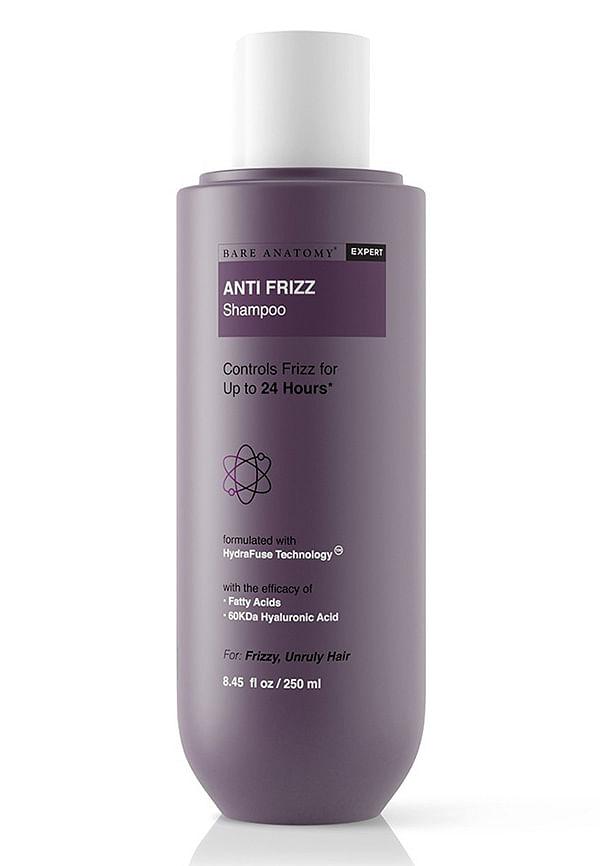
Expert Anti-Frizz Shampoo Tames Frizz For Up To 24 Hours
In humid conditions, water molecules from the air penetrate your hair shaft, causing it to swell and disrupting the hydrogen bonds that maintain your hair's structure. This leads to frizz, loss of style, and changes in texture. The cuticles lift, creating an uneven surface that appears dull and feels rough to the touch.
Humidity levels above 70% typically trigger noticeable frizz and style disruption for most hair types. While not inherently damaging, high humidity can make hair appear unruly and difficult to manage. The key is using appropriate products and techniques to create a protective barrier against excess moisture.
Look for smoothing or anti-frizz shampoos that contain moisturising ingredients without being too heavy. Sulphate-free formulas are gentler and help maintain natural oils that protect against humidity. Avoid clarifying shampoos daily, as they can strip protective oils and make hair more susceptible to moisture absorption.
Moderate humidity (40-60%) can actually benefit hair and scalp health by maintaining optimal moisture levels. However, excessive humidity combined with heat can create an environment for bacterial growth on the scalp, potentially hindering healthy hair growth. The key is maintaining balance and proper scalp hygiene.
Humidity can intensify natural curl patterns by adding moisture to the hair shaft, causing it to contract and curl more tightly. For those with naturally straight hair, humidity might create unexpected waves or kinks. The effect varies based on hair porosity, damage level, and natural texture.
Understanding how hair reacts to humidity is the foundation for achieving consistently good hair days, regardless of the weather. The key lies in recognising your hair's unique needs and developing a routine that works with, rather than against, environmental conditions. Remember that healthy hair is always more resistant to humidity damage, so investing in regular deep conditioning treatments and minimising heat damage will pay dividends in the long run.
The right combination of products, techniques, and realistic expectations can transform your relationship with humid weather. Instead of dreading those sticky summer days or unpredictable monsoon seasons, you can step out with confidence knowing your hair is properly protected. Whether you're dealing with fine hair that goes flat or thick hair that turns into a frizzy mess, there's a solution that works for your specific concerns.
Not sure which humidity-fighting products might work best for your hair type? Smytten offers trial-size versions of many anti-frizz and humidity protection products from trusted brands – a smart way to test different formulations before committing to full-size bottles. With options ranging from lightweight serums to intensive treatments, you can discover your perfect humidity-fighting routine without the guesswork.
