How Hair Follicle Works: Complete Anatomy Guide

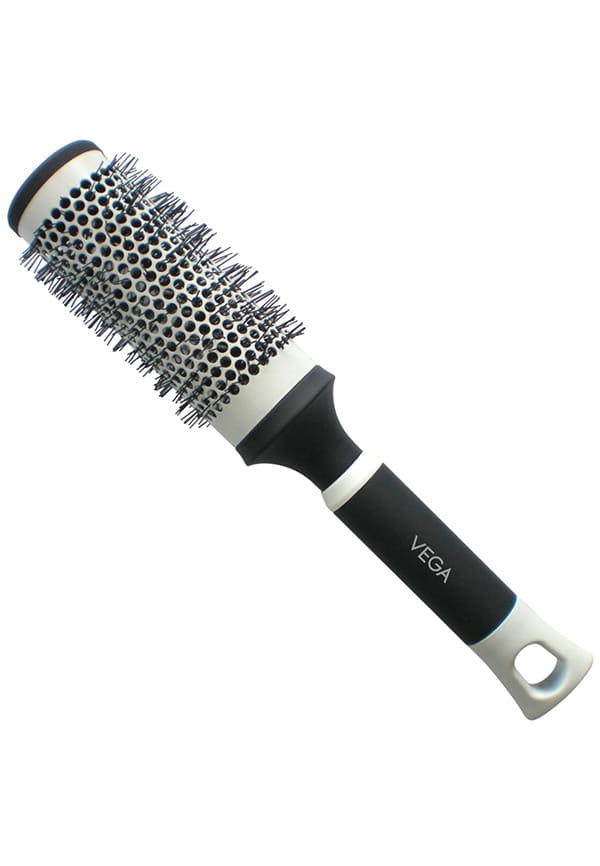 1 Unit
Hot Curl Hair Brushfor Hair Styling, Drying, Healthy Hair and Add Volume Big (H1-PR B)
Ever wondered what's actually happening beneath your scalp when your hair grows? Your hair follicles are like tiny factories working 24/7 to produce each strand. These microscopic structures are far more complex than you might think—they're complete biological systems with their own blood supply, nerve endings, and even muscle attachments. Understanding how hair follicle works isn't just fascinating science; it's the key to better haircare choices and healthier locks.
A hair follicle is essentially a tiny tube-like structure embedded in your skin that produces hair. Think of it as a sophisticated manufacturing plant that creates each strand from the ground up. The hair follicle structure extends deep into your skin, reaching from the surface down through multiple layers including the epidermis, dermis, and sometimes even into the hypodermis. Each follicle connects to sebaceous glands that produce natural oils to keep your hair moisturised. There's also a small muscle called the arrector pili attached to each follicle—this is what makes your hair stand up when you're cold or scared. Your scalp alone contains around 100,000 to 150,000 hair follicles, and here's the interesting bit: you're born with all the follicles you'll ever have. No new ones develop after birth.
The hair follicle anatomy is remarkably intricate, with each component playing a specific role in hair production and health. Let's break down this fascinating structure piece by piece.
The visible part of your hair consists of three distinct layers. The outermost cuticle acts like protective scales, overlapping to shield the inner structures. Beneath this lies the cortex, which makes up about 75% of your hair's structure and contains the keratin proteins that give hair its strength and elasticity. At the centre, some hairs have a medulla—a soft, spongy core that's often absent in fine hair.
The hair bulb sits at the very bottom of the follicle, housing the matrix cells that divide rapidly to create new hair. This bulb surrounds the dermal papilla, a small structure packed with blood vessels and nerves that essentially feeds the growing hair. The matrix cells are where the magic happens—they multiply, fill with keratin protein, and gradually push upward to form the hair shaft.
Sebaceous glands attach to each follicle, producing sebum that naturally conditions your hair and scalp. The arrector pili muscle connects to the follicle's side, contracting when you're cold or emotional. A rich network of blood vessels surrounds each follicle, delivering nutrients and oxygen essential for healthy growth. Nerve endings throughout the follicle structure make your scalp sensitive to touch and temperature changes.
Understanding how hair follicle works reveals an incredibly sophisticated biological process. Each follicle operates like a miniature factory with multiple production lines running simultaneously.
The hair follicle function begins with rapid cell division in the matrix area. These cells multiply every 12 to 72 hours—faster than almost any other cells in your body. As new cells form, they push older cells upward, and these cells gradually fill with keratin proteins. Melanocytes inject pigment into the developing hair shaft, determining your natural hair colour. The entire process produces hair growth at roughly 0.3 to 0.4 millimetres daily.
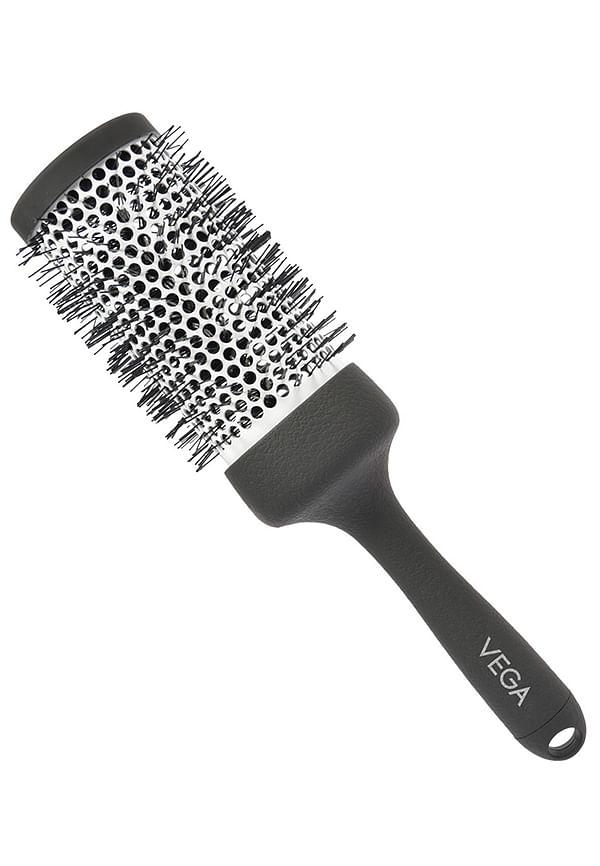 1 unit
Hot Curl Brushfor Hair Styling, Drying, Healthy Hair and Add Volume, Large (H2-PRL)
Hormones significantly influence hair follicle biology. Androgens like testosterone and DHT can either stimulate or inhibit growth depending on the follicle's location and sensitivity. Growth factors regulate the speed and quality of hair production, whilst the follicle's blood supply delivers essential nutrients like proteins, vitamins, and minerals. The system also efficiently removes waste products from the active growth process.
The hair growth cycle is perhaps the most fascinating aspect of hair follicle biology. Each follicle cycles through distinct phases throughout its lifetime, and understanding this process helps explain why hair behaves the way it does.
This active growth phase lasts between 2 to 7 years, depending on genetics and health factors. During anagen, the follicle anchors deeper into the skin, blood supply increases dramatically, and matrix cells divide rapidly. About 85-90% of your hair is in this phase at any given time. The length of your anagen phase determines how long your hair can grow—people with longer anagen phases can grow their hair much longer.
Lasting just 2 to 3 weeks, this transitional phase sees the follicle beginning to shrink. Blood supply reduces, cell division slows dramatically, and the hair shaft starts to detach from the dermal papilla. Only about 1-3% of your hair is in catagen at any time. This phase essentially prepares the follicle for its rest period.
During this 2 to 3-month dormant period, the follicle remains inactive whilst the old hair stays in place. The dermal papilla rests at the bottom of the follicle, and no new growth occurs. About 10-15% of your hair is typically in telogen. Towards the end of this phase, the follicle begins preparing for a new growth cycle.
This is when the old hair naturally releases and falls out, making room for new growth. You'll typically shed 50 to 100 hairs daily during normal exogen phases. The new anagen phase often begins before the old hair sheds completely, which is why you might notice new short hairs growing alongside longer strands.
Hair follicle development begins surprisingly early in human development, and the regenerative capacity of these structures is quite remarkable.
Hair follicles start forming around the 14th week of fetal development. Genetic programming determines follicle placement, density, and characteristics like curl pattern and thickness. By birth, all follicles are established—the pattern you're born with is what you'll have for life. Environmental factors during pregnancy can influence follicle development, affecting hair characteristics throughout life.
 1 Unit
Hot Curl Brush Big
Each follicle contains stem cells in an area called the bulge region. These stem cells enable hair follicle regeneration throughout your lifetime, allowing follicles to restart growth cycles repeatedly. However, factors like age, hormones, and damage can affect this regenerative capacity. Whilst dormant follicles can sometimes reactivate naturally, severely damaged or miniaturised follicles may lose their regenerative ability permanently.
Understanding common follicle issues helps you recognise problems early and take appropriate action to maintain healthy hair follicles.
This process occurs when follicles gradually shrink due to DHT sensitivity or other factors. The follicle produces progressively thinner, shorter hairs until it eventually stops producing visible hair altogether. Early signs include increased hair shedding, thinning areas, and shorter hair growth cycles. Prevention involves managing DHT levels, maintaining good scalp health, and using appropriate haircare products.
Folliculitis, inflammation of the hair follicles, can result from bacterial or fungal infections, irritation, or trauma. Symptoms include red bumps, itching, and sometimes pus-filled lesions around follicles. Physical trauma from tight hairstyles or aggressive brushing can damage follicle structure. Chemical damage from harsh treatments can also compromise follicle health and function.
Excess sebum, dead skin cells, and product buildup can clog follicles, leading to issues like dandruff or reduced hair quality. Environmental pollutants and styling products often contribute to blockages. Regular gentle cleansing, scalp exfoliation, and choosing appropriate products help maintain clear, healthy follicles.
Keeping your hair follicles healthy requires a comprehensive approach addressing nutrition, scalp care, and lifestyle factors. When you're exploring new haircare products to support follicle health, platforms like Smytten make it easier to try different formulations without committing to full-size purchases.
Protein intake is crucial since hair is primarily made of keratin protein. Iron, zinc, biotin, and vitamins A, C, D, and E all support healthy hair follicle function. Omega-3 fatty acids help maintain scalp health and reduce inflammation. Adequate hydration ensures proper nutrient delivery to follicles. Consider supplements if your diet lacks these essential nutrients, but consult healthcare providers first.
Gentle cleansing removes buildup without stripping natural oils or irritating follicles. Regular scalp massage improves blood circulation, potentially supporting follicle health. Avoid water that's too hot, as it can damage follicles and strip protective oils. Choose products suited to your specific scalp type and concerns—what works for others might not work for you.
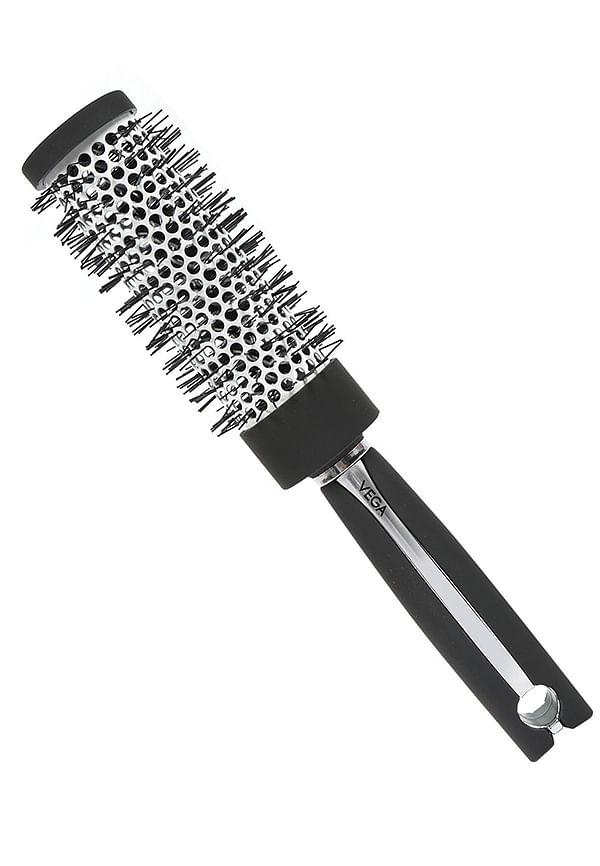
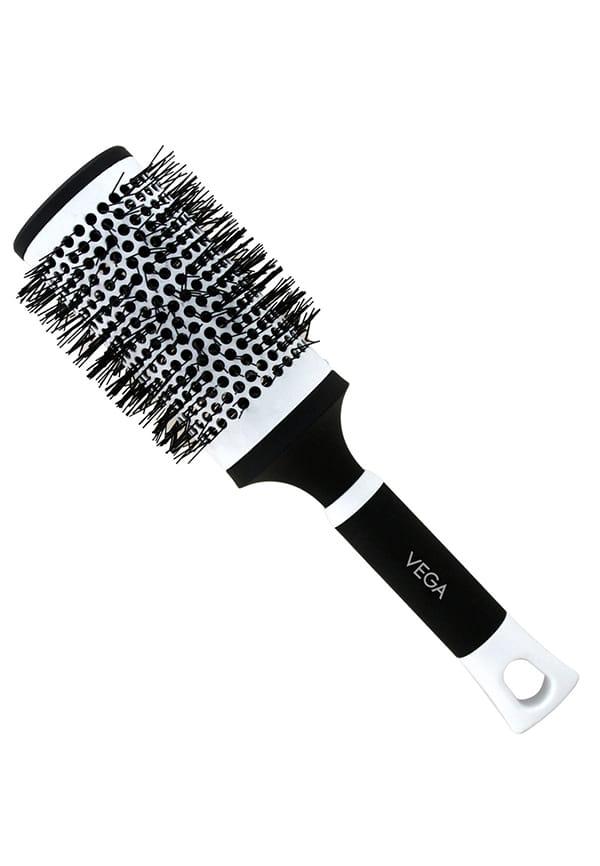 1 Unit
Hot Curl Brushfor Hair Styling, Drying, Healthy Hair and Add Volume, Large (H1-PRL)
Chronic stress can disrupt hair growth cycles and lead to increased shedding. Quality sleep supports the body's repair processes, including hair follicle regeneration. Regular exercise improves circulation, potentially benefiting follicle health. Protect your hair from environmental damage like UV rays and pollution, which can affect follicle function over time.
Hair follicles work through rapid cell division in the matrix area, where cells multiply, fill with keratin protein, and push upward to form the hair shaft. The process is supported by blood vessels delivering nutrients and hormones regulating growth speed and quality.
The complete hair growth cycle typically takes 2-7 years, depending on genetics and health factors. However, new hair growth from a follicle can begin within 2-3 months after the previous hair sheds during the natural cycle.
Hair follicles are triggered to grow by hormonal signals, adequate nutrition, proper blood circulation, and the natural cycling process. Growth factors, stem cell activation, and healthy scalp conditions all contribute to follicle activation.
Mildly damaged follicles can often recover with proper care, nutrition, and time. However, severely damaged or completely miniaturised follicles may not regenerate. Early intervention and consistent care offer the best chances for follicle recovery.
The average human scalp contains approximately 100,000 to 150,000 hair follicles. This number is determined at birth and doesn't increase throughout life, though follicles can become dormant or damaged over time.
When hair is forcibly pulled out, it can damage the follicle structure, potentially leading to scarring or permanent damage. However, if the follicle isn't severely damaged, it can usually regenerate and produce new hair within a few months.
Understanding how hair follicle works gives you the knowledge to make better haircare decisions and maintain healthier hair throughout your life. These remarkable structures are constantly working to produce your hair, cycling through growth phases and responding to your overall health and care routine. Remember that healthy hair follicles require consistent care, proper nutrition, and patience. What works for your friend might not work for you, since follicle behaviour varies based on genetics, hormones, and individual factors. When exploring new products to support your hair follicle health, Smytten's trial platform lets you test different formulations from trusted brands before committing to full sizes. With over 1,500 brands available and the ability to try up to 8 minis for just ₹249, you can discover what truly works for your unique hair needs without the guesswork. After all, why settle for 'maybe' when you can try it all and find what keeps your follicles—and your hair—truly thriving?
