How Dandruff Flakes Develop: Understanding Root Causes

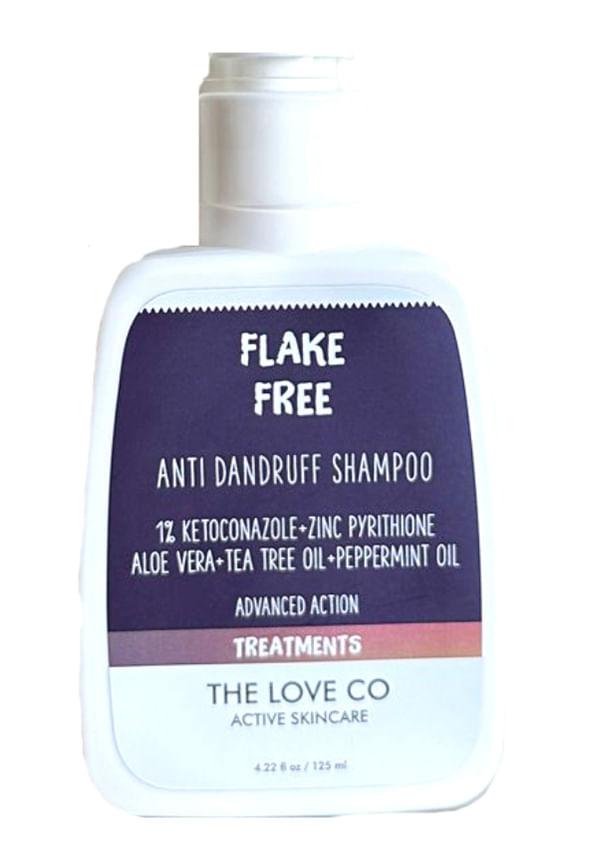 125 ml
Anti Dandruff Shampoo - Flake Free - 125ml
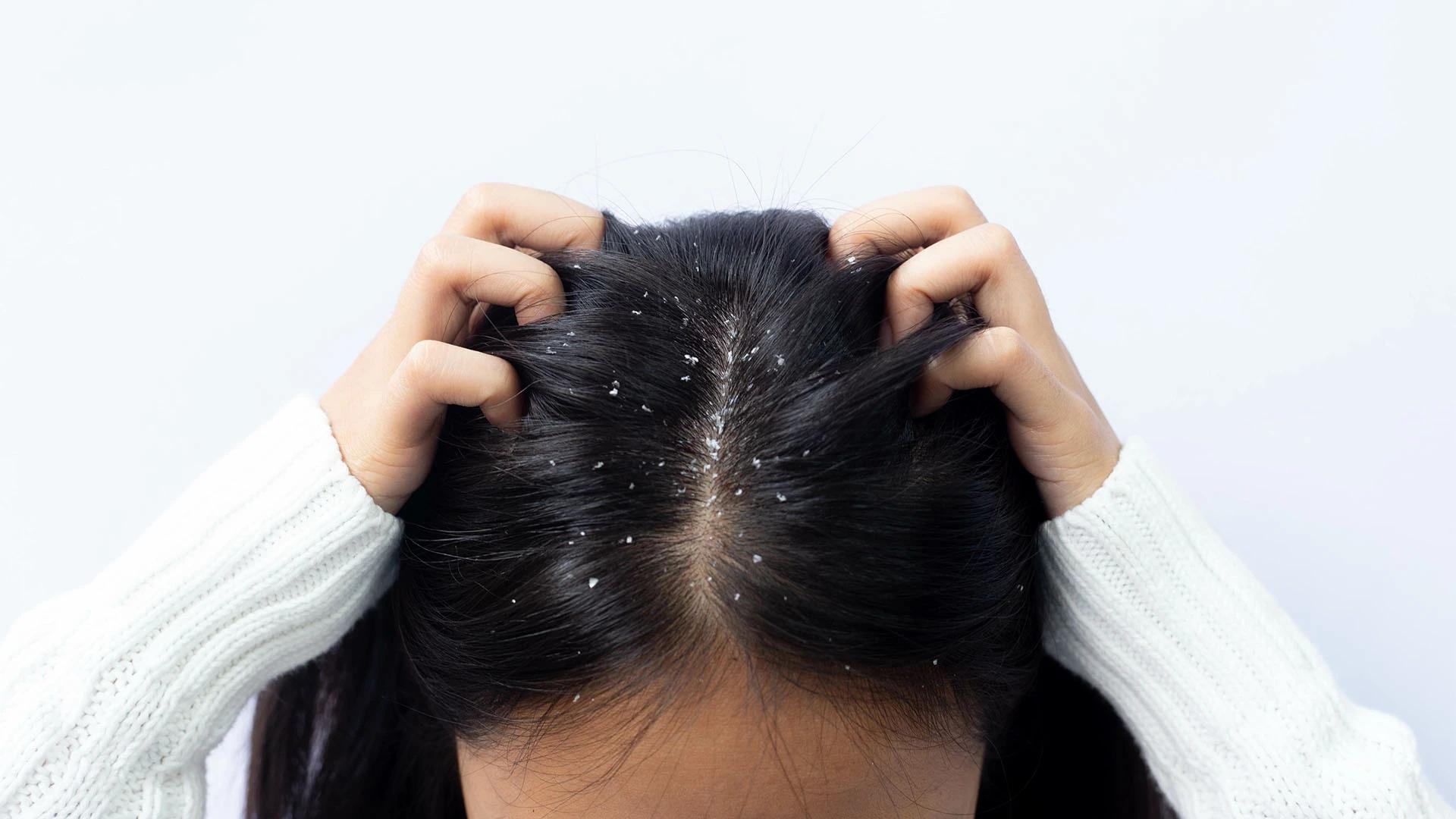
Those white flakes on your shoulders aren't just embarrassing—they're your scalp's way of telling you something's up. Understanding the causes of dandruff flakes is the first step to getting your scalp back on track. Let's dive into the science behind why these pesky flakes form and what you can actually do about them. Real talk, once you know what's happening up there, dealing with dandruff becomes way less mysterious and much more manageable.
Dandruff flakes aren't just random bits of dead skin—there's actually a whole process behind their formation. Your scalp naturally sheds skin cells every 28 days or so, but when you've got dandruff, this process goes into overdrive. Instead of invisible, microscopic shedding, you get those visible white or yellowish flakes that love to make an appearance on your favourite dark tops. The causes of dandruff flakes start with your scalp's natural renewal process getting disrupted. When everything's working normally, old skin cells shed gradually and you never notice them. But with dandruff, cells clump together and shed in larger, more noticeable chunks. These flakes can be dry and small, or oily and larger, depending on what's triggering your particular scalp situation. Different types of dandruff produce different kinds of flakes. Dry dandruff creates small, white flakes that fall easily from your hair. Oily dandruff produces larger, yellowish flakes that tend to stick to your scalp and hair. The formation cycle typically takes about two weeks from initial irritation to visible flakes, which is why consistent treatment is key to breaking the pattern.
Here's where things get interesting—the main villain behind most dandruff cases is actually a fungus that lives on everyone's scalp. Malassezia globosa is a naturally occurring microbe that feeds on the oils your scalp produces. For most people, this little guy minds its own business, but for others, it becomes the root of all flaky evil. This fungus breaks down sebum (your scalp's natural oil) into oleic acid. If you're sensitive to oleic acid, your scalp gets irritated and starts shedding cells faster than usual. It's basically your scalp throwing a tantrum because it doesn't like what the fungus is serving up. This inflammatory response is one of the key dandruff causes that dermatologists focus on when treating persistent flaking. What makes some people more prone to Malassezia overgrowth? Your genetics play a role, but so do factors like stress, hormonal changes, and even the weather. Oily scalps provide more food for the fungus, which is why people with naturally greasy hair often struggle more with dandruff. The fungus also thrives in warm, humid conditions, explaining why some people notice their dandruff gets worse in certain seasons.
Whilst Malassezia is the usual suspect, several medical conditions can also trigger flaky scalp issues. Understanding these different scalp conditions helps you figure out whether you're dealing with simple dandruff or something that needs more targeted treatment.
Seborrheic dermatitis is basically dandruff's more intense cousin. Whilst regular dandruff mainly affects your scalp, seborrheic dermatitis can spread to your eyebrows, sides of your nose, and even your chest. The flakes tend to be larger, more oily, and often come with redness and inflammation that simple dandruff doesn't usually cause. The key difference lies in severity and spread. Simple dandruff stays put on your scalp and responds well to over-the-counter treatments. Seborrheic dermatitis is more persistent, covers more ground, and often needs prescription treatments to get under control.
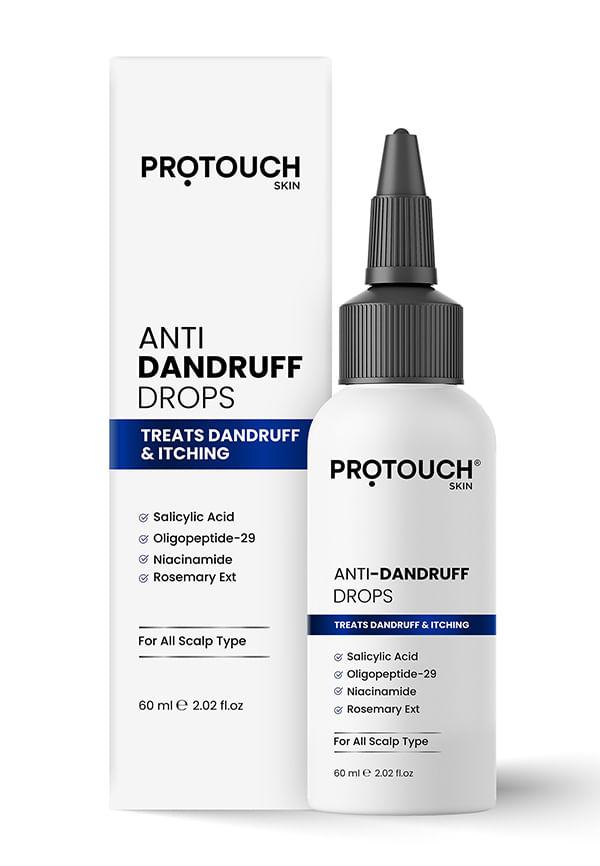 60 ml
60 mlSKIN Anti Dandruff Drops Serum Soothes Itchy, Inflamed Scalp
Psoriasis can also masquerade as dandruff, but its flakes are typically thicker and more silvery. Contact dermatitis from hair products creates flaking along with itching and redness, usually appearing after you've started using a new product. These are important itchy scalp causes that often get mistaken for regular dandruff. Dry scalp flakes are different from oily dandruff flakes—they're usually smaller, whiter, and your scalp feels tight rather than greasy. This happens when your scalp doesn't produce enough oil, often due to over-washing or using harsh products.
Your daily habits and environment play a massive role in dandruff development. Understanding these dandruff causes helps you make changes that actually make a difference to your scalp health.
Stress is a major trigger that many people don't realise affects their scalp. When you're stressed, your body produces more cortisol, which can disrupt your scalp's natural balance and make you more prone to flaking. Hormonal changes during puberty, pregnancy, or menopause can also trigger dandruff by affecting oil production. Nutritional deficiencies, particularly zinc, B vitamins, and essential fatty acids, can contribute to scalp problems. Your scalp needs proper nutrition to maintain healthy cell turnover, and when you're lacking key nutrients, things can go wonky up there.
Cold, dry weather is notorious for triggering dry scalp flakes. Indoor heating strips moisture from the air, leaving your scalp parched and prone to flaking. On the flip side, hot, humid weather can increase oil production and create the perfect environment for Malassezia to thrive. Your washing routine matters more than you might think. Over-washing strips your scalp of natural oils, triggering it to produce more oil to compensate. Under-washing allows oil and dead skin cells to build up, creating the perfect breeding ground for fungus and bacteria.
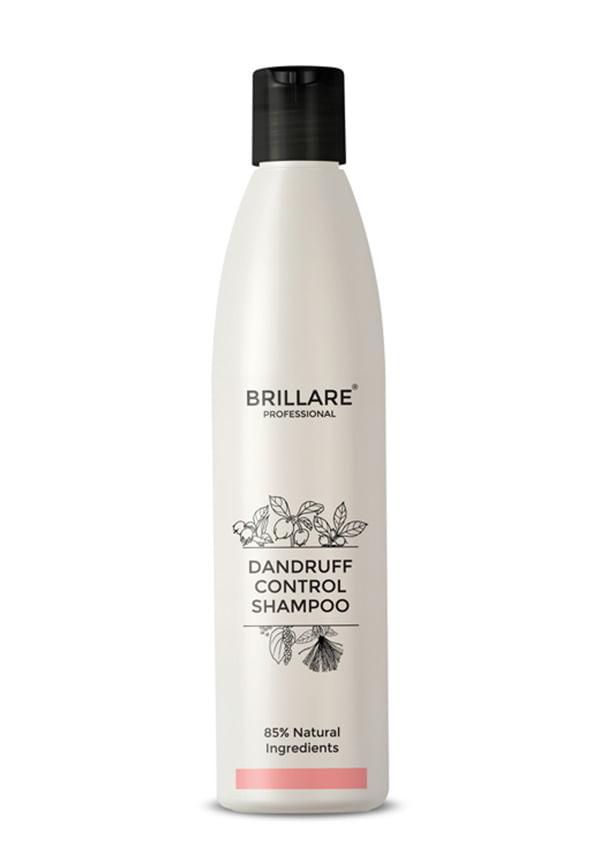 300 ml
Dandruff Control Shampoo For Itchy, Flaky Scalp
Now for the good stuff—what actually works for dandruff treatment. The key is understanding that different ingredients target different causes, so finding the right approach for your specific situation is crucial.
Zinc pyrithione is probably the most common anti-dandruff ingredient you'll find. It works by slowing down the production of skin cells and has antifungal properties that help control Malassezia. It's gentle enough for regular use and works well for mild to moderate dandruff. Ketoconazole is the heavy hitter for fungal control. It's particularly effective against stubborn dandruff that doesn't respond to other treatments. Selenium sulfide helps slow down cell turnover and has antifungal properties, whilst coal tar and salicylic acid are better for more severe cases where you need to remove built-up flakes.
Tea tree oil has natural antifungal properties that can help control Malassezia overgrowth. Look for shampoos with 5% tea tree oil, or add a few drops to your regular shampoo. Coconut oil can help moisturise a dry scalp, though it might make oily dandruff worse. Apple cider vinegar helps balance your scalp's pH and has antimicrobial properties. Dilute it with water before applying to avoid irritation. Aloe vera soothes inflammation and can help calm an irritated scalp.
Getting your washing routine right is crucial for managing dandruff effectively. These haircare tips for dandruff can make a real difference to your scalp health and help prevent flakes from coming back. For oily scalps prone to dandruff, washing every other day with an anti-dandruff shampoo works best. If you have a dry scalp, limit washing to twice a week and focus on gentle, moisturising formulas. The key is finding the sweet spot where you're removing excess oil and flakes without over-drying your scalp. When shampooing, focus on your scalp rather than your hair lengths. Massage the shampoo in gently with your fingertips (not your nails) and let it sit for a few minutes before rinsing. This gives the active ingredients time to work their magic. Rotating between different anti-dandruff formulas can prevent your scalp from getting used to one ingredient. Use a zinc pyrithione shampoo for a few weeks, then switch to a ketoconazole formula. This approach, combined with the right products, can be part of effective flaky scalp remedies. Regular scalp massage improves circulation and helps distribute natural oils. It also helps loosen flakes before washing, making your shampoo more effective. Just remember to be gentle—aggressive scrubbing can irritate your scalp and make dandruff worse. With so many anti-dandruff products available, finding the right one for your specific scalp needs can feel overwhelming. This is where Smytten comes in handy—as India's largest product discovery platform, you can try mini versions of different anti-dandruff shampoos from trusted brands before committing to full-size purchases. With over 1,500 brands available and the ability to get up to 8 minis for just ₹249, you can experiment with different formulations to find what works best for your scalp without the financial risk.
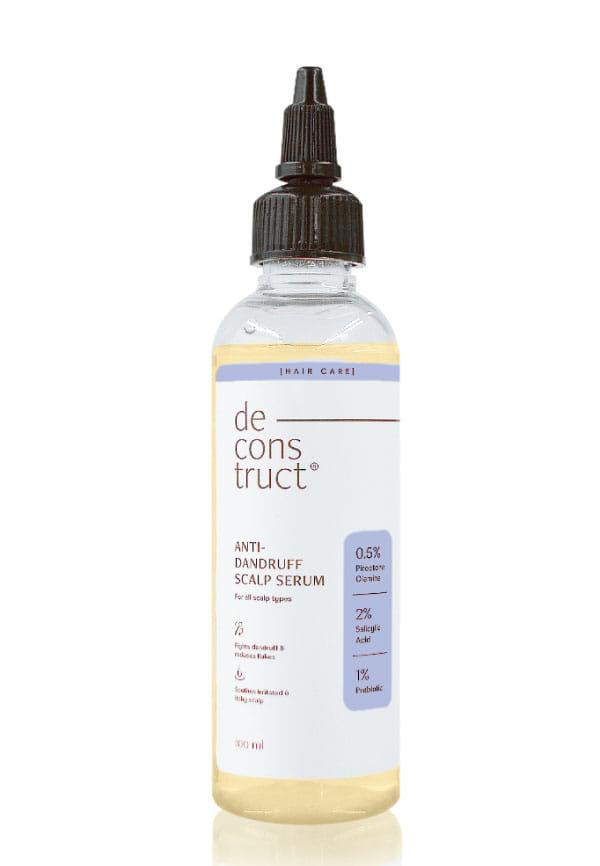 100 ml
Anti-Dandruff Scalp Serum - 0.5% Piroctone Olamine + 2% Salicylic Acid + 1% Prebiotic
Start with a gentle anti-dandruff shampoo containing zinc pyrithione or ketoconazole. Use it 2-3 times per week initially, then reduce frequency as your scalp improves. Avoid harsh scrubbing and stick to lukewarm water when washing.
Most dandruff is caused by sensitivity to Malassezia fungus, which naturally lives on your scalp. Factors like stress, hormonal changes, cold weather, and certain hair products can trigger or worsen flaking.
Whilst you can't cure dandruff permanently, you can manage it effectively with the right products and routine. Consistent use of anti-dandruff treatments, proper scalp hygiene, and avoiding triggers usually keep flakes under control.
Tea tree oil has the strongest antifungal properties against dandruff-causing fungus. Coconut oil can help with dry scalp conditions, but might worsen oily dandruff. Always dilute essential oils before applying to your scalp.
Dandruff is typically a chronic condition that requires ongoing management rather than a one-time cure. However, with proper treatment and scalp care, most people can keep it completely under control.
Understanding the causes of dandruff flakes is your first step towards a healthier scalp. Whether it's Malassezia fungus, seborrheic dermatitis, or environmental factors triggering your flakes, there are proven treatments that can help. The key is finding the right approach for your specific scalp type and sticking with it consistently. Remember, managing dandruff is about finding what works for your unique scalp situation. What clears up your mate's dandruff might not work for you, and that's completely normal. With platforms like Smytten, you can explore different anti-dandruff solutions from over 1,500 trusted brands without the commitment of full-size purchases. After all, why settle for a flaky scalp when you can try different treatments and find your perfect match?
