Home Itchy Scalp FAQ: Common Questions Answered


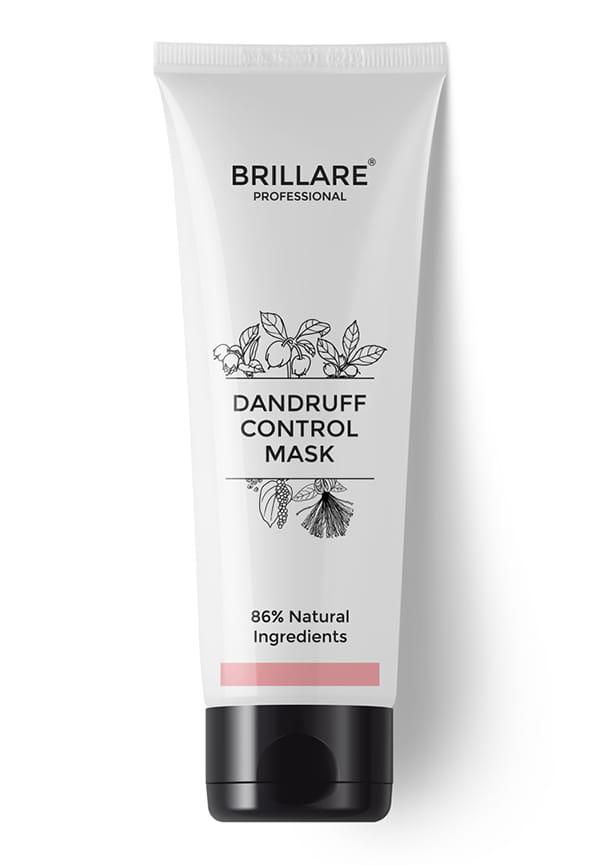
Conditioner For Itchy, Flaky Scalp
Ever found yourself scratching your head while working from home, wondering why your scalp feels like it's on fire? You're definitely not alone. That persistent itch can turn even the most productive day into a distraction-filled nightmare. Whether it's the dry winter air from your heater, stress from back-to-back video calls, or just product buildup from skipping a few wash days, an itchy scalp at home is more common than you'd think. The good news? Most scalp irritation can be sorted with the right approach and some simple tweaks to your routine.
Let's be real—your home environment might be working against your scalp health without you even realising it. From the air you breathe to the water you wash with, several factors can trigger that annoying itch.
Your heating system could be the silent culprit behind your dry scalp treatment needs. Central heating and air conditioning strip moisture from the air, leaving your scalp parched and irritated. Hard water with high mineral content can also leave residue that clogs pores and causes scalp inflammation. Even something as simple as sleeping on rough pillowcases can create friction that leads to irritation.
That quick rinse you do when you're running late? It might not be cutting it. Shampoo and conditioner residue can accumulate on your scalp, creating the perfect environment for bacteria and fungus to thrive. This buildup often leads to itchy scalp causes that seem to appear out of nowhere. Poor rinsing technique, especially around the hairline and crown, is a major contributor to ongoing scalp irritation relief needs.
Working from home has its perks, but stress-induced scalp issues aren't one of them. Chronic stress triggers inflammation throughout your body, including your scalp. This can worsen existing conditions like seborrheic dermatitis scalp issues or even create new sensitive scalp care concerns. The constant tension from staring at screens can also reduce blood flow to your scalp, affecting overall scalp health.
Your kitchen habits might be influencing your scalp more than you think. Diets high in sugar and processed foods can trigger inflammatory responses that show up as scalp irritation. Dehydration from not drinking enough water throughout your work-from-home day also affects scalp moisture levels, contributing to dryness and itching.
When your scalp is driving you mad and you need relief fast, these quick fixes can provide immediate comfort while you work on longer-term solutions.
Cold therapy works wonders for scalp irritation relief. Wrap a few ice cubes in a clean cloth and gently press against the itchiest areas for 10-15 minutes. Aloe vera gel straight from the fridge provides both cooling and anti-inflammatory benefits. Apply a thin layer directly to your scalp and leave it on for 20 minutes before rinsing with cool water.
An apple cider vinegar rinse can provide instant relief from itchy scalp remedies. Mix one part ACV with three parts cool water and pour it over your scalp after shampooing. The acidic nature helps restore your scalp's pH balance and removes any lingering product buildup. Cool water rinses alone can also help close hair cuticles and reduce inflammation.
Light scalp massage with clean fingertips can stimulate blood flow and provide temporary relief. Use circular motions and avoid scratching with your nails, which can worsen irritation. A few drops of diluted peppermint oil can add a cooling sensation that helps distract from the itch.
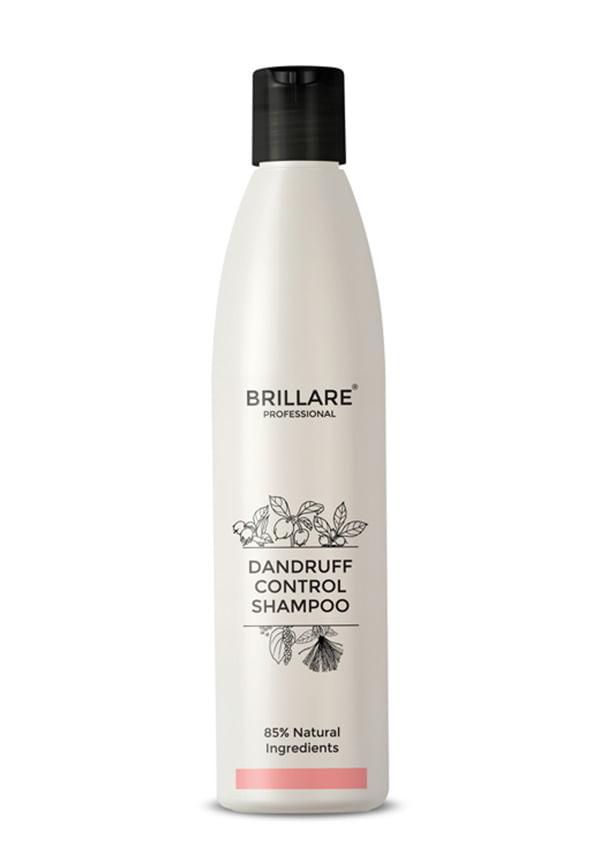
Dandruff Control Shampoo For Itchy, Flaky Scalp
Resist the urge to scratch aggressively—this only creates more inflammation and can lead to infection. Avoid hot water, which strips natural oils and worsens dryness. Don't pile on heavy oils or treatments when your scalp is already irritated, as this can clog pores and make things worse.
These tried-and-tested remedies use ingredients you probably already have at home, making them perfect for immediate relief and ongoing scalp care.
Apple cider vinegar is your scalp's best friend when it comes to itchy scalp remedies. Create a rinse using two tablespoons of ACV in a cup of water. Use this once or twice a week after shampooing to maintain scalp pH and prevent buildup. Coconut oil works brilliantly for dry scalp treatment—warm a small amount between your palms and massage into your scalp before bed. Wash it out in the morning with a gentle shampoo.
Baking soda acts as a natural exfoliant that removes dead skin cells and product buildup. Mix one tablespoon with enough water to form a paste, gently massage into wet scalp, and rinse thoroughly. Lemon juice helps balance scalp pH and has antifungal properties. Mix fresh lemon juice with equal parts water and apply to your scalp for 10 minutes before washing.
Tea tree oil is a powerhouse for treating fungal issues that cause itching. Always dilute it—add 5-10 drops to a tablespoon of carrier oil like coconut or jojoba. Peppermint oil provides immediate cooling relief and improves blood circulation. Use the same dilution ratio and massage gently into your scalp. Never apply essential oils directly to your skin without diluting them first.
Fresh aloe vera gel soothes inflammation and provides deep moisture for dry scalp treatment. Apply directly from the plant or use pure aloe gel, leaving it on for 30 minutes before rinsing. Olive oil overnight treatments work well for severely dry scalps—apply warm oil to your scalp, cover with a shower cap, and wash out in the morning. A honey and oatmeal mask combines antimicrobial properties with gentle exfoliation—blend equal parts and apply to damp scalp for 15 minutes.
Different scalp conditions require tailored approaches. Understanding what you're dealing with helps you choose the most effective treatment strategy.
Dandruff solutions often involve antifungal ingredients that target the yeast responsible for flaking. Tea tree oil shampoos used twice weekly can significantly reduce dandruff symptoms. Zinc pyrithione, found in many anti-dandruff shampoos, helps control the fungal overgrowth. For home treatment, try a weekly apple cider vinegar rinse to maintain scalp balance and prevent flare-ups.
Seborrheic dermatitis scalp care requires gentle, consistent treatment. This inflammatory condition responds well to anti-inflammatory ingredients like aloe vera and chamomile. Avoid harsh scrubbing and opt for gentle, fragrance-free products. Coal tar shampoos can help during flare-ups, but use them sparingly as they can be drying.
Scalp psoriasis benefits from treatments that soften scales and reduce inflammation. Coconut oil or olive oil treatments help loosen scales before gentle removal. Salicylic acid-containing products can help with scale removal, but start slowly to avoid irritation. UV light exposure in moderation can also help, but always protect your skin from burning.
Sensitive scalp care requires a minimalist approach. Stick to fragrance-free, hypoallergenic products and avoid sulfates and harsh detergents. Patch test any new products on a small area first. Cool water washes and gentle, minimal manipulation help prevent triggering sensitivity reactions.
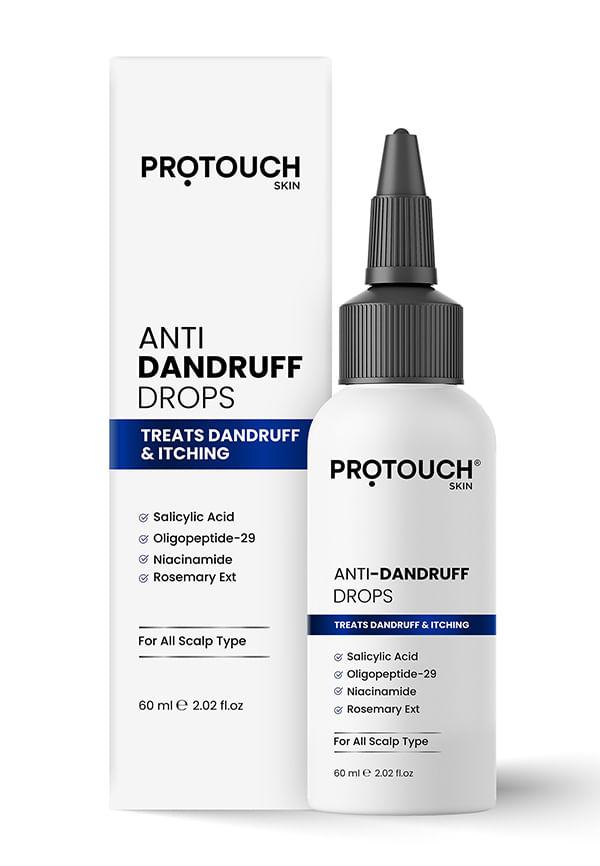
SKIN Anti Dandruff Drops Serum Soothes Itchy, Inflamed Scalp
Prevention is always better than cure when it comes to scalp health. Building the right routine can keep irritation at bay and maintain a healthy scalp environment.
Haircare for itchy scalp starts with finding your ideal washing frequency. Oily scalps might need daily washing, while dry scalps do better with 2-3 times per week. Use lukewarm water and focus shampoo on your scalp, not your hair lengths. Rinse thoroughly—spend at least double the time rinsing as you do shampooing.
Choose products specifically formulated for sensitive or problematic scalps. Look for ingredients like niacinamide, zinc, and ceramides that support scalp barrier function. Avoid sulfates, parabens, and artificial fragrances if you're prone to scalp inflammation. Rotate between different gentle shampoos to prevent your scalp from becoming too accustomed to one formula.
Pat your scalp dry with a clean, soft towel instead of rubbing vigorously. Use the cool setting on your hair dryer and keep it moving to avoid concentrating heat on one area. Air drying is ideal when possible, as it's the gentlest option for sensitive scalps.
Incorporate a weekly scalp treatment into your routine. This could be an oil treatment, a clarifying rinse, or a gentle exfoliating treatment depending on your specific needs. Consistency is key—regular maintenance prevents issues from building up.
While home treatments work for many scalp issues, some situations require professional intervention. Knowing when to seek help can prevent minor problems from becoming major concerns.
Seek medical attention if you experience severe pain, pus-filled bumps, or widespread redness and swelling. Fever accompanying scalp symptoms could indicate a serious infection. If your scalp bleeds from scratching or develops open sores, professional treatment is necessary.
When itching is accompanied by noticeable hair loss, it's time to consult a dermatologist. This combination could indicate conditions like alopecia areata, trichotillomania, or severe inflammatory conditions that require prescription treatments.
If you've tried consistent home treatment for 4-6 weeks without improvement, professional evaluation is warranted. Persistent symptoms might indicate underlying conditions that need prescription medications or specialised treatments.
Keep a symptom diary to share with your healthcare provider. Note what treatments you've tried, how long you used them, and any changes you observed. This information helps professionals make more accurate diagnoses and treatment recommendations.
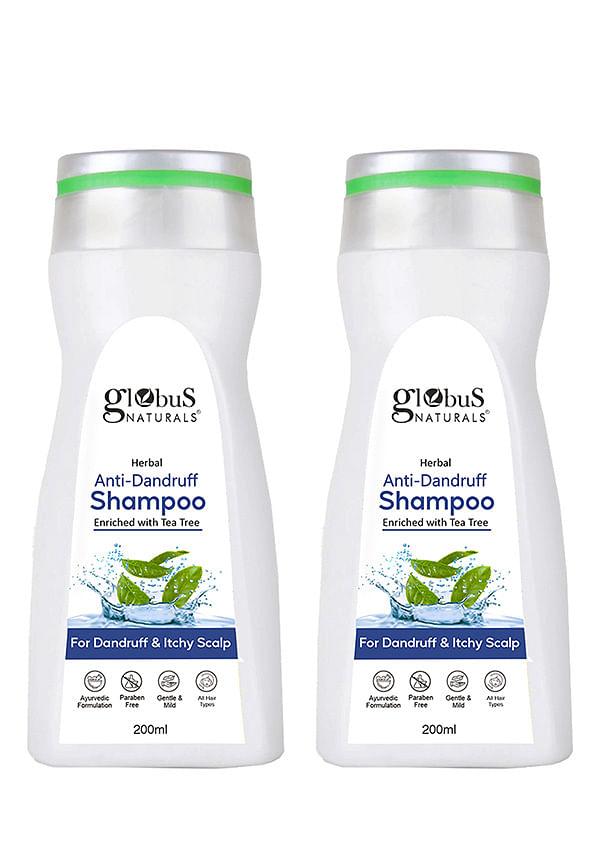
Anti Dandruff Shampoo, For Dandruff and Itchy Scalp
For immediate relief, try aloe vera gel, diluted tea tree oil, or a cool apple cider vinegar rinse. Coconut oil works well for dry scalp treatment, while peppermint oil provides cooling relief. Always patch test first and avoid scratching, which can worsen irritation.
Identify and avoid your triggers—this might mean switching to gentler products, washing more or less frequently, or managing stress levels. Keep your nails short to prevent damage from scratching, and try distraction techniques like scalp massage when you feel the urge to scratch.
Yes, coconut oil can be effective for itchy scalp remedies, especially when dryness is the cause. Its antimicrobial and moisturising properties help soothe irritation. Apply warm coconut oil to your scalp, leave for 30 minutes to overnight, then wash out with gentle shampoo. Use 2-3 times per week for best results.
DHT (dihydrotestosterone) can contribute to scalp sensitivity and inflammation in some people, particularly those with androgenetic alopecia. The hormone can affect sebum production and scalp health, potentially leading to itching and irritation alongside hair thinning.
Permanent relief requires identifying and addressing the root cause. This might involve changing your haircare routine, managing underlying conditions like seborrheic dermatitis scalp issues, or addressing lifestyle factors like stress and diet. Consistent gentle care and avoiding triggers usually provides long-term relief.
Home environments can trigger itchy scalp causes through dry air from heating systems, hard water, stress from work-from-home routines, or product buildup from irregular washing schedules. Environmental allergens like dust mites or new cleaning products might also be contributing factors.
Deficiencies in zinc, B vitamins (especially biotin and B12), and essential fatty acids can contribute to scalp irritation relief needs. Iron deficiency and dehydration also affect scalp health. A balanced diet with adequate nutrients supports overall scalp wellness.
Absolutely. Stress triggers inflammation throughout your body, including your scalp, and can worsen conditions like seborrheic dermatitis scalp problems. Stress also affects your immune system and can disrupt your normal haircare routine, both of which contribute to scalp issues.
Dealing with a home itchy scalp doesn't have to be a constant battle. Most scalp irritation responds well to gentle, consistent care using simple ingredients you likely already have. The key is identifying what's triggering your specific situation—whether it's environmental factors, product buildup, stress, or an underlying condition—and addressing it systematically.
Remember that scalp health is an ongoing process, not a quick fix. Building a routine that works for your specific needs and sticking with it consistently will give you the best long-term results. Don't be afraid to experiment with different approaches, but give each method enough time to work before moving on to something else.
If you're looking to explore different scalp care products without committing to full sizes, Smytten offers trial-size versions of many scalp treatments and gentle shampoos from trusted brands. It's a smart way to test what works for your specific scalp needs before investing in larger bottles—because finding your perfect scalp care routine shouldn't involve guesswork.
