Hair Mask for Frizz FAQ: Your Frizzy Hair Questions Answered

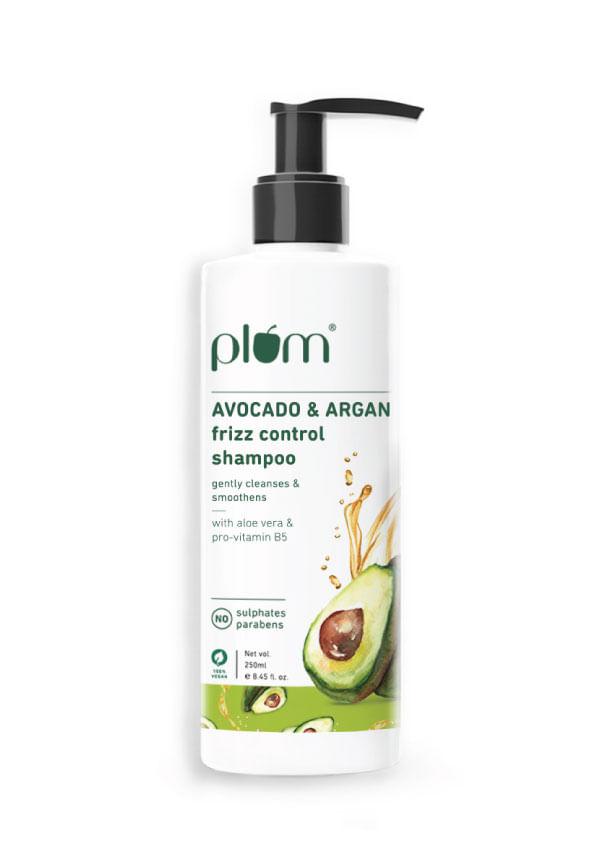
Avocado & Argan Frizz Control Shampoo For Curly, Wavy, Frizzy Hair
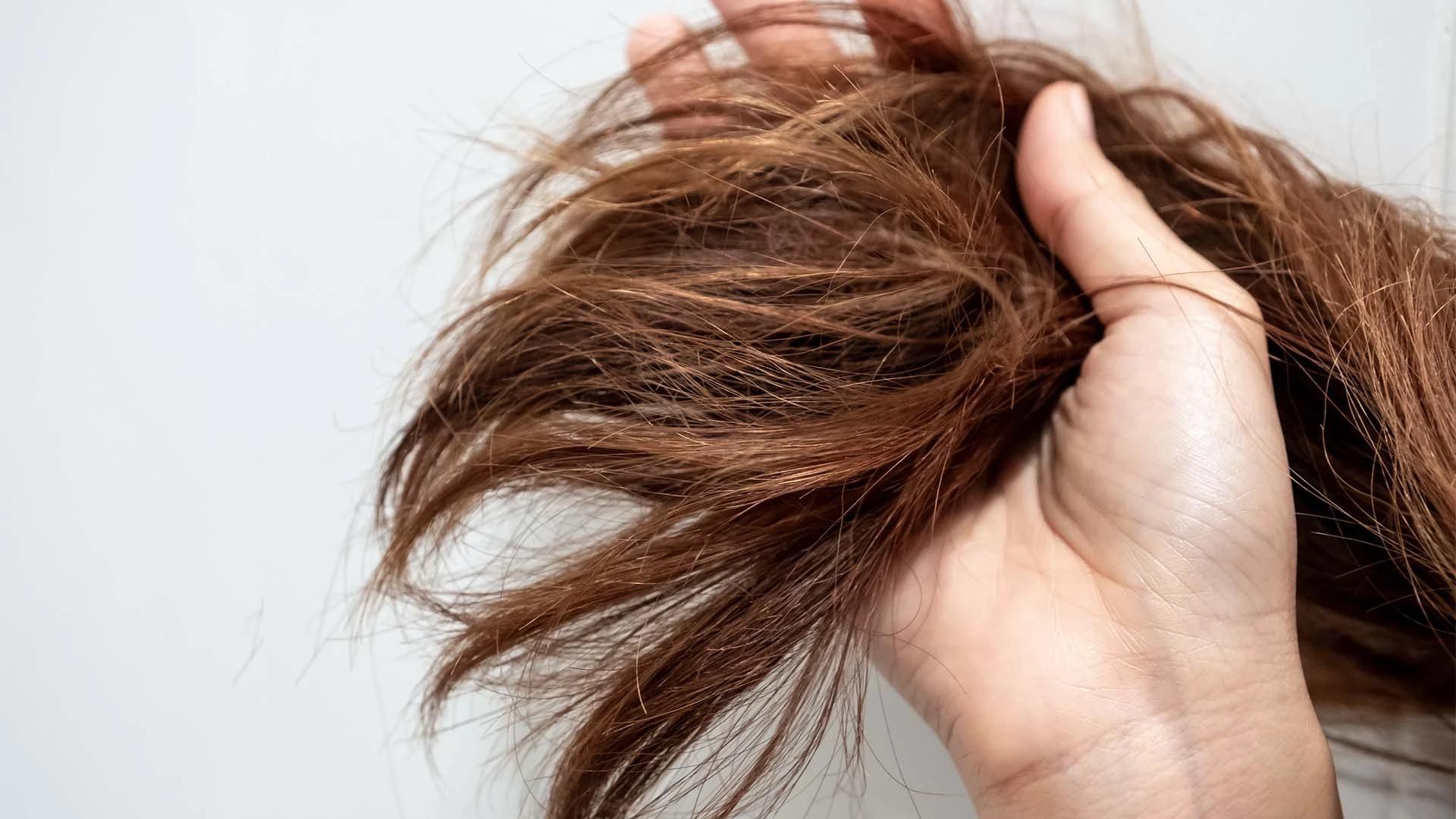
You know that moment when you catch your reflection and your hair looks like you've been wrestling with a hairdryer all morning? Yeah, we've all been there. Frizzy hair has this magical ability to turn a good hair day into a 'throw it in a bun and hope for the best' situation. But here's the thing – hair masks might just be the game-changer you've been looking for. Whether you're dealing with humidity-induced chaos or damage from years of heat styling, the right hair mask for frizz can seriously transform your hair game. Let's dive into all those burning questions you've got about taming that mane.
Real talk – understanding why your hair goes rogue is the first step to fixing it. Frizz happens when your hair cuticles (those tiny scales on each strand) get damaged or lifted, letting moisture escape and humidity sneak in. It's like your hair is constantly having a bad reaction to the weather, chemical treatments, or that flat iron you can't live without.
Your hair cuticles are meant to lie flat, creating a smooth surface that reflects light and feels silky. When they're damaged – whether from heat styling, chemical processing, or just genetics being unkind – they lift up like tiny umbrellas. This creates that rough, frizzy texture that catches light all wrong and feels like straw. Environmental factors like humidity make it worse because damaged cuticles absorb moisture from the air, causing your hair to swell and get even frizzier.
This is where hair mask benefits really shine. Think of a good hair mask as intensive therapy for your strands. These treatments work deeper than your regular conditioner, delivering concentrated moisture and nutrients that help smooth down those lifted cuticles. A quality deep conditioner for frizz doesn't just coat your hair – it actually penetrates the shaft to repair damage from the inside out. The result? Hair that's more resistant to humidity and way more manageable on a daily basis.
Choosing the right frizzy hair treatment can feel overwhelming when you're staring at endless options. The key is understanding what your specific hair needs – whether that's moisture, protein, or a bit of both. Let's break down what actually works.
When it comes to anti frizz hair products, keratin-based masks are absolute legends. They work by filling in the gaps in damaged cuticles, creating that smooth surface your hair is supposed to have. Argan oil-infused treatments are another winner – this liquid gold penetrates deep into the hair shaft, providing long-lasting moisture without weighing your hair down. For seriously damaged hair, protein repair masks can rebuild the hair's structure, though you'll want to balance these with moisturising treatments to avoid making your hair brittle.
A good hair smoothing mask should have a mix of moisture-binding and cuticle-sealing ingredients. Look for keratin and amino acids to rebuild damaged areas, natural oils like coconut, jojoba, or argan for deep hydration, and humectants like hyaluronic acid or glycerin to help your hair hold onto moisture. Avoid anything with harsh sulphates or drying alcohols – they'll just undo all the good work your mask is trying to do.
You don't need to spend a fortune to get good results. Many drugstore brands offer effective formulations that rival expensive salon treatments. The trick is reading ingredient lists and choosing products with proven frizz-fighting components rather than just fancy packaging.
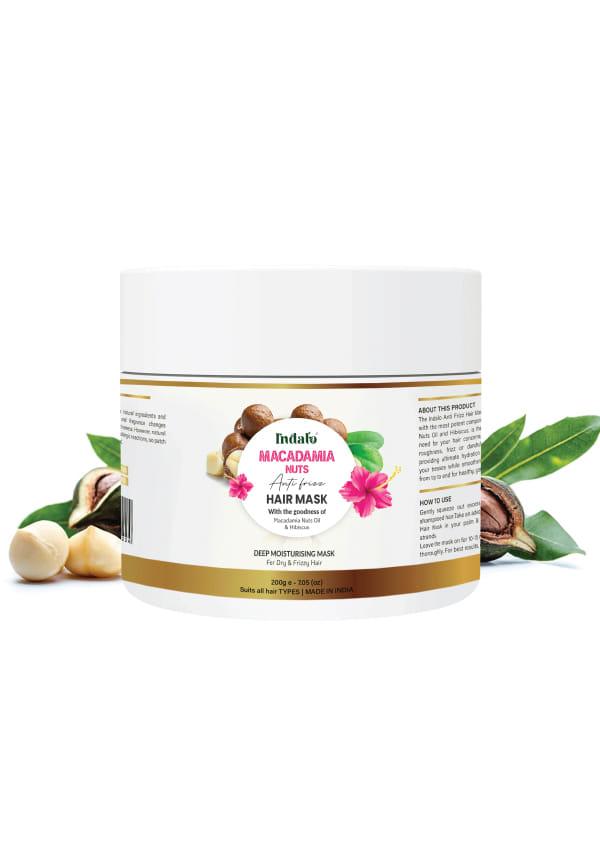
Anti-Frizz Hair Mask With Macadamia Nuts
Sometimes the best solutions are sitting right in your kitchen. Homemade hair mask for frizz treatments can be just as effective as store-bought options, plus you know exactly what's going into them. Here are some tried-and-tested recipes that actually work.
Avocado and Honey Mask: Mash one ripe avocado with two tablespoons of honey. The healthy fats in avocado penetrate deep into the hair shaft while honey acts as a humectant, drawing moisture from the air into your hair. Leave on for 20-30 minutes for seriously hydrated strands.
Banana and Coconut Oil Mask: Blend one banana with two tablespoons of coconut oil until smooth. Bananas contain natural silicones that smooth the hair cuticle, while coconut oil provides deep conditioning. This combo is perfect for coarse, frizzy hair that needs serious smoothing.
Egg Yolk and Olive Oil Mask: Mix two egg yolks with three tablespoons of olive oil. Egg yolks are packed with proteins that help repair damaged hair, while olive oil provides intense moisture. This natural hair mask for frizz is ideal if your hair feels weak or brittle.
Yogurt and Aloe Vera Mask: Combine half a cup of plain yogurt with two tablespoons of fresh aloe vera gel. The lactic acid in yogurt gently exfoliates the scalp and smooths the hair cuticle, while aloe vera provides lightweight moisture that won't weigh fine hair down.
Apple Cider Vinegar Mask: Mix two tablespoons of apple cider vinegar with one cup of water and a tablespoon of honey. This works brilliantly for fine, frizzy hair as the acidity helps seal the cuticles and remove product buildup that can make frizz worse.
The beauty of DIY masks is that you can customise them based on what your hair needs most. Coconut oil works wonders for thick, coarse hair but might be too heavy for fine strands. Honey is a universal winner – it's a natural humectant that works for pretty much every hair type. Aloe vera is perfect for adding moisture without weight, making it ideal for fine or oily hair that still gets frizzy.
Having the right product is only half the battle – how you use it makes all the difference. Getting your technique right can mean the difference between okay results and hair that actually stays smooth all day.
Start with clean, damp hair – not soaking wet, but towel-dried so it's still moist. This helps the mask penetrate better. Apply from mid-length to ends, avoiding the roots unless you're dealing with a dry scalp. Use a wide-tooth comb to distribute evenly, then clip your hair up and let the mask work its magic. Most treatments need 15-30 minutes, but check the instructions – some are designed for longer wear.
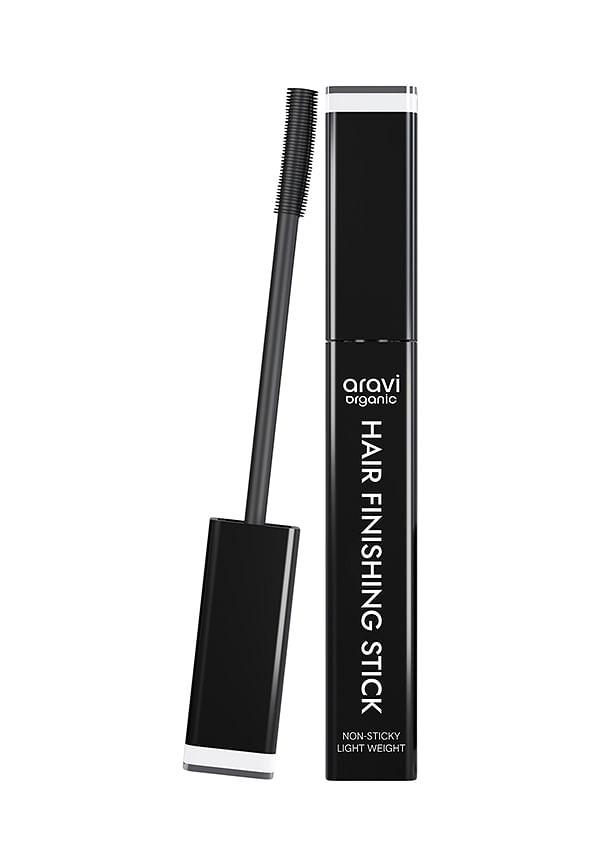
Hair Finishing Stick - Flyaway Natural Styling Frizz Control
Don't overdo it with protein masks – too much protein can actually make your hair more brittle and prone to breakage. If your hair feels stiff after a mask, you've probably overdone the protein and need to balance it with a moisture-rich treatment. Also, make sure you're rinsing thoroughly – leftover product can weigh your hair down and attract dirt, making frizz worse in the long run.
This is the million-rupee question, isn't it? While hair masks can't permanently change your hair's natural texture, they can definitely improve its condition over time, making it much more manageable and less prone to frizz.
You'll probably notice some immediate improvement after your first use – hair that feels softer and looks shinier. But the real magic happens with consistent use over 4-6 weeks. That's when you'll start seeing cumulative benefits like improved elasticity, better moisture retention, and hair that stays smooth longer between washes. The key is consistency rather than intensity.
A good hair hydration mask works best as part of a complete hair care for frizzy hair routine. Use a sulphate-free shampoo that won't strip your hair's natural oils, follow with a lightweight conditioner, and always use heat protection before styling. Between mask treatments, try sleeping on a silk pillowcase and using a microfibre towel to reduce friction that can cause frizz.
For most people, once or twice a week is the sweet spot. If your hair is severely damaged or very dry, you might benefit from more frequent treatments initially, then scale back as your hair improves. Fine hair typically needs less frequent masking than thick, coarse hair.
It depends on the formula. Natural oils like coconut or argan can usually be left on overnight, but protein-rich masks or anything with active ingredients should stick to the recommended time. Leaving the wrong type of mask on too long can actually damage your hair or cause buildup.
Absolutely – in fact, chemically treated hair often benefits the most from regular masking. Colour-treated, permed, or relaxed hair has compromised cuticles that need extra TLC. Just make sure to choose masks specifically formulated for your type of chemical treatment.

Hair Finishing Stick - Flyaway Natural Styling Frizz Control
The main difference is concentration and treatment time. Hair masks typically have higher concentrations of active ingredients and are designed to be left on longer for deeper penetration. Deep conditioners are usually lighter and can be used more frequently as part of your regular routine.
Both have their place. Homemade masks are great for gentle, natural care and when you want to control exactly what goes on your hair. Commercial masks often have more sophisticated formulations with ingredients that are hard to source at home, plus they're more convenient for busy lifestyles.
They can if you're using the wrong type for your hair or overdoing it with protein treatments. Heavy oils can weigh fine hair down, making it look greasy and feel limp. Too much protein can make hair brittle and more prone to breakage, which can increase frizz over time.
Not necessarily. While some high-end products do have superior formulations, many affordable options work just as well. The key is finding products with good ingredients rather than just fancy packaging. Sometimes you're paying more for marketing than actual performance.
You should notice some immediate improvement in how your hair feels and looks after the first use. For lasting changes in hair texture and frizz control, give it 4-6 weeks of consistent use. Remember, you're essentially retraining your hair to behave better, and that takes time.
While masks are fantastic for treating frizz, they work best as part of a holistic approach to hair care. Your daily habits and styling techniques play a huge role in how frizzy your hair gets.
The way you dry your hair can make or break your frizz-fighting efforts. Try the 'plopping' method – wrap your wet hair in a microfibre towel or cotton t-shirt to absorb excess water without roughing up the cuticles. When blow-drying, use a diffuser on low heat and scrunch gently rather than brushing through wet hair, which can cause breakage and frizz.
Your diet and hydration levels actually impact your hair health more than you might think. Hair is essentially dead protein, but it's fed by your scalp, which needs proper nutrition to produce healthy strands. Drinking enough water and eating foods rich in omega-3 fatty acids, biotin, and vitamin E can improve your hair's natural moisture levels and resilience.
Finding the right hair mask for frizz is about understanding your hair's specific needs and being consistent with your routine. Whether you go for a best hair mask for dry frizzy hair from the shop or whip up a natural treatment in your kitchen, the key is regular use and realistic expectations. Remember, healthy hair is a marathon, not a sprint – but the results are definitely worth the effort. Not sure which approach might work best for your hair type? Smytten also offers trial-size versions of many hair care products, letting you test different formulations before committing to full-size bottles.
