Hair Mask for Dry Hair FAQ: Your Questions Answered

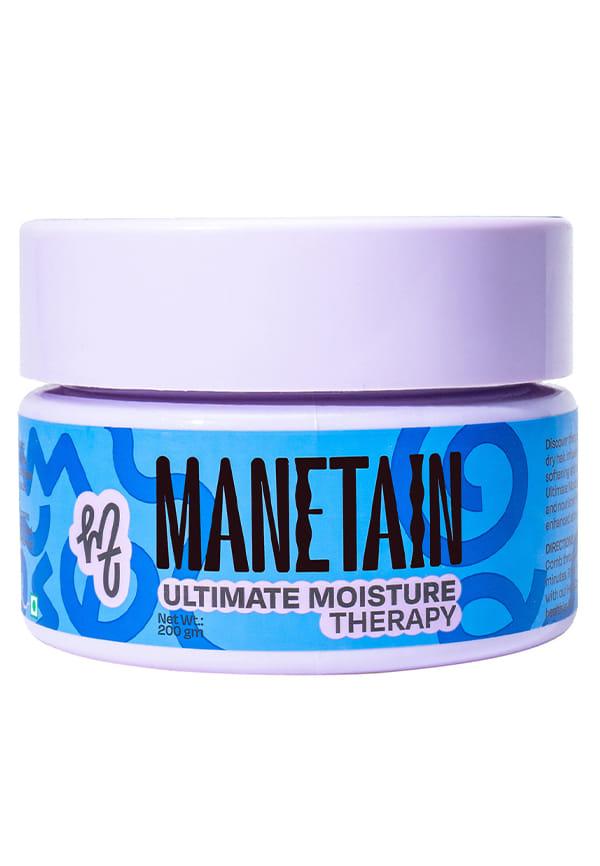
Ultimate Moisture Therapy For Deep Hydration
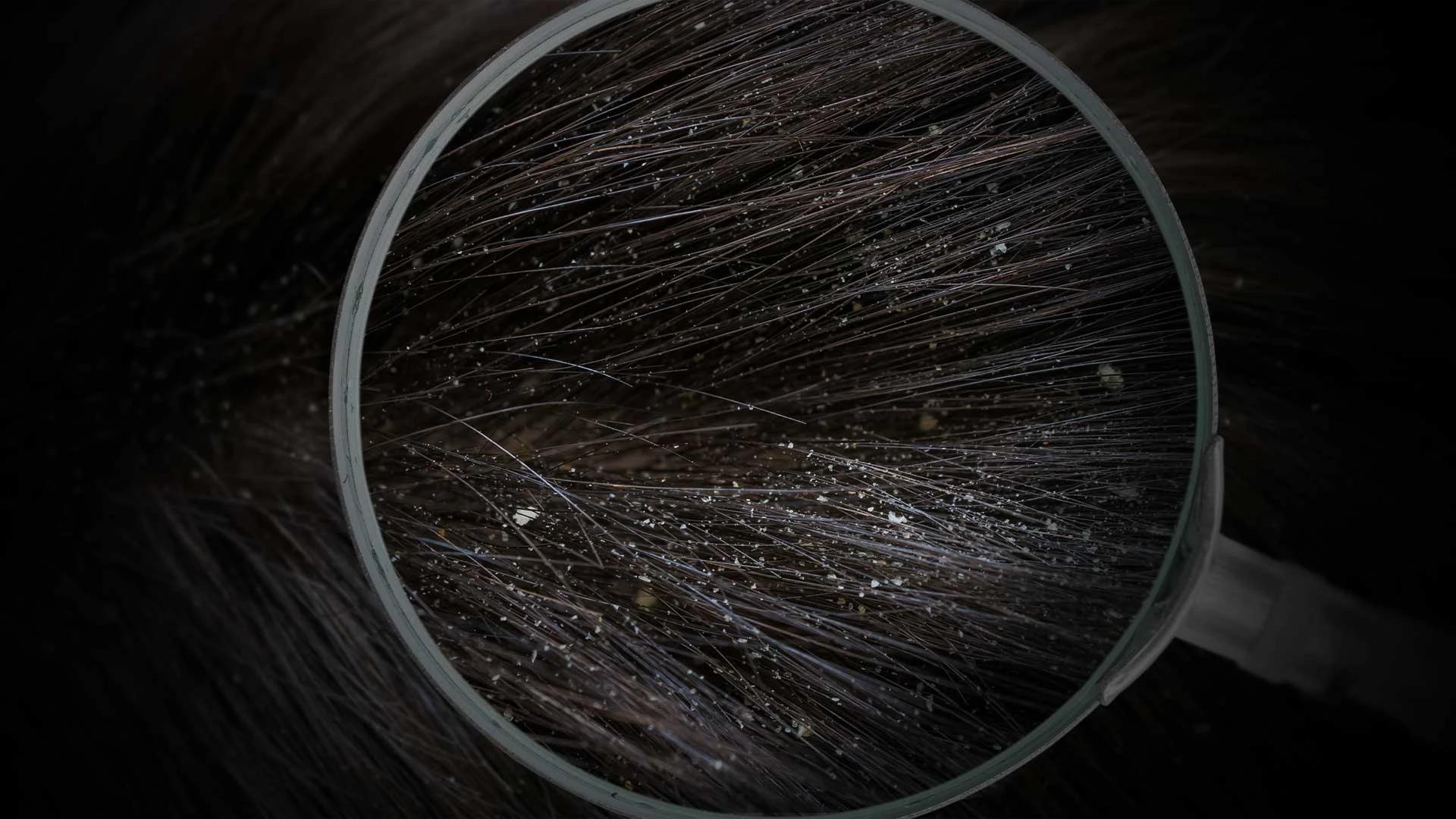
You know that moment when you run your fingers through your hair and it feels like straw? Or when you catch your reflection and notice your once-bouncy locks looking more like a tumbleweed than actual hair? We've all been there. Dry hair can be frustrating, especially when you're not sure which treatments actually work or how to use them properly. The good news? Hair masks for dry hair can be total game-changers when you know what you're doing. Let's dive into the most common questions about hydrating hair treatments and get your strands back to their happy, healthy state.
Real talk: the "best" hair mask for dry hair depends on what's causing your dryness in the first place. Is it heat damage from your styling routine? Chemical processing? Just naturally low oil production? Each cause needs a slightly different approach.
The most effective hair masks for dry hair contain a mix of humectants (ingredients that draw moisture in), emollients (ingredients that smooth and soften), and occlusives (ingredients that lock moisture in). Look for masks with hyaluronic acid, which can hold up to 1,000 times its weight in water. Ceramides are another winner—they help repair your hair's protective barrier. Natural oils like argan, coconut, and jojoba are brilliant for adding both moisture and shine.
Your hair's porosity also matters here. If you have high-porosity hair (damaged or chemically treated), you'll need heavier, protein-rich masks. Low-porosity hair does better with lighter, water-based formulas that won't weigh it down. Medium-porosity hair is the goldilocks zone—most hydrating hair masks will work well.
Professional salon masks often have higher concentrations of active ingredients, but plenty of drugstore options deliver excellent results. The key is consistency and choosing the right formula for your specific hair type and damage level.
Not all moisturising ingredients are created equal. Some just sit on your hair's surface, while others actually penetrate and repair from within. Here's what to look for in a proper hydrating hair mask.
Hyaluronic acid is having a major moment in haircare, and for good reason. This powerhouse ingredient can hold massive amounts of water, making it perfect for parched strands. Glycerin is another humectant that draws moisture from the environment into your hair—just be careful in very dry climates where it might actually pull moisture out instead.
Proteins like keratin, silk amino acids, and hydrolysed wheat protein help fill in gaps in damaged hair cuticles. But here's the thing: too much protein can make your hair feel stiff and brittle. Balance is key. Look for masks that combine proteins with moisturising ingredients.
Natural oils deserve their own shoutout. Coconut oil has small molecules that can actually penetrate the hair shaft. Argan oil is packed with vitamin E and fatty acids that smooth frizz. Jojoba oil mimics your scalp's natural sebum, making it perfect for all hair types. Shea butter and murumuru butter provide deep conditioning without being too heavy.
Avoid masks with high amounts of drying alcohols (like denatured alcohol or isopropyl alcohol) listed in the first five ingredients. These can actually make dryness worse over time.
Salon deep conditioning treatments can be worth the splurge if your hair is severely damaged or if you want immediate results for a special event. Professional treatments often use steam or heat to help ingredients penetrate deeper, and stylists can customise the formula based on your hair's specific needs.
That said, many at-home hair repair masks can deliver similar results with consistent use. The main difference is convenience and customisation. At-home masks give you the flexibility to treat your hair weekly without the salon price tag. Plus, you can experiment with different formulas to find what works best for your hair.
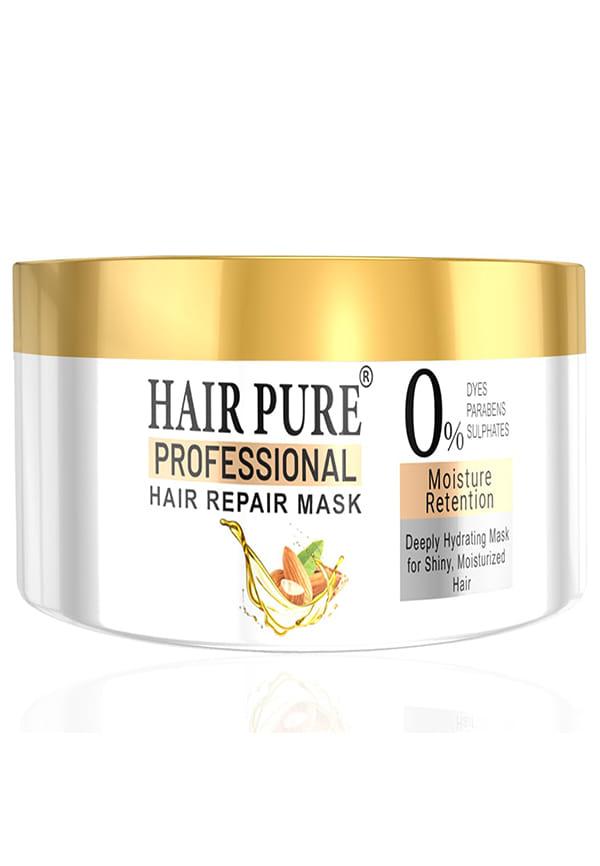
Hair Repair Mask for Dry, Frizzy Hair Mask
Sometimes the best treatments come straight from your kitchen. These natural hair mask recipes use ingredients that have been proven to moisturise and repair dry hair. Just remember to patch test first, especially if you have sensitive skin.
The classic coconut oil and honey mask is a winner for good reason. Mix 2 tablespoons of melted coconut oil with 1 tablespoon of raw honey. Honey is a natural humectant that draws moisture in, while coconut oil penetrates the hair shaft. Apply from mid-length to ends, leave for 30 minutes, then shampoo out thoroughly.
For seriously damaged hair, try an avocado and olive oil treatment. Mash one ripe avocado with 2 tablespoons of extra virgin olive oil. Avocados are rich in vitamins A, D, and E, plus healthy fats that nourish dry strands. This mask is particularly good for chemically treated or heat-damaged hair.
The banana and yogurt mask works brilliantly for frizzy, dry hair. Blend one ripe banana with 3 tablespoons of plain Greek yogurt and 1 tablespoon of honey. Bananas contain natural oils and vitamins, while yogurt's lactic acid gently exfoliates and smooths the hair cuticle.
For a protein-rich option, mix 1 egg yolk with 2 tablespoons of olive oil and 1 tablespoon of honey. Egg yolks contain lecithin and proteins that can temporarily fill in damaged areas of your hair shaft. This one's particularly good for fine, dry hair that needs both moisture and strength.
Even the best hair mask for dry hair won't work if you're not applying it correctly. The technique matters just as much as the product itself.
Start with clean, damp hair. Shampoo first to remove buildup that might prevent the mask from penetrating. Gently squeeze out excess water—your hair should be damp, not dripping. Section your hair into 4-6 parts for even application.
Apply the mask from mid-length to ends, avoiding your roots unless the product specifically says it's safe for scalp use. Use a wide-tooth comb to distribute the product evenly. For extra penetration, cover your hair with a plastic cap or wrap it in a warm towel.
Timing is crucial. Most masks need 10-20 minutes to work their magic, but severely dry hair might benefit from longer treatment times. Don't leave DIY masks on for more than 30 minutes, as natural ingredients can sometimes cause irritation with extended contact.
When it's time to rinse, use lukewarm water and take your time. Make sure all product is removed—leftover mask can weigh your hair down and make it look greasy. Follow with a light conditioner if needed, focusing only on the ends.
How often should you use a hair mask for dry hair? For severely damaged hair, twice a week is ideal. Normal to mildly dry hair usually needs weekly treatments. Pay attention to how your hair responds—if it starts feeling heavy or limp, you might be overdoing it.
Not all dry hair is the same. Different hair types and specific concerns need targeted approaches to get the best results from your moisturising hair mask routine.
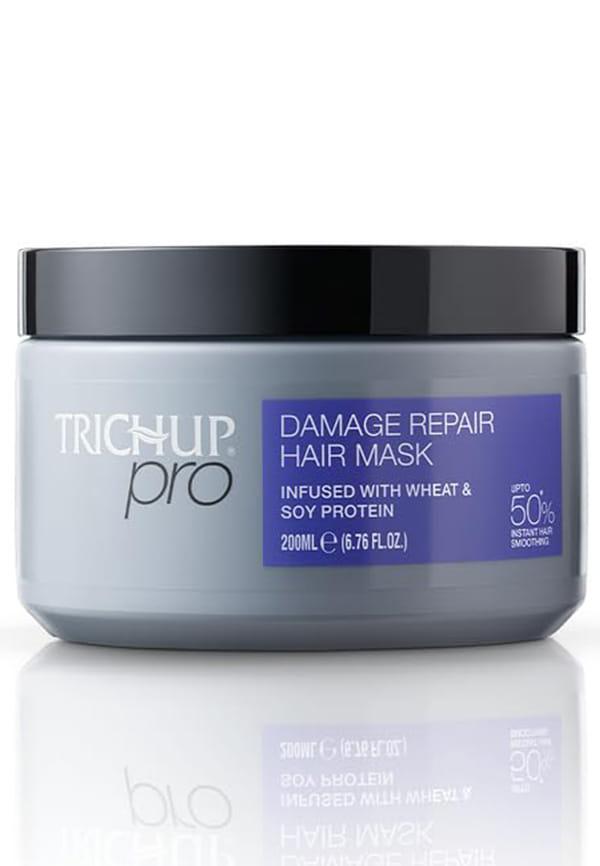
Trichup Pro Damage Repair Hair Mask for Dry Frizzy Hair Intensely Binds
Men's hair is often shorter, which means less time for natural oils to travel down the hair shaft. Plus, frequent washing and heat styling can strip moisture. Look for lightweight masks that won't weigh down shorter styles. Apply only to the lengths and ends, and consider leave-in treatments for daily moisture between mask sessions.
Curly hair is naturally drier because oils can't travel down the twists and turns of each strand. Hair masks for frizzy hair should focus on moisture over protein, unless your curls are chemically damaged. Look for masks with natural butters and oils, and consider the "squish to condish" method for better product distribution.
If you're dealing with a hair mask for dry scalp situations, be extra careful about ingredients. Avoid anything too heavy or comedogenic that might clog hair follicles. Look for masks with scalp-soothing ingredients like aloe vera or tea tree oil. If you're experiencing hair loss along with dryness, it's worth consulting a dermatologist to rule out underlying conditions.
Sometimes dry hair goes beyond what a weekly mask can fix. If your hair feels like straw, breaks easily, or has lost its elasticity, you're dealing with severe damage that needs a more intensive approach.
Start with a clarifying shampoo to remove any buildup that might be preventing treatments from working. Then begin a deep conditioning hair treatment routine using protein-moisture balanced masks. Alternate between protein treatments and pure moisture masks to rebuild strength while adding hydration.
Consider adding a hair oil or serum to your routine for daily protection. Apply a small amount to damp hair before styling to create a barrier against further damage. Heat protectants are non-negotiable if you use styling tools.
Be realistic about timelines. Severely damaged hair can take 6-8 weeks of consistent treatment to show significant improvement. In extreme cases, a trim might be necessary to remove the most damaged sections and give healthy growth a fresh start.
If you're not seeing improvement after 6-8 weeks of consistent treatment, it might be time to consult a professional. Sometimes underlying health issues, hormonal changes, or medication side effects can cause persistent dryness that needs medical attention.
Yes, but timing matters. Wait at least 48-72 hours after chemical processing like colouring, relaxing, or perming before using a mask. Your hair cuticles need time to close and stabilise. When you do start masking, choose gentle, moisturising formulas over protein-heavy treatments for the first few weeks.
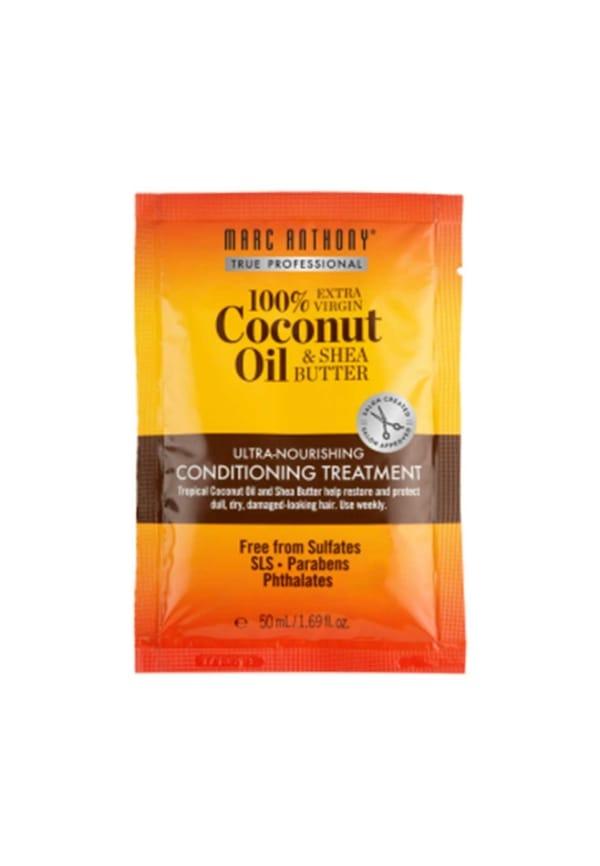
Hydrating Coconut Oil And Shea Butter Deep Nourishing Conditioning Treatment Mask
For severely dry or damaged hair, 2-3 times per week is ideal. Normal to mildly dry hair usually benefits from weekly treatments. If your hair starts feeling heavy, limp, or overly soft, you might be overdoing it. Scale back to once a week or every other week.
Hair masks typically have higher concentrations of active ingredients and are designed for longer contact time (10-30 minutes). Deep conditioners are usually lighter and can be used more frequently. Masks are for intensive treatment, while deep conditioners are for regular maintenance.
Yes, especially if you're using heavy, oil-based masks too frequently or not rinsing thoroughly. Signs of buildup include hair that feels heavy, looks dull, or doesn't respond to styling. Use a clarifying shampoo once a week if you're masking frequently, and make sure to rinse thoroughly after each treatment.
Gentle heat can help ingredients penetrate better, but it's not always necessary. If you choose to use heat, stick to low temperatures and avoid direct heat on wet hair. A warm towel wrap or shower cap can provide gentle heat without risk of damage.
Generally, it's not recommended to leave masks on overnight unless specifically designed for extended wear. Most masks can cause irritation or over-conditioning with prolonged contact. Stick to the recommended time on the product label, usually 10-30 minutes.
Finding the right hair mask for dry hair is a bit like dating—it might take a few tries to find your perfect match. The key is understanding what type of dryness you're dealing with and choosing treatments that address the root cause, not just the symptoms.
Remember that consistency beats intensity every time. A decent mask used regularly will give you better results than an expensive treatment used sporadically. Pay attention to how your hair responds and adjust your routine accordingly.
Whether you go for professional treatments, drugstore finds, or DIY recipes, the most important thing is to be patient and gentle with your hair. Damage didn't happen overnight, and healing won't either. But with the right approach and a bit of persistence, you can definitely get your hair back to its healthy, hydrated best.
Not sure which hair mask might work for your specific hair type? Smytten offers trial-size versions of many hydrating and repairing hair treatments from trusted brands—a smart way to test different formulas before committing to full-size products.
