Hair Growth Vitamins 101: A Step-by-Step Tutorial
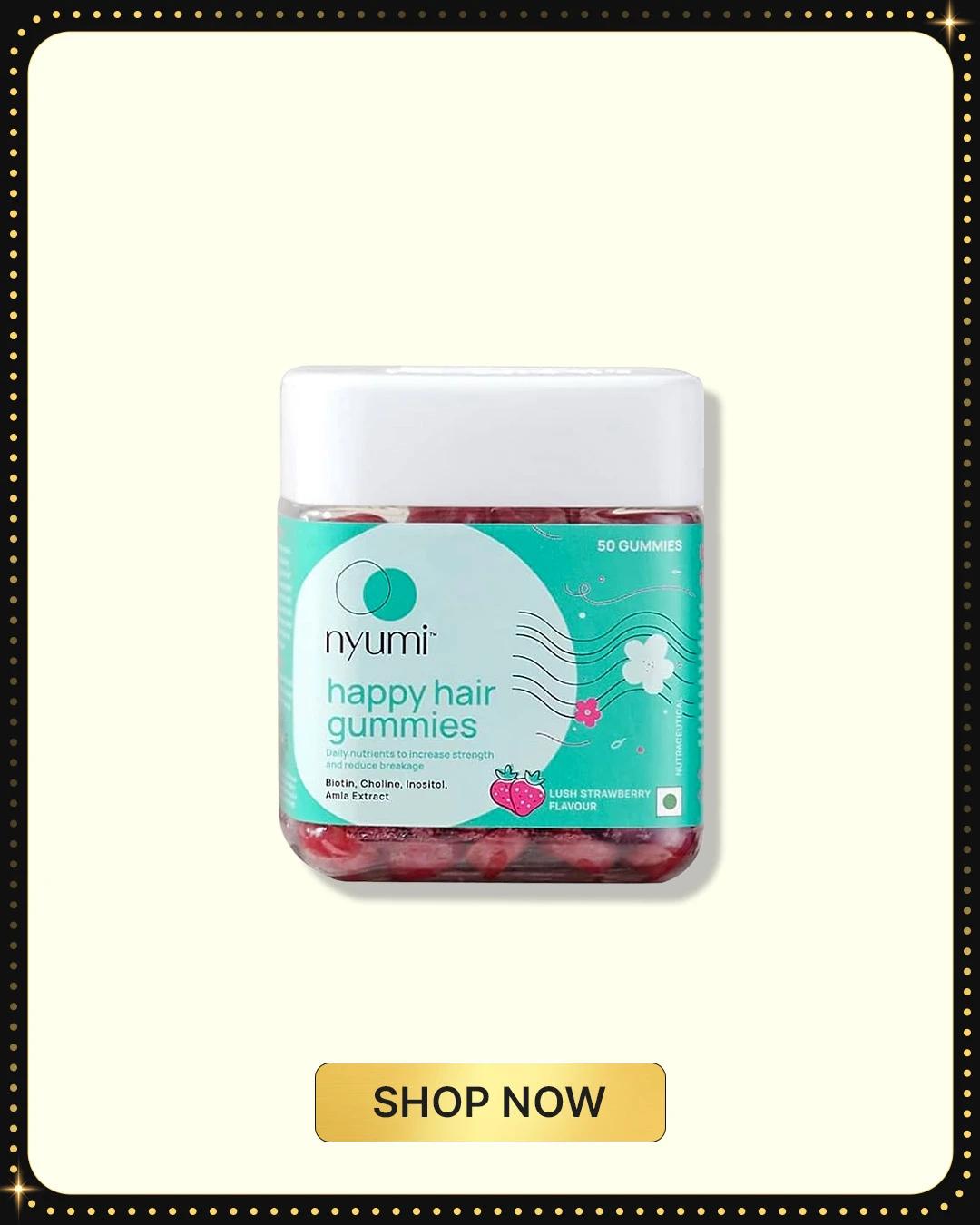

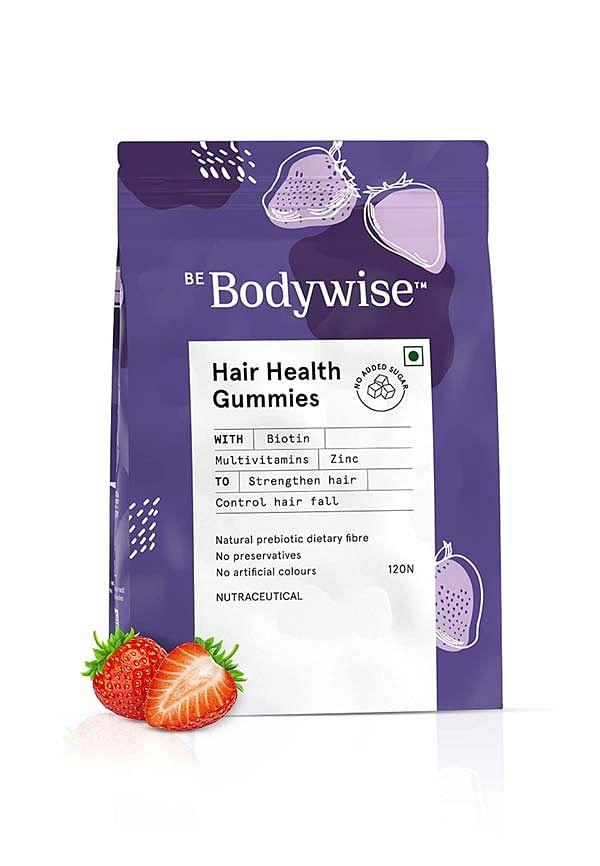
Biotin Hair Gummies
Ever wondered which vitamin is good for hair growth? Real talk—your hair's not just about genetics or the latest trending hair masks. What you put inside your body matters just as much as what you slather on top. Think of vitamins as your hair's personal cheerleaders, working behind the scenes to keep those strands strong, thick, and growing at their best pace. Whether you're dealing with thinning hair, slow growth, or just want to give your mane some extra love, understanding hair growth vitamins can be your kind of game-changer. Let's break down everything you need to know about nourishing your hair from the inside out.
Your hair goes through a natural cycle that's pretty fascinating when you think about it. Each strand spends about 2-6 years in the growth phase, followed by a brief transition period, then a resting phase before it eventually falls out to make room for new growth. This whole process depends heavily on proper nutrition—your hair follicles are some of the most active cells in your body, constantly dividing and creating new hair fibres.
Vitamins act like the building blocks and support system for healthy hair. They help create the proteins that form your hair structure, support blood circulation to your scalp, and protect hair follicles from damage. Without adequate vitamins, your hair growth cycle can slow down or even stop.
Essential minerals for hair work alongside vitamins to strengthen hair from root to tip. They help transport nutrients to hair follicles and play crucial roles in protein synthesis—basically, they're the behind-the-scenes workers making sure your hair gets everything it needs.
When it comes to the best vitamins for hair health, certain nutrients stand out as absolute must-haves. These powerhouse vitamins work together to create the perfect environment for strong, healthy hair growth. Understanding which vitamins your hair craves most can help you make informed decisions about your haircare routine.
Biotin for hair growth is probably the most talked-about vitamin in the hair world—and for good reason. This B-vitamin helps your body break down proteins and fats, which are essential for hair structure. Most people get enough biotin from their diet, but if you're deficient, you might notice thinning or brittle hair.
The vitamin B complex for hair includes several B-vitamins that work as a team. B12 helps with red blood cell formation, carrying oxygen to hair follicles. B6 supports protein metabolism, while folate aids in cell division—all crucial for healthy hair growth.
Vitamin D deficiency has been linked to hair loss conditions. This vitamin helps create new hair follicles and maintains the ones you already have. If you're not getting enough sun exposure, your hair might be feeling the effects too.
Vitamin E protects your hair follicles from oxidative stress and improves blood circulation to your scalp. Think of it as a protective shield for your scalp nourishment vitamins to work their magic.
Minerals are just as important as vitamins when it comes to achieving supplements for hair thickness. These micronutrients support the structural integrity of your hair and help prevent common hair problems. Getting the right balance of minerals can make a noticeable difference in your hair's strength and appearance.
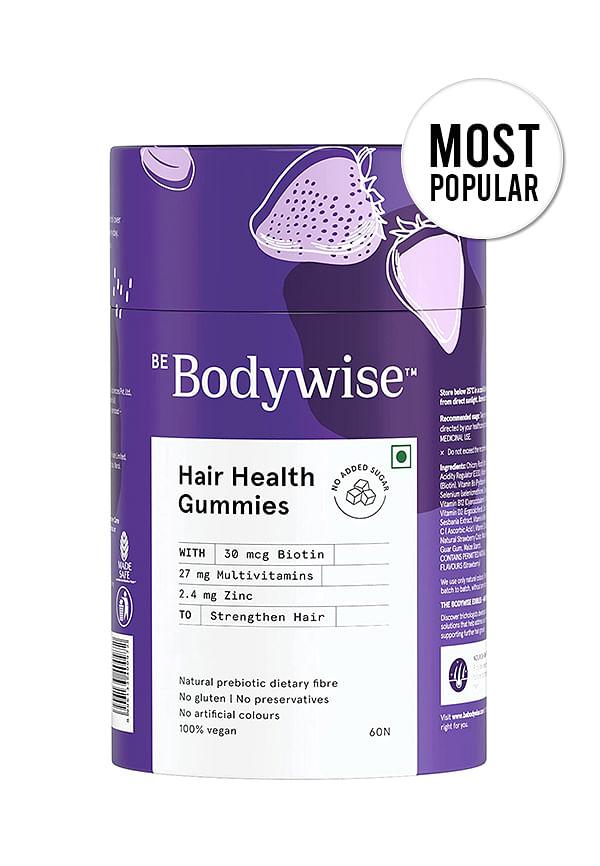
Biotin Hair Health Gummies
Iron deficiency is one of the most common causes of hair loss, especially in women. Iron helps carry oxygen to your hair follicles through red blood cells. Without enough iron, your hair follicles can't function properly, leading to thinning or shedding.
Zinc plays a crucial role in hair tissue growth and repair. It also helps keep the oil glands around hair follicles working properly. Zinc deficiency can lead to hair loss, but too much can also cause problems—balance is key.
Selenium acts as an antioxidant, protecting your scalp from damage. It works with other nutrients for stronger hair to maintain a healthy environment for hair growth.
Spotting vitamin deficiency and hair loss connections isn't always straightforward, but your hair often gives you clues about what's happening inside your body. Nutritional deficiencies can manifest in various ways through your hair's appearance and growth patterns. Understanding these signs can help you address issues before they become more serious.
Common signs include thinning hair, slow growth, dullness, excessive shedding, or changes in hair texture. Brittle, dry hair might indicate protein or B-vitamin deficiencies, while premature greying could suggest B12 or copper deficiencies.
Blood tests can reveal deficiencies in key vitamins and minerals. Common tests include iron levels, vitamin D, B12, and biotin. Your doctor can recommend the right tests based on your symptoms and health history.
Navigating the world of hair supplements can feel overwhelming with so many options available. The key is understanding what your hair actually needs and choosing supplements that deliver those specific nutrients effectively. Not all supplements are created equal, so knowing what to look for makes all the difference.
Consider your current diet, any existing deficiencies, your hair type, and specific concerns. If you eat a balanced diet, you might only need targeted supplements rather than a comprehensive multivitamin approach.
Look for third-party tested products with bioavailable forms of vitamins. Check for proper dosages—more isn't always better. Avoid supplements with unnecessary fillers or artificial additives that might cause sensitivities.
Before reaching for supplements, consider natural hair growth remedies through your diet. Making strategic dietary changes for healthy hair can often provide the nutrients your hair needs while supporting your overall health. Food sources typically offer better absorption rates than synthetic supplements.
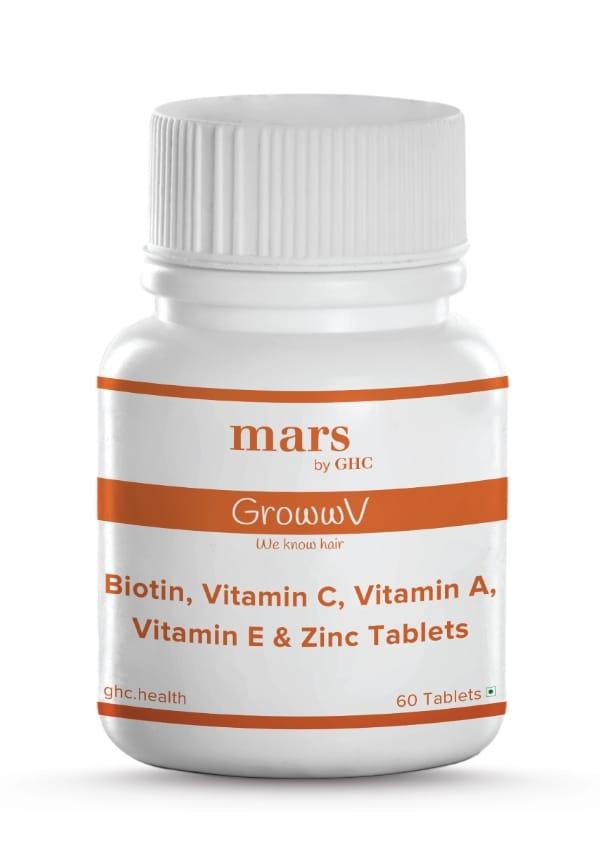
Biotin Natural Supplement to Control Hair Fall
Eggs provide biotin and protein, leafy greens offer iron and folate, fatty fish deliver omega-3s and vitamin D, nuts and seeds provide zinc and vitamin E, and berries are rich in antioxidants that protect hair follicles.
Focus on variety and balance. Include protein with each meal, add colourful fruits and vegetables, incorporate healthy fats, and stay hydrated. A well-rounded diet often provides most of the nutrients your hair needs naturally.
Now for the practical bit—how to actually incorporate hair growth vitamins into your routine effectively. This step-by-step approach helps you avoid common mistakes and maximises your chances of seeing real results. Think of this as your roadmap to healthier hair through targeted nutrition.
Take photos of your hair from different angles and note any concerns like thinning, slow growth, or texture changes. Keep a hair diary tracking shedding patterns and any changes you notice over time.
Discuss your hair concerns and health history with a doctor or nutritionist. They can identify potential deficiencies and recommend appropriate testing or supplements based on your individual needs.
Based on your assessment and professional advice, select vitamins that target your specific needs. Start with basic essentials like biotin, iron, and vitamin D before adding more specialised supplements.
Follow recommended dosages carefully—more isn't always better with vitamins. Some are best taken with food, others on an empty stomach. Consistency matters more than timing, so find a routine you can stick to.
Internal vitamins work best when paired with good external haircare. Use gentle shampoos, nourishing treatments, and protect your hair from heat damage while your vitamins work from the inside.
Give your vitamin routine at least 3-6 months to show results—hair growth takes time. Track changes in photos and notes, and adjust your approach based on what you observe and how you feel.
Vitamins work best as part of a holistic approach to hair health. Supporting your vitamin routine with proper haircare practices and lifestyle choices can amplify your results. These complementary strategies create the ideal environment for your vitamins to work their magic.
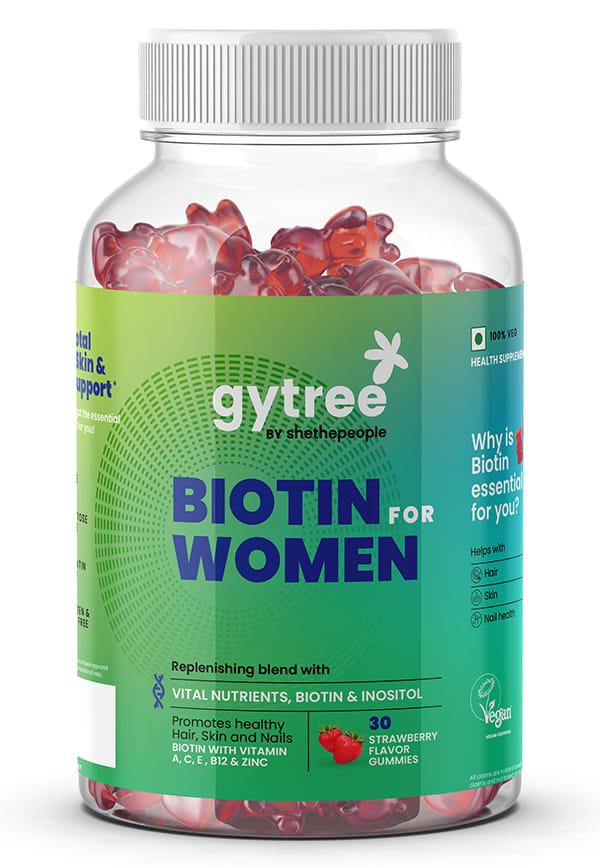
The Total Hair, Skin & Nail Support Biotin Gummies
Regular scalp massage improves blood circulation, helping deliver those vitamins to your hair follicles more effectively. Use gentle circular motions with your fingertips, and consider adding nourishing oils for extra benefits.
Manage stress through exercise or meditation, get adequate sleep, avoid tight hairstyles that pull on roots, and protect your hair from excessive heat styling. These habits support your vitamin efforts from multiple angles.
While hair vitamins are generally safe, it's worth understanding potential side effects and interactions. Being informed helps you make the best decisions for your health and hair goals. Most side effects are mild and manageable, but awareness is key to using vitamins safely.
High doses of biotin can affect blood test results. Too much iron can cause stomach upset. Some people experience breakouts when starting new supplements. These effects are usually temporary as your body adjusts.
See a healthcare provider if you experience unusual symptoms, if hair loss is sudden or severe, if you have underlying health conditions, or if you're taking other medications that might interact with supplements.
Most people notice changes in 3-6 months of consistent use. Hair growth is naturally slow, so patience is essential. You might see improvements in hair texture and strength before noticing length changes.
It's generally safe to combine different vitamins, but check with a healthcare provider first. Some nutrients can interact or compete for absorption. A comprehensive multivitamin might be more effective than multiple single supplements.
Vitamins work best for hair loss related to nutritional deficiencies or general thinning. They may not be effective for genetic male pattern baldness or hair loss caused by medical conditions or medications.
This depends on your individual needs and whether you can get adequate nutrients from food alone. Some people benefit from long-term supplementation, while others only need short-term support to address specific deficiencies.
Hair growth vitamins can be a valuable addition to your haircare routine, but they work best as part of a comprehensive approach to hair health. Remember that consistency is key—vitamins need time to work, and results vary from person to person. Focus on getting the right nutrients for your specific needs rather than trying every supplement available. Combined with a healthy diet, proper haircare, and realistic expectations, the right vitamins might just become your hair's new best friends. Your journey to healthier hair starts with understanding what your body needs and giving it the support to thrive.
