Hair Fall Prevention FAQ: Your Questions Answered

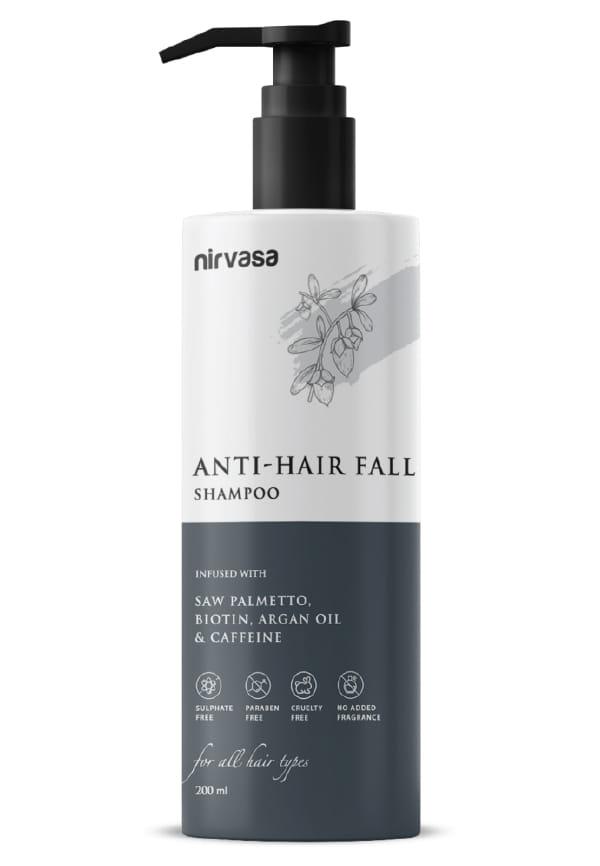
Anti-Hair Fall Shampoo for Men and Women
We've all been there — that moment when you notice more hair than usual in your brush, on your pillow, or swirling down the drain. It's one of those things that can quietly stress you out, especially when you're not sure if it's normal shedding or something more serious. Hair fall is incredibly common, but understanding hair fall prevention doesn't have to be overwhelming. Whether you're dealing with a few extra strands or noticing genuine thinning, getting the right information can make all the difference. Let's dive into the most common questions about keeping your hair healthy and strong.
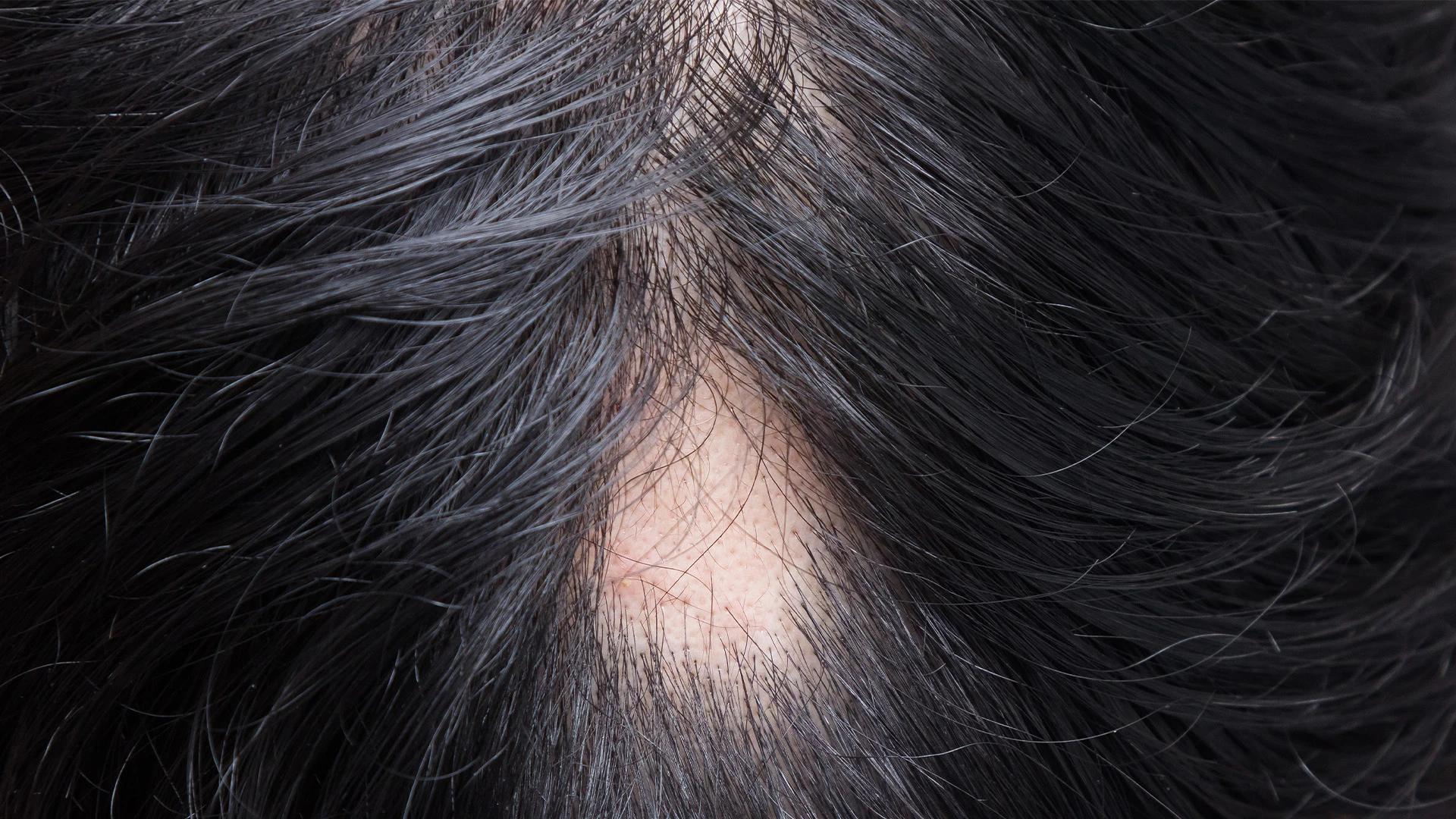
Real talk — hair fall happens for loads of reasons, and it's rarely just one thing. Your genetics play a huge role here. If your parents or grandparents dealt with hair thinning, there's a good chance you might too. Androgenetic alopecia, which sounds fancy but basically means pattern baldness, affects both men and women and is largely down to your DNA.
Hormones are another major player in hair loss prevention. DHT (dihydrotestosterone) is particularly notorious for shrinking hair follicles over time. Women often notice changes during pregnancy, menopause, or when dealing with conditions like PCOS. Thyroid issues can also throw your hair cycle completely off balance.
Then there are the lifestyle factors that might be sabotaging your hair fall control efforts without you realising it. Chronic stress, poor nutrition, crash diets, and certain medications can all trigger excessive shedding. Even seemingly harmless habits like wearing tight ponytails daily or using harsh chemical treatments can cause physical trauma to your hair and scalp.
Environmental stressors matter too. Pollution, UV exposure, and hard water can weaken your hair structure over time. The good news? Many of these factors are within your control once you know what to look for.
When you're panicking about hair fall, you want solutions that work fast. While true hair regrowth takes time, there are immediate steps you can take to stop hair breakage and protect what you have.
Start with how you handle your hair daily. Wet hair is incredibly fragile, so skip the aggressive towel rubbing and opt for gentle patting or a microfibre towel instead. Use a wide-tooth comb on damp hair, starting from the ends and working your way up. This simple switch can dramatically reduce breakage.
Your scalp needs some TLC too. Gentle massage with your fingertips (not nails) can improve circulation and help with hair thinning solutions by encouraging blood flow to the follicles. Do this for a few minutes while shampooing or apply a lightweight oil beforehand.
If you're dealing with sudden, severe hair loss, it's worth checking in with a dermatologist or trichologist. Sometimes underlying health issues like iron deficiency or thyroid problems need addressing before you'll see improvement. Blood tests can reveal nutritional gaps that might be contributing to your hair concerns.
Stress management isn't just good for your mental health — it's crucial for healthy hair habits. High cortisol levels can push hair follicles into a resting phase, leading to increased shedding. Even simple breathing exercises or a quick walk can help.
Creating a solid haircare routine is one of the most effective hair thinning solutions you can implement. The key is consistency and choosing products that support your scalp health rather than stripping it.
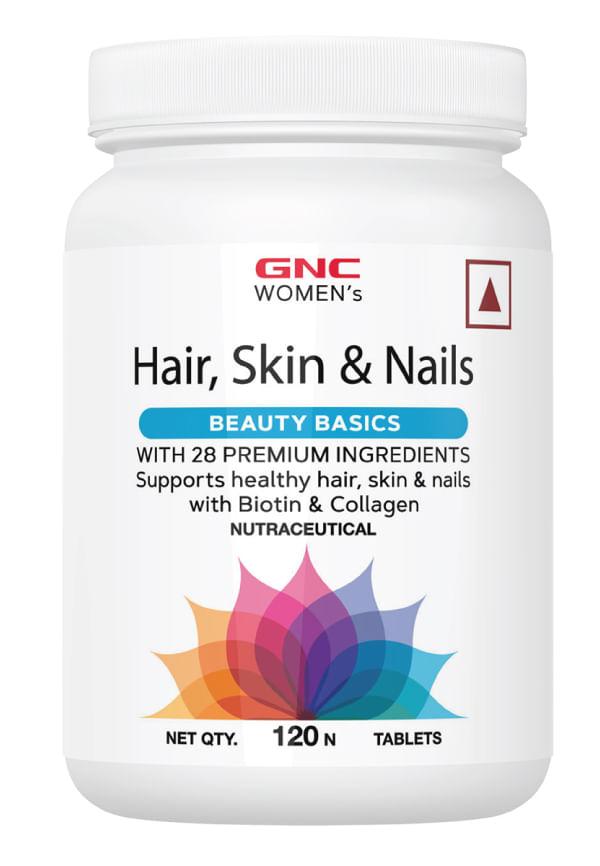
Women's Hair, Skin & Nails - For Stronger Hair, Clearer Skin, and Healthier Nails
Start with a gentle, sulphate-free shampoo that won't over-cleanse your scalp. How often you wash depends on your hair type — oily scalps might need daily cleansing, while dry or chemically treated hair can often go 2-3 days between washes. The goal is keeping your scalp clean without causing irritation.
Scalp care deserves as much attention as your skincare routine. A healthy scalp creates the best environment for hair growth. Look for ingredients like salicylic acid for gentle exfoliation, niacinamide for soothing inflammation, or peptides that support follicle health.
Heat styling is often unavoidable, but it doesn't have to destroy your hair. Always use a heat protectant, keep temperatures below 180°C when possible, and give your hair heat-free days whenever you can. Air drying might take longer, but your hair will thank you for it.
Don't forget about UV protection. Just like your skin, your hair and scalp can suffer from sun damage. Wear a hat, use products with UV filters, or try protective styles when you're spending time outdoors.
The internet is full of natural hair remedies, but not all of them have science backing them up. Let's focus on the ones that actually show promise for supporting hair growth tips and overall hair health.
Rosemary oil has gained serious attention lately, and for good reason. Studies suggest it might be as effective as minoxidil for promoting hair growth. Mix a few drops with a carrier oil like jojoba or coconut oil and massage into your scalp. Leave it on for at least 30 minutes before washing out.
Saw palmetto, often called nature's DHT blocker, shows promise for those dealing with hormonal hair loss. You can find it in supplements or topical treatments. Green tea extract is another ingredient worth trying — it's rich in antioxidants that may help protect follicles from damage.
Simple DIY treatments can be surprisingly effective too. An egg mask provides protein to strengthen hair structure, while aloe vera gel can soothe an irritated scalp. Just remember that natural doesn't always mean gentle — patch test anything new before applying it all over your scalp.
Your lifestyle choices play a massive role in healthy hair habits. Regular exercise improves circulation, which benefits your scalp. Quality sleep is when your body does most of its repair work, including hair growth. Even something as simple as staying hydrated can impact your hair's strength and shine.
Your hair is essentially a reflection of your overall health, and nutritional deficiencies often show up as hair problems first. Understanding which nutrients support hair strengthening can help you make better choices for your diet and supplements.
Iron deficiency is one of the most common culprits behind hair loss, especially in women. Your hair follicles need adequate iron to function properly. If you're vegetarian or have heavy periods, you might be at higher risk. Pair iron-rich foods with vitamin C to improve absorption.
Vitamin D deficiency has been linked to alopecia areata and other forms of hair loss. Most of us don't get enough sun exposure to maintain optimal levels, especially during winter months. A blood test can tell you where you stand.
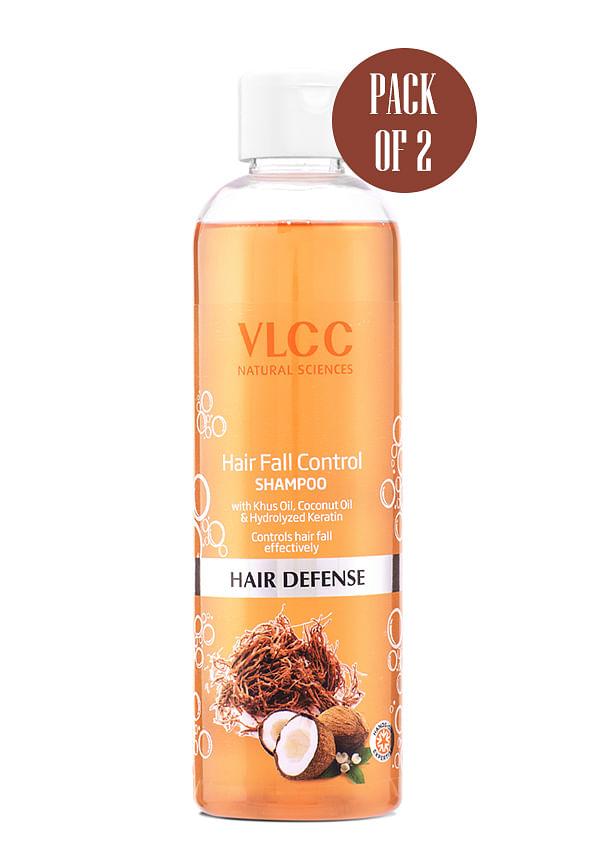
Hair Fall Control Shampoo with Buy One Get One
B vitamins, particularly biotin and B12, are crucial for hair health. Biotin deficiency is rare but can cause brittle hair and loss. B12 deficiency is more common, especially among vegetarians and older adults. These vitamins help create red blood cells that carry oxygen to your hair follicles.
Protein is literally what your hair is made of, so getting enough is non-negotiable. Aim for a palm-sized portion of protein with each meal. If you're plant-based, combine different protein sources to ensure you're getting all essential amino acids.
Omega-3 fatty acids from fish, flaxseeds, or walnuts help keep your scalp healthy and may reduce inflammation that can interfere with hair growth. Zinc, selenium, and vitamin E also play supporting roles in maintaining strong, healthy hair.
Natural hair fall prevention starts with gentle handling and protective practices. Use a silk or satin pillowcase to reduce friction while you sleep, avoid tight hairstyles that pull on your roots, and protect your hair from UV damage with hats or UV-protective products. Quit smoking if you do — it reduces blood flow to your scalp and can accelerate hair loss. Focus on stress management through meditation, exercise, or whatever works for you, as chronic stress is a major contributor to hair fall.
Losing 50-100 hairs daily is completely normal and part of your hair's natural growth cycle. Each follicle goes through phases of growth, rest, and shedding before starting again. However, if you're consistently losing significantly more than 100 hairs, noticing bald patches, or seeing your hairline recede, it's worth investigating further. Keep track of your shedding patterns — take photos and note when you notice increased loss to help identify triggers.
The "Big 3" refers to minoxidil, finasteride, and ketoconazole shampoo — three evidence-based treatments often used together. Minoxidil improves blood flow to follicles, finasteride blocks DHT production, and ketoconazole has anti-inflammatory properties. These require medical supervision and aren't suitable for everyone. Always consult a healthcare provider before starting any medical treatment, as they can have side effects and interactions with other medications.
Female hair loss often has different causes than male pattern baldness, including hormonal fluctuations, iron deficiency, or autoimmune conditions. Focus on identifying and addressing underlying causes first. Incorporate scalp massage, use gentle products, and consider natural DHT blockers like saw palmetto or pumpkin seed oil. Address nutritional deficiencies, manage stress levels, and be patient — natural regrowth takes 3-6 months to become noticeable.
Several FDA-approved medications can help with hair loss, including topical minoxidil and oral finasteride. Newer options like low-level laser therapy and platelet-rich plasma (PRP) treatments are also available. The effectiveness varies depending on the type and cause of your hair loss. A dermatologist or trichologist can help determine which treatment might work best for your specific situation and monitor for any side effects.
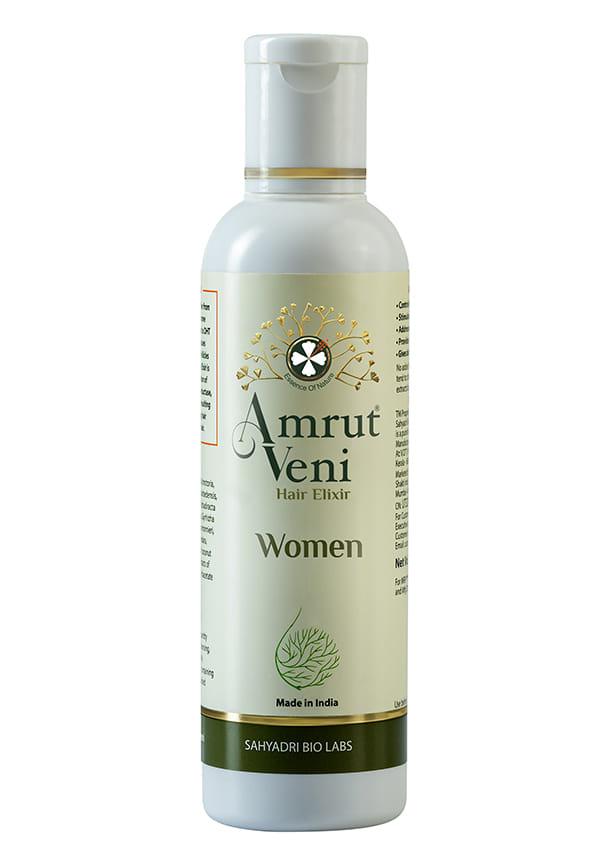
Hair Elixir Women
Absolutely. Chronic stress can push hair follicles into a resting phase, leading to increased shedding 2-3 months later. This type of hair loss, called telogen effluvium, is usually temporary but can be distressing. Acute stress from illness, surgery, or major life changes can also trigger hair loss. The good news is that stress-related hair loss often reverses once stress levels normalise and you implement healthy coping strategies.
Hair growth is a slow process, so patience is essential. You might notice reduced shedding within 4-6 weeks of starting a new routine, but visible regrowth typically takes 3-6 months. This is because hair grows in cycles, and it takes time for new, healthier hair to emerge from the follicle and become long enough to notice. Consistency is key — stick with your routine for at least 6 months before deciding if it's working.
Now that you understand the science behind hair fall prevention, it's time to create a personalised approach that fits your lifestyle and addresses your specific concerns. Start by identifying your primary triggers — is it stress, nutrition, hormones, or styling habits?
Begin with the basics: gentle handling, a suitable haircare routine, and addressing any obvious nutritional gaps. Document your starting point with photos and notes about your hair's condition. This will help you track progress and identify what's working.
Set realistic expectations and timelines. Most people start seeing reduced shedding within 4-6 weeks, but significant regrowth takes months. Be consistent with your chosen methods — sporadic efforts won't give you the results you're looking for.
Consider working with professionals when needed. A dermatologist can rule out underlying medical conditions, while a nutritionist can help optimise your diet for hair health. Don't hesitate to seek help if you're dealing with sudden, severe hair loss or if your concerns are affecting your mental health.
Remember that healthy hair habits are a long-term commitment, not a quick fix. Focus on sustainable changes that you can maintain over time. Your hair — and your overall health — will benefit from this patient, consistent approach.
Understanding hair fall prevention is about taking a holistic approach that addresses both immediate concerns and long-term hair health. From gentle daily handling to addressing nutritional deficiencies, small consistent changes can make a significant difference over time.
The most effective strategies combine proper haircare techniques, stress management, nutritional support, and patience. While it's tempting to try every trending remedy, focusing on evidence-based approaches will serve you better in the long run.
If you're looking to experiment with different hair strengthening products or scalp treatments, Smytten offers trial-size versions of many haircare products from trusted brands. This lets you test what works for your hair type and concerns before committing to full-size purchases — a smart way to build your perfect haircare routine without the guesswork.
