Hair Fall Causes and Solutions FAQ: Your Questions Answered

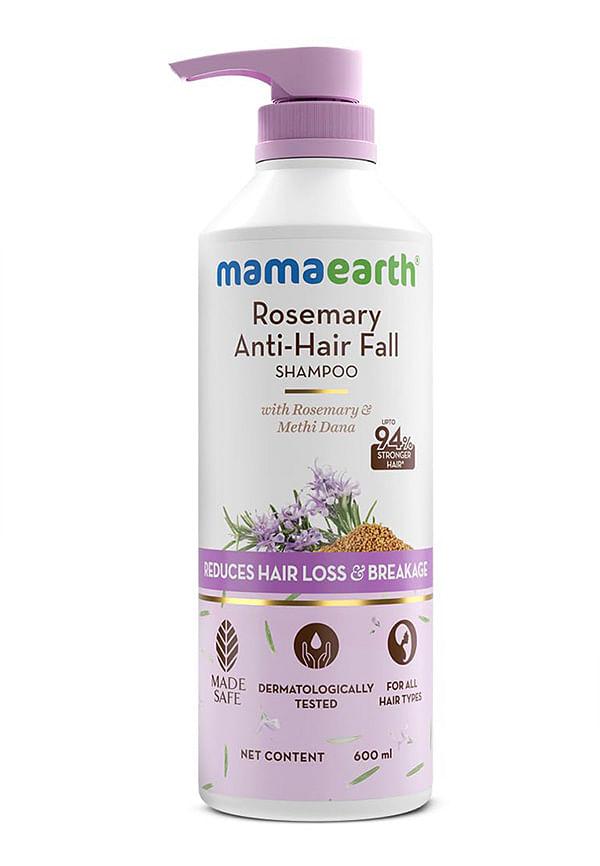
Rosemary Anti-Hair Fall Shampoo with Rosemary & Methi Dana for Reducing Hair Loss & Breakage
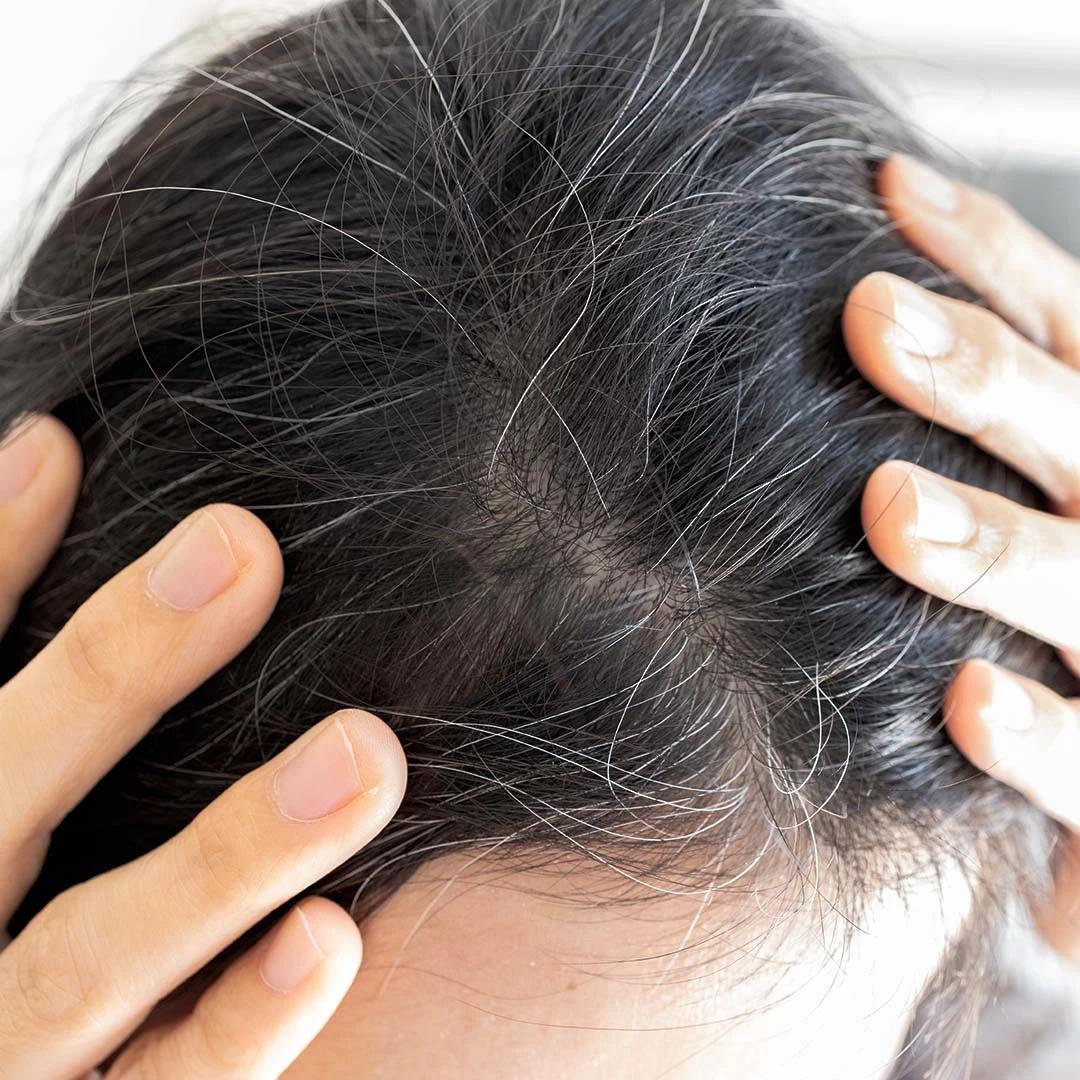
You know that sinking feeling when you run your fingers through your hair and come away with more strands than you'd like? Or when you notice your ponytail feels thinner than it used to? Hair fall is one of those things that can sneak up on you, and suddenly you're googling "why is my hair falling out" at 2 AM. Let's be real — hair fall happens to most of us at some point, but understanding why it's happening and what you can actually do about it makes all the difference. Whether you're dealing with a few extra strands in your brush or something more noticeable, we've got the answers you're looking for.
Hair fall doesn't just happen out of nowhere. There's usually a reason (or several reasons) behind it, and figuring out what's causing yours is the first step to finding the right solution. The most common culprits range from genetics to lifestyle factors, and sometimes it's a combination that's causing the problem.
If hair loss runs in your family, there's a good chance you've inherited those genes. Androgenetic alopecia — fancy term for pattern baldness — affects both men and women, just in different ways. For guys, it usually starts with a receding hairline or crown thinning. For women, it's more about overall thinning, especially around the parting.
Your hormones have a massive impact on your hair. PCOS, thyroid issues, pregnancy, and menopause can all trigger hair fall. Even stress hormones like cortisol can mess with your hair growth cycle. If you've noticed hair fall coinciding with major life changes or health shifts, hormones might be the reason.
Your hair needs fuel to grow, and if you're not getting enough iron, zinc, biotin, or protein, it shows. Crash diets and restrictive eating can lead to hair thinning because your body prioritises essential functions over hair growth when resources are limited.
Physical and emotional stress can push hair follicles into a resting phase, leading to increased shedding about three months later. This is called telogen effluvium, and it's actually quite common. Poor sleep, excessive heat styling, and tight hairstyles can also contribute to hair fall.
Once you've identified what might be causing your hair fall, it's time to explore treatment options. The good news is there are plenty of approaches, from medical treatments to natural remedies, and you don't always need to go straight to the most intensive option.
Minoxidil is probably the most well-known hair fall treatment. It's available over-the-counter and works by improving blood flow to hair follicles. For more severe cases, treatments like PRP (platelet-rich plasma) therapy or prescription medications might be recommended by a dermatologist. These treatments take time — usually 3-6 months to see results — but they can be effective for many people.
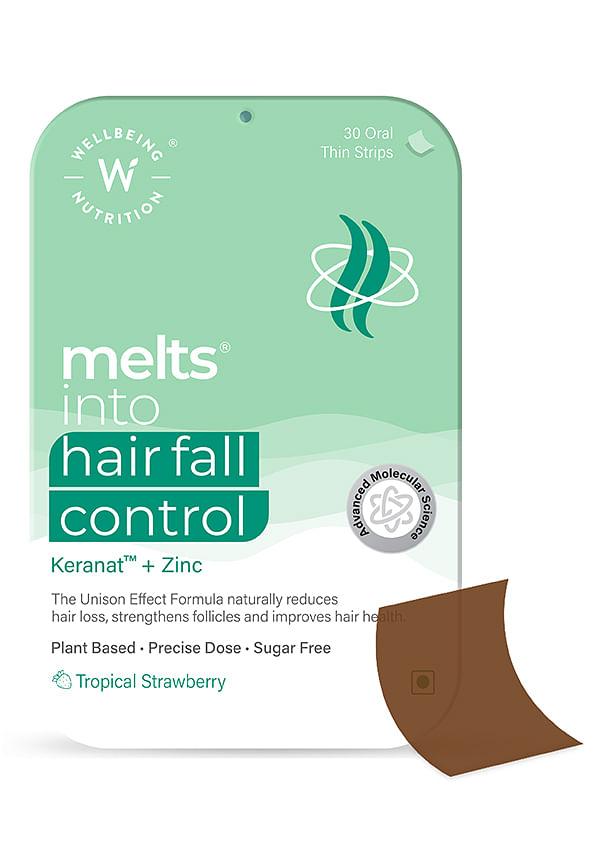
Melts Hair Fall Control Keranat & Zinc, Hair Loss Support to Improve Hair Anchoring (30 Oral Strips)
Scalp massage isn't just relaxing; it can actually help with circulation and hair growth. Essential oils like rosemary and peppermint have shown promise in studies, though they work best as part of a broader approach rather than standalone solutions. The key with natural remedies is consistency and realistic expectations.
What you eat directly impacts your hair health. Protein-rich foods, leafy greens, nuts, and seeds all support healthy hair growth. Supplements can help if you have specific deficiencies, but it's worth getting blood tests done first to see what you actually need rather than taking everything.
Prevention is always better than treatment, and there's quite a bit you can do to keep your hair healthy and minimise hair fall. It's about creating habits that support your hair rather than working against it.
How you handle your hair daily makes a huge difference. Wet hair is more fragile, so be gentle when towel-drying and detangling. Use a wide-tooth comb, start from the ends and work your way up. Heat styling tools should be used sparingly and always with a heat protectant. Air-drying when possible gives your hair a break from damage.
Managing stress isn't just good for your mental health — it's crucial for your hair too. Regular exercise, adequate sleep, and stress-reduction techniques like meditation can all help. Your hair growth cycle is sensitive to your overall wellbeing, so taking care of yourself shows up in your hair health.
Harsh chemicals in some hair products can cause damage and breakage. Sulphates, excessive alcohol in styling products, and chemical treatments like frequent colouring or perming can weaken hair. Tight hairstyles that pull on your hairline — think super-tight ponytails or braids — can cause traction alopecia over time.
Hair fall affects everyone differently depending on gender, age, and individual factors. Understanding these differences helps you choose the most appropriate solutions for your specific situation.
Women often experience hair fall related to hormonal changes — pregnancy, postpartum, PCOS, and menopause are common triggers. Female pattern hair loss typically shows up as diffuse thinning rather than bald patches. Iron deficiency is also more common in women and can significantly impact hair health.
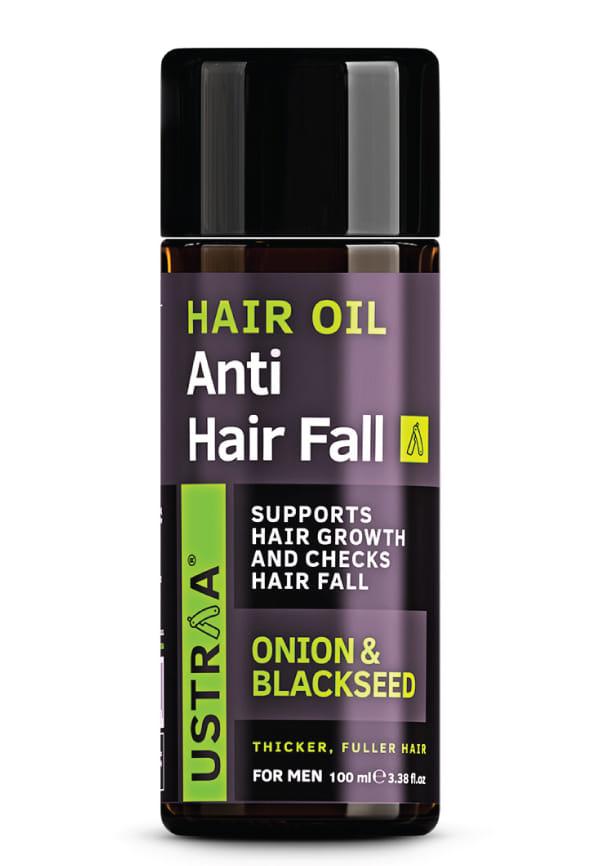
Anti Hair Fall Hair Oil
Male pattern baldness is the most common cause of hair loss in men, usually starting in the twenties or thirties. It follows a predictable pattern — receding hairline and crown thinning. DHT (dihydrotestosterone) sensitivity is the main culprit, which is why treatments often focus on blocking or reducing DHT.
Hair naturally changes as we age — it becomes finer, grows more slowly, and may thin out. What works for hair fall in your twenties might need adjusting in your forties or fifties. Younger people might focus more on lifestyle factors, while older adults might need more targeted treatments.
If you're experiencing sudden or severe hair fall, you'll want to take action quickly. While there's no instant fix, there are steps you can take to prevent further damage and start the recovery process.
First, figure out if what you're experiencing is normal shedding or actual hair loss. Losing 50-100 hairs a day is normal. If you're seeing bald patches, sudden thinning, or losing significantly more hair than usual, it's worth investigating further. Take photos to track changes over time.
Stop any harsh treatments immediately — no chemical processing, excessive heat, or tight styling. Switch to a gentle, sulphate-free shampoo and avoid over-washing. Start taking a multivitamin if you suspect nutritional deficiencies. These steps won't reverse hair loss overnight, but they'll stop additional damage.
Hair growth is slow, so think in terms of months rather than weeks. Create a routine that includes gentle haircare, stress management, and proper nutrition. Track your progress with photos and notes. If you don't see improvement after 3-4 months, it might be time to consult a professional.
Natural approaches include scalp massage to improve circulation, using gentle haircare products, managing stress levels, and ensuring you're getting enough protein, iron, and vitamins in your diet. Essential oils like rosemary can be helpful when used consistently. However, if hair fall is severe or sudden, it's worth seeing a dermatologist to rule out underlying conditions.
Androgenetic alopecia (genetic hair loss) is the most common cause, affecting about 95% of hair loss in men and being a major factor for women too. However, for many people, it's a combination of factors including genetics, hormones, stress, and nutritional deficiencies rather than just one single cause.
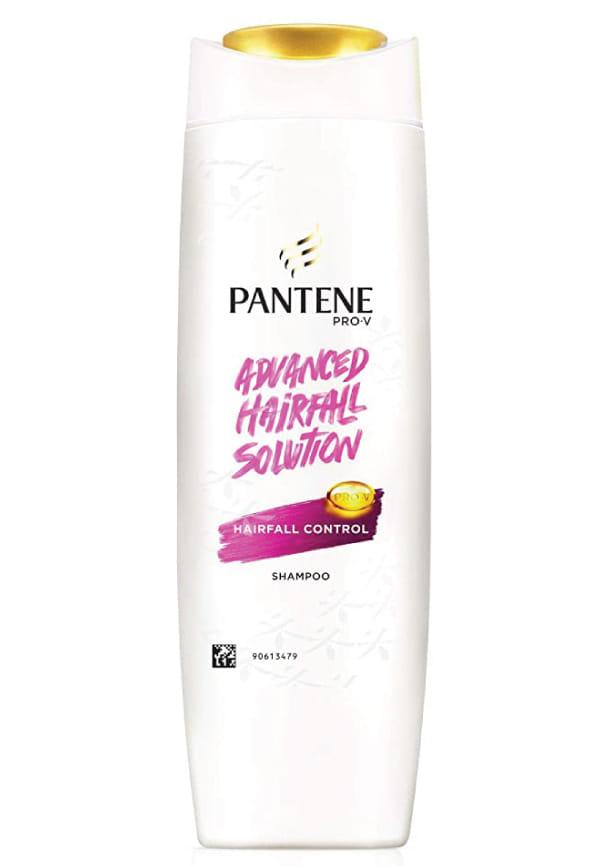
Advanced Hair Fall Solution Hair Fall Control Shampoo
Yes, losing 50-100 hairs per day is completely normal and part of the natural hair growth cycle. Your hair goes through growth, rest, and shedding phases, so some daily hair loss is expected. You should be concerned if you notice sudden increases in shedding, bald patches, or significant thinning over time.
Most hair fall treatments take 3-6 months to show noticeable results because hair grows slowly — only about half an inch per month. Some people might see reduced shedding within a few weeks, but actual regrowth and thickness improvements take longer. Consistency is key, and patience is essential for any hair fall treatment to work effectively.
Absolutely. Stress can trigger telogen effluvium, where hair follicles enter a resting phase and shed about 2-3 months later. This can happen after physical stress (illness, surgery) or emotional stress (job loss, relationship issues). The good news is that stress-related hair loss is usually temporary and reversible once stress levels are managed.
No, avoiding washing won't prevent hair fall. Hair that's ready to shed will fall out regardless of whether you wash it or not. In fact, a clean scalp is important for healthy hair growth. Just be gentle when washing and use lukewarm water with a mild shampoo. Over-washing can cause dryness, but under-washing can lead to scalp issues.
Supplements can help if you have specific nutritional deficiencies, but they won't work magic if your hair fall is due to genetics or hormones. Biotin, iron, and vitamin D supplements are commonly recommended, but it's best to get blood tests first to see what you actually need. A balanced diet is usually more effective than random supplementation.
See a dermatologist if you notice sudden, severe hair loss, bald patches, hair loss accompanied by itching or pain, or if your hair fall doesn't improve after 3-4 months of consistent care. Also seek help if hair loss is affecting your confidence or daily life — there are effective treatments available, and early intervention often works better.
Hair fall is incredibly common, and while it can be frustrating, there are plenty of effective solutions available. The key is identifying what's causing your hair fall — whether it's genetics, hormones, stress, or lifestyle factors — and choosing the right approach for your situation. Remember that hair growth is slow, so any treatment you try needs time to work. Be patient with the process and consistent with your routine.
Most importantly, don't let hair fall stress you out more than necessary. Stress itself can worsen hair loss, creating a cycle that's hard to break. Focus on what you can control — gentle haircare, good nutrition, stress management, and seeking professional help when needed. Your hair health is part of your overall wellbeing, so taking care of yourself holistically often shows up in stronger, healthier hair.
If you're looking to try different haircare products to support your hair health journey, exploring trial sizes can be a smart way to find what works for your specific needs without committing to full-size products. Smytten offers trial-size versions of many haircare products from trusted brands — a practical approach to discovering your perfect hair fall prevention routine before investing in larger bottles.
