Hair Damage From Rain FAQ: Common Questions Answered


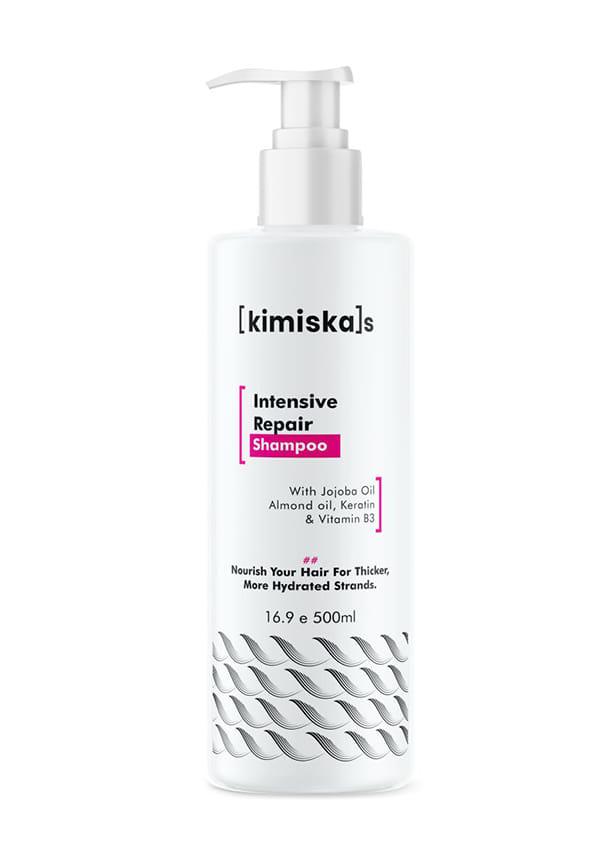
Intensive Hair Repair Shampoo for Dry and Frizzy Hair
You're rushing to catch the bus when the sky opens up. By the time you find shelter, your hair looks like you've been through a wind tunnel. Sound familiar? Rain might seem harmless, but it can actually wreak havoc on your hair in ways you probably never realised. From frizz that refuses to behave to breakage that leaves you questioning your entire routine, rainy weather brings its own set of hair challenges. Let's dive into the most common questions about rain and hair damage, plus get you sorted with real solutions that actually work.
Real talk—rain isn't just water falling from the sky. When rainwater hits your hair, it's carrying a cocktail of pollutants, dust, and chemicals it picked up on its way down. In cities, this means your hair is getting a dose of everything from car exhaust to industrial particles. Not exactly the refreshing rinse you'd want.
Here's what happens when rain meets your hair: the water causes your hair shaft to swell, making the cuticle layer lift up. Think of it like opening the scales on a fish—suddenly, your hair becomes more porous and vulnerable. This swelling weakens the hair structure temporarily, making it more prone to tangling and breakage. Plus, rainwater typically has a pH between 5.0-5.5, which is more acidic than your hair's natural pH of around 4.5-5.5. This slight difference might seem small, but it can disrupt your hair's protective acid mantle over time.
The real kicker? Urban rainwater often contains sulphur compounds and other pollutants that can strip away your hair's natural oils. So whilst you're dealing with the immediate frizz, your hair is also losing the moisture it needs to stay healthy. It's like a double hit that leaves your strands confused and damaged.
Let's break down the usual suspects when it comes to humidity hair problems. First up is frizz—that wild, uncontrollable texture that seems to appear the moment moisture hits the air. This happens because damaged or porous hair absorbs humidity unevenly, causing some sections to expand more than others. The result? Hair that looks like it has a mind of its own.
Then there's the tangling situation. Wet hair is incredibly fragile—about 30% weaker than dry hair, actually. When rain soaks your strands, they become stretchy and prone to knotting. Add some wind to the mix, and you've got a recipe for serious hair breakage from rain. Those knots aren't just annoying; they're actually causing microscopic tears in your hair shaft every time you try to work them out.
Hair frizz in humidity also comes with another unwelcome guest: scalp issues. That damp environment under wet hair can become a breeding ground for bacteria and fungi, especially if you're someone who tends to tie up wet hair or wear hats. This can lead to itchiness, flakiness, and even hair fall if left unchecked.
For those with colour-treated hair, rain damage hits differently. The lifted cuticles from water exposure allow colour molecules to escape more easily, leading to faster fading and dullness. It's like your expensive salon treatment is literally washing away with each downpour.
Caught in the rain? Don't panic. The first thing you want to do is gently squeeze out excess water with a microfibre towel or even a clean cotton t-shirt. Never rub or scrunch aggressively—remember, your hair is in its most vulnerable state right now. Think of it as handling wet tissue paper.
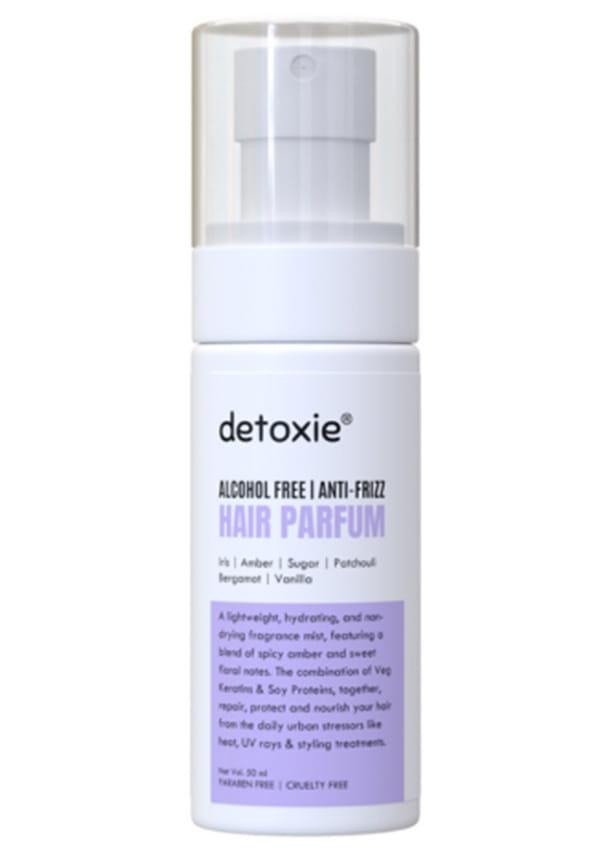
Alcohol Free Anti-Frizz Hair Parfum
If you're somewhere with a hand dryer, use it on the cool setting while gently lifting sections of your hair. The key word here is gentle. You're not trying to style; you're just removing enough moisture to prevent further damage. For damaged hair repair in emergency situations, finger-combing with a tiny bit of leave-in conditioner can help detangle without causing breakage.
Here's a trick that actually works: if you have access to a bathroom, flip your head upside down and gently shake out your roots. This helps restore some volume and prevents that flat, soggy look. Then, scrunch your hair gently upwards to encourage your natural texture to return. It won't be perfect, but it'll be presentable until you can properly address the situation at home.
Sometimes the best approach is to work with what you've got. Wet hair can be twisted into a low bun or braid that actually looks intentional. Just make sure to take it down as soon as possible to let your hair dry properly and prevent any fungal growth on your scalp.
Prevention is always better than cure, especially when it comes to protecting hair from rain. Start with your morning routine—applying a leave-in conditioner or anti-humidity serum creates a protective barrier that helps repel moisture. Look for products with silicones like dimethicone or cyclomethicone, which form a lightweight film over your hair shaft.
Your hairstyle choice matters more than you might think. Loose braids, low buns, or even a sleek ponytail can minimise the surface area exposed to rain. Avoid anything too tight that might cause breakage when your hair swells from moisture. Think protective, not restrictive.
Invest in a proper umbrella or a stylish scarf that you can quickly throw over your hair. Those tiny travel umbrellas might fit in your bag, but they're useless against wind-driven rain. A good-quality umbrella is honestly one of the best hair tools you can own during monsoon season.
For longer-term haircare for rainy weather, consider adjusting your washing schedule. If you know rain is forecast, wash your hair the night before rather than the morning of. Clean hair actually repels water better than hair that's loaded with styling products. Plus, you'll have better control over your style when you're starting with a fresh base.
If you have natural or textured hair, rain brings its own unique set of challenges. The higher porosity levels common in natural hair mean your strands can absorb moisture like a sponge, leading to unpredictable shrinkage and texture changes. This isn't necessarily damage, but it can be frustrating when you've spent time styling.
The key to managing natural hair in rain is understanding your hair's porosity level. High-porosity hair needs heavier, cream-based products that can seal the cuticle and prevent excessive moisture absorption. Low-porosity hair, on the other hand, might benefit from lighter oils that won't weigh it down but still provide protection.
Protective styling becomes crucial during rainy seasons. Styles like twist-outs, bantu knots, or braided updos can weather a storm much better than loose, stretched styles. The goal is to maintain your hair's natural curl pattern whilst protecting the ends—the oldest and most fragile part of your hair.
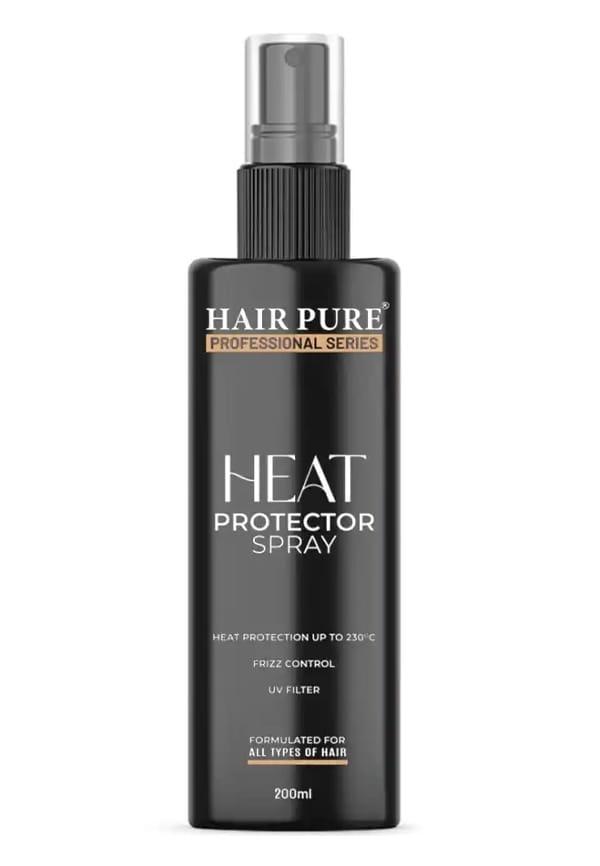
Heat Protector Spray Heat Protection Up to 230ºC, Controls Frizz
Hair hydration tips for natural hair in humid weather might seem counterintuitive, but proper moisture balance is everything. Well-moisturised hair is less likely to seek moisture from the environment, which means less frizz and better curl definition even in humid conditions. Focus on deep conditioning treatments and leave-in products that contain humectants like glycerin—but only in moderation during very humid weather.
Sometimes the damage from repeated rain exposure goes beyond what home treatments can fix. If you're noticing increased breakage, persistent dryness, or changes in your hair's texture that don't improve with regular conditioning, it might be time to consider professional help.
Salon treatments for damaged hair repair typically focus on either protein reconstruction or deep moisture therapy, depending on what your hair needs most. Protein treatments help rebuild the hair's internal structure, particularly useful if you're experiencing elasticity issues or excessive stretching when wet. Moisture treatments, on the other hand, focus on replenishing lipids and natural oils that rain and humidity can strip away.
At-home alternatives include weekly deep conditioning masks, protein treatments every 4-6 weeks, and regular oil treatments to seal the cuticle. The key is consistency rather than intensity—gentle, regular care works better than sporadic intensive treatments.
Recovery time varies depending on the extent of damage and your hair's natural growth rate. Since hair grows about half an inch per month, you're looking at several months to see significant improvement in hair that's been repeatedly damaged by rain and humidity. Patience is crucial, but the results are worth it.
Start by gently squeezing out excess water with a microfibre towel, then finger-comb with a leave-in conditioner to prevent tangling. Avoid heat styling immediately; instead, let your hair air dry naturally or use a cool blow dryer setting. If you need to style right away, work with your hair's natural texture rather than fighting it.
Occasional rain exposure won't cause permanent damage, but repeated exposure to polluted rainwater without proper protection and care can lead to cumulative damage. The good news is that most rain-related hair damage is reversible with proper treatment and protective measures. The key is not letting small problems become big ones.
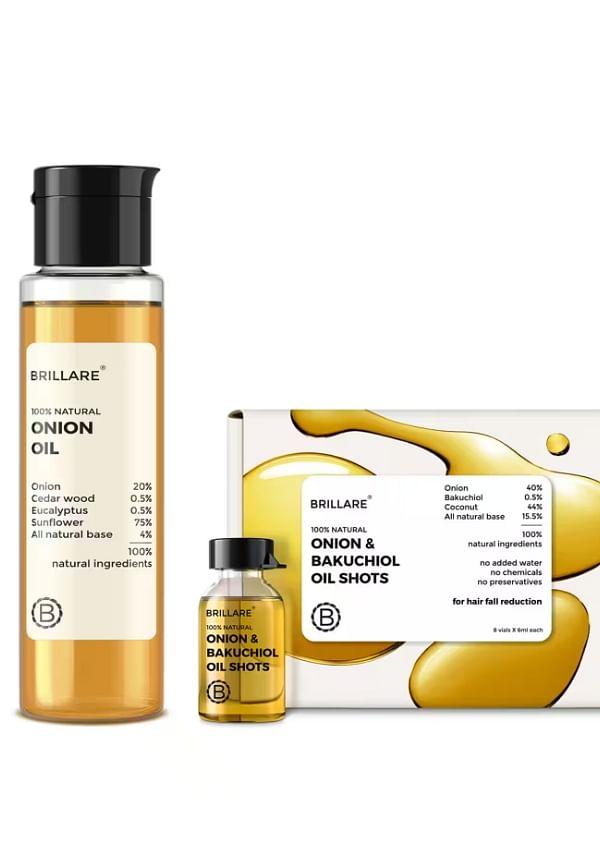
Hair & Scalp Treatment Duo for Dry, Frizzy & Hair Fall-Prone Hair
Rain itself doesn't directly cause hair fall, but the weakening effect of repeated wetting and drying cycles can lead to increased breakage, which might look like hair loss. True hair loss from the root is usually related to scalp conditions that can develop from keeping hair damp for extended periods. If you're noticing unusual amounts of hair coming out, it's worth checking with a dermatologist.
This is a common myth that needs addressing. Whilst pure rainwater is soft and free from the chemicals found in tap water, urban rainwater contains pollutants that can actually harm your hair. Clean, filtered water is always a better choice for hair health than rainwater, regardless of where you live.
Look for sulphate-free formulas with a pH between 4.5-5.5 that won't further strip your hair. Ingredients like keratin, amino acids, and natural oils can help repair damage, whilst gentle cleansers remove pollutants without over-drying. Avoid anything with harsh detergents that might worsen existing damage.
Colour-treated hair needs extra protection since the chemical processing makes it more porous. Use colour-safe products with UV protection, apply a leave-in treatment before going out, and consider a silk scarf or umbrella for extended outdoor time. The key is creating a barrier between your hair and the elements.
Frizz happens when the hydrogen bonds in your hair break and reform due to moisture in the air. Damaged or porous hair is more susceptible because it absorbs humidity unevenly. Regular deep conditioning and using anti-humidity products can help maintain your hair's moisture balance and reduce frizz.
Not necessarily. If the rain was light and your hair isn't completely soaked, you might be able to let it air dry and style as usual. However, if you were caught in heavy rain, especially in an urban area, washing out the pollutants and starting fresh is probably your best bet. Trust your judgement based on how your hair feels and looks.
Rain doesn't have to be your hair's worst enemy. With the right knowledge and preparation, you can protect your strands from damage and even learn to work with humid weather rather than against it. The key is understanding your hair's unique needs and having a solid game plan for both prevention and recovery.
Remember, consistency in your haircare routine matters more than expensive quick fixes. Regular deep conditioning, protective styling when needed, and using the right products for your hair type will serve you much better than panic-buying every new anti-frizz serum on the market.
If you're still figuring out which products work best for your hair in different weather conditions, Smytten's curated selection includes trial-size versions of many top haircare brands. It's a smart way to test what actually works for your hair before committing to full-size bottles—especially useful when you're building a weather-resistant routine that actually delivers results.
