Hair Care for Beginners FAQ: Your Basic Hair Maintenance Questions Answered
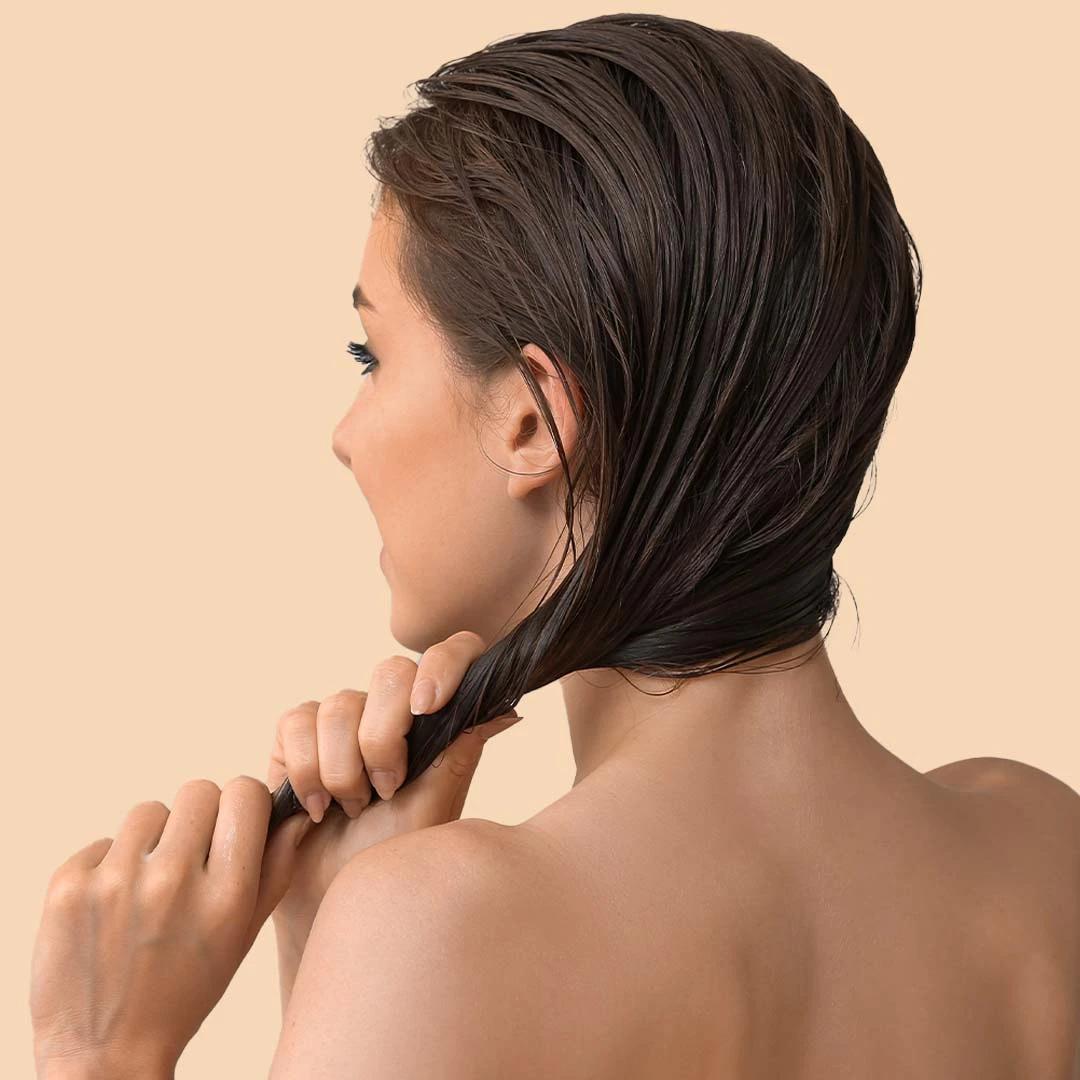

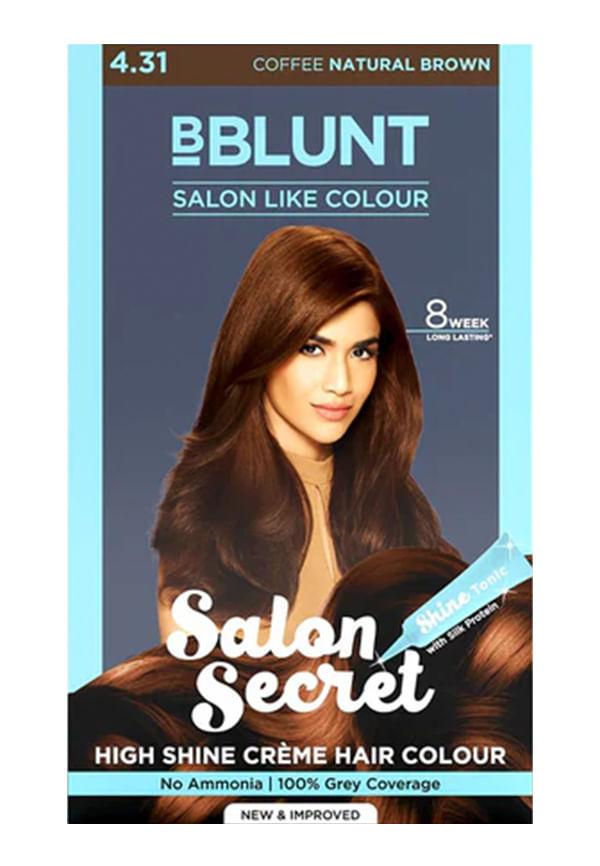
Salon Secret High Shine Conditioning Hair Colour
Ever stood in the haircare aisle feeling completely lost? You're not alone. Between sulfate-free shampoos, leave-in conditioners, and heat protectants, starting a proper hair routine can feel overwhelming. But here's the thing — good hair doesn't require a chemistry degree or a massive budget. It just needs the right basics done consistently. Whether you're dealing with greasy roots by day two or wondering why your hair feels like straw, we've got you covered with straightforward answers to the questions every hair newbie asks.
Before diving into products and routines, you need to know what you're working with. Think of it like getting to know a new friend — the better you understand them, the better you can care for them.
Hair type isn't just about straight, wavy, or curly. Your scalp's oil production plays a huge role too. Oily hair might need washing every day or two, while dry hair can go longer between washes. Then there's combination hair — oily roots with dry ends — which is actually super common but rarely talked about.
Porosity is another factor worth knowing. High porosity hair soaks up moisture quickly but loses it just as fast. Low porosity hair takes forever to get wet but holds onto moisture well. You can test this by dropping a clean strand in water — if it floats, you've got low porosity. If it sinks quickly, it's high porosity.
Your scalp health matters just as much as your hair strands. Itchy, flaky, or tender scalp? That's your starting point. Healthy hair grows from a healthy scalp, so addressing any scalp concerns should be priority number one in your beginner hair guide.
Most people starting their hair journey deal with similar issues. Dryness, oiliness, frizz, and breakage top the list. The good news? These are all manageable with the right approach and patience.
A solid hair care routine doesn't need to be complicated. Start with the basics and build from there. Think of it as creating healthy hair habits that become second nature over time.
The foundation of any routine is cleansing, conditioning, and protecting. Everything else — masks, oils, styling products — can come later once you've mastered these three steps.
Always detangle before washing. Wet hair is fragile, and trying to work through knots with shampoo in your hair is a recipe for breakage. Use a wide-tooth comb or detangling brush, starting from the ends and working your way up.
Focus shampoo on your scalp, not your lengths. Your scalp produces oil, not your ends. Massage gently with your fingertips — never your nails — and let the suds rinse through your lengths as you wash it out.
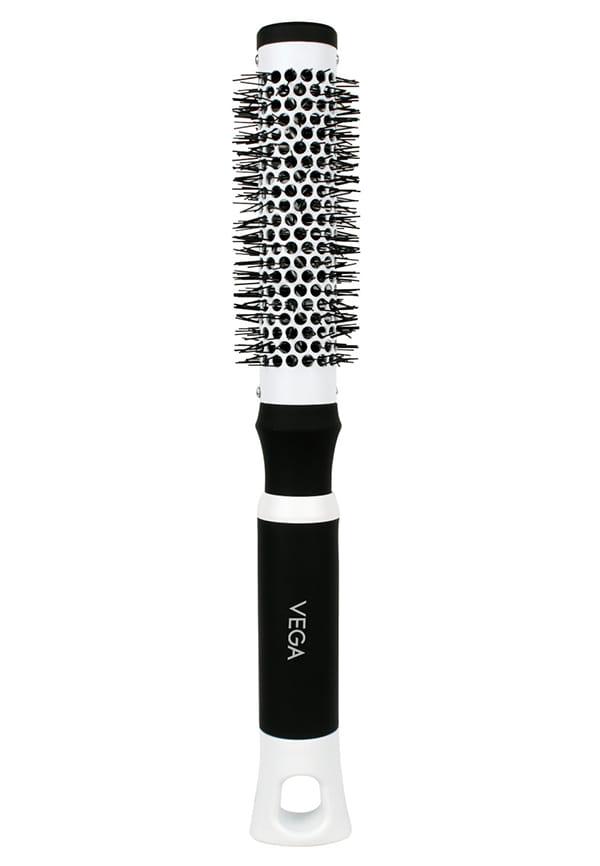
Hot Curl Hair Brushfor Hair Styling, Drying, Healthy Hair and Add Volume, Small (H1-PR S)
Conditioner goes on the mid-lengths to ends, avoiding the roots unless your hair is very dry. Leave it on for a few minutes while you wash your body or shave. This gives it time to actually penetrate the hair shaft.
How often should you wash? It depends entirely on your hair type and lifestyle. Oily hair might need daily washing, while dry or curly hair could go three to four days. Pay attention to how your hair feels and looks rather than following a rigid schedule.
Water temperature matters more than you think. Hot water strips natural oils and can irritate your scalp. Lukewarm water opens the hair cuticle enough for cleansing without overdoing it. End with a cool rinse to seal the cuticle and add shine.
One of the biggest hair washing mistakes beginners make is using too much product. A coin-sized amount of shampoo is usually enough for shoulder-length hair. More product doesn't mean cleaner hair — it just means more residue to rinse out.
Signs you're washing too often include increased oiliness (your scalp overcompensates), dryness, or irritation. Under-washing shows up as buildup, itchiness, or hair that feels heavy and looks dull.
Conditioning isn't optional — it's essential for healthy hair habits. Even oily hair needs conditioner on the ends. The key is choosing the right type and applying it correctly.
Regular rinse-out conditioner should be used after every shampoo. Leave-in conditioner is extra moisture for dry or damaged hair. Deep conditioning treatments are weekly or bi-weekly intensive care sessions.
Rinse-out conditioners provide immediate detangling and moisture. Leave-in conditioners offer ongoing protection and hydration throughout the day. You can use both if your hair needs extra help.
Once a week is perfect for most hair types. Dry or damaged hair might benefit from twice weekly treatments. Apply to damp hair, cover with a shower cap, and leave for 15-20 minutes before rinsing thoroughly.
Starting your hair care journey doesn't require a bathroom full of products. Focus on quality basics that work for your specific hair type rather than collecting everything you see on social media.
Your starter kit should include a gentle shampoo, a good conditioner, a leave-in treatment or hair oil, and a heat protectant if you use styling tools. That's it. You can always add more products later as you learn what your hair responds to.
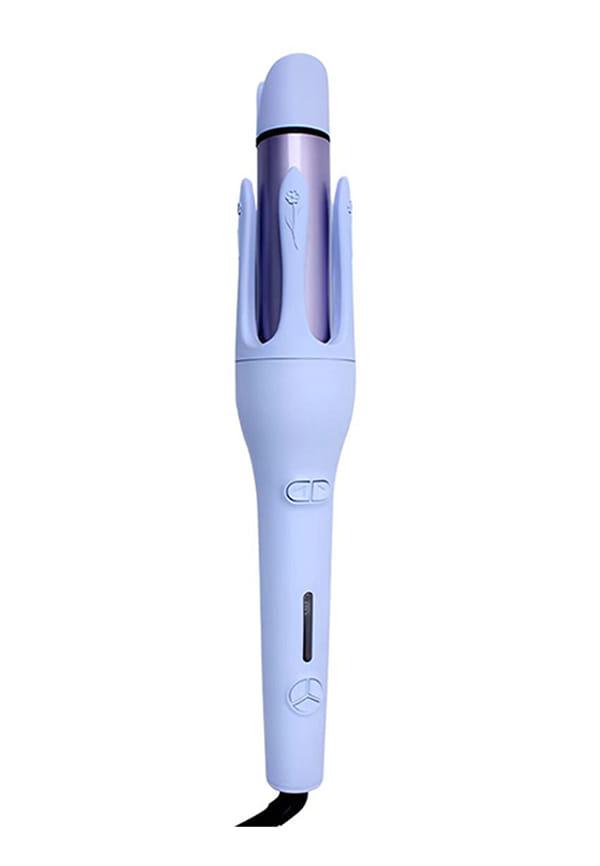
Advanced 2 In 1 Professional Automatic Hair Curler and Straightener
When choosing hair products for beginners, look for sulfate-free shampoos if you have dry or colour-treated hair. For oily hair, a clarifying shampoo once a week can help remove buildup. Always read ingredient lists and avoid products with too much alcohol, which can be drying.
Budget-friendly doesn't mean low quality. Many drugstore brands offer excellent formulations. The key is finding products that work for your hair type, not necessarily the most expensive ones.
Ingredients are listed in order of concentration. The first five ingredients make up most of the product. Look for moisturising ingredients like glycerin, hyaluronic acid, or natural oils in conditioners.
Heat styling isn't inherently bad, but it needs to be done thoughtfully. Always use a heat protectant — think of it as sunscreen for your hair. Apply it to damp hair before blow-drying or to dry hair before using hot tools.
Air-drying is gentler than heat styling, but technique matters. Gently squeeze out excess water with a microfibre towel or cotton t-shirt. Regular towels can cause frizz and breakage. For curly hair, try the plopping method — wrapping your hair in a t-shirt to enhance natural curl patterns.
Simple protective styles like loose braids or low buns can prevent tangles and breakage, especially while sleeping. Silk or satin pillowcases reduce friction and help maintain moisture levels overnight.
Start with basics: a good brush for your hair type, a wide-tooth comb for detangling, and a microfibre towel. If you want heat tools, invest in ones with adjustable temperature settings and ceramic or tourmaline plates.
Begin by identifying your hair type and current concerns. Start with basic products — a gentle shampoo, conditioner, and leave-in treatment. Establish a washing schedule based on how oily your scalp gets, and always be gentle when handling wet hair. Focus on consistency rather than trying multiple new products at once.
Day 1: Wash and condition, apply leave-in treatment. Days 2-3: Refresh with water or leave-in spray, gentle brushing. Day 4: Deep conditioning treatment or hair mask. Days 5-6: Dry shampoo if needed, protective styling. Day 7: Pre-wash oil treatment, then wash and condition. Adjust frequency based on your hair's oil production and needs.
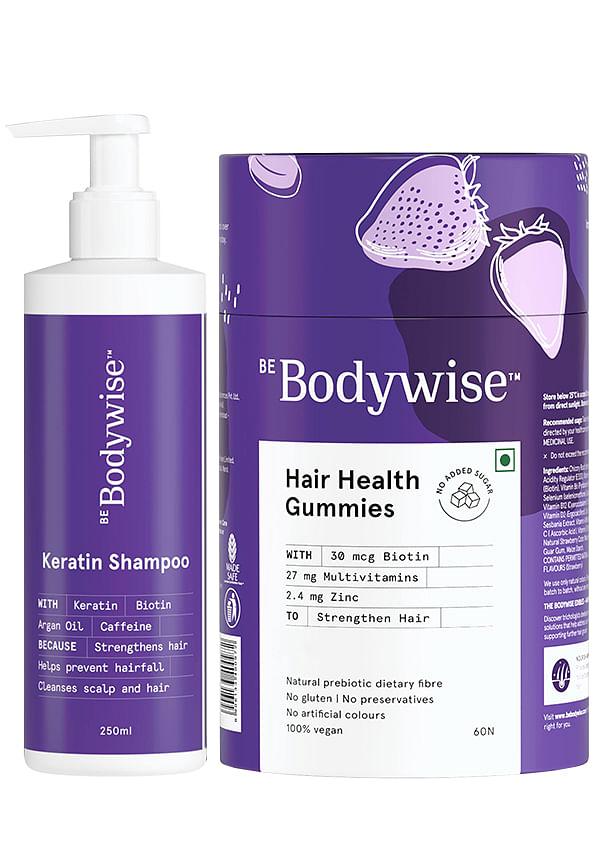
Hair Health Starter Pack for Hair Health, Hair Growth
It depends on your hair type and scalp condition. Oily hair typically needs washing every 1-2 days, normal hair every 2-3 days, and dry or curly hair every 3-4 days. Start with every other day and adjust based on how your hair looks and feels. Your scalp will guide you — if it feels greasy or itchy, it's time to wash.
Over-washing, using too much product, brushing wet hair aggressively, applying conditioner to roots, using hot water, and expecting immediate results. Also, trying too many new products at once makes it impossible to know what's actually working. Start slow and introduce one new product at a time.
Hair care fundamentals are the same regardless of gender. The main differences come from hair length, styling preferences, and individual hair type. Men with shorter hair might wash more frequently, while those with longer hair follow similar routines to women. Focus on your specific hair needs rather than gendered marketing.
Most people notice immediate improvements in manageability and feel within a week. Visible changes in hair health, shine, and texture typically appear after 4-6 weeks of consistent care. Hair growth and repair happen slowly, so patience is key. Take progress photos to track subtle improvements you might not notice day-to-day.
Price doesn't always indicate quality. Expensive products might have fancier packaging or marketing, but drugstore options often contain similar active ingredients. Focus on ingredient lists and how products perform on your hair rather than price tags. Sometimes a £5 conditioner works better than a £50 one.
Your hair's needs can change with seasons, hormones, stress levels, and environmental factors. You might need more moisture in winter or lighter products in humid summer weather. Pay attention to how your hair responds and adjust accordingly. Having a few different options isn't excessive — it's smart.
Give new products 2-3 weeks to show results, unless you experience immediate irritation or allergic reactions. Signs a product isn't working include increased dryness, oiliness, breakage, or scalp irritation. Your hair should feel softer and more manageable with the right products, not worse.
Severely damaged hair can't be fully repaired, but you can improve its appearance and prevent further damage while it grows out. Regular trims, deep conditioning, protein treatments, and gentle handling help. The key is realistic expectations — focus on keeping new growth healthy rather than trying to fix what's already damaged.
Starting your hair care journey doesn't have to be overwhelming. Focus on understanding your hair type, establishing basic healthy hair habits, and being consistent with simple routines. Remember, good hair care is a marathon, not a sprint — small, consistent efforts yield better results than dramatic overhauls.
The most important lesson? Listen to your hair. It will tell you what it needs through how it looks, feels, and behaves. Don't get caught up in trends or what works for others. Your hair is unique, and your routine should be too.
Ready to start your hair care journey but not sure which products suit your specific needs? Smytten's curated collection includes trial sizes from trusted haircare brands, letting you test different formulations before committing to full-size bottles. It's a smart way to discover what actually works for your hair type without the guesswork or waste.
