Frizzy Hair in Humidity FAQ: Your Questions Answered

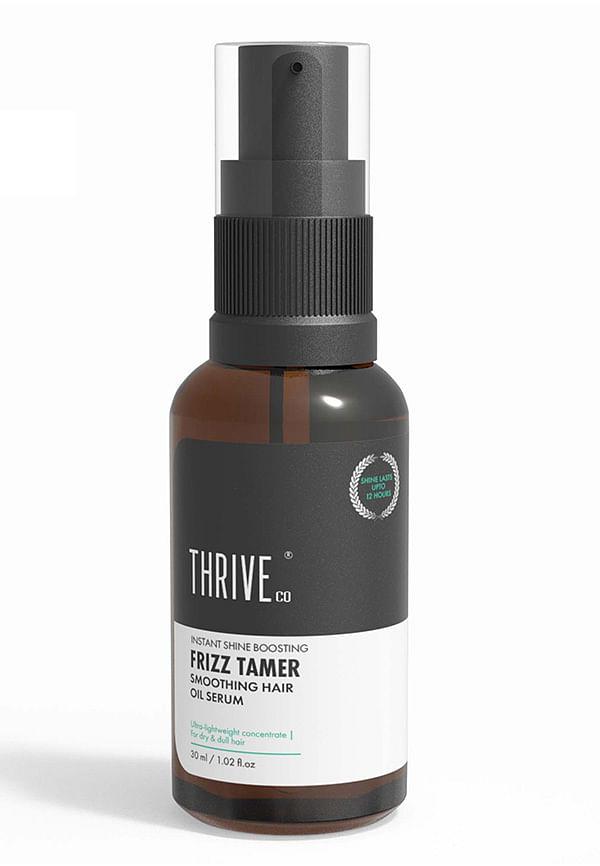
Frizz Tamer Smoothening Hair Oil
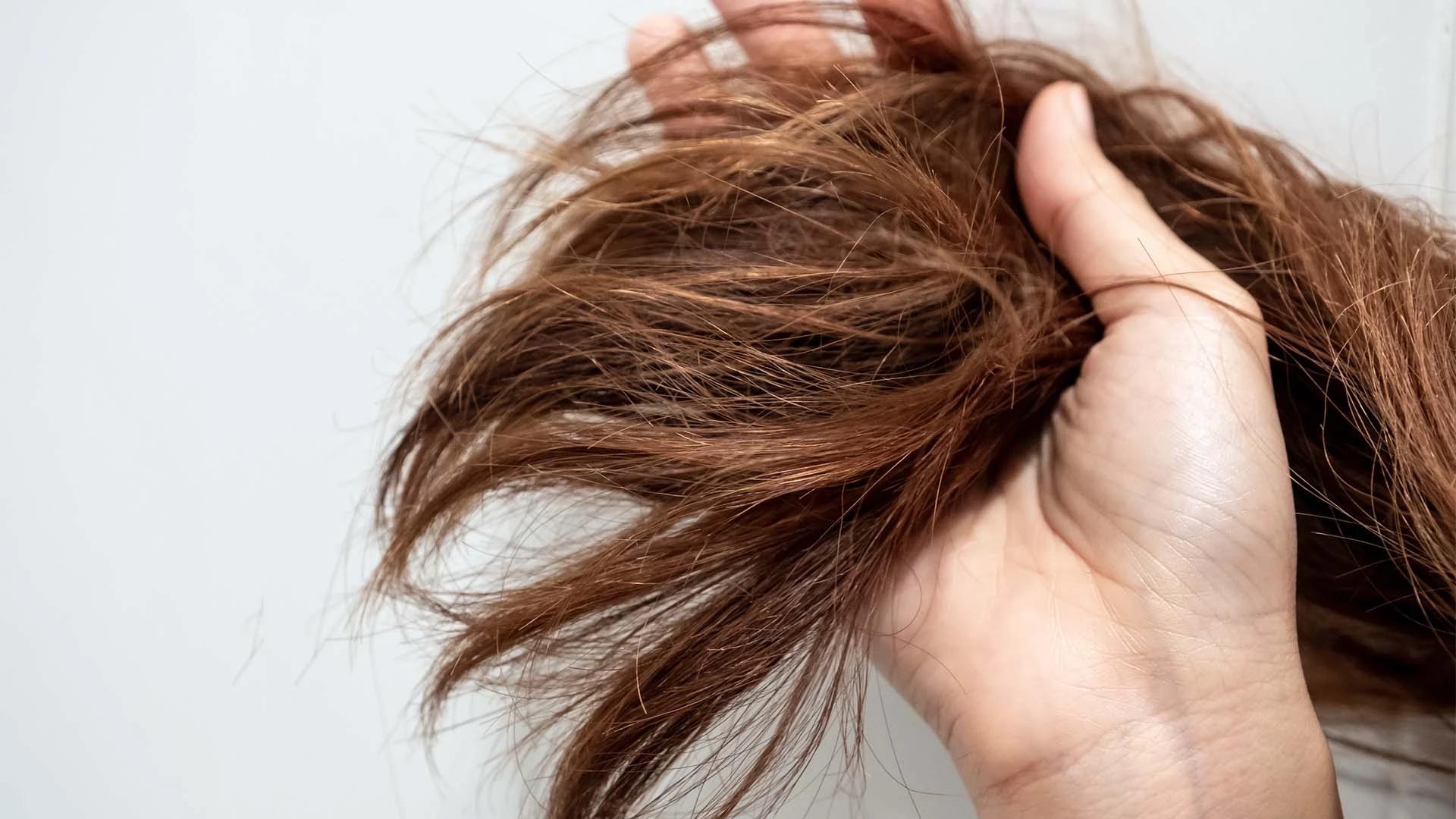
Picture this: you've just spent ages perfecting your hair, and the moment you step outside, it transforms into a frizzy mess. Sound familiar? If humidity is your hair's worst enemy, you're definitely not alone. Millions of people struggle with frizzy hair in humidity, and honestly, it can feel like a losing battle. But here's the thing—understanding why it happens and knowing the right tricks can completely change your hair game. Let's dive into everything you need to know about taming frizz when the air gets thick and sticky.
Real talk—humidity hair drama isn't just about bad luck. There's actual science behind why your locks go wild when moisture levels spike. Your hair is basically like a sponge, and when there's extra moisture floating around in the air, it wants to soak it all up.
Here's what's really happening: each strand of your hair has tiny scales called cuticles that lie flat when your hair is healthy and smooth. But when humidity strikes, these cuticles lift up to let moisture in. The more damaged your hair cuticles are (thanks to heat styling, chemical treatments, or just daily wear and tear), the more they'll grab onto that humid air.
Think of it like this—if your hair cuticles are smooth and sealed, humidity bounces right off. But if they're rough and lifted, they're basically rolling out the red carpet for moisture to come in and cause chaos. This extra moisture makes your hair shaft swell unevenly, creating that dreaded frizzy texture we all know too well.
Hair porosity plays a massive role here too. High porosity hair (the kind that's been through a lot) absorbs moisture super quickly, whilst low porosity hair might resist it initially but then struggle to let it out. Either way, humidity becomes your hair's frenemy—sometimes helpful, often just plain annoying.
Making your hair truly humidity proof isn't about finding one magic product—it's about building a solid defence system. The goal is to seal your hair cuticles so tightly that humidity can't sneak in and wreak havoc.
Start with your washing routine. Over-washing strips your hair of natural oils, leaving those cuticles wide open for humidity to attack. Try washing every other day or even less if your hair can handle it. When you do wash, use lukewarm water instead of hot—heat opens up those cuticles even more.
Deep conditioning becomes your best friend when you're trying to manage frizzy hair. A weekly moisture mask helps fill in any gaps in damaged cuticles, creating a smoother surface that humidity can't penetrate as easily. Look for ingredients like keratin, proteins, and natural oils that actually repair and strengthen your hair structure.
Your drying technique matters more than you might think. Rough towel-drying is basically asking for frizz. Instead, gently squeeze out excess water with a microfibre towel or even a cotton t-shirt. These materials are way gentler on your hair cuticles.
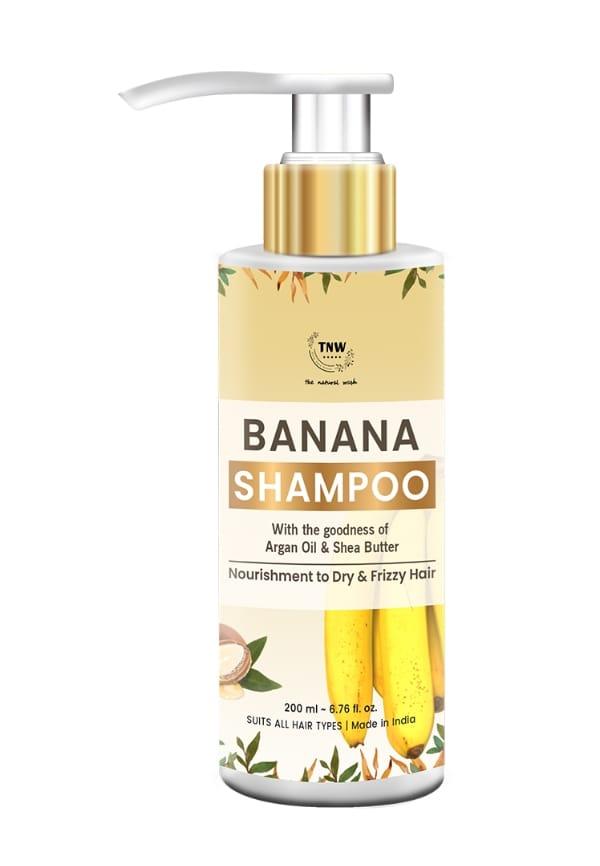
Banana Shampoo for Frizz | AntiFrizz Shampoo for All Hair Types | Banana Shampoo for Manageable Hair200ml
Not all anti frizz products are created equal, and finding the right ones can feel like searching for a needle in a haystack. The key is understanding what ingredients actually help create that humidity-resistant barrier you're after.
Silicone-based serums are brilliant for creating a protective coating around each hair strand. They're like a raincoat for your hair—keeping moisture out whilst locking in the good stuff. Look for ingredients like dimethicone or cyclopentasiloxane on the label.
Leave-in conditioners with film-forming polymers are another game-changer. These create an invisible shield that helps maintain your style even when humidity levels spike. The best ones contain ingredients like polyquaternium compounds that smooth down cuticles whilst providing lasting protection.
Don't sleep on natural oils either. Argan oil, coconut oil, and jojoba oil can penetrate the hair shaft and help seal those cuticles from the inside out. Just remember—a little goes a long way. Too much and you'll end up with greasy hair instead of smooth hair.
Sometimes your regular routine needs backup, and that's where hair smoothing treatments come in. These range from professional salon treatments to DIY options you can try at home.
Keratin treatments are probably the most well-known professional option. They work by filling in the porous parts of your hair with keratin protein, then sealing everything with heat. The result? Hair that's significantly more resistant to humidity for about three to four months. Just know that these treatments can be pricey and require some maintenance.
Brazilian blowouts work similarly but tend to be a bit gentler on your hair. They coat each strand with a protective layer that helps block humidity whilst adding serious shine. The effects typically last two to three months, and you can wash your hair immediately after treatment.
If salon treatments aren't in your budget, at-home smoothing masks can still make a real difference. Look for treatments with hydrolysed proteins, amino acids, and ceramides. These ingredients help temporarily smooth your hair cuticles and can last for several washes.
Semi-permanent treatments like hair glosses or glazes also help create a smoother surface that's less likely to absorb humidity. They're gentler than chemical straightening but still provide noticeable frizz control for about four to six weeks.
Your daily routine is where the magic really happens when it comes to defrizz hair goals. It's all about consistency and using the right techniques every single day.
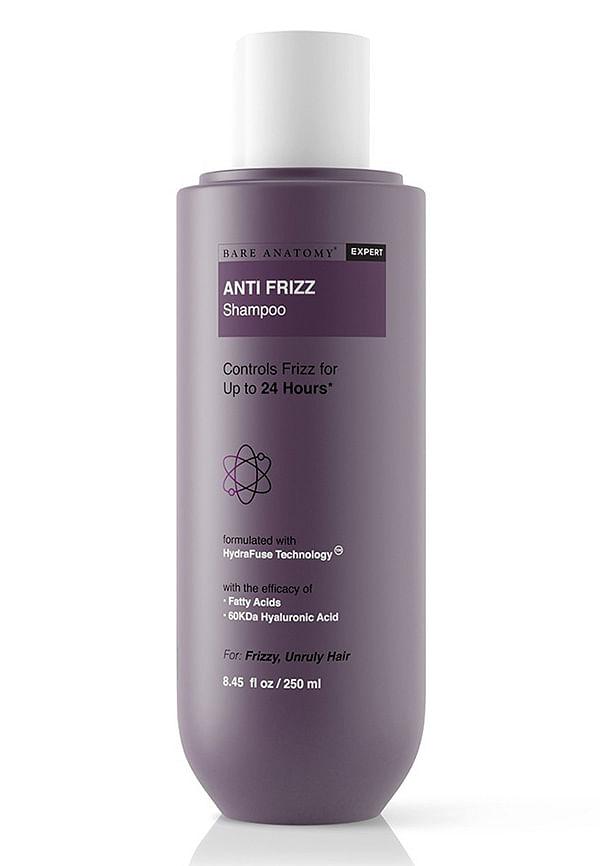
Expert Anti-Frizz Shampoo Tames Frizz For Up To 24 Hours
Morning prep starts in the shower. Use a moisturising shampoo that won't strip your hair, followed by a rich conditioner focused on your mid-lengths and ends. After washing, apply a leave-in conditioner whilst your hair is still damp—this helps lock in moisture before humidity can get in.
Product layering is crucial for humidity protection. Start with your leave-in conditioner, then add a heat protectant if you're using hot tools, followed by a smoothing serum or oil. The key is applying products to damp hair so they can penetrate properly and create that protective barrier.
When it comes to styling, work with your hair's natural texture instead of fighting against it. If you have naturally wavy hair, enhance those waves with a curl-defining cream. If your hair is straight but gets frizzy, focus on smoothing techniques that seal the cuticle.
Don't forget about overnight protection. Sleeping on a silk or satin pillowcase reduces friction that can rough up your cuticles. You can also try protective styles like loose braids or a silk scarf to keep your hair smooth whilst you sleep.
The trick is sealing your straightened hair properly. After straightening, run a small amount of anti-humidity serum through your hair, then finish with a cool blast from your blow dryer. This helps set your style and creates a barrier against moisture. Avoid touching your hair throughout the day, as the oils from your hands can disrupt that protective layer you've created.
Overnight frizz happens because your hair loses moisture to your pillow and the surrounding air, causing cuticles to lift and grab humidity. Cotton pillowcases are particularly guilty of this since they absorb moisture from your hair. Switch to silk or satin, and consider applying a tiny bit of leave-in conditioner before bed to keep your hair hydrated.
Several vitamin deficiencies can contribute to frizzy hair, but the main culprits are biotin (B7), vitamin D, and iron. These nutrients are essential for healthy hair structure and moisture retention. If your hair suddenly becomes more frizzy than usual, it might be worth checking your levels with a doctor. However, remember that genetics and damage play bigger roles than nutrition in most cases.
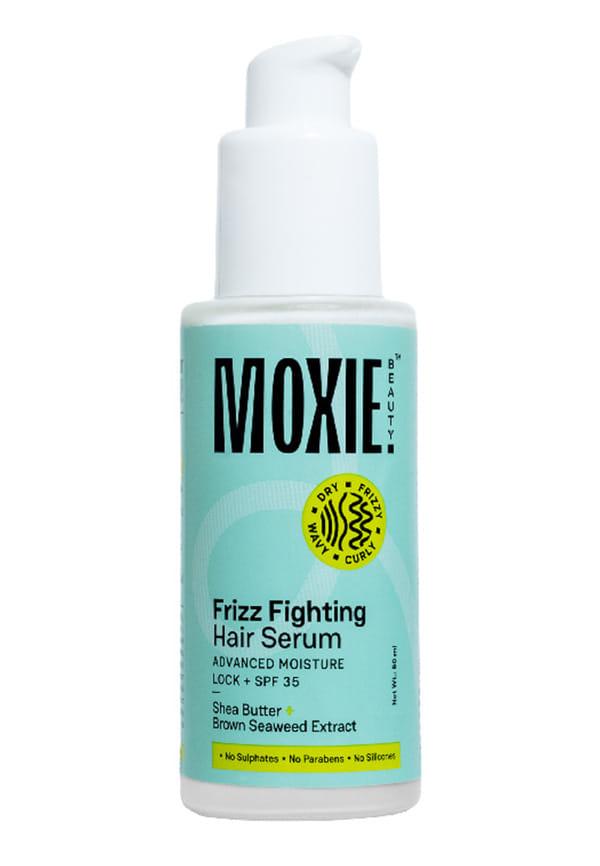
Frizz Fighting Hair Serum For Dry and Frizzy Hair
Glycerin is the big one to watch out for. In high humidity, glycerin pulls moisture from the air into your hair, which sounds good but actually causes swelling and frizz. Also avoid alcohol-based products (like some hairsprays) that can dry out your hair and make it more susceptible to humidity. Instead, look for products with silicones, oils, and film-forming polymers.
Less is definitely more when it comes to washing frizzy hair in humidity. Aim for every two to three days max, or even less if your hair can handle it. Over-washing strips natural oils that help protect against humidity. On non-wash days, try co-washing (using just conditioner) or dry shampoo to refresh your roots without disrupting your hair's natural moisture balance.
Regular conditioner is too heavy to use as a leave-in and can weigh your hair down or make it greasy. Leave-in conditioners are specially formulated to be lighter and provide ongoing protection without buildup. If you're in a pinch, you can dilute regular conditioner with water, but it's better to invest in a proper leave-in for best results.
Not necessarily. Price doesn't always equal performance when it comes to frizz control. Some drugstore products contain the same active ingredients as high-end ones. The key is finding products with proven frizz-fighting ingredients like silicones, proteins, and natural oils, regardless of the price tag. Sometimes it's just about finding what works for your specific hair type.
You should notice some immediate improvement after your first use of quality anti frizz products, but significant changes typically take two to four weeks of consistent use. This is because your hair needs time to repair and build up that protective barrier. Stick with your routine for at least a month before deciding if it's working for you.
Managing frizzy hair in humidity isn't about finding one perfect product—it's about understanding your hair and building a routine that works. Focus on sealing your hair cuticles, maintaining proper moisture balance, and protecting your strands from environmental damage.
Remember that consistency is everything. The best anti-frizz routine is one you'll actually stick to, so start simple and build from there. Whether you're dealing with occasional humidity hair drama or year-round frizz struggles, the right combination of products and techniques can make all the difference.
Your hair journey is unique, and what works for your friend might not work for you. Don't be afraid to experiment with different frizzy hair solutions until you find your perfect match. Not sure which products might work for your hair type? Smytten also offers trial-size versions of many anti-frizz products—a good way to test different formulas before committing to full-size bottles.
