Frizz Solutions Rainy Season FAQ: Humidity Hair Control & Remedies


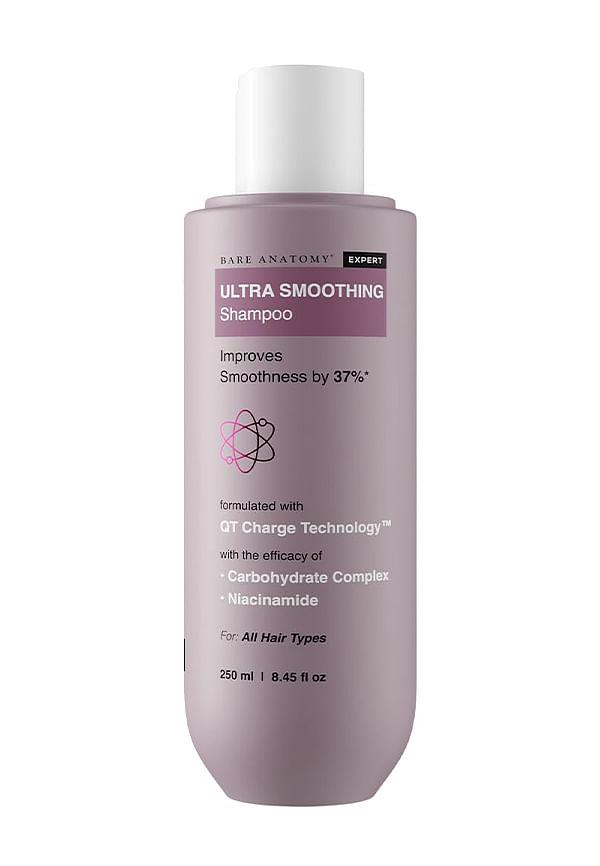
Ultra Smoothing Shampoo for Dry and Frizzy Hair
Picture this: you wake up with perfectly smooth hair, step outside for five minutes, and suddenly look like you've been struck by lightning. Sound familiar? If you're nodding along, you're definitely not alone. The rainy season brings its own set of hair challenges, and frizz is probably the most frustrating one. But here's the thing—understanding why it happens and having the right game plan can totally change your hair game during those humid months.
Let's get real about what's actually happening to your hair when the humidity levels spike. Your hair cuticles are like tiny scales that lie flat when your hair is healthy and smooth. But when there's moisture in the air, these cuticles lift up and allow water molecules to penetrate the hair shaft. This causes your hair to swell unevenly, creating that dreaded frizzy texture we all know too well.
Different hair types react differently to humidity. If you've got naturally curly or wavy hair, you're probably more prone to frizz because your hair structure already has natural weak points where moisture can sneak in. Fine hair might go limp and lose its shape, while thick hair can turn into a puffy mess. Damaged hair from heat styling or chemical treatments is especially vulnerable because those cuticles are already compromised.
It's not just about the rain itself either. Wind, temperature changes, and even moving between air-conditioned spaces and humid outdoors can trigger frizz. Your hair is basically reacting to every environmental shift, which explains why some days are worse than others even when it's not actively raining.
Building your frizz-fighting arsenal starts with understanding which products actually work and when to use them. Sulfate-free shampoos are your first line of defence because they cleanse without stripping your hair's natural oils. Look for ingredients like glycerin, hyaluronic acid, or ceramides that help lock in moisture while keeping humidity out.
Leave-in conditioners and serums serve different purposes, so knowing which one suits your hair type makes all the difference. Leave-in conditioners are brilliant for dry or damaged hair that needs ongoing moisture, while lightweight serums work better for fine hair that gets weighed down easily. The key is applying them to damp hair and focusing on the mid-lengths to ends rather than the roots.
Heat protectants with humidity barriers are absolute game-changers if you still need to style your hair. These create a protective film around each strand that blocks moisture from getting in. Hair oils can be tricky during humid weather—use them sparingly and only on the ends unless you want to look like you haven't washed your hair in days.
Product layering is where the magic happens. Start with a leave-in conditioner on damp hair, add a small amount of serum or oil to the ends, and finish with a light-hold styling product if needed. The trick is using less than you think you need and building up gradually.
Professional treatments like keratin or Brazilian blowouts can be worth considering if you're dealing with severe frizz during rainy season. These treatments temporarily alter your hair's structure to make it more resistant to humidity. A good keratin treatment can last 3-4 months and significantly reduce your daily styling time. However, they're not cheap and require some maintenance to keep them looking their best.
At-home solutions can be surprisingly effective if you're consistent with them. Weekly deep conditioning masks using ingredients like coconut oil, shea butter, or argan oil help strengthen your hair's moisture barrier. The key is leaving these treatments on for at least 20-30 minutes to let the ingredients properly penetrate your hair shaft.
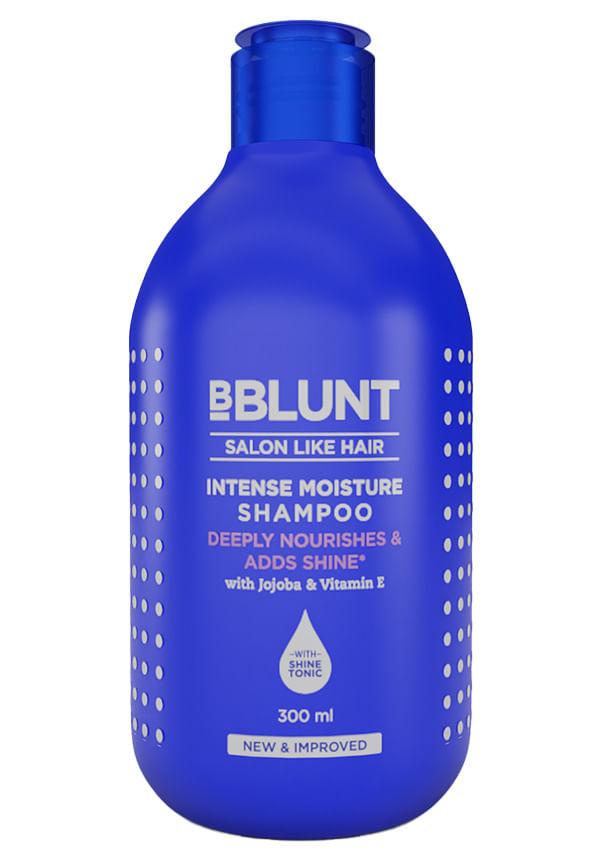
Intense Moisture Shampoo with Jojoba and Vitamin E for Dry & Frizzy Hair
DIY hair masks are worth a try if you're into natural solutions. A simple mixture of coconut oil and honey can work wonders for dry, frizzy hair. Apply it from mid-length to ends, leave it on for 30 minutes, then shampoo as usual. Just remember that natural doesn't always mean better—sometimes a well-formulated commercial product will give you better results.
Cost-wise, professional treatments might seem expensive upfront, but if you calculate the daily time and products saved, they can actually be quite economical for people with very frizzy hair. For everyone else, a good at-home routine with quality products usually does the trick.
Your washing routine needs a complete rethink during humid months. Washing 2-3 times a week is usually the sweet spot—enough to keep your scalp clean but not so much that you're stripping away protective oils. Over-washing actually makes frizz worse because your hair becomes more porous and vulnerable to humidity.
How you dry your hair matters just as much as what products you use. Ditch the regular towel and invest in a microfiber one or even a cotton t-shirt. These materials are much gentler and won't rough up your cuticles like terry cloth does. Pat or squeeze your hair dry instead of rubbing it vigorously.
When your hair is wet, it's at its most fragile state. Use a wide-tooth comb and start detangling from the ends, working your way up to the roots. Never brush wet hair with a regular brush—that's a one-way ticket to breakage and more frizz.
Protective styling before heading out is crucial. Even something as simple as loosely braiding your hair or putting it in a low bun can prevent it from getting completely destroyed by humidity. If you're planning to wear your hair down, apply your anti-frizz products and let your hair air dry as much as possible before stepping outside.
Some days, working with your hair's natural texture instead of fighting it is the smartest move. Low buns, messy braids, and twisted updos can look intentionally effortless while keeping frizz under control. The trick is embracing a slightly undone look rather than trying to achieve perfect smoothness.
Braiding techniques like loose side braids or fishtail braids work particularly well because they contain your hair while still looking polished. If you're dealing with shorter hair, try small braids around your face or use bobby pins to create interesting twisted sections.
Scarves and headbands aren't just accessories—they're frizz-fighting tools. A silk or satin scarf can protect your hair while adding a stylish element to your look. Headbands help keep your hairline smooth and can disguise any frizz that does appear around your face.
For emergency situations, keep a small bottle of diluted leave-in conditioner in your bag. Mix a tiny amount with water in a spray bottle and lightly mist over frizzy areas. Scrunch gently with your hands to reactivate your styling products and tame any flyaways.
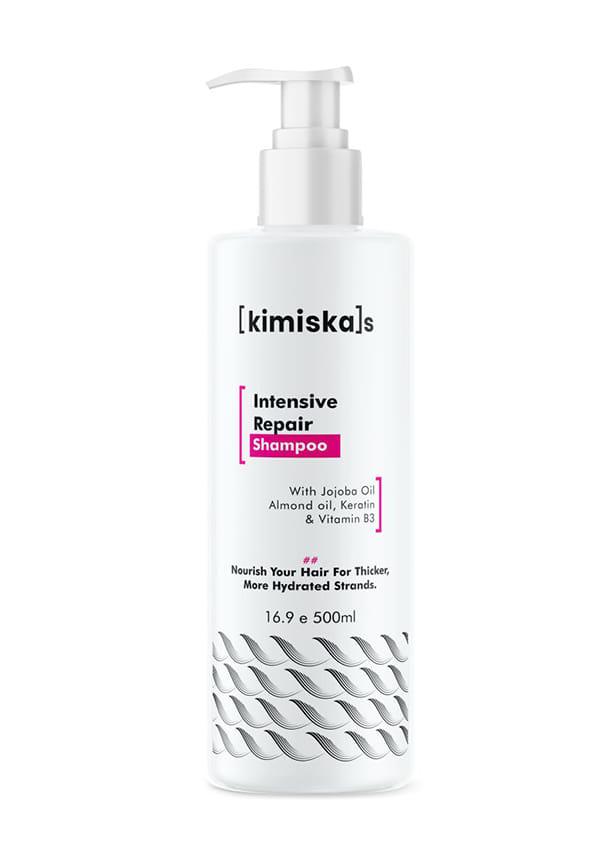
Intensive Hair Repair Shampoo for Dry and Frizzy Hair
Prevention really is better than cure when it comes to humidity-induced frizz. Start your frizz-fighting routine the night before by applying a small amount of hair oil or serum to your ends and sleeping with your hair in a loose braid or silk scrunchie. This helps maintain your hair's moisture balance overnight.
Your umbrella isn't just for keeping your clothes dry—it's essential hair protection too. A good-quality umbrella that actually covers your head properly can prevent your hair from getting damp and frizzy. If you don't have an umbrella, a hood works too, though be careful not to flatten your hair completely.
Indoor humidity control might sound extreme, but if you're working from home, a dehumidifier can actually help maintain your hairstyle throughout the day. Even something as simple as running the air conditioning can reduce the moisture in the air enough to make a difference.
Adjusting your entire haircare routine for the season makes sense if you live somewhere with distinct wet and dry periods. You might need heavier moisturising products during humid months and lighter ones when the air is drier. Pay attention to how your hair responds and don't be afraid to switch things up.
The most effective approach combines proper washing frequency with the right products. Wash your hair 2-3 times per week with a sulfate-free shampoo, then apply a lightweight serum to damp hair. Use a microfiber towel to gently squeeze out excess water, and detangle with a wide-tooth comb starting from the ends. This routine helps maintain your hair's moisture balance while preventing humidity from wreaking havoc.
Prevention starts with creating a protective barrier on your hair. Use a quality anti-frizz shampoo and conditioner, then apply a light oil or serum to create a shield against moisture. A volumising mousse can help soften your hair's texture and make it less prone to frizzing. When blow-drying, use a round brush to create shape memory that lasts longer in humid conditions. Weekly deep treatments also strengthen your hair's natural defences against humidity.
Focus on moisture-heavy products that contain ingredients like coconut oil, shea butter, or hyaluronic acid. These ingredients help your hair maintain optimal moisture levels so it's less likely to absorb humidity from the air. Integrate hair masks into your weekly routine and use a leave-in serum daily. The key is keeping your hair well-moisturised from the inside so it doesn't seek moisture from the environment.
Cold weather frizz is often caused by dry air rather than humidity, so your approach needs to be different. Use more moisturising products and never skip heat protectant when styling. Indoor heating can be particularly drying, so consider using a humidifier in your bedroom. Focus on hydration through deep conditioning treatments and avoid over-washing, which can strip your hair of essential oils during already-dry conditions.
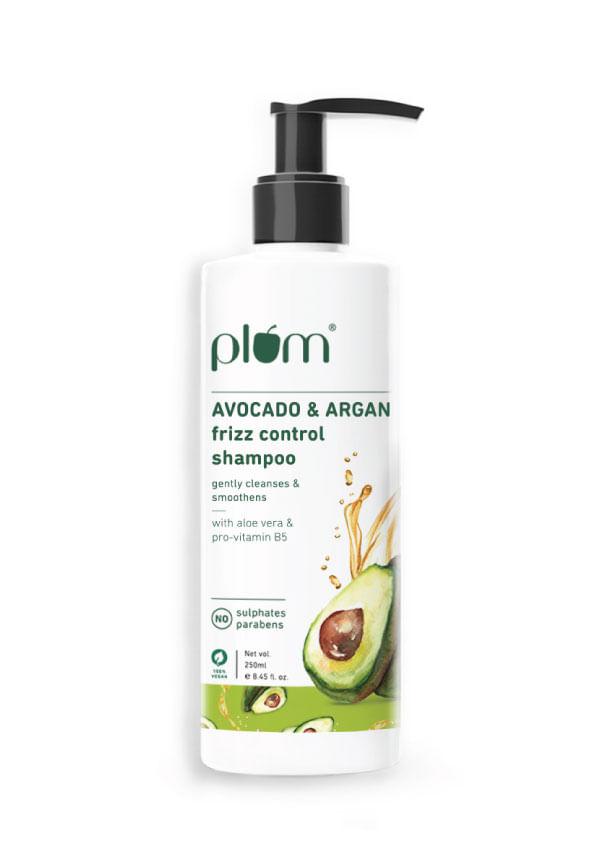
Avocado & Argan Frizz Control Shampoo For Curly, Wavy, Frizzy Hair
Glycerin, ceramides, and silicones are your best friends for humidity control. Glycerin helps balance moisture levels, ceramides strengthen your hair's protective barrier, and lightweight silicones create a protective film without weighing your hair down. Natural oils like argan or jojoba can also be effective, but use them sparingly during very humid weather.
Your hair's needs change with the seasons, so adjusting your product lineup makes sense. You might need lighter formulations during humid months and richer ones during dry periods. Pay attention to how your hair responds and don't be afraid to switch between different weights of the same product type.
One of the biggest mistakes people make is over-washing their hair during humid weather. It might seem logical to wash more frequently when your hair feels greasy or limp, but this actually strips away the natural oils that protect against humidity. Stick to your regular washing schedule and use dry shampoo between washes if needed.
Heat styling during humid weather requires extra caution. Using high heat without proper protection can damage your cuticles, making them even more susceptible to humidity. If you must use heat tools, always apply a heat protectant and use the lowest effective temperature setting.
Mixing the wrong products can actually make frizz worse. For example, using a heavy oil followed by a water-based serum can create a barrier that prevents the serum from working properly. Stick to products from the same line or at least ensure they're compatible with each other.
Aggressive towel drying is probably the quickest way to create frizz. That rough terry cloth texture literally roughs up your hair cuticles, creating the perfect conditions for humidity to penetrate. Always use gentle patting or squeezing motions with a microfiber towel or cotton t-shirt.
Managing frizz during rainy season doesn't have to be a daily battle if you've got the right strategy in place. The key is understanding your hair's specific needs and building a routine that works with, not against, the humidity. Remember that consistency matters more than using expensive products—a simple routine done regularly will always beat sporadic use of premium treatments.
Your hair type, lifestyle, and local climate all play a role in determining which approaches will work best for you. Don't be afraid to experiment with different combinations of products and techniques until you find your perfect frizz-fighting formula. What works for your friend might not work for you, and that's completely normal.
The good news is that with platforms like Smytten, you can explore different anti-frizz products without committing to full-size purchases. Their curated selection includes trusted brands that offer trial-size versions of many frizz-fighting products—a smart way to test what works for your hair before investing in the full bottle. After all, finding your perfect humidity-proof routine shouldn't break the bank or leave you with a bathroom full of products that don't work for you.
