Frizz Solution FAQ: Your Questions Answered

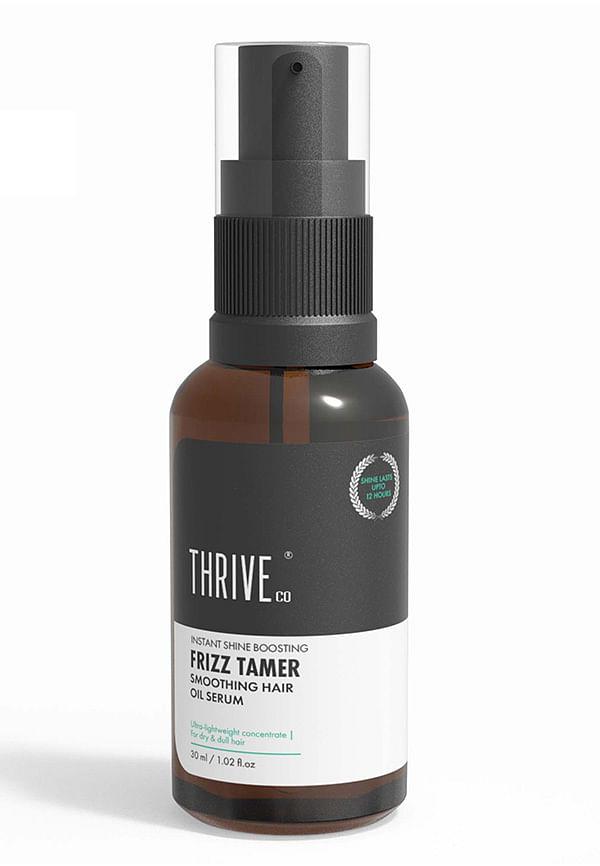
Frizz Tamer Smoothening Hair Oil
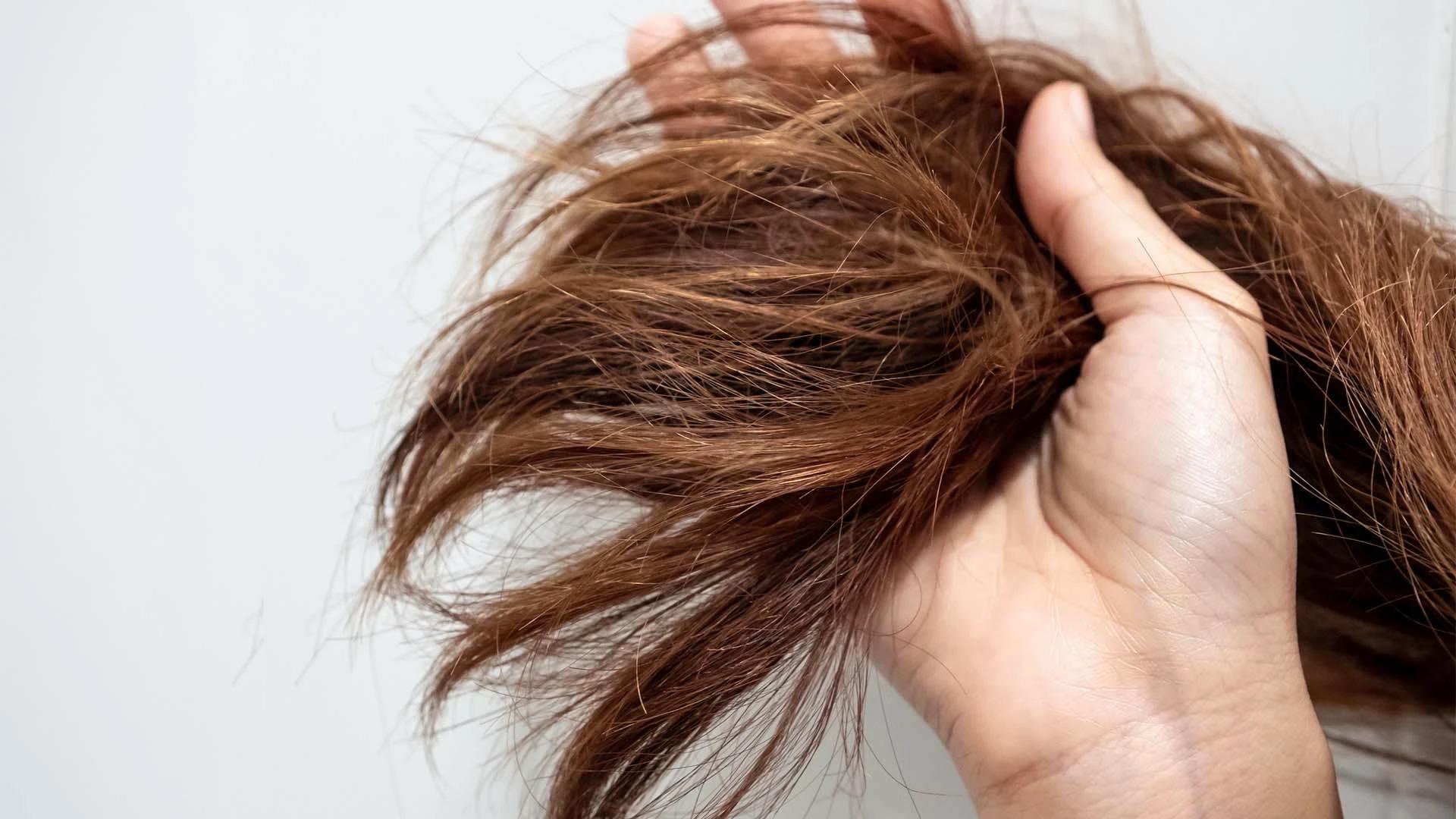
You know that moment when you catch your reflection and your hair looks like you've been wrestling with a hairdryer? Yeah, we've all been there. Frizz has this magical ability to show up at the worst possible times — right before that important meeting, on a humid day when you thought you had it sorted, or literally five minutes after you've spent ages styling it. The thing is, frizz isn't just about bad hair days. It's about understanding what your hair actually needs and knowing how to find frizz solution that works for your specific situation. Whether you're dealing with the occasional flyaway or full-on hair rebellion, this FAQ guide covers everything you need to know about taming those unruly strands.
Let's get real about what's actually happening up there. Frizz isn't your hair being dramatic for no reason — there's proper science behind it. Your hair cuticles are like tiny roof tiles that should lie flat against each other. When they're damaged or lifted, moisture from the air sneaks in and causes your hair to swell unevenly. Think of it like a sponge that's only half-squeezed — some bits puff up whilst others stay flat.
Your hair's outer layer, the cuticle, acts like a protective barrier. When it's healthy, those microscopic scales lie flat and smooth. But damage from heat styling, chemical treatments, or even rough handling can cause these scales to lift. Once they're raised, your hair becomes porous and starts absorbing moisture from the environment. This is why humid days are your frizz's best friend and your worst enemy.
Some habits might be sabotaging your frizz control efforts without you realising it. Hot water strips your hair of natural oils, leaving it dry and more prone to frizz. That fluffy towel you're using? It's creating friction that roughens up your cuticles. Over-washing removes essential oils, whilst harsh sulphates in some shampoos can be too aggressive for already-fragile hair. Even sleeping on cotton pillowcases can cause friction that leads to morning frizz.
Sometimes you need frizz control tips that work right now, not next week. These quick fixes won't solve the underlying problem, but they'll get you through the day looking put-together. The key is working with your hair's current state rather than fighting against it.
Mix a tiny amount of leave-in conditioner with water in a spray bottle and lightly mist over frizzy areas. Don't soak your hair — just enough to add moisture and weight. A drop of hair oil warmed between your palms and gently pressed over the surface can smooth down flyaways instantly. If you're really stuck, try the silk scarf trick: wrap a silk scarf around your hands and gently smooth it over your hair to reduce static and add shine.
Keep a travel-sized smoothing serum in your bag for touch-ups throughout the day. Anti-humidity sprays create a barrier that helps prevent moisture from getting into your hair shaft. Some people swear by those tiny hair oil vials — just remember that a little goes a very long way.
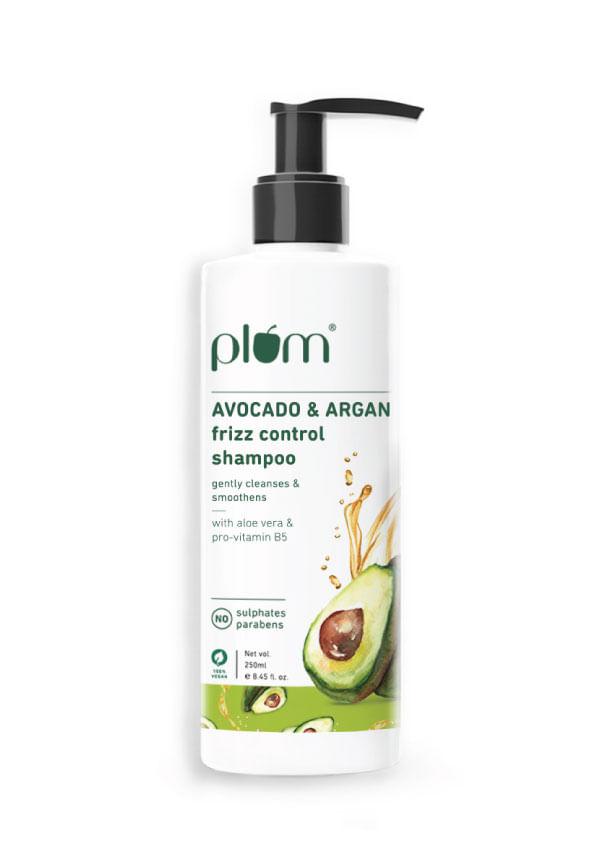
Avocado & Argan Frizz Control Shampoo For Curly, Wavy, Frizzy Hair
Not all anti-frizz products are created equal, and what works for your mate might be completely wrong for your hair type. The trick is understanding your hair's specific needs and choosing products that address them without weighing your hair down or leaving it greasy.
Start with a gentle, sulphate-free shampoo that won't strip your hair's natural oils. Look for ingredients like glycerin, which helps maintain moisture balance. Conditioners with silicones can temporarily smooth the cuticle, whilst protein treatments help rebuild damaged hair structure. Leave-in treatments and serums provide ongoing protection throughout the day, and heat protectants are non-negotiable if you use styling tools.
Fine, frizzy hair needs lightweight formulas that won't weigh it down — think water-based serums and volumising mousses with smoothing properties. Thick, coarse hair can handle richer creams and oils that provide more intensive moisture. For curly hair frizz solutions, look for products specifically designed to define curls whilst controlling frizz — cream-based leave-ins and curl-enhancing gels work well. Colour-treated hair needs extra gentle formulas with UV protection to prevent further damage.
Creating a proper haircare for frizzy hair routine isn't about using loads of products — it's about using the right ones in the right order. Consistency is key here. Your hair responds to regular care much better than sporadic intensive treatments.
Start with lukewarm water instead of hot — it's less damaging to your cuticles. Apply shampoo only to your scalp and let the suds clean the lengths as you rinse. Focus conditioner on mid-lengths to ends, and consider leaving it on for a few extra minutes. When detangling, always start from the ends and work your way up using a wide-tooth comb on wet hair. Pat your hair dry with a microfibre towel or cotton t-shirt instead of rubbing.
Once a week, give your hair some extra love with a deep conditioning mask. Apply it to damp hair, focusing on the most damaged areas, and leave it on whilst you catch up on your favourite show. Some people find protein treatments helpful for strengthening damaged hair, but don't overdo it — too much protein can make hair brittle.
Before you spend a fortune on products, check your kitchen cupboards. Some of the most effective frizz treatments have been hiding in plain sight. These natural options are gentle, affordable, and often work better than expensive alternatives.
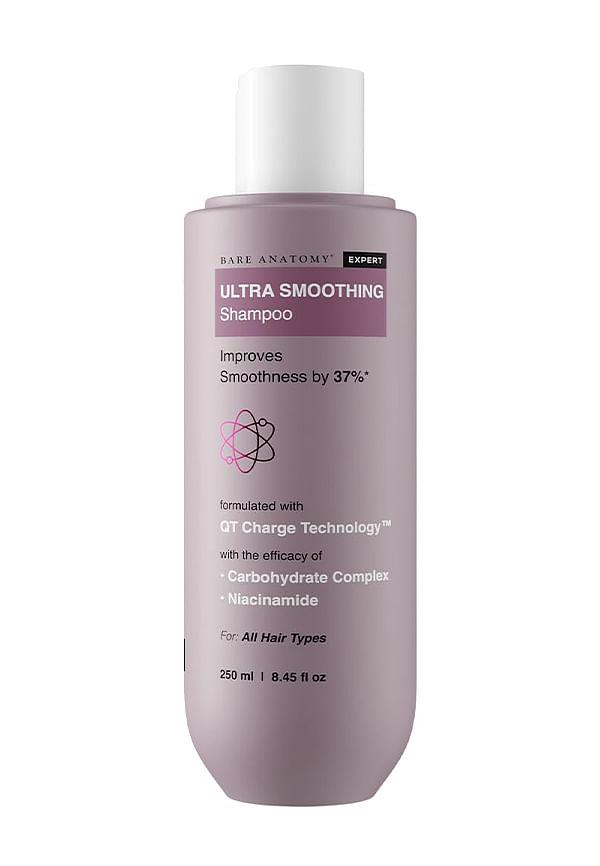
Ultra Smoothing Shampoo for Dry and Frizzy Hair
Apple cider vinegar rinses help smooth the hair cuticle and remove product buildup that can contribute to frizz. Mix one part ACV with three parts water and use it as a final rinse after conditioning. Coconut oil penetrates the hair shaft better than most other oils, making it brilliant for deep conditioning treatments. Honey is a natural humectant that draws moisture from the air into your hair, whilst avocado provides healthy fats that smooth and nourish.
For a simple smoothing mask, mash half an avocado with a tablespoon of honey and a teaspoon of coconut oil. Apply to damp hair, leave for 20-30 minutes, then rinse thoroughly. Always do a patch test first, especially if you have sensitive skin. These treatments work best when used consistently but not too frequently — once a week is usually plenty.
Sometimes DIY solutions and drugstore products aren't enough to manage frizzy hair effectively. Professional treatments can provide longer-lasting results, but they come with considerations around cost, maintenance, and potential damage.
Keratin treatments temporarily fill in the gaps in damaged cuticles, creating smoother hair for several months. Brazilian blowouts work similarly but use different chemicals and techniques. Deep conditioning treatments at salons often use professional-grade products and steaming techniques that penetrate deeper than at-home versions. The results can be dramatic, but they're not permanent and require regular touch-ups.
If your hair is severely damaged from chemical treatments or heat styling, a professional assessment can help determine the best course of action. Sometimes the damage is too extensive for at-home treatments to make a significant difference. A good stylist can also help you identify whether your frizz is caused by damage, your natural hair texture, or environmental factors.
There isn't one magic solution that works for everyone. The best approach combines gentle cleansing, proper conditioning, protective styling, and products suited to your specific hair type. Start with a sulphate-free shampoo, a moisturising conditioner, and a leave-in treatment. Fine hair needs lightweight formulas, whilst thick hair can handle richer products. Consistency matters more than using expensive products.
For immediate results, try dampening your hair slightly and applying a small amount of smoothing serum or oil. Braiding damp hair and leaving it overnight can create smooth waves by morning. A silk scarf smoothed over your hair reduces static instantly. Hair straighteners on low heat with proper heat protection can temporarily smooth frizzy sections, but this isn't a long-term solution.
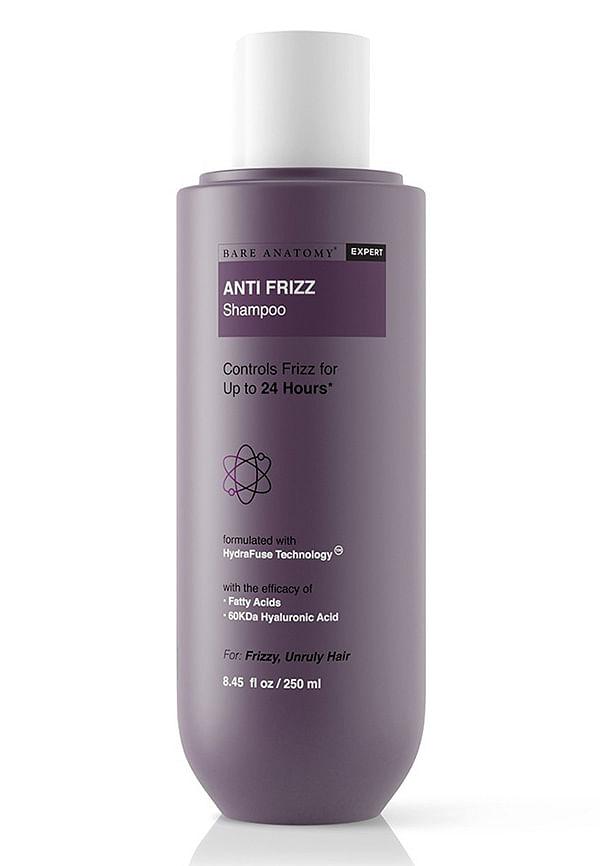
Expert Anti-Frizz Shampoo Tames Frizz For Up To 24 Hours
Permanent frizz elimination isn't realistic because frizz is often related to your hair's natural texture and porosity. However, you can significantly reduce it with consistent care, proper products, and occasional professional treatments. Chemical relaxers can permanently alter hair texture but come with risks of damage. Focus on managing and minimising frizz rather than eliminating it completely.
Dryness and frizz often go hand in hand. Common causes include over-washing, using harsh products, heat damage from styling tools, chemical damage from colouring or perming, environmental factors like sun and wind, and naturally porous hair that loses moisture easily. Hard water can also contribute to dryness by leaving mineral deposits on your hair.
Most people with frizzy hair benefit from washing less frequently — every 2-3 days or even less if your hair is very dry. Over-washing strips natural oils that help keep frizz under control. Use dry shampoo between washes to refresh your roots without disrupting your hair's natural oil balance.
Price doesn't always indicate effectiveness. Some drugstore products work just as well as high-end alternatives. The key is finding products with the right ingredients for your hair type. Look for glycerin, natural oils, silicones for temporary smoothing, and proteins for damaged hair. Read reviews and consider trying smaller sizes before investing in full-size products.
Your diet can influence hair health, which indirectly affects frizz. Protein deficiency can make hair weak and more prone to damage. Omega-3 fatty acids support scalp health and hair moisture. Staying hydrated helps maintain your hair's moisture balance. However, topical treatments usually have more immediate effects on frizz than dietary changes.
Air drying is generally gentler, but the technique matters. Plopping with a microfibre towel or t-shirt can help curly hair dry without frizz. If you blow dry, use a heat protectant, keep the temperature moderate, and use a diffuser for curly hair or a round brush for straight styles. The key is avoiding rough handling whilst hair is wet and vulnerable.
Finding the right frizz solution is about understanding your hair's unique needs and being consistent with your approach. Start with the basics: gentle cleansing, proper conditioning, and protective styling. Experiment with different products and techniques to see what works for your hair type and lifestyle. Remember that managing frizz is an ongoing process, not a one-time fix. Some days will be better than others, and that's completely normal. The goal isn't perfect hair every day — it's healthy hair that you feel confident about. Whether you prefer natural remedies, drugstore finds, or professional treatments, the key is finding what makes your hair feel and look its best. Not sure which products might work for your specific frizz concerns? Smytten offers trial-size versions of many anti-frizz products — a smart way to test different formulas before committing to full bottles.
