Frizz Serum for Dry Hair FAQ: Your Questions Answered


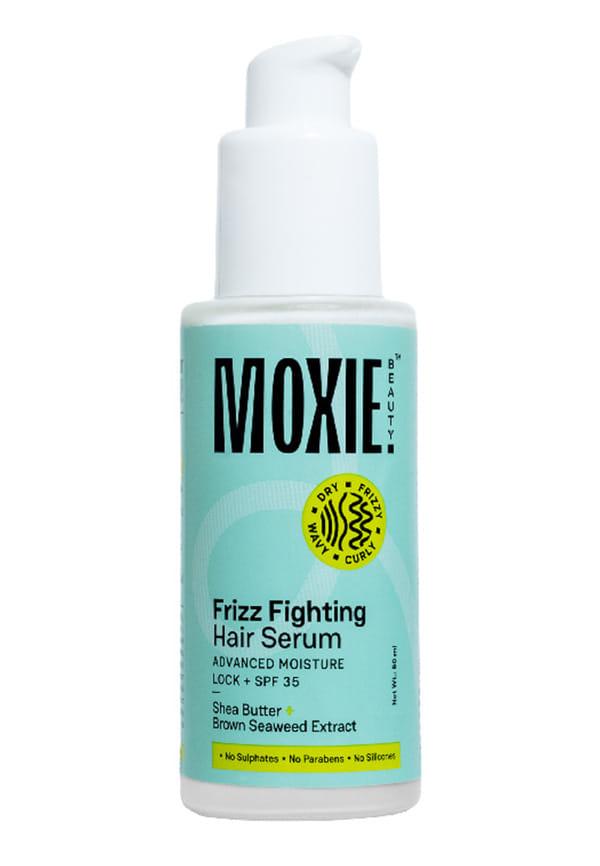
Frizz Fighting Hair Serum For Dry and Frizzy Hair
You know that feeling when you wake up and your hair looks like you've been wrestling with your pillow all night? Dry, frizzy strands that seem to have a mind of their own, refusing to cooperate no matter how much you smooth them down. If you're nodding along, you're definitely not alone. Frizz happens to the best of us, especially when our hair is crying out for moisture. The good news? A quality frizz serum for dry hair might just be the game-changer your routine needs. Let's dive into everything you need to know about taming those rebellious strands.
Think of a hair serum for frizz as your hair's personal bodyguard. It's a lightweight, concentrated formula designed to create a protective barrier around each strand, locking in moisture whilst keeping humidity and environmental damage at bay. Unlike heavy oils that can weigh your hair down, a good anti frizz serum works by smoothing the hair cuticle—those tiny scales that cover each strand.
Here's the science bit: when your hair is dry, those cuticles lift up, creating a rough surface that catches light unevenly and allows moisture to escape. This is what creates that frizzy, dull appearance we all know too well. A hair smoothing serum fills in those gaps, creating a smooth surface that reflects light beautifully and keeps moisture locked in where it belongs.
The magic happens through a combination of silicones, oils, and conditioning agents that work together to coat the hair shaft. Some formulas also include humectants—ingredients that actually draw moisture from the air into your hair. It's like giving your strands a drink whilst protecting them from the elements that cause frizz in the first place.
Not all hair hydration serums are created equal, and the ingredients list is where the real magic happens. When you're dealing with dry, damaged hair, you want to look for ingredients that do double duty—smoothing frizz whilst actually nourishing your strands.
Argan oil is a proper superstar here. It's packed with vitamin E and fatty acids that penetrate the hair shaft, providing deep moisture without the greasy feel. Keratin is another winner—it's actually a protein that your hair is naturally made of, so adding it back helps fill in damaged areas and smooth the cuticle. Hyaluronic acid isn't just for your skincare routine; it can hold up to 1000 times its weight in water, making it brilliant for keeping your hair hydrated.
Silicones often get a bad rap, but they're actually fantastic for frizz control when used properly. Dimethicone and cyclopentasiloxane create that protective barrier we talked about, whilst amino acids and proteins help repair damage from the inside out. The key is finding a serum for damaged hair that balances these ingredients without going overboard.
What you want to avoid are sulfates (too harsh for dry hair), drying alcohols like denatured alcohol, and heavy waxes that can build up over time. Look for formulas that are sulfate-free and include UV protection—because sun damage is a major contributor to dryness and frizz.
Your hair type makes a massive difference in which dry hair serum will work best for you. Fine, dry hair needs a completely different approach than thick, coarse strands that are crying out for moisture.
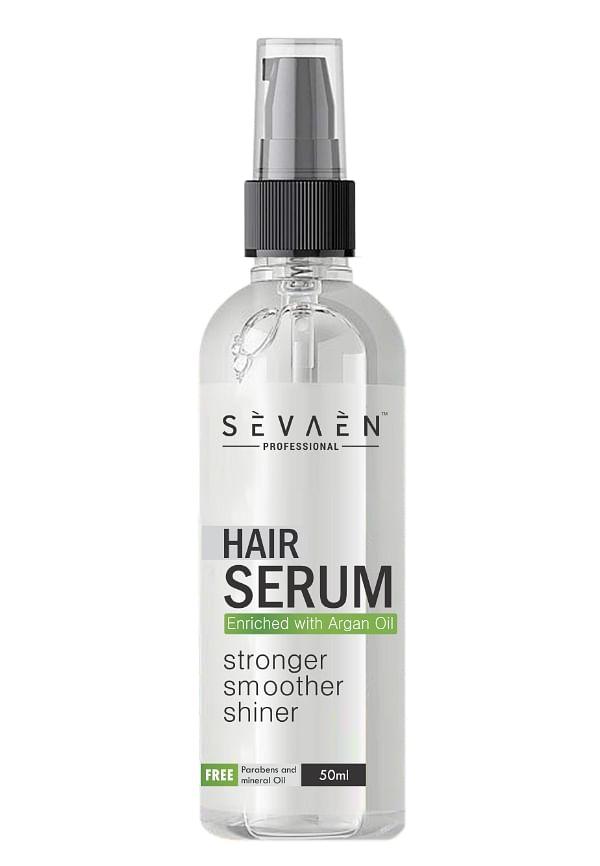
Hair Serum For Silky & Smooth Hair, Tames Frizzy Hair
If you've got fine hair that's prone to looking flat, you'll want a lightweight hair repair serum that won't weigh your strands down. Look for water-based formulas or those with lighter silicones that provide smoothing without the heaviness. These usually come in spray or very light oil formulations.
Thick, coarse, or curly dry hair can handle—and often needs—richer formulations. These hair types benefit from serums with heavier oils like argan or coconut oil, along with butters and more concentrated conditioning agents. Your strands can absorb more product without looking greasy.
Chemically treated hair (think bleached, coloured, or relaxed) needs extra TLC. Look for a hair care serum specifically formulated for processed hair, with ingredients like bond-building proteins and colour-safe formulas. These often include UV filters to prevent further damage from sun exposure.
The price tag doesn't always tell the whole story. Some drugstore finds can be just as effective as salon brands, whilst some expensive serums might not suit your specific hair needs. The key is understanding what ingredients work for your hair type and reading those labels carefully.
Even the best frizz serum in the world won't work if you're not applying it correctly. The technique matters just as much as the product itself, and getting it right can make the difference between smooth, glossy hair and a greasy, weighed-down mess.
Timing is everything. Most hair smoothing serums work best on damp hair—about 80% dry is the sweet spot. Your hair cuticles are still slightly open, allowing the serum to penetrate better whilst the remaining moisture helps distribute the product evenly. If you're applying to completely dry hair, use even less product and warm it between your palms first.
Amount matters more than you think. Start with just 1-2 drops for shoulder-length hair, and adjust from there. It's always easier to add more than to wash out excess product. For longer hair, you might need 3-4 drops, but resist the urge to go overboard.
Distribution technique is crucial. Never apply serum directly to your roots—this is a one-way ticket to greasy-looking hair. Start from mid-length and work your way down to the ends, where your hair is oldest and most damaged. Use your fingers to gently rake through, then follow with a wide-tooth comb if needed.
If you're using multiple styling products, apply your anti frizz serum first, followed by heat protectant, then any styling creams or gels. This ensures the serum can do its job of smoothing the cuticle before other products create a barrier.
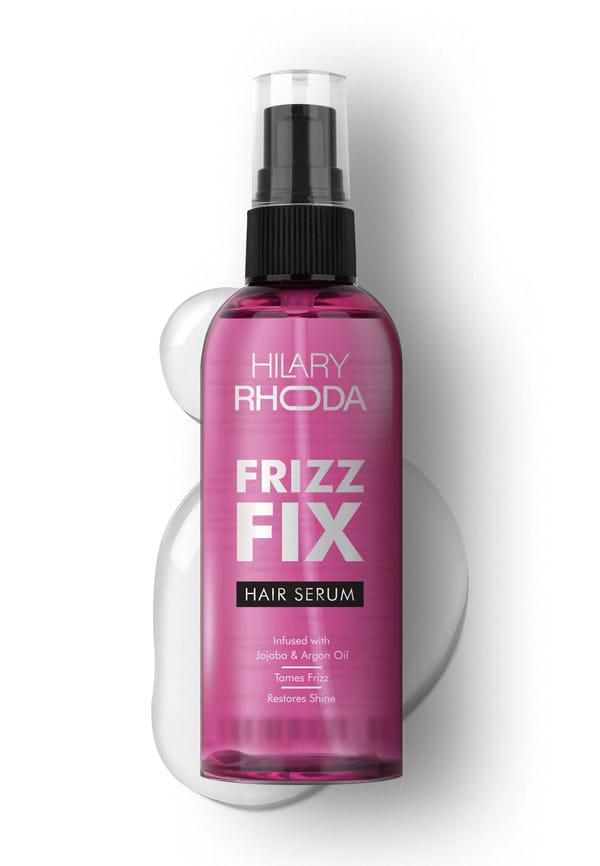
Frizz Fix Hair Serum
A good hair hydration serum is just one piece of the puzzle. To really tackle dry, frizzy hair, you need a comprehensive approach that starts in the shower and continues through your styling routine.
Your washing routine sets the foundation. Use a sulfate-free shampoo that won't strip your hair's natural oils, and follow with a rich, moisturising conditioner. Consider washing less frequently—every other day or even twice a week if your hair can handle it. Over-washing is one of the biggest culprits behind dry, frizzy hair.
Post-wash care is where many people go wrong. Ditch the terry cloth towel, which can rough up your cuticles and create more frizz. Instead, gently squeeze excess water with a microfibre towel or even a cotton t-shirt. This is when you'd apply your serum for damaged hair, whilst your strands are still damp and receptive.
Weekly deep conditioning treatments can make a massive difference. Look for masks with ingredients like shea butter, coconut oil, or protein treatments if your hair is particularly damaged. These give your hair an intensive moisture boost that daily products can't match.
Heat styling should be kept to a minimum, but when you do use hot tools, always apply a heat protectant after your hair serum for dry damaged hair. Keep temperatures below 180°C and consider air-drying when possible.
Absolutely! Most quality serums work on both damp and dry hair, though the application technique differs slightly. On dry hair, use less product (just 1-2 drops), warm it between your palms, and focus on the mid-lengths and ends. This is perfect for touch-ups throughout the day or taming flyaways.
It depends on your hair type and concerns. Silicone-based serums provide immediate smoothing and shine, making them great for fine to medium hair. Oil-based formulas offer deeper nourishment and are better for thick, coarse, or very damaged hair. Water-based serums are the lightest option for fine hair that gets weighed down easily.
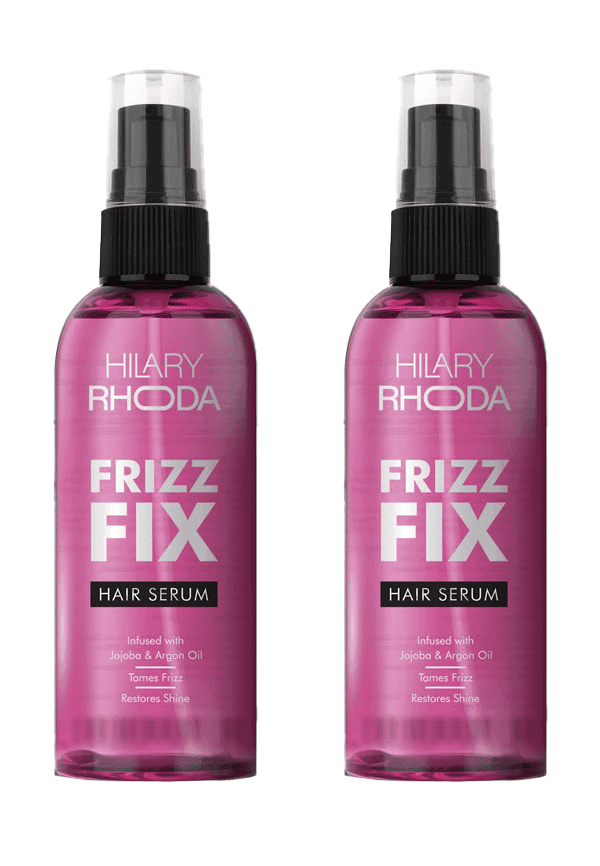
Frizz Fix Hair Serum (Pack of 2)
Apply 1-2 drops of a lightweight dry hair serum to your palms, rub them together to warm the product, then gently smooth over the frizzy areas. Focus on the outer layer of your hair and avoid the roots. You can also lightly mist your hair with water first to help distribute the product more evenly.
Look for formulas containing moisture-binding ingredients like hyaluronic acid, argan oil, or keratin. The best serum for your hair depends on your specific texture and damage level. Fine hair benefits from lightweight, silicone-based formulas, whilst thick or damaged hair can handle richer, oil-based serums.
Daily use is generally safe for most serums, but start with every other day to see how your hair responds. If you're using a particularly rich formula, you might only need it 2-3 times per week. Pay attention to how your hair feels—if it starts looking greasy or weighed down, reduce the frequency or amount.
Not exactly. Whilst both products can provide moisture and protection, they work differently. Leave-in conditioners focus on hydration and detangling, whilst serums primarily smooth the cuticle and add shine. Many people find using both products together gives the best results—apply leave-in conditioner first, then finish with a small amount of serum.
Using too much serum won't damage your hair, but it can make it look greasy, flat, and attract dirt more quickly. If you've applied too much, don't panic—just rinse your hair with cool water and gently towel dry, then reapply a smaller amount.
Generally, apply your hair care serum first on damp hair, followed by heat protectant, then any styling creams, mousses, or gels. This allows the serum to create a smooth base for other products to work on. The exception is if you're using the serum for touch-ups on dry, styled hair.
Finding the right frizz serum for dry hair can feel like a bit of a journey, but it's so worth it when you discover that perfect formula that makes your hair look effortlessly smooth and healthy. Remember, consistency is key—give any new product at least 2-3 weeks to show its full potential, and don't be afraid to adjust your application technique as you learn what works for your unique hair type.
The beauty industry is constantly evolving, with new formulations and ingredients appearing regularly. What works for your friend might not work for you, and that's completely normal. Your hair is as individual as you are, and finding your perfect match might take some experimentation.
Not sure which hair serum might work best for your specific concerns? Smytten offers trial-size versions of many popular serums and hair care products—a smart way to test different formulas before committing to full-size bottles. After all, why settle for maybe when you can try it all and find what truly works for your hair?
