Everything You Need to Know About Hair Frizz Issues

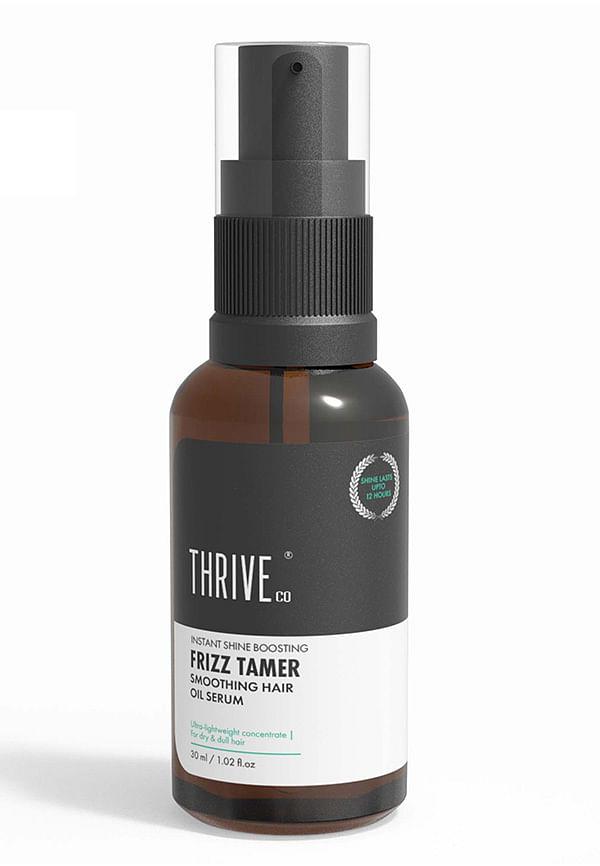
Frizz Tamer Smoothening Hair Oil
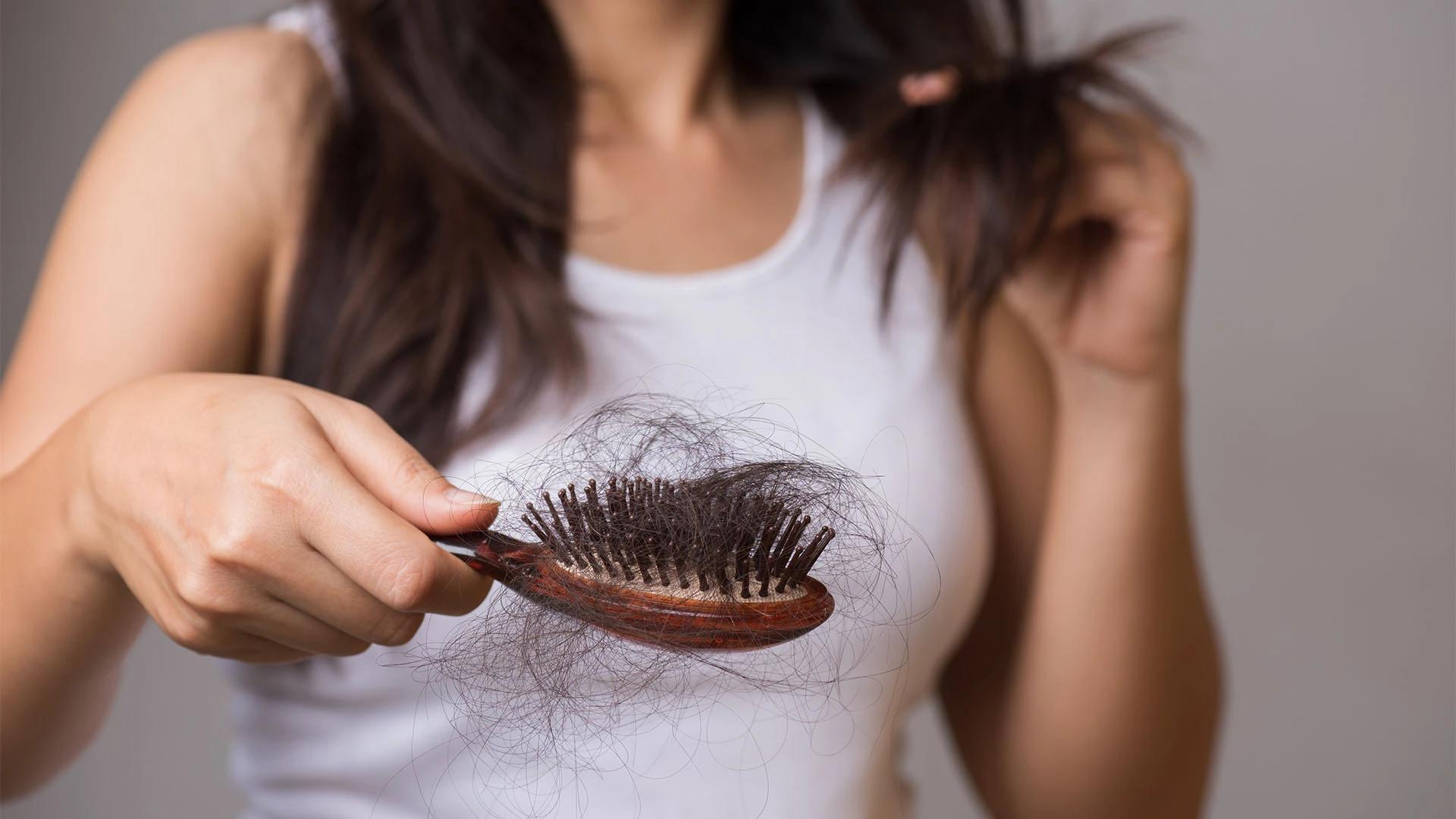
You know that moment when you wake up, look in the mirror, and your hair looks like you've been wrestling with a pillow all night? Or when you step outside on a humid day and your carefully styled hair transforms into a frizzy mess within minutes? Real talk — we've all been there. Hair frizz is one of those universal struggles that can turn a good hair day into a complete disaster. But here's the thing: understanding what causes your hair to go rogue is the first step to getting it under control. Whether you're dealing with dry, damaged strands or battling humidity-induced chaos, there are actually science-backed reasons why your hair acts up — and even better, there are solutions that work.
Let's get real about what's actually happening when your hair decides to have a mind of its own. Hair frizz isn't just bad luck or genetics being mean to you — it's your hair's way of telling you something's off with its moisture balance. When you understand hair frizz issues at their core, you're already halfway to solving them.
Your hair is basically made up of layers, like a really tiny tree trunk. The outer layer, called the cuticle, is supposed to lie flat and smooth. When it's happy and healthy, light bounces off it evenly, giving you that glossy, Instagram-worthy shine. But when the cuticle gets damaged or dehydrated, it lifts up like tiny scales, creating an uneven surface that catches light differently — hello, frizz. Hair humidity plays a massive role here because damaged cuticles act like tiny sponges, soaking up moisture from the air and swelling up in all the wrong ways.
The biggest culprit behind frizzy hair causes? Lack of moisture, hands down. When your hair is thirsty, it'll grab moisture from wherever it can find it — including the air around you. That's why humid days are basically your hair's worst enemy. But moisture isn't the only villain in this story.
Heat damage from styling tools is another major player. Every time you blast your hair with high heat without proper protection, you're essentially cooking those delicate cuticles. Chemical processing like colouring, perming, or relaxing can also wreak havoc on your hair's structure. Over-brushing, especially when your hair is wet and vulnerable, creates mechanical damage that leads to frizz. And don't even get us started on product buildup — when your hair care routine includes heavy products that don't rinse out properly, they can weigh down your hair and create an uneven texture.
Ever notice how the ends of your hair seem to have a mind of their own? That's because they're the oldest part of your hair and have been through the most trauma. Split ends and breakage create irregular surfaces that catch and reflect light differently, making your hair look frizzy and unkempt. The longer your hair gets, the harder it is for natural oils from your scalp to travel all the way down to the ends, leaving them dry and prone to frizz.
Not all frizz is created equal, and figuring out what type you're dealing with is crucial for finding the right solution. Think of it like diagnosing a problem before you can fix it — you wouldn't take medicine without knowing what's wrong, right?
Dry hair frizz feels rough and looks dull, like your hair is constantly thirsty no matter what you do. It's usually worse in winter when the air is dry, and your hair might feel brittle or break easily. Humidity-induced frizz, on the other hand, happens when your hair goes from manageable to chaotic the moment you step outside on a muggy day. This type of frizz is your hair's reaction to moisture in the air, and it often creates that halo effect around your head.
Ask yourself: Does your hair get frizzy immediately after washing, or only after exposure to humidity? Do you notice more frizz in certain seasons? Is the frizz concentrated at the ends or all over? Does your hair feel dry and rough, or does it just look messy? These questions can help you pinpoint whether you're dealing with damage, dehydration, or environmental factors.
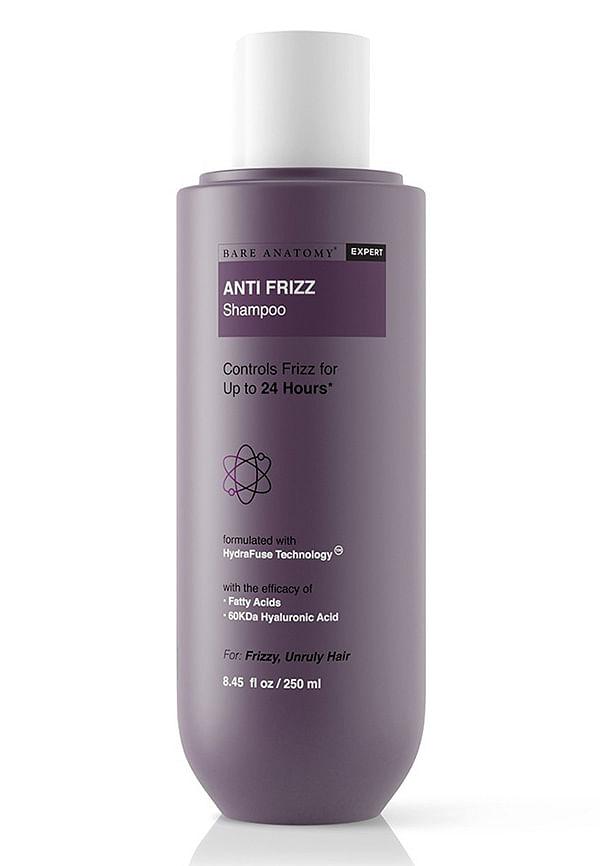
Expert Anti-Frizz Shampoo Tames Frizz For Up To 24 Hours
Now for the good stuff — solutions that don't involve hiding under a hat for the rest of your life. The key to managing frizzy hair is understanding that it's not about fighting your hair's natural texture, but working with it to create the smoothest, healthiest version possible.
When you need quick frizz control and don't have time for a full hair care routine, try the water and leave-in conditioner trick. Lightly mist your hair with water, then scrunch in a small amount of leave-in conditioner or hair oil. For emergency situations, even a tiny bit of hand cream can help smooth down flyaways — just make sure it's silicone-free and use it sparingly.
Real hair smoothing happens over time with consistent care. Deep conditioning treatments once or twice a week can help restore moisture and repair damage. Professional treatments like keratin or protein treatments can provide longer-lasting results, but they're an investment. The most important thing is being consistent with your routine and protecting your hair from further damage.
Let's talk about the products that can actually make a difference in your frizz-fighting arsenal. The beauty industry is full of promises, but some ingredients and product types have real science backing them up.
Leave-in conditioners are your first line of defence against frizz. They provide ongoing moisture and protection throughout the day. Heat protectants are non-negotiable if you use any styling tools — they create a barrier between your hair and damaging heat. Anti frizz products like smoothing serums and creams can help seal the cuticle and create a sleeker appearance.
Look for moisturising ingredients like hyaluronic acid, which can hold up to 1000 times its weight in water, and glycerin, which draws moisture from the environment into your hair. Natural oils like argan, coconut, and jojoba can help smooth the cuticle and add shine. Protein treatments containing keratin or hydrolysed proteins can help fill in gaps in damaged hair, creating a smoother surface.
Start with a gentle, sulphate-free shampoo that won't strip your hair of natural oils. Follow with a moisturising conditioner, focusing on the mid-lengths and ends. Apply a leave-in treatment to damp hair, then use a heat protectant if you're styling. Finish with a light oil or serum to seal everything in. The key is layering lightweight products rather than using one heavy product that might weigh your hair down.
The way you handle your hair every day can make or break your frizz-fighting efforts. Small changes in your routine can lead to big improvements in how your hair looks and feels.
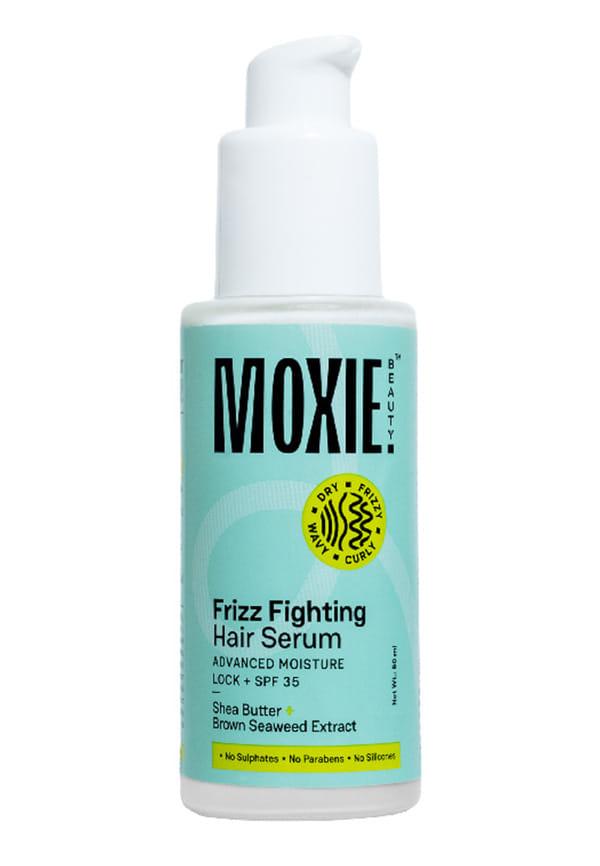
Frizz Fighting Hair Serum For Dry and Frizzy Hair
How often you wash your hair depends on your hair type, but most people with frizzy hair benefit from washing less frequently — maybe 2-3 times a week. This allows your natural oils to nourish your hair. When you do wash, use lukewarm water instead of hot, which can strip moisture and cause the cuticle to lift. Skip the regular towel and use a microfibre towel or cotton t-shirt to gently squeeze out excess water instead of rubbing, which creates friction and frizz.
Never brush wet hair with a regular brush — use a wide-tooth comb or a detangling brush designed for wet hair. Start from the ends and work your way up to avoid pulling and breaking. If you must use heat styling tools, keep them on the lowest effective temperature and always use a heat protectant. Consider protective styling options like braids or buns that keep your hair contained and reduce friction.
On high-humidity days, try protective styles that work with your hair's natural tendency to expand. Use anti-humidity products that create a barrier against moisture. In winter, protect your hair from dry indoor heating by using a humidifier and wearing silk or satin-lined hats. When travelling, pack travel-sized versions of your essential products and consider the climate you're heading to.
Sometimes the best solutions are sitting right in your kitchen. Natural remedies can be incredibly effective for treating dry hair frizz, and they're often gentler and more affordable than commercial products.
Coconut oil is a classic for good reason — it can actually penetrate the hair shaft and provide deep moisture. Honey is a natural humectant that draws moisture from the air into your hair. Avocado is rich in healthy fats and vitamins that can nourish dry, damaged hair. Apple cider vinegar can help smooth the cuticle and remove product buildup that might be contributing to frizz.
Try mixing mashed avocado with a tablespoon of honey and a few drops of coconut oil for a deeply moisturising mask. Apply to damp hair, focusing on the ends, and leave for 20-30 minutes before rinsing thoroughly. For an apple cider vinegar rinse, mix one part vinegar with three parts water and pour over clean hair as a final rinse. Always do a patch test first to make sure you don't have any sensitivities, and don't use these treatments more than once a week to avoid over-conditioning.
Look at when your hair gets frizzy and how it feels. If it's consistently dry and rough, you're likely dealing with moisture issues or damage. If it only gets frizzy in humid weather or after washing, it might be a cuticle problem or your hair care routine. Pay attention to patterns — does it happen more in certain seasons, after using specific products, or when you style your hair a certain way?
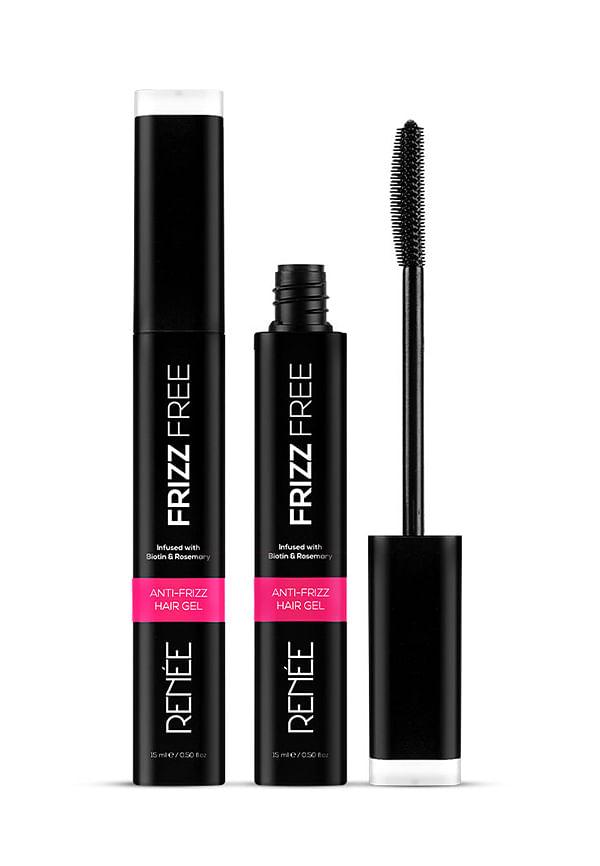
Frizz Free Anti Frizz Hair Gel
The root cause is almost always moisture imbalance. Either your hair is too dry and trying to absorb moisture from the air, or the cuticle is damaged and can't regulate moisture properly. This can happen due to genetics, environmental factors, heat damage, chemical processing, or using the wrong products for your hair type.
While there's no truly permanent fix, you can significantly improve frizzy hair with consistent care. Focus on restoring moisture with regular deep conditioning treatments, protecting your hair from heat and environmental damage, using the right products for your hair type, and being gentle with your hair handling. Professional treatments like keratin can provide longer-lasting smoothing effects.
The ends of your hair are the oldest part and have been exposed to the most damage over time. They're also the furthest from your scalp, so natural oils have a harder time reaching them. Split ends and breakage at the tips create an uneven surface that looks and feels frizzy. Regular trims and focused conditioning on the ends can help.
You can definitely minimise humidity-induced frizz with the right approach. Use anti-humidity products that create a barrier on your hair, avoid touching or brushing your hair once it's styled, and consider protective styles that work with your hair's natural texture rather than fighting it. Keeping your hair well-moisturised also helps because hydrated hair is less likely to absorb excess moisture from the air.
Dry hair lacks moisture and often feels rough, brittle, or straw-like. Frizzy hair has an uneven texture and appearance, with strands going in different directions. You can have dry hair that isn't frizzy, or frizzy hair that isn't particularly dry. Often, though, they go hand in hand because dryness can lead to cuticle damage, which causes frizz.
Most people with frizzy hair benefit from washing 2-3 times per week rather than daily. This allows your natural oils to nourish your hair and prevents over-stripping. However, if you have an oily scalp or use a lot of styling products, you might need to wash more frequently. Listen to your hair and adjust based on how it looks and feels.
Not necessarily. While some high-end products do contain superior ingredients or formulations, price doesn't always equal effectiveness. The key is finding products with the right ingredients for your specific hair type and concerns. Sometimes a drugstore product with the right formulation works better than an expensive one that isn't suited to your needs.
Understanding hair frizz issues is really about understanding your hair's needs and working with them rather than against them. The key takeaway? Frizz is usually your hair's way of telling you it needs more moisture, less damage, or a different approach to care. Whether you're dealing with genetic predisposition, environmental factors, or damage from styling, there are solutions that can help you achieve smoother, more manageable hair.
Remember that consistency is everything when it comes to hair care. Small changes in your routine — like switching to a microfibre towel, using a heat protectant, or incorporating a weekly deep conditioning treatment — can make a huge difference over time. Be patient with your hair and with yourself as you figure out what works best.
If you're looking to try new anti-frizz products without committing to full sizes, Smytten offers trial versions of many haircare products from trusted brands. It's a smart way to test what works for your specific hair type before investing in full-size bottles — because finding your perfect frizz-fighting routine shouldn't break the bank.
