Essential Hair Texture Types Explained: A Complete Guide

 131 gm
Salon Secret High Shine Conditioning Hair Colour
Ever stood in front of the mirror wondering why your hair never looks like the tutorial you followed? Or why that miracle product your friend swears by just doesn't work for you? Real talk — it's probably because you're treating your hair like it's someone else's. Your hair has its own personality, and understanding your specific texture is the first step to actually loving what you see in the mirror. Let's break down the science behind hair texture types so you can finally give your strands what they actually need.
Before we dive into the hair texture chart, let's clear up some confusion. Hair texture refers to the thickness and diameter of your individual strands — basically how each hair feels when you roll it between your fingers. Hair type, on the other hand, is all about your curl pattern and the natural shape your hair takes when it air-dries.
Think of it this way: you could have fine, curly hair or thick, straight hair. The curl pattern is your type, while the strand thickness is your texture. This distinction matters because a curly-haired person with fine strands needs completely different products than someone with curly, thick hair.
Your follicle shape actually determines your natural curl pattern. Round follicles produce straight hair, while oval or asymmetrical follicles create waves and curls. The more asymmetrical the follicle, the curlier your hair will be. Pretty cool how genetics work, right?
One major misconception is that all thick hair is strong or that fine hair is automatically weak. Not true. Fine hair can be incredibly resilient, and thick hair can be surprisingly fragile depending on its porosity and how it's treated.
The hair typing system breaks down into four main categories, each with subcategories that get more specific. This isn't about putting your hair in a box — it's about understanding what works best for your unique strands.
Type 1A hair is the finest and most delicate of the straight hair family. These strands lie completely flat against the scalp and can look almost glass-like in their smoothness. If you have 1A hair, you probably struggle with volume and find that products weigh your hair down easily.
Type 1B has a bit more body and medium thickness. You might notice slight movement or a gentle bend at the ends, especially when your hair is longer. This texture holds styles better than 1A but still tends to fall flat.
Type 1C is the thickest of the straight hair types and often has some natural waves at the ends. Your hair might have a slight bend or flip, and it's usually more resistant to styling but also holds curls longer when you do style it.
Type 2A creates loose, gentle S-waves that are barely there. Your hair might look straight when wet but develop soft waves as it dries. This texture is usually fine to medium and can go either way with styling — straight or wavy.
Type 2B waves are more defined and noticeable. You'll see clear S-patterns, especially around your face and at the ends. This texture often comes with some frizz and tends to be more resistant to straightening.
Type 2C has strong waves with some areas that curl into spirals, particularly at the ends. This texture usually has more volume and can be prone to frizz, but it also holds styles really well once you find the right products.
Type 3A curls are large and loose with a well-defined S-pattern. Your curls probably have good shine and bounce, but they can lose definition in humidity. This texture usually responds well to lightweight curl creams.
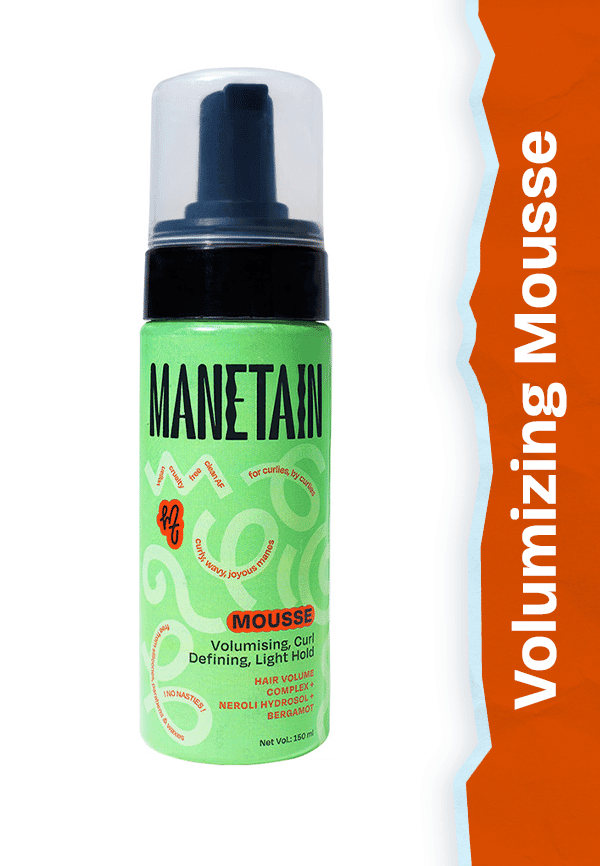 150Ml
150MlVolumizing Curl Defining Light Hold Mousse Hair Mask
Type 3B curls are springier and have more volume. Your curl pattern is tighter, and you might notice your hair has a mix of curl sizes throughout. This texture needs more moisture than 3A and benefits from leave-in treatments.
Type 3C has tight curls with a corkscrew pattern. Your curls are dense and have lots of volume, but they can be prone to dryness and frizz. This texture usually needs rich, moisturising products and gentle handling.
Type 4A has soft coils with a visible curl pattern when stretched. Your hair might look dense and have natural shine, but it can be fragile and needs gentle care. This texture benefits from regular deep conditioning.
Type 4B has a Z-pattern rather than a circular curl. Your hair might appear less shiny due to the way light reflects off the bends, but it's incredibly versatile for styling. This texture needs moisture and protection from manipulation.
Type 4C has tight coils with minimal curl definition. Your hair might shrink significantly when it dries and can appear fragile, but it's actually quite strong. This texture needs the most moisture and gentle handling of all the types.
Your curl pattern is just one piece of the puzzle. Hair porosity — how well your hair absorbs and retains moisture — plays a huge role in how your hair behaves and what products work best.
Low porosity hair has cuticles that lay flat and resist moisture. If you have low porosity hair, products might sit on top of your strands rather than absorbing, and it takes forever for your hair to get wet in the shower. You'll need lightweight products and might benefit from gentle heat when deep conditioning.
Medium porosity hair has the perfect balance — it absorbs moisture easily but doesn't lose it too quickly. This is the easiest hair porosity to manage, and most products work well without much fuss.
High porosity hair has damaged or lifted cuticles that absorb moisture quickly but lose it just as fast. Your hair might feel dry soon after washing, and it probably loves heavy creams and oils. This often happens from chemical processing or heat damage.
Fine hair has a small diameter and feels soft and silky between your fingers. It's not necessarily fragile — some fine hair is incredibly strong — but it can look limp if weighed down with heavy products.
Medium hair is the most common thickness and feels neither particularly fine nor coarse. It usually handles most products well and is pretty forgiving when it comes to styling.
Thick hair has a large diameter and feels substantial when you roll it between your fingers. It can handle heavier products and usually has good natural volume, but it might take longer to dry and can be harder to style.
The best way to identify your true hair texture is the wash-and-air-dry method. Start with freshly washed hair using a gentle, sulfate-free shampoo. Skip all styling products and let your hair air-dry completely in natural lighting.
 108 gm
Salon Secret High Shine Crème Hair Colour
Once dry, look at your hair in good lighting — preferably near a window during the day. Notice the overall pattern: is it straight, wavy, curly, or coily? Then look closer at individual sections to see if you have multiple patterns.
For the thickness test, take a single strand and roll it between your thumb and forefinger. If you can barely feel it, you likely have fine hair. If it feels like a piece of thread, you probably have medium thickness. If it feels substantial or rough, you likely have thick hair.
Consider getting a professional consultation if you're still unsure. A good stylist can assess your hair's porosity, density, and texture to help you understand exactly what you're working with.
Taking progress photos can help you track how your hair changes with different products and techniques. Your hair texture can shift due to hormones, age, or damage, so it's worth reassessing periodically.
Now that you know your hair texture types, let's talk about what each one actually needs to look and feel its best.
Straight hair tends to show oil and product buildup more easily, so you'll probably need to wash every 1-2 days. Look for lightweight, volumising shampoos that won't weigh your hair down. Skip heavy oils and creams, which can make straight hair look greasy.
When styling, always use heat protection and avoid applying products directly to your roots. Dry shampoo can be your best friend for extending time between washes and adding texture.
Wavy hair usually does best with washing 2-3 times per week. Look for curl-enhancing creams and light oils that define your waves without weighing them down. The scrunching method while your hair is damp can help encourage your natural wave pattern.
Try diffusing on low heat or plopping with a microfibre towel to reduce frizz. Avoid brushing your hair when it's dry — this breaks up your wave pattern and creates frizz.
Curly hair is naturally drier, so limit washing to 1-2 times per week maximum. Use sulfate-free shampoos and rich, moisturising conditioners. Leave-in treatments and curl creams are essential for definition and moisture.
The plopping method works well for curly hair — wrap your wet hair in a cotton t-shirt to absorb excess water without disturbing your curl pattern. Never brush curly hair when dry; detangle only when wet with plenty of conditioner.
Coily hair needs the most gentle care. Wash once per week or less, and focus on deep conditioning treatments. Rich moisturisers and natural oils like shea butter or coconut oil work well for this texture.
Protective styles help minimise manipulation and breakage. When detangling, always work from the ends up with plenty of slip from conditioner or detangling products.
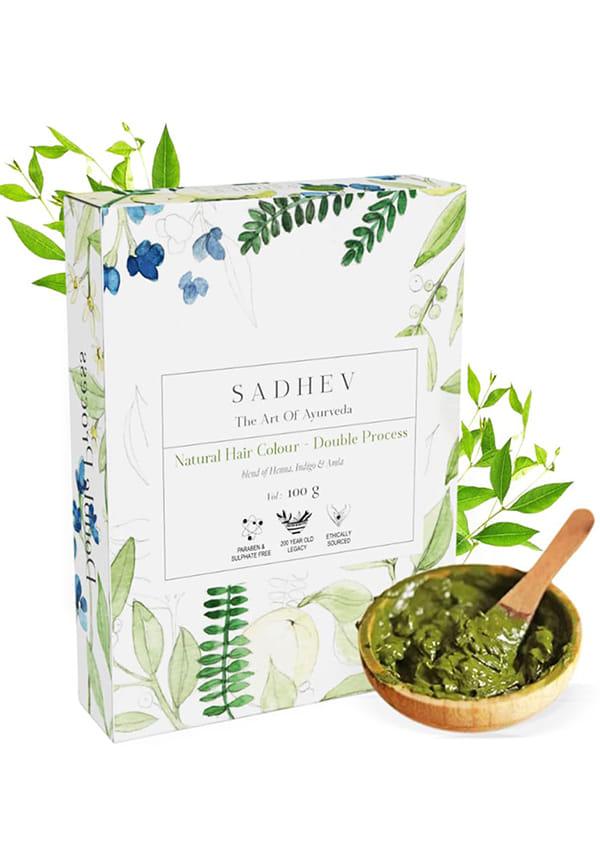 100 gm
Natural Hair Colour - Double Process - Henna, Indigo & Amla 100gm
Let's clear up some persistent myths about hair texture that might be holding you back from proper care.
The idea that thick hair is always better than fine hair is completely false. Fine hair can be incredibly strong and is often easier to style and manage. Thick hair, while resilient, can be harder to dry and style, and it's not immune to damage.
You cannot permanently change your hair texture through products or treatments. Chemical relaxers and perms can alter your curl pattern temporarily, but your natural texture will grow back. Embrace what you have rather than fighting against it.
Not all curly hair needs the same products. A person with fine, 3A curls needs completely different products than someone with thick, 4C coils. Your curl pattern is just one factor — porosity and thickness matter just as much.
Hair texture can and does change with age, hormones, health conditions, and damage. Many people notice their hair becoming coarser, finer, or changing curl patterns throughout their lives. This is completely normal.
No hair texture is inherently better than another. Each texture has unique advantages and challenges. Fine hair is easier to style and dries quickly, while thick hair is more resilient and holds styles well. Curly hair has natural volume and movement, while straight hair has natural shine and smoothness. The key is understanding and caring for your specific texture properly rather than wishing for something different.
The four main hair types are Type 1 (straight), Type 2 (wavy), Type 3 (curly), and Type 4 (coily). Each type has subcategories A, B, and C that indicate increasing curl tightness or texture coarseness. This classification system helps determine the best care routines and products for your specific hair pattern.
These are subcategories within the wavy and curly hair types. 2A has loose, barely-there waves that are fine to medium in texture. 2B has more defined waves with some frizz and resistance to styling. 2C has strong waves with curls forming at the ends. 3A features large, loose curls with a clear S-pattern, while 3B has springier, more voluminous curls that are tighter than 3A.
Yes, hair texture can change due to various factors including hormones, age, pregnancy, menopause, health conditions, medications, and chemical treatments. Many people notice their hair becoming coarser or finer with age, or their curl pattern changing during hormonal shifts. Environmental factors and damage from heat or chemicals can also alter your hair's texture and behaviour.
Washing frequency depends on your hair texture and scalp type. Straight hair typically needs washing every 1-2 days due to faster oil distribution. Wavy hair does well with 2-3 washes per week. Curly hair should be washed 1-2 times per week maximum to prevent dryness. Coily hair needs the least frequent washing — once per week or less — to maintain moisture. Adjust based on your scalp's oil production, lifestyle, and product buildup.
Understanding your hair texture types is the foundation of a successful hair care routine. Whether you have straight, wavy, curly, or coily hair, each texture has its own needs and responds differently to products and techniques. Remember that your hair might not fit perfectly into one category — many people have multiple textures throughout their head, and that's completely normal.
The key is working with your natural texture rather than against it. Fine hair doesn't need to be thick to be beautiful, and curly hair doesn't need to be straight to be manageable. Once you understand your hair's porosity, thickness, and curl pattern, you can choose products and techniques that actually work for your unique strands.
If you're still figuring out what works for your hair texture, Smytten's curated selection includes trial-size versions of many haircare products from trusted brands. This lets you test different formulations and find your perfect match without committing to full-size bottles — because why settle for maybe when you can find what actually works for your hair?
