Essential Fine Hair Problems Explained: Your Complete Care Checklist

 1 Unit
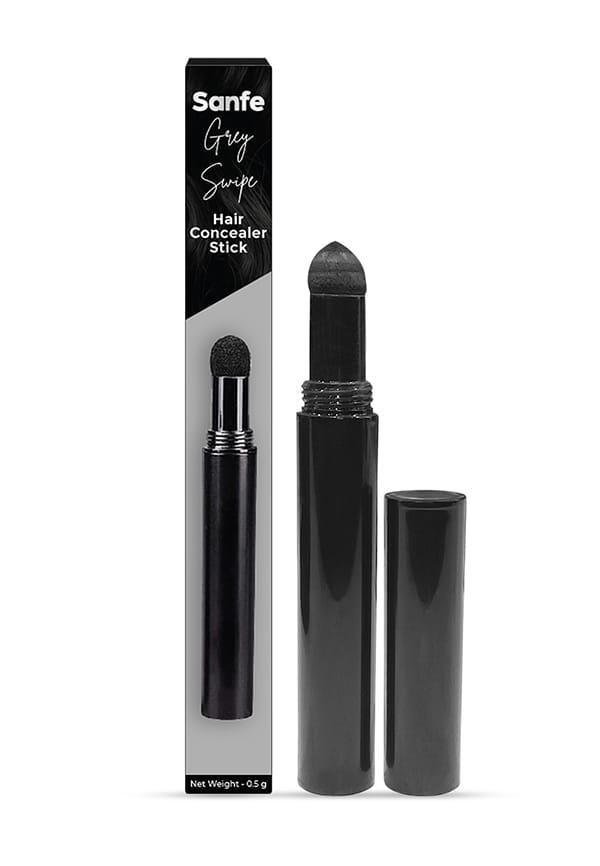
Quick fix hair & eyebrow touch-up kit | powder stick for thinning hair, bald spots
You know that moment when you run your fingers through your hair and it feels like there's barely anything there? Or when you spend ages styling it, only to have it fall flat by lunchtime? If you've got fine hair, you're probably nodding along right now. Let's be real — fine hair comes with its own unique set of challenges that can feel pretty frustrating. But here's the thing: understanding what's actually happening with your strands is the first step to working with them, not against them. Ready to decode those fine hair mysteries?
First things first — let's clear up the confusion between fine and thin hair because they're definitely not the same thing. This mix-up happens all the time, and it actually matters more than you might think when it comes to choosing the right care routine.
Fine hair is all about the individual strand thickness — or rather, the lack of it. Each strand measures less than 60 microns in diameter (that's seriously tiny). Think of it like thread: fine hair strands are like delicate silk thread, while coarse hair is more like thick cotton yarn. This difference is mostly down to genetics, so if your parents have fine hair, chances are you do too.
Here's where it gets interesting. You can have fine hair that's super dense (loads of individual strands) or thin hair with thicker individual strands. Fine hair refers to strand diameter, while thin hair refers to density — how many strands you actually have on your head. Someone with fine, dense hair might have more volume than someone with coarse but sparse hair. Understanding your specific situation helps you pick products that actually work for your hair type.
Want to figure out if your hair is fine? Try the strand test: take a single hair and roll it between your fingers. If you can barely feel it, you've got fine hair. You can also compare it to a piece of thread — fine hair will be thinner than sewing thread. Another quick check: does your hair get greasy quickly and struggle to hold styles? Those are classic fine hair signs.
Now that we've got the basics sorted, let's dive into the real issues that fine-haired folks deal with daily. Spoiler alert: you're not imagining these problems, and they're definitely not your fault.
This is probably the biggest complaint about fine hair, and there's actual science behind why it happens. Fine strands can't support their own weight as well as thicker hair, so they tend to lie flat against your scalp. Gravity literally works against you here. Plus, fine hair reflects light differently, which can make it look even flatter than it actually is.
If your hair looks greasy by the end of the day (or sometimes by lunchtime), you're not alone. Fine hair has less surface area per strand, so the natural oils from your scalp spread down the hair shaft much faster. It's like the difference between oil spreading on a thin wire versus a thick rope — the thin wire gets coated much quicker.
Fine hair is naturally more fragile because there's simply less hair fibre to work with. Think of it like the difference between a single thread and a thick rope — which one's going to snap first under pressure? Heat styling, chemical treatments, and even aggressive brushing can cause more damage to fine hair than other hair types.
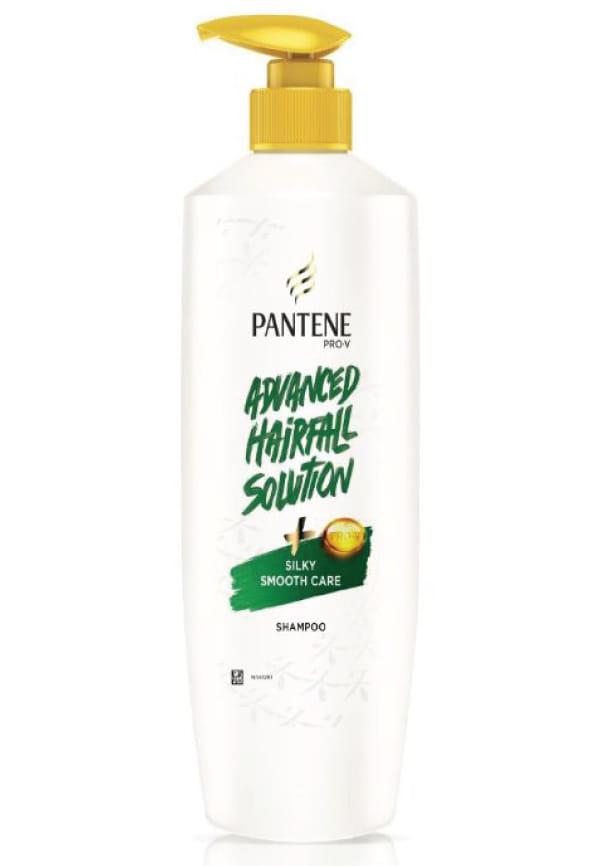 650 ml
Advanced Hair Fall Solution Silky Smooth Care Shampoo
Ever spent ages curling your hair only to have it fall out within an hour? Fine hair struggles to hold styles because the strands are lightweight and smooth. There's less texture for products to grip onto, and the hair's natural tendency is to return to its flat state. It's like trying to make smooth silk hold a shape versus textured cotton.
Understanding why you have fine hair can help you manage expectations and choose the right approach for your specific situation. Sometimes it's just genetics, but other factors can play a role too.
Most of the time, fine hair is simply what you inherited from your family. Your genes determine everything from strand diameter to follicle shape, and there's not much you can do to change the fundamental structure. Different ethnicities also tend to have different hair characteristics — for example, East Asian hair is often naturally fine and straight.
Sometimes fine hair develops over time due to hormonal shifts. Menopause, pregnancy, thyroid issues, and even stress can affect hair texture and density. High cortisol levels from chronic stress can particularly impact hair health, making strands thinner and more prone to breakage. Some people have also noticed hair changes after experiencing long COVID, though research is still ongoing.
Your lifestyle choices can definitely impact hair health. Over-processing with chemicals, excessive heat styling, poor nutrition, and even harsh water can make fine hair problems worse. Environmental factors like pollution and UV exposure can also weaken already delicate strands.
Right, let's get to the good stuff — what actually works when you're trying to give your fine hair some oomph. These aren't miracle cures, but they're tried-and-tested methods that can make a real difference.
Your haircut is honestly one of the most important factors for fine hair volume. Layers can add movement and prevent your hair from looking too flat, but they need to be done right. Too many layers can make fine hair look thin and wispy. A good rule of thumb: keep layers subtle and avoid going too short, as fine hair often looks fuller with a bit of length.
The upside-down blow-dry technique is your friend here. Flip your head over and direct the airflow from roots to ends — this helps lift the hair away from your scalp. Using a round brush to lift sections at the root while blow-drying can also create lasting volume. The key is to get lift at the roots while the hair is still damp and moldable.
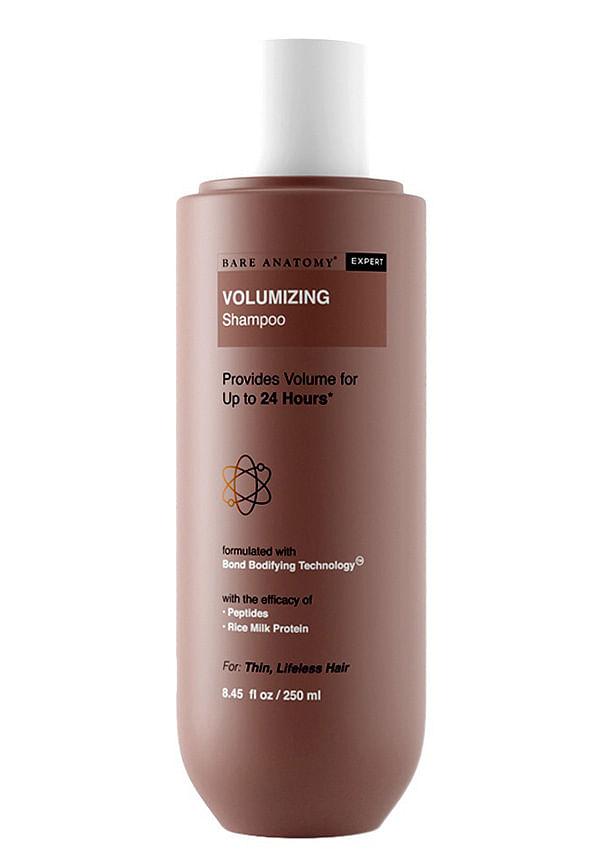 250 ml
Expert Volumizing Hair Shampoo For Thicker, Fuller And Healthy Hair
Less is definitely more with fine hair products. Apply volumizing mousse or root lift spray to damp hair, focusing on the roots rather than the lengths. Dry shampoo isn't just for dirty hair — it can add texture and grip to clean fine hair, making it easier to style and giving instant volume at the roots.
Creating a routine that works for fine hair is all about balance — you want to cleanse effectively without stripping, condition without weighing down, and protect without coating. Here's how to get it right.
Fine hair often gets oily quickly, so you might need to wash it more frequently than other hair types. Look for gentle, sulfate-free shampoos that won't strip your hair but will effectively remove oil and product buildup. Clarifying once a week can help prevent product accumulation that weighs fine hair down.
This is where many people with fine hair go wrong — they either skip conditioner entirely or apply it to their roots. The sweet spot is applying a lightweight conditioner from mid-shaft to ends only. Leave-in treatments should be used sparingly, and protein treatments can help strengthen fine strands without adding weight.
Fine hair needs extra protection from heat damage, but heavy heat protectants can weigh it down. Look for lightweight thermal sprays and keep heat tools on lower settings. Air-drying when possible gives your hair a break from heat damage, and using silk pillowcases can reduce friction while you sleep.
Not all hair products are created equal, especially when it comes to fine hair. Some ingredients can be game-changers, while others will leave you looking like you haven't washed your hair in a week.
Rice protein is brilliant for fine hair because it adds strength and thickness without weight. Biotin and other B-vitamins can help support hair health from within. Lightweight oils like argan or jojoba can add shine without greasiness, but use them sparingly. Panthenol (Pro-Vitamin B5) is another winner for adding body and moisture.
Heavy oils, thick butters, and silicone-heavy products are generally not your friends if you have fine hair. These can coat the strands and make them look limp and greasy. Over-conditioning is also a real risk — too much moisture can make fine hair look flat and lifeless.
You don't necessarily need to spend a fortune on fine hair products, but sometimes the concentration of active ingredients in professional lines can make a difference. The key is finding products specifically formulated for fine hair, regardless of price point. Reading ingredient lists becomes pretty important when you have fine hair.
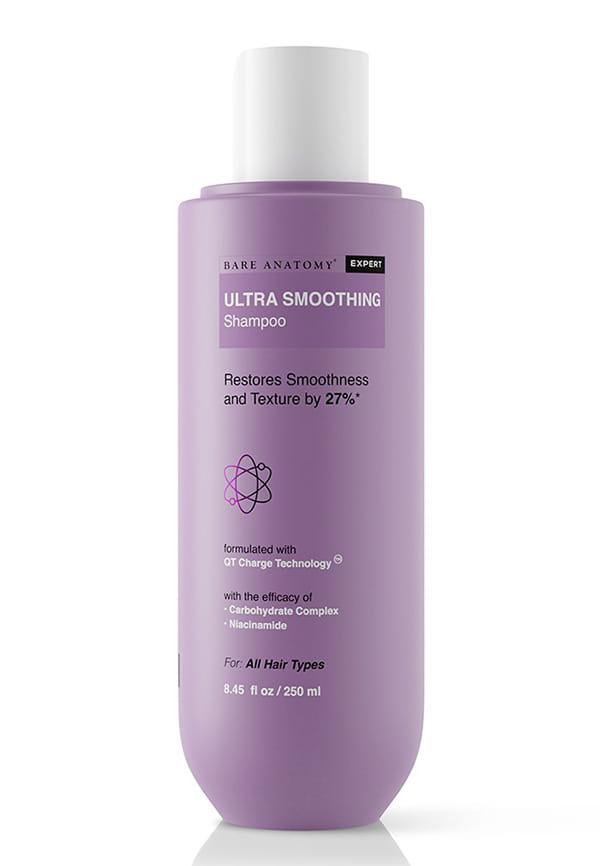 250 ml
Expert Ultra Smoothing Shampoo To Restore Smoothness, Repair Damaged Hair And Locks In Moisture
Sometimes you need to bring in the big guns. Professional treatments and medical interventions can help when regular products and techniques aren't cutting it.
Keratin treatments can be tricky for fine hair — they might add smoothness but can also weigh hair down. Professional volumizing treatments and scalp massages can improve circulation and hair health. Some salons offer specialized fine hair treatments that add temporary thickness and body.
If your hair has suddenly become much finer or you're experiencing significant thinning, it might be worth seeing a dermatologist or trichologist. They can check for underlying conditions and potentially prescribe treatments like minoxidil if appropriate. Sometimes addressing nutritional deficiencies or hormonal imbalances can improve hair quality.
LED light therapy and microneedling are gaining popularity for hair health, though research is still developing. Peptide treatments and growth factor serums are also emerging as potential options for improving hair density and quality. Always research thoroughly and consult professionals before trying new treatments.
The best approach combines the right cut, gentle care routine, and volumizing techniques. Focus on root lift during styling, use lightweight products, and consider professional treatments if needed. Remember that working with your hair type rather than against it usually gives better results than trying to completely transform it.
Fine hair is usually genetic, but can also result from hormonal changes, medical conditions, stress, or damage from over-processing. Age can also play a role, as hair naturally becomes finer over time. Identifying the cause helps determine the best treatment approach.
Yes, chronic stress and elevated cortisol levels can affect hair health, making fine hair even more fragile and prone to breakage. Stress management through exercise, meditation, or other techniques can help support overall hair health alongside proper care routines.
While the basic structure of fine hair is the same regardless of gender, styling approaches and product choices might differ. Men with fine hair often benefit from shorter cuts and lightweight styling products, while women might have more styling options but need to be careful about product weight and over-processing.
Fine hair definitely comes with its challenges, but understanding what you're working with makes all the difference. The key is embracing your hair type rather than fighting against it — gentle care, the right products, and smart styling techniques can help you make the most of what you've got. Remember that healthy fine hair often looks better than damaged thick hair, so focus on keeping your strands in good condition above all else. If you're curious about trying new products for your fine hair routine, Smytten offers trial-size versions of many volumizing shampoos, lightweight conditioners, and styling products — a smart way to test what works for your specific hair needs before investing in full-size bottles.
